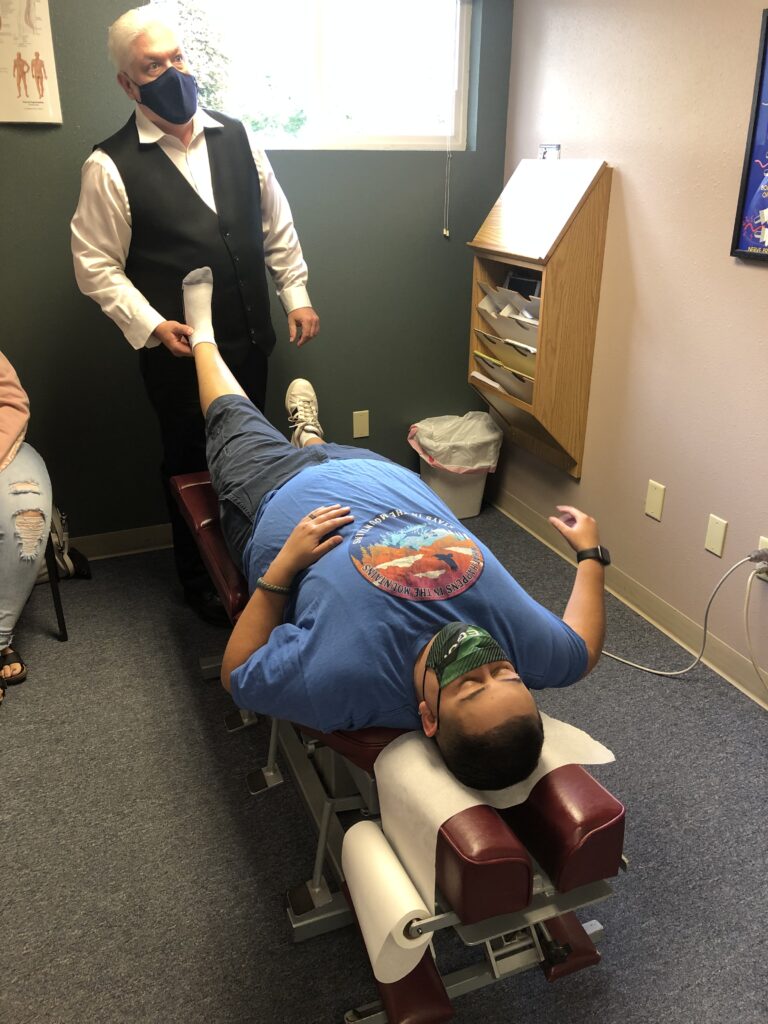

As a local chiropractor, I understand that many of you are seeking ways to prevent chronic pain naturally. You're not alone; more individuals are discovering the benefits of holistic approaches to enhance their health and well-being. Staying active, maintaining a balanced diet, and incorporating mindfulness practices are key components that can significantly lower your risk of experiencing discomfort. But there's so much more to consider.
For instance, developing healthy sleep habits is crucial for recovery and pain prevention. Additionally, fostering strong social connections can positively impact your mental and emotional health, further contributing to your overall well-being.
If you're wondering what the first step towards lasting relief might be, I invite you to explore these effective strategies with me. Together, we can delve deeper into how chiropractic care and natural healing can play a significant role in your journey to a pain-free life. Let's get started!
Stay Active Regularly
As a local chiropractor, I want to emphasize the importance of staying active regularly to prevent chronic pain and enhance your overall health. Engaging in physical activity isn't just about fitness; it plays a crucial role in how your body functions. When you move, your body releases endorphins—natural painkillers that help reduce your perception of pain and elevate your mood. This makes it easier for you to handle everyday challenges.
I recommend aiming for at least 150 minutes of moderate aerobic exercise each week. This could involve activities like brisk walking, cycling, or swimming—anything that raises your heart rate without putting too much strain on your body.
In addition to aerobic exercise, incorporating strength training into your routine is vital. Building muscle supports your joints and enhances your stability, which is essential for your overall well-being. You don't need to lift heavy weights; simple bodyweight exercises such as push-ups, squats, and lunges can be incredibly effective. Aim to include strength training at least two days a week.
Don't forget about flexibility and balance exercises! Practices like yoga or tai chi can significantly improve your range of motion, reduce stiffness, and enhance your balance—factors that are key to preventing injuries. Plus, these activities often promote relaxation, which can help alleviate stress—a common contributor to chronic pain.
Always listen to your body and adjust your activity levels accordingly. It's essential to find a routine that you genuinely enjoy so that you'll be motivated to stick with it over time.
Whether it's joining a class, walking your dog, or playing a sport, staying active is fundamental to maintaining a healthy lifestyle and managing chronic pain. Remember, consistency is vital to experiencing the benefits of an active lifestyle and supporting your natural healing process through chiropractic care.
Maintain a Healthy Weight
As a local chiropractor, I want to emphasize the importance of maintaining a healthy weight for not only preventing chronic pain but also enhancing your overall wellness. When you maintain a healthy weight, you significantly reduce the strain on your joints, muscles, and ligaments. This is crucial in minimizing the risk of developing painful conditions such as arthritis and back pain.
To achieve and sustain a healthy weight, I recommend focusing on a balanced diet that emphasizes whole foods. This means incorporating a variety of fruits, vegetables, lean proteins, and whole grains into your daily meals. It's important to steer clear of processed foods and sugary snacks, as these can lead to weight gain and increase inflammation in your body.
One key aspect to consider is portion sizes; even healthy foods can lead to weight issues if consumed in excess.
Engaging in regular physical activity is vital in your journey towards weight management. I suggest aiming for at least 150 minutes of moderate exercise each week. Activities like walking, swimming, and cycling are excellent choices; they not only help you burn calories but also strengthen your muscles and enhance your flexibility. This, in turn, can further reduce your risk of experiencing chronic pain.
Don't overlook the importance of staying hydrated as well. Drinking enough water is essential; it helps curb hunger and supports your body in functioning optimally.
Additionally, prioritizing adequate sleep is crucial for weight management, as poor sleep can disrupt the hormones that regulate your appetite.
As your chiropractor, I encourage you to take these steps towards maintaining a healthy weight, as it can greatly benefit your overall health and well-being. Let's work together on a plan that suits your individual needs!
Practice Mindfulness Techniques
As your local chiropractor, I want to emphasize how practicing mindfulness can play a significant role in managing chronic pain and enhancing your overall well-being.
Integrating techniques such as meditation and deep breathing into your daily routine can help you foster a greater sense of calm and relaxation, which is vital for both your mental and physical health.
Mindfulness not only aids in pain management but also complements chiropractic care by promoting a holistic approach to healing. When you focus on being present in the moment, you may notice a reduction in stress and tension, which can contribute to fewer pain episodes.
I encourage you to explore the many benefits of mindfulness and consider making it a regular part of your life.
By doing so, you'll not only support your chiropractic treatment but also empower yourself on your journey towards a healthier, pain-free existence.
Let's work together to incorporate these techniques into your wellness routine!
Benefits of Mindfulness
As a local chiropractor, I want to share with you the powerful benefits of mindfulness in managing chronic pain, an area that often intersects with chiropractic care. Mindfulness is a technique that helps you become more aware of your thoughts and physical sensations without judgment. By incorporating mindfulness into your daily routine, you can learn to shift your focus away from the pain itself and towards your overall experience. This shift can significantly reduce the emotional distress that often accompanies chronic pain, allowing you to respond with greater calmness and potentially lessen the pain's intensity.
Moreover, mindfulness enhances emotional resilience. It teaches you to accept your feelings rather than resist them, which can greatly reduce the anxiety and depression that frequently accompany chronic pain conditions. This acceptance can lead to a more positive outlook on life, a crucial aspect of effective long-term pain management.
Additionally, practicing mindfulness can improve your concentration and focus, enabling you to engage more fully in your daily activities. This increased engagement fosters a sense of normalcy, which is vital when coping with persistent pain.
Techniques to Practice
As a chiropractor dedicated to promoting holistic health, I want to share some simple yet effective techniques that can help you incorporate mindfulness into your daily routine, ultimately supporting your overall well-being.
One of the best methods is focused breathing. I encourage you to take a few minutes each day to find a quiet space where you can sit comfortably. Inhale deeply through your nose, hold your breath for a moment, and then exhale slowly through your mouth. This practice not only calms your mind but also helps you reconnect with your body, which is crucial for effective chiropractic care.
Another technique I recommend is body scanning. Lie down comfortably and mentally scan your body from your head to your toes. Pay attention to any areas of tension or discomfort, and consciously relax those spots. This practice promotes relaxation and enhances your awareness of how your body feels, which can be beneficial when you're receiving chiropractic adjustments.
Mindful walking is another great way to bring mindfulness into your life. As you walk, focus on the sensations of your feet making contact with the ground, the rhythm of your breath, and the sights and sounds around you. This practice can ground you in the present moment and help reduce stress, further supporting your body's natural healing processes.
Lastly, I encourage you to try journaling. Spend a few minutes each day writing down your thoughts and feelings. This practice helps clear your mind and creates space for mindfulness and self-reflection.
Incorporating Mindfulness Daily
As a local chiropractor dedicated to promoting natural healing, I believe that incorporating mindfulness into your daily routine can significantly enhance your overall well-being. Mindfulness not only helps you manage stress but can also play a vital role in alleviating chronic pain and improving your awareness of your body.
Here are four practical techniques to help you weave mindfulness into your everyday life:
- Mindful Breathing: Set aside a few minutes each day to focus solely on your breath. Inhale deeply and slowly, hold for a moment, then exhale gently. This practice not only calms your mind but also helps you become more aware of how your body feels in the present moment, which is essential for understanding and managing pain.
- Body Scan: Find a comfortable position, either lying down or sitting, and mentally scan your body from head to toe. Pay attention to areas of tension or discomfort without judgment. This technique fosters a deeper connection with your physical sensations and encourages relaxation, which can alleviate some of the stress that contributes to pain.
- Mindful Eating: During meals, take time to really savor your food. Notice the flavors, textures, and aromas. Chew slowly and appreciate each bite. Practicing mindful eating not only enhances your enjoyment of meals but also encourages healthier eating habits, which can support your body's healing process.
- Gratitude Journaling: Each evening, write down three things you're grateful for. This practice shifts your focus from pain and discomfort to positivity and appreciation. Cultivating gratitude can help foster a more mindful and positive mindset, which is beneficial for your overall health.
Incorporate Stretching Routines
As a local chiropractor, I often emphasize the importance of managing and preventing chronic pain through natural methods, and one of the most effective tools at your disposal is a consistent stretching routine. Stretching plays a vital role in improving flexibility, enhancing blood circulation, and reducing muscle tension—all of which can significantly contribute to pain relief.
You don't need to dedicate hours each day to this practice; even a few minutes of targeted stretching can lead to impressive results. I encourage you to start by identifying the areas in your body where you experience tightness or discomfort. Common trouble spots include the neck, shoulders, back, and hips. Simple stretches like neck rolls, shoulder shrugs, and hamstring stretches can easily be integrated into your daily routine.
Aim for at least 5-10 minutes of stretching, particularly in the morning or following prolonged periods of sitting. This not only alleviates stiffness but also prepares your body for daily activities.
It's crucial to listen to your body during these stretches. Avoid pushing yourself too hard; gentle, gradual movements are both safer and more effective. Hold each stretch for about 15-30 seconds, and remember to breathe deeply as you do so. This technique helps your muscles relax further and amplifies the benefits of the stretch.
I also suggest incorporating a variety of stretching techniques, including static stretches, dynamic movements, or even yoga poses. These approaches will provide a comprehensive strategy for improving flexibility and managing pain.
By making stretching a regular part of your routine, you're likely to experience a noticeable decrease in discomfort and an increase in overall mobility.
Get Quality Sleep
As a local chiropractor dedicated to helping you understand the benefits of natural healing, I want to emphasize the importance of getting quality sleep in managing and preventing chronic pain.
When sleep is compromised, your body struggles to heal, which can lead to increased discomfort. Prioritizing restorative sleep can significantly enhance your pain levels and overall health.
Here are four effective strategies to help you improve your sleep quality:
- Establish a Sleep Routine: Aim to go to bed and wake up at the same time every day. This consistency helps regulate your body's internal clock, making it easier for you to fall asleep and stay asleep throughout the night.
- Create a Comfortable Sleep Environment: Transform your bedroom into a peaceful sanctuary. Keep the room dark, cool, and quiet to promote relaxation. Investing in a supportive mattress and pillows tailored to your needs can greatly enhance your comfort while you rest.
- Limit Screen Time Before Bed: The blue light emitted by smartphones, tablets, and computers can disrupt your ability to fall asleep. I recommend turning off electronic devices at least an hour before bedtime to allow your body to wind down naturally.
- Practice Relaxation Techniques: Engaging in calming activities before bed—such as reading, meditating, or enjoying a warm bath—can help ease your mind and prepare your body for a restful night's sleep.
By incorporating these strategies into your routine, you can improve your sleep quality and support your body's natural healing process.
Use Heat and Cold Therapy
As a local chiropractor, I often see patients seeking relief from chronic pain, and one of the most effective and accessible methods I recommend is heat and cold therapy. These techniques are simple yet powerful in managing pain and enhancing your overall comfort. Let me explain how to use them effectively.
Heat therapy is a fantastic way to relax and soothe stiff muscles and joints. You can use a heating pad, hot water bottle, or even indulge in a warm bath to apply heat to the affected area. Just remember not to overdo it—15 to 20 minutes is usually the ideal duration for heat application.
However, if you're dealing with swelling, it's best to avoid heat, as it can increase inflammation.
Conversely, cold therapy is excellent for reducing inflammation and numbing sharp pain. Ice packs or cold compresses are perfect for this purpose. When using cold therapy, aim for about 15 to 20 minutes, and always place a cloth or towel between the ice and your skin to prevent frostbite.
Cold therapy is especially effective right after an injury or during flare-ups, as it can help mitigate discomfort.
Many of my patients find that alternating between heat and cold provides even greater relief. This combination can stimulate blood flow, reduce swelling, and alleviate tension.
It's important to listen to your body and adjust the application times as necessary. By incorporating heat and cold therapy into your daily routine, you can take a proactive approach to managing your chronic pain and improve your quality of life.
Explore Herbal Remedies
As a local chiropractor dedicated to holistic healing, I often emphasize the importance of natural solutions for managing chronic pain. Herbal remedies can play a significant role in supporting your overall well-being while alleviating discomfort. For centuries, various herbs have been recognized for their ability to reduce pain and inflammation, making them a valuable addition to your pain management strategy.
Here are some effective herbal remedies I recommend exploring:
- Turmeric: This vibrant yellow spice isn't just a kitchen staple; it contains curcumin, which boasts powerful anti-inflammatory properties. Adding turmeric to your meals or considering it in supplement form can help reduce pain and enhance joint function, which is particularly beneficial for those with arthritis or other joint issues.
- Ginger: Renowned for its soothing effects, ginger can effectively reduce both pain and inflammation. You can enjoy ginger as a warm tea, incorporate it into your cooking, or use ginger supplements to experience its healing benefits.
- Willow Bark: Often dubbed "nature's aspirin," willow bark has a long history of use for pain relief. It contains salicin, which can help diminish discomfort and inflammation, making it a great natural option for headaches and muscle soreness.
- Capsaicin: The active component found in chili peppers, capsaicin can assist in blocking pain signals in the body. For localized pain relief, especially for conditions like arthritis or neuropathy, capsaicin cream can be applied topically.
Incorporating these herbal remedies into your daily routine may empower you to manage your pain more naturally.
However, I always advise consulting with a healthcare professional before starting any new treatment, particularly if you're currently taking other medications.
As your chiropractor, I'm here to support you on your journey to wellness through both chiropractic care and natural healing methods.
Engage in Physical Therapy
As a local chiropractor, I want to share how engaging in chiropractic care can be a transformative approach to managing chronic pain naturally. Chiropractic care goes beyond simply addressing injuries; it focuses on optimizing your body's function and promoting overall wellness. By partnering with a licensed chiropractor, you'll receive a personalized treatment plan tailored to your unique needs and health goals.
During your visits, I'll guide you through various techniques aimed at alleviating pain and preventing future issues. These may include spinal adjustments that realign the vertebrae, improving your body's mechanics and relieving pressure on nerves. This can lead to enhanced stability and support for the areas that are causing you discomfort.
In addition to spinal manipulations, chiropractic care often incorporates therapeutic exercises that strengthen the muscles around your spine and joints. You'll learn effective body mechanics and strategies to carry out daily tasks without exacerbating your pain.
Chiropractic treatments may also involve complementary therapies, such as soft tissue work, to reduce tension and enhance circulation in your body. These hands-on techniques can facilitate your body's natural healing processes, resulting in reduced pain and improved mobility.
Staying consistent with your chiropractic visits and practicing recommended exercises at home is vital to your recovery. Many patients notice significant reductions in their chronic pain, enabling them to return to activities they love.
Engaging in chiropractic care not only addresses your current pain but also equips you with the knowledge and tools to prevent future flare-ups.
Focus on Nutrition
As a local chiropractor, I want to share with you the importance of a holistic approach to managing chronic pain. While chiropractic care is a vital component in alleviating discomfort, it's essential to recognize that nutrition plays an equally crucial role in natural healing and pain management. The foods you consume can either contribute to inflammation or help mitigate it, so making informed dietary choices can significantly impact your well-being.
Here are four nutrition tips that I encourage you to consider:
- Incorporate Anti-Inflammatory Foods: Consider adding foods that are rich in omega-3 fatty acids, such as salmon, walnuts, and flaxseeds, to your diet. These foods have been shown to help reduce inflammation in the body, which can alleviate pain.
- Stay Hydrated: It's vital to drink enough water throughout the day. Dehydration can exacerbate pain levels and lead to muscle cramps, so I recommend aiming for at least eight 8-ounce glasses of water daily.
- Limit Processed Sugars and Trans Fats: Be mindful of your intake of processed sugars and trans fats, as these can increase inflammation and worsen chronic pain. Reducing sugary drinks, snacks, and fast food can make a significant difference in how you feel.
- Add Fruits and Vegetables: Strive for a colorful plate filled with a variety of fruits and vegetables. These foods are loaded with vitamins, minerals, and antioxidants that not only support your overall health but also assist in combating inflammation.
Foster Social Connections
As a local chiropractor, I want to emphasize the importance of building strong social connections in managing chronic pain effectively. Engaging with friends, family, or support groups can create a supportive network that offers emotional comfort, practical advice, and a sense of belonging.
These connections not only help you feel less isolated on your pain journey but also play a crucial role in reducing stress and enhancing your overall well-being.
I encourage you to reach out to those around you. Sharing your experiences and feelings can be incredibly cathartic and can help others understand what you're going through.
Participating in activities that interest you, such as joining a local club or attending community events, can serve as a wonderful distraction from your pain while fostering a positive mindset.
Don't overlook the benefits of technology, either. Online support groups can connect you with individuals who've similar experiences, which can be particularly beneficial if mobility is a challenge or if you're far from friends and family.
These virtual connections can provide substantial support, just like in-person interactions.
It's also important to remember that relationships are reciprocal. Be present for others in your network; supporting someone else can elevate your spirits and give you a renewed sense of purpose, which is vital for your mental health.
Lastly, don't hesitate to seek professional help when necessary. Therapists and counselors can assist you in building and maintaining healthy relationships.
By fostering these social connections, you're not just managing chronic pain; you're also enriching your life and enhancing your journey toward natural healing.
As your chiropractor, I'm here to support you in every aspect of your well-being.
Conclusion
As your local chiropractor, I want to share some valuable insights on how you can naturally prevent chronic pain. By incorporating these ten strategies into your daily routine, you can significantly lower your chances of experiencing discomfort.
First and foremost, staying active is essential. Regular movement helps keep your joints flexible and muscles strong. Additionally, maintaining a healthy weight can reduce strain on your body, especially your spine.
Mindfulness practices, such as meditation or yoga, can be incredibly beneficial in managing stress, which often contributes to pain. Stretching is also crucial; it helps improve flexibility and can alleviate tension in your muscles.
Prioritizing quality sleep is vital as well; it allows your body to heal and rejuvenate. You may also want to explore herbal remedies that have been shown to provide relief for some individuals.
Engaging in physical therapy can complement chiropractic care, helping to enhance your body's function and reduce pain. Nutrition plays a key role too—eating a balanced diet supports your overall health and can help prevent inflammation.
Lastly, strong social connections are important for emotional well-being, which can impact your physical health. By fostering these relationships, you can create a support system that encourages a pain-free lifestyle.
I encourage you to start implementing these tips today. Together, we can work towards a healthier, pain-free tomorrow!