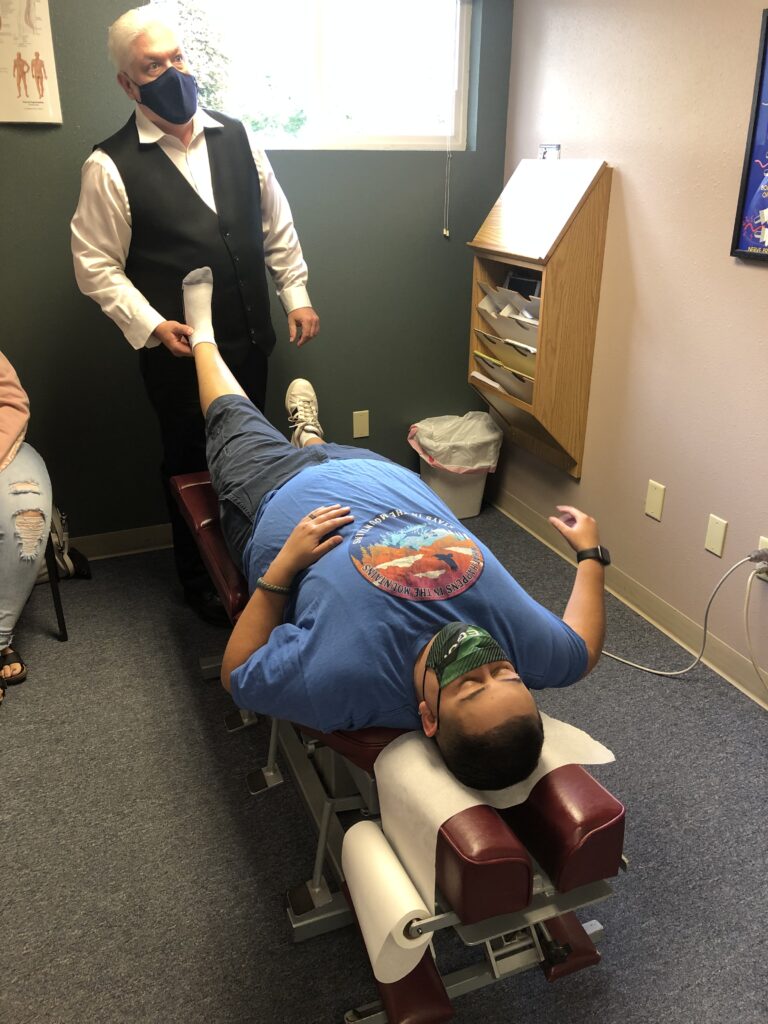

As a local chiropractor, I want to emphasize how crucial it is to take proactive steps when dealing with a sports injury. Many people may not realize that prioritizing rest and focusing on proper nutrition can significantly lay the groundwork for effective healing. By adhering to a structured rehabilitation plan and incorporating natural pain management techniques, you can greatly enhance your recovery journey.
It's important to recognize that recovery isn't solely about the physical aspects; your emotional well-being also plays a vital role. I encourage you to explore how to balance these elements to ensure a smoother recovery process. Chiropractic care can be an essential part of this journey, helping to restore your body's natural alignment and promote healing from within. If you're curious about how we can work together to support your recovery, I'm here to help!
Prioritize Rest and Sleep
As a local chiropractor, I want to emphasize how crucial rest and sleep are in your recovery journey. These two elements play a significant role in your healing process, and understanding their importance can make a real difference in your overall health.
When you allow your body to rest, it can effectively repair tissues, reduce inflammation, and restore energy levels. On the flip side, insufficient sleep can make it challenging to manage pain, potentially extending your recovery time.
To prioritize rest, I recommend establishing a consistent sleep schedule. Try to go to bed and wake up at the same time every day, even on weekends. This routine helps regulate your body's internal clock, making it easier for you to fall asleep and wake up feeling refreshed.
Aim for seven to nine hours of quality sleep each night, as this is when your body does its best work in terms of repair and restoration.
Creating a comfortable sleep environment is also essential. Ensure your bedroom is dark, quiet, and cool, and consider investing in a supportive mattress and pillows that suit your needs.
Additionally, it's beneficial to limit screen time before bed since the blue light from devices can hinder your ability to fall asleep. Instead, you might find it helpful to read or practice relaxation techniques such as deep breathing or meditation to wind down.
Throughout your day, be attuned to your body's signals. If you start to feel fatigued, don't hesitate to take short naps or breaks. These brief moments of rest can help recharge your energy and enhance your focus, ultimately supporting your recovery efforts.
Optimize Your Nutrition
As a local chiropractor, I want to emphasize the crucial role that nutrition plays in your recovery process. When you're dealing with an injury, it's vital to pay attention to what you consume in order to support your healing journey. Your body requires extra nutrients to effectively repair tissues, reduce inflammation, and bolster your immune system.
To kickstart your recovery, consider incorporating plenty of lean proteins into your diet, such as chicken, fish, and legumes. These foods are essential for rebuilding damaged muscles and tissues, which is particularly important when you're healing.
Healthy fats, like avocados, nuts, and olive oil, are also key players in your recovery. They help to reduce inflammation, which can significantly speed up the healing process. Specifically, omega-3 fatty acids found in fatty fish and flaxseeds are highly beneficial for combating inflammation.
Don't overlook the importance of carbohydrates either! Whole grains, fruits, and vegetables provide the energy your body needs to heal effectively. Proper fuel is essential for a smooth recovery.
Hydration is another vital aspect of your nutrition that shouldn't be ignored. Drinking enough water is essential for circulation and nutrient delivery—both of which are critical for healing. Aim for at least eight glasses of water a day, and if you're active, consider electrolyte-rich drinks to replenish lost nutrients.
Micronutrients, such as vitamins C and D, along with minerals like zinc and magnesium, also play a significant role in your recovery. To ensure you're getting enough of these vital nutrients, include citrus fruits, leafy greens, and nuts in your diet.
Finally, I encourage you to limit processed foods and sugars, as these can contribute to increased inflammation and hinder your healing process. By focusing on wholesome, nutrient-rich foods, you can support your body in its recovery and enhance the benefits of chiropractic care.
Implement Rehabilitation Techniques
As a local chiropractor, I want to emphasize how important effective rehabilitation techniques are for your recovery after an injury. It's crucial to follow a structured approach that focuses on restoring your strength, flexibility, and overall function. I encourage you to consult with a professional who can create a personalized plan tailored to your specific needs.
During your initial consultation, I'll assess your injury and help you set realistic and achievable goals. It's essential to stay committed to your rehabilitation plan. Just as you'd with any other essential appointment, scheduling regular sessions is key to your success.
Incorporating a variety of exercises that target strength training, mobility, and balance will be beneficial. As you advance, we'll gradually increase the intensity of your workouts while ensuring you listen to your body's cues. If you experience any pain, it's important not to push through it; we'll adjust your regimen as necessary.
In addition to exercise, we may utilize various modalities such as ice, heat, or electrical stimulation to help alleviate pain and inflammation. These techniques complement your exercises and can significantly enhance your recovery process.
Don't underestimate the vital role of rest and recovery in your healing journey. Your muscles and tissues need time to repair, so ensure you're getting enough sleep and allowing for rest days as needed.
Lastly, tracking your progress can be incredibly motivating. By documenting your improvements, you not only inspire yourself but also provide valuable insights that can help guide our ongoing treatment.
Stay Hydrated
As a local chiropractor, I want to emphasize the importance of staying well-hydrated during your recovery from an injury. Adequate fluid intake is crucial for healing, as water plays a vital role in many of your body's physiological processes.
When you stay hydrated, your blood circulation improves, which means that nutrients and oxygen are delivered more effectively to your injured tissues. This can accelerate the healing process and help reduce inflammation, both of which are essential for a successful recovery.
Here are some compelling reasons to prioritize hydration as you heal:
- Eliminates toxins: Drinking sufficient water aids in flushing out waste products from your body. This not only facilitates your recovery but also reduces the risk of further complications.
- Supports joint health: Proper hydration is key to keeping your joints lubricated. This can help minimize stiffness and discomfort, especially as you work on regaining your mobility.
- Regulates body temperature: Staying hydrated is important for regulating your body temperature, allowing you to engage in rehabilitation activities without the risk of overheating or excessive fatigue.
To ensure you're drinking enough fluids, aim for at least eight 8-ounce glasses of water each day. If you're active or in a warm environment, you might need even more.
Keep a water bottle with you and take sips throughout the day. Additionally, incorporating hydrating foods like fruits and vegetables can further enhance your fluid intake.
By focusing on your hydration needs, you're laying a strong foundation for your body to heal and recover naturally from your injury.
Use Pain Management Strategies
As a local chiropractor, I want to emphasize the importance of effective pain management strategies for easing discomfort during your recovery from a sports injury. When you're facing pain, it can significantly affect your ability to participate in rehabilitation and daily activities. I encourage you to have an open conversation with your healthcare provider about your pain, as they can suggest appropriate treatment options, including both over-the-counter and prescription medications tailored to your specific needs.
However, I also want to highlight the benefits of incorporating non-pharmacological methods into your recovery plan, particularly those that align with chiropractic care. Techniques such as ice and heat therapy can be incredibly beneficial. Ice can help reduce inflammation and numb sharp pain, while heat is great for relaxing tense muscles and enhancing blood circulation. It's important to use these methods correctly to avoid any skin damage, so please follow recommended guidelines.
In my practice, I often recommend physical therapy as a vital component of pain management. A skilled therapist can work with you to perform exercises that not only reduce pain but also strengthen the affected area, promoting quicker healing.
Additionally, alternative therapies such as acupuncture and massage therapy can provide relief and improve your overall comfort, complementing the chiropractic adjustments I provide.
Mindfulness and relaxation techniques are also crucial in managing pain effectively. Practices like deep breathing, meditation, or gentle yoga can help reduce stress and enhance your perception of pain.
Lastly, never underestimate the power of rest. Prioritizing sleep and allowing your body adequate downtime is essential for recovery, and as your chiropractor, I can guide you on how to incorporate rest into your healing journey.
Conclusion
As a local chiropractor, I want to emphasize the importance of prioritizing rest and sleep in your recovery journey from sports injuries. It's crucial to allow your body the time it needs to heal. In addition to rest, optimizing your nutrition plays a vital role in recovery. A well-balanced diet rich in nutrients can significantly support your healing process.
Incorporating rehabilitation techniques, such as specific exercises and stretches, can also help restore your strength and mobility efficiently. Staying hydrated is essential, as it aids in the overall healing process. Furthermore, utilizing effective pain management strategies, such as chiropractic adjustments, can alleviate discomfort and promote better recovery.
Remember, every step you take towards adopting a healthier lifestyle not only aids in your recovery but also sets the foundation for your future success in athletics. Stay committed to your healing journey, listen to your body, and with the right approach, you'll bounce back stronger than ever! If you have any questions about how chiropractic care can assist in your recovery, don't hesitate to reach out.