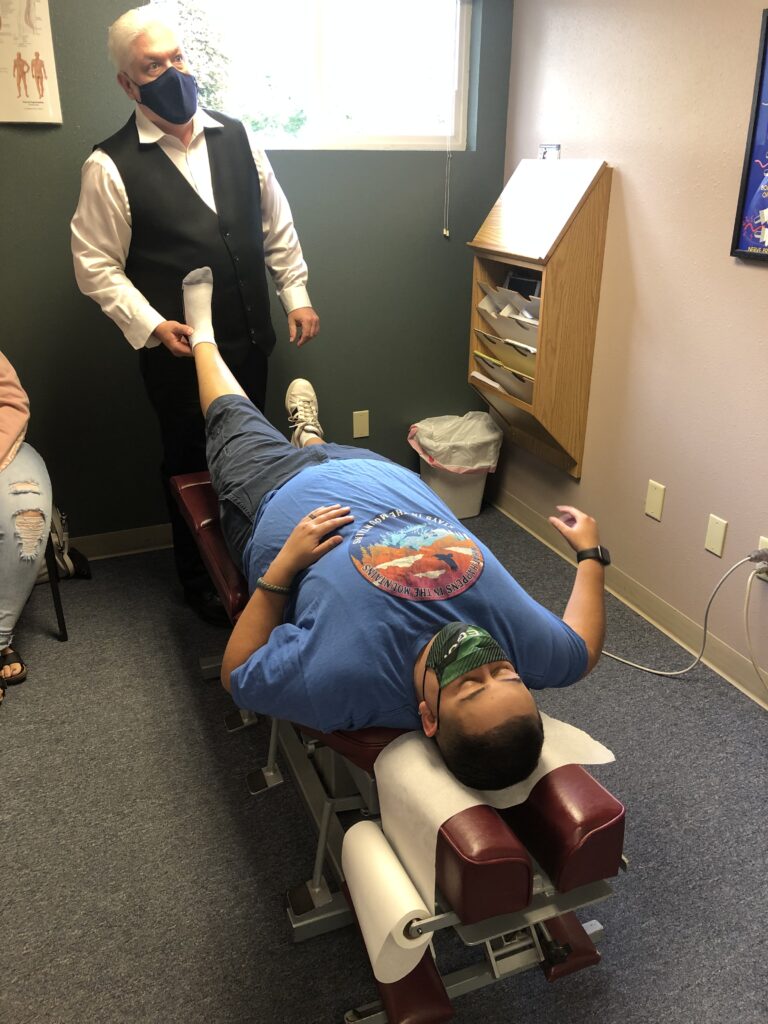

Improving your mobility and flexibility is essential for overall physical performance and injury prevention. You might not realize how simple adjustments to your routine can lead to significant benefits. By prioritizing dynamic stretching, incorporating strength training, and practicing consistent mobility drills, you can release your body's potential. But what specific techniques and practices can you implement to maximize these advantages? Let's explore three effective tips that can transform your approach to movement and flexibility.
Prioritize Dynamic Stretching
To boost your mobility and flexibility, prioritize dynamic stretching as a key component of your warm-up routine. This type of stretching prepares your muscles and joints for the physical activities ahead, improving your overall performance and reducing the risk of injury. Instead of holding stretches in place, dynamic stretching involves moving through various ranges of motion, which promotes blood flow and increases your body temperature.
Begin with simple movements, like arm circles or leg swings, to loosen up your upper and lower body. As you progress, incorporate more complex exercises, such as walking lunges or high knees, to engage multiple muscle groups. Focus on movements that mimic the activities you'll be doing, whether it's running, dancing, or lifting weights. This specificity enhances your body's readiness and flexibility for the task at hand.
Aim for at least 5 to 10 minutes of dynamic stretching before diving into your workout. Remember, the goal isn't to push your limits but to activate your muscles and joints. Listen to your body; if something feels tight or uncomfortable, adjust your movements accordingly.
Finally, make it a habit. Consistency is key when it comes to reaping the benefits of dynamic stretching. By integrating this practice into your warm-up routine, you'll not only enhance your mobility and flexibility but also set yourself up for a more effective and enjoyable workout experience.
Incorporate Strength Training
Dynamic stretching sets the stage for your workout, but incorporating strength training takes your mobility and flexibility to the next level. When you build strength, you're not just adding muscle; you're also enhancing your joint stability and overall movement patterns. This improved strength helps support your muscles during stretches, allowing for deeper and more effective movements.
Start by integrating compound exercises like squats, deadlifts, and push-ups into your routine. These movements engage multiple muscle groups, promoting balanced strength and improving coordination. As you get stronger, you'll find it easier to perform dynamic stretches and reach your full range of motion.
Don't forget to include exercises that target specific muscle areas that may be tight or weak. For example, incorporating resistance band work can help strengthen your hip abductors, improving your lateral stability and flexibility. Similarly, integrating core exercises enhances your overall posture and balance, which are vital for maintaining mobility.
Aim for two to three strength training sessions per week, focusing on different muscle groups each time. This frequency allows your body to recover while continually challenging it.
Practice Consistent Mobility Drills
Consistent mobility drills are essential for maintaining and improving your overall flexibility and range of motion. Incorporating these drills into your routine can help you move better, reduce the risk of injury, and enhance your athletic performance. It's important to target all major muscle groups and joints to gain extensive benefits.
Start with dynamic stretches that mimic the movements you perform in your daily activities or sports. For instance, leg swings, arm circles, and torso twists can effectively warm up your muscles and joints. Aim to perform these drills for at least 10-15 minutes, focusing on controlled movements and proper form.
You should also include static stretches post-workout to improve flexibility. Hold each stretch for 20-30 seconds, ensuring you feel a gentle pull without pain. Incorporate stretches for the hamstrings, hip flexors, shoulders, and back. This not only aids recovery but also lengthens the muscles.
Consider setting specific days for mobility practice, such as dedicating 15 minutes after your workout or on rest days. You can use tools like foam rollers or resistance bands to enhance your drills and target problem areas.
Finally, be patient and consistent. It takes time to see improvements, but the effort will pay off in the long run. By making mobility drills a regular part of your fitness regimen, you'll notice increased ease in your movements and reduced stiffness, paving the way for a more flexible and mobile lifestyle.
Conclusion
By prioritizing dynamic stretching, you'll warm up your muscles effectively and prepare your body for activity. Incorporating strength training not only builds muscle but also enhances flexibility and stability. Finally, practicing consistent mobility drills guarantees you stay limber and agile. Together, these strategies will help you improve your overall mobility and flexibility, making every movement feel easier. Start integrating these tips into your routine, and you'll notice the difference in no time!