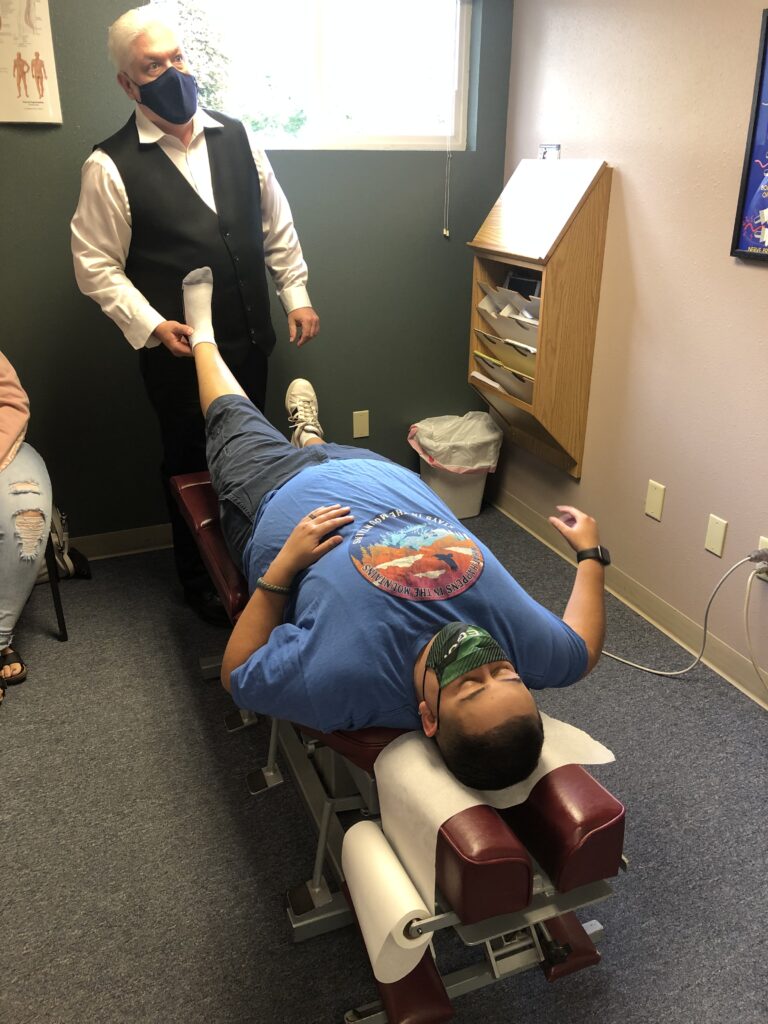

As a local chiropractor, I want to share with you that maintaining peak athletic performance involves more than just rigorous training. It requires a proactive approach to your overall health, which includes regular assessments and personalized recovery plans. By prioritizing preventative care, you can significantly reduce the risk of injuries and pave the way for long-term success in your athletic endeavors.
Consider how a few strategic adjustments to your routine, including chiropractic care, can enhance your capabilities. Our bodies are complex systems, and understanding their needs can lead to remarkable improvements in performance. Regular chiropractic adjustments can help align your spine, improve mobility, and alleviate tension, all of which are essential for athletes.
I encourage you to explore how chiropractic care can support your athletic journey. By addressing any underlying issues, you can unlock your full potential and achieve greater heights in your performance. Let's work together to uncover the insights about your body's needs and how they can positively impact your athletic achievements.
Understanding Preventative Care
As a local chiropractor, I want to share the importance of prioritizing preventative care for your overall health and wellness, especially if you're active or involved in sports. Emphasizing preventative care not only boosts your athletic performance but also significantly lowers the risk of injury. This approach includes various strategies that help maintain your body's health and functionality.
Preventative care involves regular assessments to monitor your spinal alignment and overall musculoskeletal health. Tailored training programs and proper nutrition are essential components as well. By being proactive, we can identify potential issues early on, preventing them from escalating into more serious problems.
Understanding your body is crucial in this process. Pay close attention to how you feel during your activities. Recognizing signs of fatigue or discomfort can help you avoid injuries. Incorporating dynamic warm-ups and cooldowns into your routine is vital; these practices prepare your muscles and joints for activity and promote recovery afterward. It's essential to listen to your body and adjust your training intensity as needed.
Nutrition is another key factor in your preventative care regimen. Fueling your body with the right nutrients optimizes performance and aids in recovery. Focus on a balanced diet rich in proteins, healthy fats, and carbohydrates. Staying hydrated is equally important; even mild dehydration can hinder your performance.
Additionally, don't underestimate the value of rest days in your training schedule. These days aren't a sign of weakness; rather, they're crucial for muscle repair and growth. Incorporating cross-training into your routine can also help prevent overuse injuries by allowing different muscle groups to be engaged and keeping your workouts varied.
As your chiropractor, I'm here to support you in understanding how these preventative measures can enhance your health and well-being. Together, we can create a plan that keeps your body functioning at its best, reducing the risk of injuries and improving your athletic performance.
Benefits of Regular Assessments
As a local chiropractor, I want to emphasize the importance of regular assessments in maintaining not just peak athletic performance, but overall well-being and injury prevention. By scheduling consistent evaluations, we can gain valuable insights into your physical condition. This allows us to identify specific areas that may require improvement, ensuring that your body is functioning optimally.
One of the key benefits of these regular assessments is the opportunity to catch potential issues before they develop into more serious concerns. By monitoring aspects such as strength, flexibility, and endurance, we can address any weaknesses or imbalances early on. This proactive approach not only enhances your performance but also significantly reduces the risk of setbacks due to injuries.
You'll feel more confident knowing that you're taking proactive steps to protect your body.
Furthermore, regular assessments create a structured way to set realistic health and wellness goals. With the data we gather from your evaluations, we can design a clear plan tailored to your unique needs. This can be incredibly motivating, as you'll be able to see tangible results and make necessary adjustments throughout your journey.
You'll also gain a better understanding of when to challenge your body and when to prioritize recovery, ultimately leading to improved overall performance.
Lastly, these evaluations help you develop a deeper connection with your body. You'll become more aware of its signals and understand what it needs to thrive.
Injury Prevention Strategies
As a local chiropractor, I want to share some effective strategies for preventing injuries while you pursue your athletic goals. One of the foundational steps is to create a well-rounded training program. Incorporating strength training, flexibility exercises, and endurance workouts can enhance your overall fitness and promote better alignment in your body. This balanced approach builds resilience in your muscles and joints, which can significantly reduce the risk of injury.
It's also crucial to listen to your body. If you're experiencing pain or discomfort during training, it's important not to push through it. Rest is just as vital as your training sessions, and ignoring your body's signals can lead to more serious injuries down the line. I recommend scheduling regular rest days and considering cross-training options to give specific muscle groups a chance to recover.
Another key strategy is to warm up and cool down properly. Dedicate at least 10-15 minutes before and after your workouts to engage in dynamic stretches and light aerobic activities. This helps prepare your body for the physical demands of your sport, increases blood flow, and enhances flexibility, all of which can minimize the chances of strains and sprains.
Finally, investing in the right gear is essential. Whether it's shoes, protective equipment, or clothing, using the appropriate equipment tailored to your sport can significantly lower your risk of injury. Ensure your footwear provides adequate support and cushioning, and don't hesitate to replace worn-out gear to maintain optimal performance.
Importance of Nutrition
As a local chiropractor, I want to emphasize the critical role that nutrition plays not just in athletic performance, but in overall health and wellness.
Understanding how macronutrients fuel your body can make a significant difference in how you feel and function daily. Proper hydration is also crucial; it not only supports your body's systems but can enhance your endurance and aid in recovery.
Additionally, timing your nutrient intake can optimize your health outcomes. By focusing on these aspects of nutrition, you can support your body's natural healing processes and improve your overall well-being.
Let's delve into how these factors can positively impact your life.
Macronutrients for Performance
As a local chiropractor, I believe it's vital for everyone, including my patients, to understand the importance of macronutrients in supporting overall health and athletic performance.
These essential nutrients—carbohydrates, proteins, and fats—play specific roles in fueling your body and assisting with recovery, which is crucial for maintaining optimal wellness.
Carbohydrates serve as your body's primary source of energy, particularly during high-intensity activities. They're stored as glycogen in your muscles and liver, ready to be tapped into when you exert yourself. For sustained energy, I recommend incorporating complex carbohydrates like whole grains and fruits into your diet.
Proteins are fundamental for muscle repair and growth. After physical activity, your muscles require protein to recover and strengthen. Including lean meats, dairy products, legumes, and nuts in your meals will help ensure you're consuming enough protein to support your physical efforts.
Fats, though often misunderstood, are also essential for your health and provide energy, especially during longer, lower-intensity sessions. Healthy fats found in avocados, olive oil, and fish are beneficial for maintaining balanced hormone levels and promoting joint health, which is particularly important for those of us focusing on natural healing.
By balancing these macronutrients according to your individual wellness and training needs, you can enhance your performance and overall health. Properly fueling your body not only improves your physical output but also aids in recovery, setting the stage for long-term wellness and success in your active lifestyle.
Hydration Strategies for Athletes
As a local chiropractor, I want to emphasize the crucial role hydration plays in not only athletic performance but also overall health and recovery. Staying properly hydrated is vital for everyone, as it helps regulate body temperature, lubricate joints, and transport essential nutrients throughout the body.
When you maintain adequate fluid levels, you're likely to experience improved endurance, strength, and mental clarity—benefits that extend beyond just athletes.
To support your hydration needs, it's important to drink water consistently throughout the day, rather than only during workouts. A good goal is to consume at least half your body weight in ounces of water daily. If you find yourself engaging in vigorous activity or sweating profusely, consider incorporating electrolyte-rich beverages to help replenish lost minerals.
Always listen to your body; feelings of thirst can indicate that you may already be on the path to dehydration.
I encourage you to develop a personalized hydration routine based on your daily activities and exercise levels. For instance, aim to drink 16-20 ounces of water two to three hours before any physical activity, followed by another 8-10 ounces approximately 20-30 minutes prior.
During your workout, strive to consume 7-10 ounces every 10-20 minutes, especially if you're exercising for over an hour. After your exercise session, rehydrate with either water or a sports drink to help restore any lost fluids.
By making hydration a priority, you're not only supporting your athletic performance but also enhancing your overall health and well-being.
Timing of Nutrient Intake
As a local chiropractor, I want to emphasize that maximizing your overall well-being isn't just about the adjustments you receive but also about how you nourish your body.
Timing your nutrient intake is crucial in enhancing your energy levels and promoting recovery, which can ultimately support your chiropractic care.
To start, it's beneficial to have a balanced meal or snack that includes carbohydrates and protein about 2-3 hours before engaging in any physical activity. This approach fuels your body and helps you maintain energy during exercise, which is essential for your overall health and wellness.
If you find yourself pressed for time, a quick snack 30-60 minutes prior can still offer that much-needed energy boost.
After your workout, your body is in need of specific nutrients to recover effectively. It's important to consume a meal or snack within 30 minutes post-exercise, focusing on protein to aid in muscle repair and carbohydrates to replenish your glycogen stores.
This step is crucial for ensuring that you can maintain peak performance in your daily activities and continue benefiting from your chiropractic treatments.
And let's not overlook hydration! Drinking water or electrolyte-rich beverages during and after exercise is vital for replenishing what you've lost through sweat.
Staying hydrated supports your body's natural healing processes and helps optimize your overall health.
Tailored Recovery Plans
As a local chiropractor, I want to emphasize how crucial recovery is alongside your training.
Having a personalized recovery plan can significantly impact your overall wellness and performance. By incorporating individualized strategies, injury prevention techniques, and methods to enhance your physical abilities, you can optimize your recovery process.
Let's delve into how these components can't only support your recovery but also elevate your athletic performance naturally.
Understanding how your body heals and functions is key, and I'm here to guide you through that journey.
Individualized Recovery Strategies
When it comes to enhancing your athletic performance, it's important to understand that there's no one-size-fits-all approach. As a local chiropractor, I want to emphasize the significance of individualized recovery strategies in helping you achieve your peak potential. By customizing your recovery plan to suit your unique needs, you can optimize your performance while minimizing the risk of burnout or injury.
To begin, it's essential to evaluate your specific needs. Consider the nature of your sport, the intensity of your training, and your personal goals. This assessment will guide you in identifying which recovery techniques may be most beneficial for you. For instance, while some athletes find great relief and recovery through active sessions, others may require additional rest days or targeted stretching to prevent tension and enhance flexibility.
Incorporating various recovery modalities is key. Techniques such as chiropractic adjustments, massage therapy, foam rolling, and even contrast baths can be tailored to your personal preferences and recovery needs.
Nutrition is also a crucial aspect of your recovery. Ensuring you provide your body with the right nutrients at the appropriate times can significantly impact your healing and performance. And let's not forget about hydration—staying well-hydrated is vital to support your body's recovery processes.
Finally, it's crucial to listen to your body. Keep track of your recovery progress and be open to adjusting your strategies as necessary.
Injury Prevention Techniques
As a local chiropractor, I want to share the importance of injury prevention for athletes and active individuals alike. Maintaining your peak performance and ensuring longevity in your sport is crucial, and one of the best ways to achieve that is through tailored recovery plans.
These plans are designed to meet your specific needs and conditions, helping you stay in the game while minimizing the risk of injuries. Here are some essential injury prevention techniques to consider:
- Regular Assessments: It's important to schedule frequent check-ups with a chiropractor to identify and address potential issues before they escalate into serious injuries. Regular adjustments can help keep your body aligned and functioning optimally.
- Dynamic Warm-ups: Before engaging in any physical activity, incorporate dynamic stretches and movements. This helps prepare your muscles and joints for the demands of your sport, enhancing your range of motion and reducing the risk of strains.
- Strength Training: Focus on building strength in areas that are commonly prone to injury, such as your core and joints. Strengthening these areas not only improves your performance but also enhances your overall resilience against injuries.
- Cross-Training: Engaging in a variety of exercise forms can improve your overall fitness while reducing repetitive strain on specific muscle groups. This approach keeps your workouts balanced and helps prevent overuse injuries.
By integrating these techniques into your routine, you can significantly lower your chances of injury and enjoy a healthier, more active lifestyle.
Performance Enhancement Methods
As a local chiropractor, I want to emphasize the importance of tailored recovery plans for enhancing your performance, whether you're an athlete or someone who simply wants to feel better in daily life. Customizing your recovery regimen is essential to address your specific needs and optimize your overall well-being.
Start by assessing your current fitness level, any physical activities you engage in, and any past injuries you may have experienced. This information is crucial in creating a recovery plan that aligns with your goals and supports your body's natural healing processes.
Incorporating various recovery methods can be incredibly beneficial. For instance, active recovery activities like light jogging or cycling can improve blood flow and alleviate muscle soreness. Techniques such as foam rolling are effective in releasing muscle tightness, while contrast baths can help reduce inflammation and expedite the recovery process.
Nutrition and hydration should also be top priorities. Properly fueling your body with the right nutrients after physical activity is vital for effective recovery. I recommend considering a consultation with a sports nutritionist to ensure that you're meeting your unique dietary needs.
Furthermore, don't overlook the significance of quality sleep. Establishing good sleep hygiene practices is essential for muscle repair and overall performance enhancement.
As you progress, keep track of how you're feeling and make adjustments to your plan as necessary. By committing to a personalized recovery strategy that incorporates chiropractic care, you can't only enhance your performance but also reduce the risk of injury.
This holistic approach will help keep you at your best, so you can enjoy all that life has to offer.
Mental Health and Performance
While many people associate athletic success primarily with physical training, it's essential to recognize the significant impact of mental health on performance. As a local chiropractor, I want to share how your mindset can influence not just your athletic abilities but also your overall well-being.
A healthy mental state is vital for staying focused, managing stress, and maintaining motivation during both training and competition.
To enhance your performance and overall mental health, consider these elements:
- Stress Management: Explore techniques that resonate with you, such as mindfulness practices or deep breathing exercises. These methods can help you effectively cope with pressure and support your physical health as well.
- Positive Self-Talk: Transform negative thoughts into positive affirmations. Encouraging yourself can bolster your confidence and enable you to overcome challenges, which is crucial for both mental and physical resilience.
- Goal Setting: Establish realistic and achievable goals to keep yourself motivated and track your progress. This practice not only helps you stay focused but also fosters a sense of accomplishment that boosts your mental outlook.
- Social Support: Connect with a supportive network of friends, family, and teammates. Sharing your experiences and challenges can significantly alleviate stress and improve your overall well-being, which is vital for optimal performance.
As you work on your physical health, remember that nurturing your mental health is just as important. Together, they can lead to a more balanced and fulfilling athletic experience.
Implementing a Preventative Routine
Starting a preventative routine is essential for your overall health and athletic journey, and as your local chiropractor, I'm here to guide you through this process. It's not just about pushing your limits in training; it's about training smart and ensuring your body is well-supported. Establishing a consistent routine can help focus on injury prevention, recovery, and your overall well-being.
Let's explore some key components that can be integrated into your regimen.
First and foremost, I recommend scheduling regular assessments with a healthcare professional, such as a chiropractor. These check-ups are invaluable as they can help identify any potential issues with your spine and joints before they escalate into more significant problems. We can work together to create a personalized plan that incorporates strength and flexibility exercises tailored to your specific sport, enhancing your performance while safeguarding against injuries.
Nutrition plays a pivotal role in your health and athletic performance. Fueling your body with the right nutrients is essential to achieve peak performance. I encourage you to focus on a balanced diet that includes ample proteins, carbohydrates, healthy fats, and a variety of vitamins and minerals.
Don't forget about hydration—drinking enough water before, during, and after your workouts is vital to maintain optimal hydration levels.
Rest and recovery are just as important as your training. Be sure to schedule time for rest days, and truly listen to your body. If you're feeling fatigued or sore, taking a break is crucial for long-term success.
I also recommend incorporating practices like foam rolling, stretching, and mindfulness exercises into your routine to improve your recovery process effectively.
Finally, it's beneficial to keep track of your progress. Consider using a journal or an app to document your workouts, nutrition, and how you feel overall. This self-monitoring approach can help you make necessary adjustments to your routine, ensuring you stay on the right track.
Long-term Advantages of Care
As a local chiropractor, I want to share the significant long-term benefits of consistent chiropractic care for your athletic performance and overall well-being. Prioritizing preventative care not only enhances your game but also paves the way for a healthier future.
Here's what you can expect when you commit to regular chiropractic care:
- Injury Prevention: Routine check-ups and assessments allow us to identify potential issues before they escalate, significantly lowering your risk of serious injuries. Early detection is key to staying active and injury-free.
- Improved Recovery: With regular chiropractic adjustments, your body can recover more efficiently. This means you can train harder and recover faster after workouts or competitions, helping you stay on track with your fitness goals.
- Enhanced Performance: Our tailored chiropractic treatments focus on optimizing your strength, flexibility, and endurance. This personalized approach can lead to notable improvements in your performance, whether you're competing at a high level or enjoying recreational sports.
- Mental Resilience: When you take care of your body through chiropractic care, you promote a positive mindset. Feeling good physically boosts your confidence and focus, which translates into better results in your athletic pursuits.
Over time, these benefits contribute to a more sustainable athletic career.
By investing in your body today, you'll be able to maintain peak performance longer and truly enjoy the journey.
Whether you're a professional athlete or a weekend warrior, the cumulative effects of chiropractic care can help you achieve your goals while minimizing setbacks.
Conclusion
As a local chiropractor, I want to share how prioritizing preventative care can significantly enhance your athletic performance while minimizing the risk of injuries. Many people may not realize the impact that regular assessments of your musculoskeletal health can have. By understanding how your body moves and functions, we can create tailored recovery plans that suit your individual needs.
In addition to physical assessments, it's essential to focus on nutrition and mental health as part of a holistic approach to wellness. Proper nutrition fuels your body, while a healthy mindset can improve focus and resilience during training and competition.
By implementing these strategies, not only will you see immediate improvements in your performance, but you'll also set the foundation for long-term success in your athletic endeavors. Embracing a proactive approach to your health—through chiropractic care and natural healing—means you're investing in a stronger, more resilient body. Together, we can work to ensure you reach your peak performance while enjoying a healthier lifestyle.