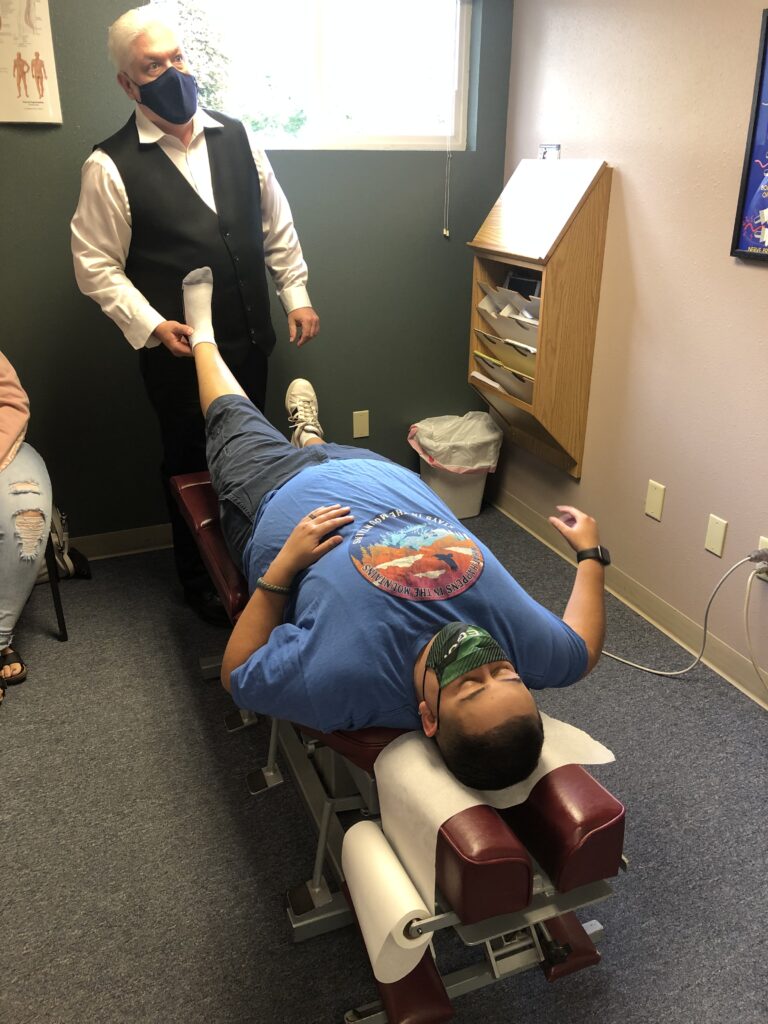

As a local chiropractor, I often hear the question: can routine adjustments really help alleviate ongoing pain, or are they just a temporary solution? It's a valid concern, and it's important to understand that many individuals seek relief from discomfort, yet the effectiveness of chiropractic care can vary based on several factors, including your lifestyle choices and specific health conditions.
Routine adjustments can play a significant role in your overall wellness journey. They are not just quick fixes; when integrated into a comprehensive approach to health, they can lead to lasting relief. It's essential to consider how these adjustments fit into a broader strategy for well-being, which might include exercise, proper nutrition, and stress management.
By exploring the potential benefits of chiropractic care alongside other healthy practices, you may discover a more sustainable solution to managing pain. It's not solely about the adjustments themselves, but how they contribute to your overall health and vitality. Together, we can work towards a healthier, pain-free life!
Understanding Ongoing Pain
As a local chiropractor, I want to shed some light on the impact of ongoing pain and how understanding it can lead to effective relief. Many of my patients come in feeling frustrated because their pain disrupts their daily lives, making it hard to enjoy activities they once loved. Ongoing pain can arise from various sources, such as injuries, chronic conditions, or even emotional stress.
Recognizing the type of pain you're experiencing—whether it's sharp, dull, or throbbing—is crucial in seeking the right treatment. Your body has its own way of signaling when something is wrong. For example, acute pain often serves as a warning for potential injury, while chronic pain may linger long after the original issue has been addressed.
Understanding this difference can significantly influence how we approach your treatment in our practice. If you've been enduring pain for a while, it's helpful to notice any patterns or triggers. I encourage my patients to keep a pain journal, noting when the pain occurs, its intensity, and any activities that seem to exacerbate it.
It's also important to consider the psychological aspects of pain. Stress, anxiety, and depression can intensify your perception of discomfort, creating a cycle that can be difficult to break. Acknowledging these emotional components is essential as it can lead to a more comprehensive management plan, which may include chiropractic adjustments, lifestyle changes, and other natural healing methods.
You aren't alone in facing these challenges; many individuals encounter similar struggles. By taking proactive steps to understand your pain, you can empower yourself to explore effective solutions.
Whether through chiropractic care, lifestyle adjustments, or alternative therapies, grasping the nature of your ongoing pain is the first step toward making informed decisions that can lead you back to a life filled with the activities you cherish. Let's work together to find the best path toward your relief and well-being.
Impact of Lifestyle Changes
As a local chiropractor, I want to share how making conscious lifestyle changes can significantly alleviate your pain and enhance your overall well-being. Many of my patients are surprised to learn just how much their daily habits impact both their physical and mental health.
By focusing on key areas like nutrition, exercise, sleep, and stress management, you can create a more balanced and healthier life that may help ease discomfort.
Let's start with your diet. Incorporating anti-inflammatory foods—think fresh fruits, vibrant vegetables, whole grains, and healthy fats—can play a crucial role in reducing pain. On the other hand, it's wise to steer clear of processed foods and excessive sugar, which can inflame the body further.
Staying hydrated is also vital; drinking enough water not only supports your overall bodily functions but can also help reduce muscle cramps and fatigue.
Next, let's discuss your activity levels. Regular, low-impact exercises, such as walking or swimming, are excellent for keeping your joints flexible and strengthening your muscles. I recommend aiming for at least 150 minutes of moderate aerobic activity each week.
Don't forget the importance of stretching, as it can improve flexibility and help relieve tension.
Sleep is another essential aspect of managing pain. Prioritizing quality sleep is crucial, so try to establish a consistent sleep schedule and create a calming bedtime routine. A well-rested body is far more capable of managing stress and discomfort.
Speaking of stress, effectively managing it can have a profound effect on your pain levels. Techniques such as meditation, deep breathing exercises, and yoga can help you stay centered and diminish pain perception.
By integrating these lifestyle changes into your routine, many of my patients have noticed improvements not only in their pain levels but also in their overall quality of life.
As your chiropractor, I'm here to support you on this journey to better health through natural healing.
Role of Physical Therapy
As a local chiropractor, I want to emphasize how chiropractic care can play a vital role in managing pain and facilitating recovery, often working hand in hand with the lifestyle changes we've discussed. When you seek chiropractic treatment, you're not just addressing the symptoms of your discomfort; you're targeting the root causes that contribute to your pain.
A qualified chiropractor will conduct a thorough assessment of your condition, identify specific movement patterns or misalignments that may be causing distress, and develop a personalized treatment plan designed to enhance your strength and mobility.
Through various techniques, including spinal adjustments, manual therapy, and patient education, chiropractors empower you to take charge of your healing journey. You'll learn effective exercises to strengthen key muscle groups, improve your flexibility, and enhance your overall functionality. By actively participating in your treatment sessions, you open the door to significant improvements in your everyday life.
Chiropractic care also focuses on promoting better body mechanics and posture. By making these adjustments, you can prevent future injuries and lower the chances of experiencing recurring pain. Your chiropractor may provide guidance on ergonomic practices for your workplace or home, helping you maintain a healthy posture throughout your daily activities.
One of the key advantages of chiropractic care is its emphasis on pain relief without relying on medications. Many individuals discover that they can decrease their dependence on painkillers by engaging in a regular chiropractic regimen.
Ultimately, the combination of precise adjustments, tailored exercises, and supportive care can lead to lasting changes in your body, guiding you toward a pain-free and healthier life.
Alternative Therapies for Relief
As a local chiropractor, I want to share how exploring alternative therapies can be a game-changer for your pain relief and overall wellness. Many patients come to me seeking solutions beyond just medication, and options like chiropractic care, acupuncture, and massage therapy can provide the relief you're looking for by addressing the root causes of discomfort rather than merely masking symptoms.
Chiropractic care is a holistic approach that focuses on the alignment of your spine and overall musculoskeletal health. Misalignments, or subluxations, can lead to ongoing pain and discomfort. Through gentle, manual adjustments, we can help restore proper alignment, allowing your nervous system to function optimally. This can lead to reduced pain, improved mobility, and an overall sense of well-being.
Acupuncture is another complementary therapy that I often recommend. It involves placing thin needles at specific points on the body to stimulate the release of endorphins, which can alleviate pain and enhance your mood. Many patients report feeling a sense of relaxation and balance after just a few sessions, making it an excellent addition to chiropractic care.
Massage therapy is also a fantastic way to relieve tension and stress. Whether you prefer deep tissue, Swedish, or trigger point techniques, massage can help with muscle recovery, improve circulation, and promote relaxation. Regular sessions may not only provide immediate relief but also contribute to long-term wellness.
Additionally, don't underestimate the power of holistic practices like yoga and mindfulness meditation. These techniques can strengthen your mind-body connection, helping you manage pain and stress more effectively. By incorporating these alternative therapies into your wellness routine, you may find the relief and balance you've been seeking.
If you're curious about how chiropractic care and these other therapies can work together to enhance your health, I invite you to reach out. Let's explore the best options for your individual needs!
Success Stories and Insights
As a local chiropractor, I've had the privilege of witnessing remarkable transformations in my patients' lives through chiropractic care and alternative therapies. You might be curious about how this is achievable. Let me share some inspiring success stories that demonstrate the incredible benefits of routine adjustments.
Consider Sarah, for instance. After enduring chronic back pain for years, she decided to explore chiropractic care. Initially, she'd her doubts, but she committed to a consistent adjustment schedule. Within just a few weeks, she experienced a significant reduction in her pain and an improvement in her overall mobility.
Today, Sarah not only enjoys her daily activities but has also taken up yoga classes—a feat she once thought was impossible.
Then there's John, who battled migraines for a long time. He discovered that regular adjustments greatly reduced both the frequency and intensity of his headaches. With ongoing care, John regained control over his life, decreasing his dependence on medication.
Now, he can enjoy outings with friends without the constant worry of a migraine.
These stories illustrate a crucial principle: commitment to the chiropractic process. When you choose to engage in regular adjustments, you're not merely addressing symptoms; you're making a valuable investment in your long-term health.
Many of my patients report not only physical improvements but also a boost in mental well-being. They feel empowered and inspired to embrace healthier lifestyles.
If you're unfamiliar with chiropractic care, I encourage you to consider how it can positively impact your life. The journey to better health starts here, and I'm here to guide you every step of the way.
Conclusion
As a local chiropractor, I want to share how routine adjustments can significantly change your experience with ongoing pain. When we focus on your spine and nervous system, we're not just masking your symptoms; we're getting to the heart of the matter. By addressing the underlying causes of your discomfort, we can help you find lasting relief.
In addition to adjustments, I encourage you to embrace certain lifestyle changes, explore physical therapy, and consider alternative therapies. These approaches can further support your healing journey and enhance your overall well-being. As you begin to notice improvements, you may find yourself feeling more confident in your body's ability to function optimally. This newfound confidence can reduce your reliance on medications and empower you to engage fully in life. Remember, chiropractic care is about fostering your body's natural healing processes, and I'm here to guide you every step of the way.