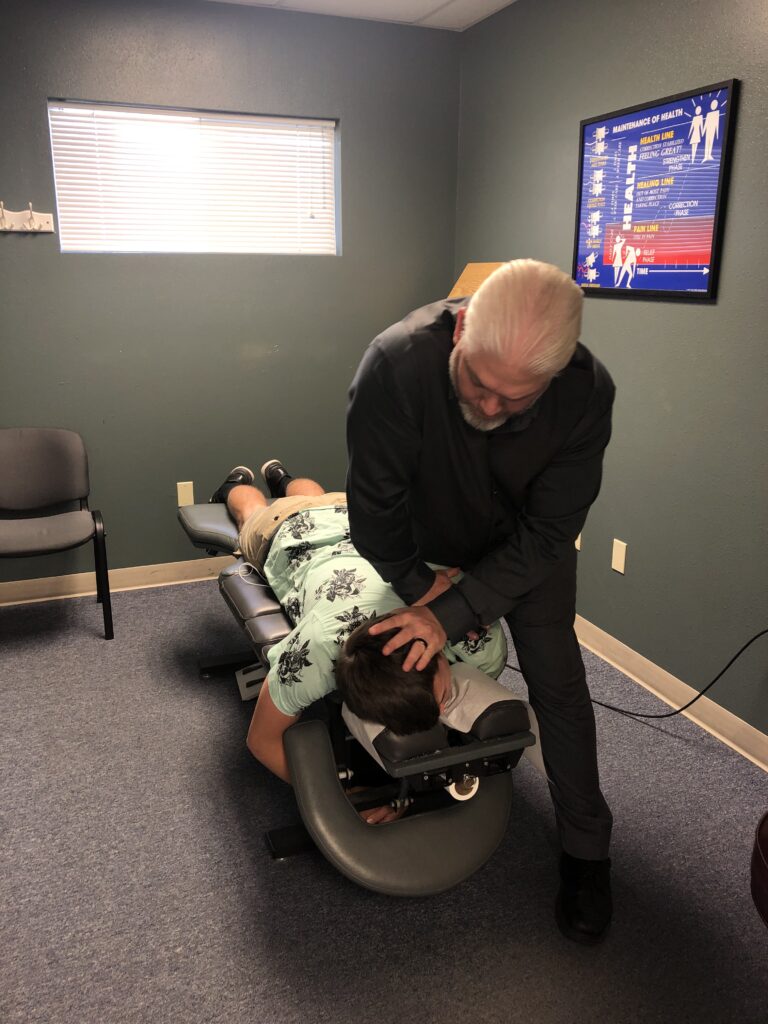

As a local chiropractor, I understand that chronic back pain can be an incredibly frustrating and debilitating issue for many of you. It often arises from a combination of factors such as poor posture, sedentary lifestyles, or even injuries. My goal is to help you understand these underlying causes and empower you to take control of your pain management.
By making some simple adjustments to your daily habits, especially in your workspace, you can significantly alleviate discomfort. For instance, ensuring that your chair supports your lower back and that your computer screen is at eye level can make a huge difference. Additionally, incorporating regular movement and stretching into your routine is vital for keeping your spine healthy.
I also encourage you to explore alternative therapies alongside chiropractic care. Techniques such as massage therapy, acupuncture, or yoga can complement our treatments and enhance your healing process. Together, we can work on a personalized plan that suits your needs and helps you see real improvements in your daily life.
Remember, you don’t have to live with chronic back pain. Let’s take these steps together towards a healthier, pain-free future.
Understand the Causes of Your Back Pain
As a local chiropractor, I want to help you understand the underlying causes of your back pain so you can find effective relief. Back pain can arise from many factors, such as muscle strain, herniated discs, or even conditions like arthritis.
I encourage you to reflect on your daily habits—do you often lift heavy objects in a way that strains your back, or do you spend long hours sitting without proper support? These common practices can significantly contribute to your discomfort.
It’s also important to recognize that emotional stress can lead to muscle tension and exacerbate pain. Have you noticed how stress affects your body? Acknowledging this connection is crucial, as it allows you to address both the physical and emotional aspects of your pain.
Listen to your body’s signals. If certain movements or activities trigger your pain, take note of them. Identifying these patterns can help you make informed decisions and implement lifestyle changes that will benefit your overall well-being.
Maintain Proper Posture
As a local chiropractor, I want to emphasize the importance of maintaining proper posture for both preventing and alleviating back pain. Many people are unaware that simple adjustments to their daily habits can significantly impact their overall well-being.
Start by creating an ergonomic workspace tailored to support your body’s natural alignment. This means ensuring your chair, desk, and computer setup work together to promote good posture.
Remember, it’s not just about how you sit; it’s also about how you stand and move throughout the day.
I encourage you to regularly check in with your posture, making small adjustments as needed. These mindful changes can lead to a remarkable improvement in how you feel.
If you’re experiencing ongoing discomfort, consider visiting a chiropractor, who can provide personalized guidance and natural healing techniques to support your journey toward better health.
Ergonomic Workspace Setup
As a local chiropractor, I want to emphasize the importance of creating an ergonomic workspace to help alleviate chronic back pain and promote overall wellness. Many individuals are unaware that their work environment can significantly impact their posture and health.
To start, ensure that your chair is adjusted so your feet rest flat on the floor, and your knees are at a 90-degree angle. This simple adjustment can help support your spine and reduce strain on your back. Additionally, it’s crucial that your back is fully supported, preferably with lumbar support, to maintain the natural curve of your spine.
Your computer monitor should be positioned at eye level, about an arm’s length away. This placement helps prevent neck strain, which is a common issue among those who spend long hours at a desk.
When it comes to your keyboard and mouse, choose options that allow your wrists to remain straight and relaxed, avoiding unnecessary tension. Remember to keep your elbows close to your body and at a 90-degree angle while typing. This helps to further alleviate stress on your shoulders and neck.
Lastly, take a moment to declutter your workspace. A tidy environment can contribute to a more comfortable and efficient workflow.
By implementing these ergonomic adjustments, you can make a significant difference in your posture and overall comfort, ultimately supporting your journey toward better health and well-being.
If you have any questions or would like more personalized advice, feel free to reach out to discuss how chiropractic care can complement your efforts.
Daily Posture Checks
As a chiropractor dedicated to promoting natural healing and overall well-being, I want to emphasize the importance of maintaining proper posture, even in an ergonomic workspace.
It’s surprisingly easy to develop poor posture habits throughout the day, which can lead to discomfort and long-term issues. To help you cultivate better posture, I recommend incorporating daily posture checks into your routine.
Here are four simple tips:
- Set reminders: Consider using alarms on your phone or computer to remind you to check your posture every hour. This small habit can make a big difference in how you feel.
- Adjust your chair: Make sure your chair is adjusted so that your feet are flat on the ground and your back is fully supported. Proper alignment starts from the ground up.
- Align your screen: Position your monitor at eye level. This will help you avoid straining your neck, which is a common issue I see in my practice.
- Engage your core: Strengthening your abdominal muscles is crucial for supporting your spine. Simple core exercises can significantly enhance your posture and overall spinal health.
By following these tips, you can improve your posture and contribute to your overall health.
Remember, maintaining good posture isn’t just about aesthetics; it’s about taking care of your body and preventing future discomfort.
If you have any questions or need personalized advice, feel free to reach out!
Incorporate Regular Exercise
As a local chiropractor, I want to emphasize how vital it’s to incorporate regular exercise into your routine, especially for managing chronic back pain.
Starting with low-impact activities can be incredibly beneficial as they help protect your joints while simultaneously building strength. It’s important to focus on strengthening your core, as a strong core supports your spine and can alleviate pain.
Additionally, make sure to include regular stretching in your regimen; this not only improves flexibility but also enhances your overall spinal health.
Choose Low-Impact Activities
As a local chiropractor, I often see patients who are struggling with chronic back pain and are looking for effective ways to stay active while minimizing discomfort.
One of the best approaches is to engage in low-impact activities that can help alleviate pain and promote healing without stressing your joints or spine. Here are some excellent options to consider:
- Walking: This is a straightforward and effective way to enhance circulation and build strength in your muscles. It’s gentle on your back and can easily be incorporated into your daily routine.
- Swimming: A fantastic low-impact workout, swimming provides a full-body experience without any strain on your back. The buoyancy of the water supports your body, allowing you to exercise comfortably.
- Cycling: Whether on a stationary bike or outdoors, cycling is a great way to boost your cardiovascular health while being easy on your spine. It helps strengthen your legs and core without excessive impact.
- Yoga: Many gentle yoga poses focus on increasing flexibility and promoting relaxation. These movements can help relieve tension in your back and improve your overall well-being.
Incorporating these low-impact activities into your lifestyle can make a significant difference in managing your pain and enhancing your quality of life.
Focus on Core Strength
As a local chiropractor, I want to emphasize the importance of focusing on core strength, especially if you’re dealing with chronic back pain. A strong core acts as a supportive foundation for your spine, which can significantly reduce the strain on your back muscles.
Incorporating regular exercises such as planks, bridges, and abdominal crunches into your routine can help build this essential strength. I recommend aiming for at least two to three sessions a week, gradually increasing the intensity as you feel more comfortable.
It’s crucial to maintain proper form during these exercises to prevent injury, so take your time to learn the correct techniques. You might also consider adding stability ball exercises to your regimen, as these can enhance your balance and engage your core even further.
As your core strength improves, you may notice better posture and reduced discomfort in your back. If you’re unsure where to start or how to tailor an exercise program to suit your specific needs, don’t hesitate to reach out to a fitness professional or consult with me.
Strengthening your core can truly be a game changer in managing chronic back pain and promoting overall well-being. Remember, natural healing is a journey, and I’m here to support you every step of the way.
Stretch Regularly for Flexibility
As a local chiropractor, I often emphasize the importance of regular stretching for improving flexibility, which plays a crucial role in alleviating chronic back pain.
Many of my patients are unaware that incorporating simple stretches into their daily routine can significantly reduce tension and enhance overall mobility.
Here are four effective stretches I recommend to my patients:
- Cat-Cow Stretch: This dynamic movement helps to warm up your spine and relieve back stiffness. It’s an excellent way to prepare your body for more intense activities.
- Child’s Pose: This gentle stretch is particularly beneficial for relaxing the lower back and promoting a sense of tranquility. It’s a great way to unwind after a long day.
- Seated Forward Bend: By targeting the hamstrings and lower back, this stretch can help improve flexibility and reduce tightness in these areas.
- Knees-to-Chest Stretch: This simple yet effective stretch can alleviate tension in your lower back and hips, providing a soothing release.
I recommend holding each stretch for at least 20-30 seconds while paying attention to your body’s signals to prevent overexertion.
Regular stretching can be a vital part of your journey towards better health and well-being.
Stretch and Strengthen Your Core
As your local chiropractor, I want to emphasize the importance of strengthening your core for both pain relief and overall health. A strong core is crucial for supporting your spine, which can significantly reduce chronic back pain and prevent future injuries.
To help you achieve this, I recommend incorporating simple exercises such as planks, bridges, and abdominal crunches into your weekly routine. These exercises effectively target the muscles surrounding your abdomen, back, and hips, creating a solid foundation for your body.
When starting, focus on low-intensity exercises and gradually increase the difficulty as your strength improves. Aim for 2-3 sessions each week, ensuring you allow your muscles adequate time to recover between workouts. It’s also essential to engage your core during everyday activities—such as sitting or lifting—to promote good posture and further support your spine.
In addition to strengthening exercises, it’s equally important to stretch your core muscles. Practices like yoga and Pilates provide excellent routines that enhance flexibility while also challenging your stability.
Striking a balance between strength and flexibility won’t only help alleviate pain but also enhance your overall physical performance.
Apply Heat and Cold Therapy
As a local chiropractor, I want to share some valuable insights on managing back pain through heat and cold therapy. These methods can truly make a difference in your recovery journey.
Heat therapy is a fantastic way to relax your muscles and promote better circulation in the affected areas. When you apply heat, it helps to alleviate tension and stiffness, making it easier for you to move and perform daily activities.
On the other hand, cold therapy is particularly effective for reducing inflammation and numbing sharp pain. If you’re experiencing acute discomfort or swelling, using cold compresses can provide quick relief and help prevent further injury.
By understanding the benefits of both heat and cold therapy, you can make an informed decision about which method might be best for your specific situation.
Incorporating these natural healing techniques into your routine can aid in your recovery and enhance your overall well-being.
Benefits of Heat Therapy
As a local chiropractor, I often encounter patients seeking relief from chronic back pain. While there are various treatment options available, I want to highlight the remarkable benefits of heat therapy, a simple yet effective method that can greatly enhance your healing process.
- Increases Blood Flow: Applying heat to the affected area promotes circulation. This boost in blood flow delivers essential nutrients and oxygen to your muscles and tissues, aiding in recovery and reducing pain.
- Relaxes Tense Muscles: Heat therapy works wonders to alleviate muscle tension. The warmth penetrates deep into your muscles, providing immediate relief from tightness and soreness, allowing you to feel more comfortable.
- Reduces Stiffness: If you struggle with stiffness in your back, heat therapy can be a valuable tool. It helps improve your flexibility, making it easier for you to move without pain and engage in daily activities.
- Enhances Mood: Beyond physical benefits, the soothing effects of heat can significantly reduce stress and promote relaxation. A calmer mind contributes to your overall well-being and helps in your recovery journey.
As you consider ways to manage your chronic back pain, I encourage you to incorporate heat therapy into your routine. It can be a game-changer in achieving relief and improving your quality of life.
If you have any questions or would like to learn more about how chiropractic care and natural healing can support you, feel free to reach out!
Advantages of Cold Therapy
As a local chiropractor, I want to share with you the significant advantages of cold therapy for managing pain, particularly when it comes to chronic back issues. While many people are familiar with heat therapy, cold therapy is an equally effective method that can provide substantial relief.
Cold therapy is particularly beneficial right after an injury or during a flare-up of pain. When you apply ice packs or cold compresses, they work by constricting blood vessels, which helps to reduce inflammation and numb painful areas. This can lead to a decrease in swelling and muscle spasms, making it easier for you to find comfort.
I recommend applying cold therapy for about 15-20 minutes several times a day to help alleviate your discomfort.
Additionally, you may find that cold therapy can positively impact your mood. By numbing the pain, you may feel more inclined to engage in your daily activities without the burden of discomfort.
Just a quick tip: always wrap the ice in a cloth to protect your skin and allow your body some time to adjust between treatments.
Incorporating cold therapy with other natural healing methods can significantly enhance your overall recovery process. As your chiropractor, I’m here to guide you in finding the best combination of treatments for your individual needs.
Explore Physical Therapy Options
Exploring chiropractic care can be a vital step in effectively managing chronic back pain. Partnering with a knowledgeable chiropractor can help you strengthen your back, enhance flexibility, and alleviate discomfort.
Here are four approaches to consider:
- Spinal Manipulation: This hands-on technique focuses on realigning the spine and joints to relieve tension, improve mobility, and restore balance to the body.
- Customized Exercise Programs: We offer tailored exercise routines designed to boost your strength and endurance, specifically targeting areas of your back that require support and care.
- Posture Correction: Learning proper body mechanics is essential for preventing future pain. We teach you how to maintain a healthy spinal alignment in your daily activities.
- Education and Self-Care Strategies: Our goal is to empower you with knowledge about your condition. We provide practical strategies for managing pain and preventing flare-ups, so you can take an active role in your healing journey.
Consider Alternative Treatments
As a local chiropractor, I want to help you explore various alternative treatments for chronic back pain that can complement your chiropractic care.
One effective option is acupuncture, which involves stimulating specific points in your body to alleviate pain and reduce inflammation. Many of my patients have found relief through this ancient practice.
Massage therapy is another beneficial approach. It promotes relaxation, improves circulation, and helps ease muscle tension, which can be particularly helpful for those experiencing chronic discomfort.
Additionally, consider incorporating herbal remedies into your routine. Natural options like turmeric and devil’s claw have been known to provide relief from pain for some individuals.
Practices such as yoga and tai chi are also excellent choices. They emphasize gentle movement and stretching, which can enhance your flexibility and strength while supporting your overall well-being.
Let’s not forget the value of heat and cold therapy. Applying heat can help soothe tight muscles, while cold packs are effective in minimizing swelling and numbing sharp pain.
Before trying any new treatment, it’s essential to consult with me or another healthcare professional to ensure these options are suitable for your specific situation.
Together, we can create a comprehensive plan to help you manage your chronic back pain effectively.
Practice Mindfulness and Relaxation Techniques
As a local chiropractor, I understand that managing chronic back pain can be challenging. One effective approach to alleviating discomfort is through practicing mindfulness and relaxation techniques. By focusing on the present moment and reducing stress, many patients experience a significant reduction in pain.
Here are four techniques I encourage you to explore:
- Deep Breathing: Start by taking slow, deep breaths. Inhale through your nose, allowing your abdomen to expand fully, and then exhale gently through your mouth. This technique not only calms your mind but also helps to relax tight muscles, creating a more conducive environment for healing.
- Meditation: I recommend setting aside a few minutes each day for meditation. Find a quiet space, close your eyes, and concentrate on your breathing or repeat a calming mantra. This practice can help clear your mind and enhance your overall sense of well-being.
- Progressive Muscle Relaxation: This technique involves tensing and relaxing each muscle group, starting from your toes and progressing up to your head. By systematically releasing tension from your body, you can help alleviate stress and discomfort that may contribute to back pain.
- Yoga: Incorporating gentle yoga poses into your daily routine can be incredibly beneficial. Yoga enhances flexibility, builds strength, and promotes mental clarity, all of which can aid in relieving back pain and supporting your overall health.
I encourage you to give these techniques a try, as they can complement your chiropractic care and significantly improve your well-being!
Evaluate Your Sleep Environment
As a local chiropractor dedicated to helping you manage chronic back pain, I want to emphasize the importance of creating a comfortable sleep environment. Your mattress plays a crucial role in your overall spinal health. It should provide the right support without sagging. If your mattress is old or doesn’t feel right, it may be time to invest in one that aligns with your sleeping style—whether you prefer sleeping on your back, side, or stomach.
Equally important are your pillows. They should cradle your neck and head, keeping them aligned with your spine. I encourage you to try different types of pillows to discover what offers you the best support and comfort.
Don’t forget about the overall ambiance of your bedroom. A cool, dark, and quiet environment can significantly improve your sleep quality. Consider using blackout curtains to block out light or white noise machines to drown out disruptive sounds.
Lastly, establishing a consistent sleep schedule is beneficial. Going to bed and waking up at the same times each day helps regulate your body’s internal clock.
Consult a Medical Professional
When it comes to managing chronic back pain, visiting a chiropractor can be a vital step toward achieving relief and wellness. You don’t have to face this challenge alone; a skilled chiropractor can provide personalized care and natural healing options tailored to your specific needs.
Here are four reasons why consulting a chiropractor is important for your back health:
- Precise Assessment: We focus on identifying the underlying causes of your pain through comprehensive evaluations, which is essential for effective treatment.
- Customized Treatment Plans: You’ll receive a treatment plan designed for you that may include spinal adjustments, rehabilitative exercises, and lifestyle advice, all aimed at promoting healing without the use of medication.
- Preventative Strategies: A chiropractor can provide you with strategies to prevent future issues and maintain long-term back health, helping you to stay active and pain-free.
- Ongoing Support: Regular visits allow us to monitor your progress and make necessary adjustments to your treatment, ensuring you stay on track towards recovery and improved function.
Don’t hesitate to reach out; receiving expert chiropractic care can significantly enhance your journey towards alleviating chronic back pain naturally.
Conclusion
As a local chiropractor, I’m here to help you understand how you can take control of your chronic back pain and enhance your overall well-being. It’s essential to first assess the underlying causes of your discomfort. Good posture plays a crucial role in your daily life, so I encourage you to be mindful of it. Engaging in regular physical activity, particularly exercises that strengthen your core, can significantly aid in alleviating pain.
Incorporating relaxation techniques into your routine is also vital for your healing process. Additionally, ensuring that your sleep environment is conducive to recovery can make a world of difference. Remember, seeking professional guidance is key; don’t hesitate to reach out for help when you need it. With dedication and the right strategies, you can find relief and restore your comfort. Let’s embark on your journey to a pain-free life together!