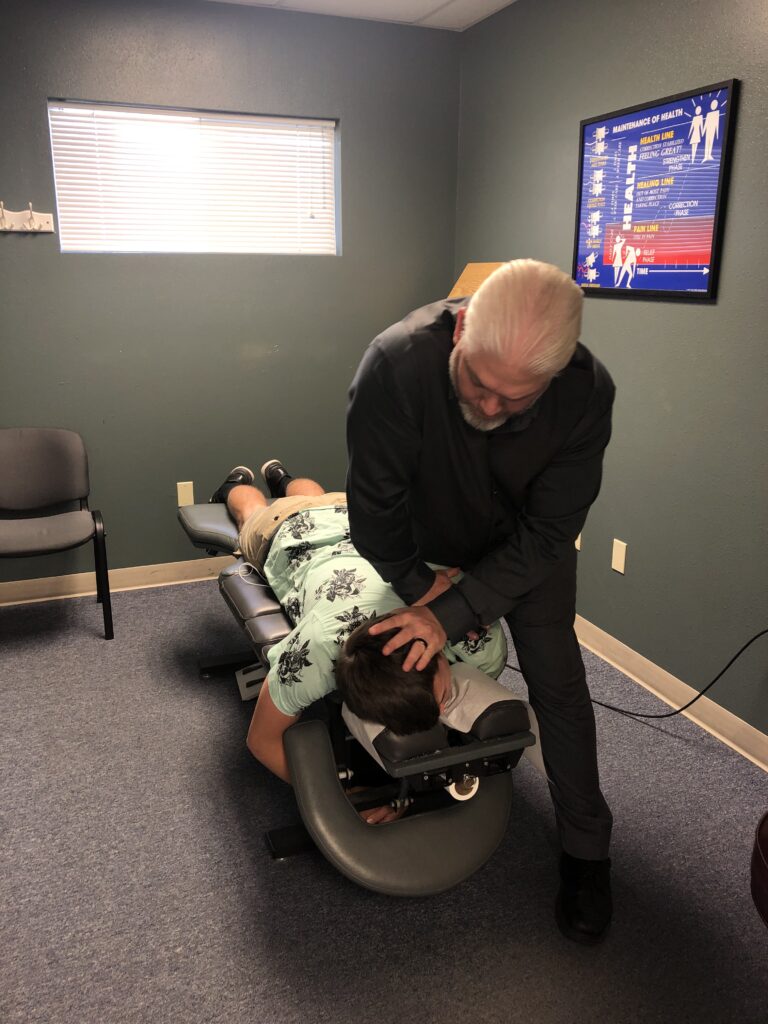

To truly unlock your peak performance, it's essential to start with preventative care, which is where chiropractic care can make a significant difference. It's not merely about training harder; it's about understanding your body and keeping it in optimal condition. Regular chiropractic assessments can help identify potential issues in your musculoskeletal system before they escalate into serious problems.
Moreover, the right nutrition and effective recovery strategies are vital for your overall success, and we can work together to create a personalized plan that fits your needs. Many people are surprised to learn how much their physical alignment and overall health influence their performance in sports.
So, what specific steps can you take to ensure you're not just performing but truly thriving in your sport? Let's explore the benefits of chiropractic care, including improved mobility, reduced pain, and enhanced recovery times, so you can reach your athletic goals with confidence.
Importance of Preventative Care
As a local chiropractor, I want to emphasize the critical role of preventative care, especially for athletes seeking to maintain optimal performance and avoid injuries. Prioritizing this aspect of your training is vital—it can significantly lower the risk of setbacks that could put you on the sidelines for weeks or even months.
Regular check-ups with chiropractic professionals, along with physiotherapists and trainers, can help identify potential issues early on, preventing them from developing into serious injuries.
Incorporating preventative measures into your routine goes beyond just avoiding injuries; it's about enhancing your overall performance. By focusing on strengthening your muscles, improving your flexibility, and boosting your overall fitness, you can experience a tangible increase in your capabilities. This comprehensive approach ensures that you aren't merely pushing your limits but doing so in a sustainable and healthy way.
Moreover, establishing a structured warm-up and cool-down routine is crucial. These practices prepare your body for the demands of training or competition, which helps reduce the likelihood of strains and sprains.
It's also essential to recognize the importance of rest and recovery. Your body requires time to heal and adapt, and overlooking this can lead to overuse injuries that can impede your progress.
Ultimately, taking a proactive stance on preventative care empowers you as an athlete. Instead of simply reacting to injuries, you can take charge of your health and performance.
Nutrition and Hydration Strategies
As a local chiropractor, I want to emphasize the vital role that nutrition and hydration play in your overall health and wellness, especially if you're looking to enhance your physical performance and recovery.
Just like spinal alignment and posture are crucial for your body's function, the nutrients you intake and your hydration levels significantly impact your well-being.
To support your body effectively, it's important to maintain a balanced diet that includes an adequate mix of carbohydrates, proteins, and healthy fats.
Carbohydrates serve as your main source of energy, so think about incorporating whole grains, fruits, and vegetables into your meals.
Proteins are essential for muscle repair and recovery, so lean meats, fish, beans, and legumes should be staples in your diet.
Don't overlook healthy fats; foods like avocados, nuts, and olive oil are important for overall health as they provide essential fatty acids.
Equally important is staying hydrated.
Dehydration can lead to fatigue, decreased performance, and even increase the risk of injury.
I encourage you to make it a habit to drink water consistently throughout the day—not just during your workouts.
A good rule of thumb is to aim for at least half your body weight in ounces of water each day, with an increase during periods of intense exercise or competition.
Including electrolyte-rich drinks can also be beneficial after prolonged physical activity.
Moreover, timing your nutrition can significantly impact your recovery and performance.
Eating a meal rich in carbohydrates and protein within 30-60 minutes after exercising can enhance your recovery.
Additionally, consider having pre-workout snacks, such as bananas or energy bars, to give you the necessary fuel for your training sessions.
By prioritizing proper nutrition and hydration, you're not only setting yourself up for improved performance but also supporting your long-term health and recovery.
Physical Assessments and Monitoring
Regular physical assessments are vital for optimizing your overall health and preventing injuries, especially for those engaged in athletic activities. As a chiropractor, I emphasize the importance of routinely evaluating your physical condition to identify both strengths and areas for improvement. This can lead to a more effective training program tailored specifically to your needs. Assessments can include flexibility tests, strength evaluations, and cardiovascular fitness analyses, providing you with valuable insights into your body's capabilities and limitations.
Monitoring your progress is equally essential. Keeping track of your performance metrics—such as speed, endurance, and power—allows you to see how well you're advancing over time. I recommend using tools like heart rate monitors, GPS trackers, or mobile apps to log your workouts and assess your recovery. This data empowers you to make informed decisions about your training intensity and volume, ensuring you stay on the right path.
Don't underestimate the importance of functional movement screenings. These assessments can help identify any biomechanical inefficiencies or imbalances, which are potential red flags for injuries. By addressing these issues early, you can incorporate corrective exercises into your routine or seek guidance from a coach or therapist who understands your specific needs.
Additionally, I encourage open communication and feedback. Regular check-ins with healthcare professionals, including chiropractors, can provide you with an external perspective on your performance and overall health. We can help you adjust your training plan based on your assessment results and health goals.
Incorporating physical assessments and consistent monitoring into your routine lays the groundwork for long-term health and athletic success. By being proactive, you not only enhance your performance but also reduce your risk of injury, allowing you to engage in your favorite activities with confidence and longevity.
Recovery Techniques and Practices
As a local chiropractor dedicated to your overall well-being, I want to emphasize the importance of effective recovery techniques and practices to help you maintain peak performance and avoid burnout, especially after pushing your limits during training or competition.
First and foremost, hydration should be your priority. After intense workouts, replenishing the fluids lost is crucial for your muscle recovery. Staying well-hydrated supports your body's natural healing processes.
Don't overlook the significance of sleep, either. Aim for 7-9 hours of quality sleep each night. This is when your body repairs and rejuvenates itself, allowing you to recover fully and feel your best.
Incorporating active recovery into your routine is also beneficial. Low-intensity activities such as walking, cycling, or swimming can improve blood circulation and help accelerate muscle recovery.
Additionally, stretching and mobility exercises are fundamental in enhancing flexibility, reducing stiffness, and promoting a full range of motion, which can prevent injuries in the long run.
I also encourage you to consider techniques like foam rolling or massage therapy. These practices can alleviate muscle tension and soreness, enabling you to bounce back more quickly.
If you're open to it, contrast baths or ice baths can also be effective for reducing inflammation and speeding up recovery time.
Nutrition plays an essential role in your recovery journey. Focus on a balanced diet filled with lean proteins, healthy fats, and complex carbohydrates.
Consuming a post-workout meal or snack within 30 minutes of your session will help replenish glycogen stores and support muscle repair.
Finally, it's vital to listen to your body. If you're feeling fatigued or sore, don't hesitate to take a rest day or adjust your training intensity.
By implementing these recovery techniques, you can maintain optimal health and be ready to tackle your next challenge with confidence.
Mental Wellness for Athletes
As a local chiropractor, I understand that mental wellness is just as crucial as physical health, especially for athletes. Your mental state plays a significant role in how you train, compete, and recover. Focusing on mental wellness can enhance your concentration, alleviate anxiety, and ultimately improve your overall performance.
One effective approach to enhance your mental wellness is through mindfulness practices. Techniques such as meditation, deep breathing, and visualization can help you stay present and focused during both training and competition. Dedicating just a few minutes each day to these practices can significantly enhance your mental clarity and emotional strength.
Another vital component of mental wellness is building a solid support network. Surround yourself with supportive coaches, teammates, and friends who uplift you. Engaging in open discussions about mental health can help eliminate stigma and create a safe space for you to share your challenges and seek assistance when needed.
Setting realistic and attainable goals is also essential for maintaining mental wellness. Breaking down your long-term ambitions into smaller, manageable milestones can help you stay motivated and prevent feelings of being overwhelmed. Celebrating these small achievements can boost your morale and keep you on track.
Finally, it's important to recognize the value of rest and recovery—not only physically but also mentally. Allow yourself time to relax, engage in hobbies, or simply step away from your sport. This balance is vital to recharging your mind and keeping your motivation high.
As your chiropractor, I'm here to support you in achieving both physical and mental wellness through natural healing techniques, so you can perform your best in every aspect of your athletic journey.
Conclusion
As a local chiropractor, I want to emphasize the importance of preventative care for athletes, which can help you reach your peak performance while reducing the risk of injuries. Regular chiropractic adjustments and physical assessments can significantly improve your mobility and alignment, allowing you to perform at your best. Along with chiropractic care, proper nutrition and effective recovery techniques are vital for maintaining your athletic edge.
It's also crucial to consider your mental wellness; a positive mindset is essential for your overall journey in sports. By incorporating these natural healing practices into your routine, you can excel in your chosen sport and enjoy a long, successful athletic career. Take the first step by scheduling a visit with me today, and let's work together to enhance your performance and well-being!