
If you're grappling with back pain, you might be surprised to know there are effective non-invasive solutions available. Physical therapy can strengthen your core and improve flexibility, while chiropractic care focuses on spinal adjustments to alleviate nerve pressure. Additionally, incorporating mindfulness techniques can help manage stress and tension. These approaches not only target your pain but also enhance your overall well-being. Curious about how each method works and which might be best for you? Let's explore these options further.
Physical Therapy
When it comes to tackling back pain, physical therapy often stands out as a go-to solution. You might be surprised by how effective targeted exercises and stretches can be in alleviating discomfort. A physical therapist will assess your condition, focusing on your specific needs and limitations. This personalized approach guarantees you get the most out of your sessions.
During your therapy, you'll engage in various exercises designed to strengthen your core, improve flexibility, and enhance your posture. These exercises not only reduce pain but also help prevent future issues by addressing the root causes. You'll learn how to move correctly, which can greatly impact your daily activities, whether it's lifting something heavy or simply sitting at your desk.
Another essential aspect of physical therapy is education. Your therapist will teach you about your body mechanics and how to manage pain effectively. You'll discover techniques to incorporate into your routine, making it easier to maintain progress outside of the therapy sessions.
Moreover, physical therapy often includes modalities like heat, ice, or electrical stimulation. These treatments can provide immediate relief and enhance the effectiveness of your exercises.
Chiropractic Care
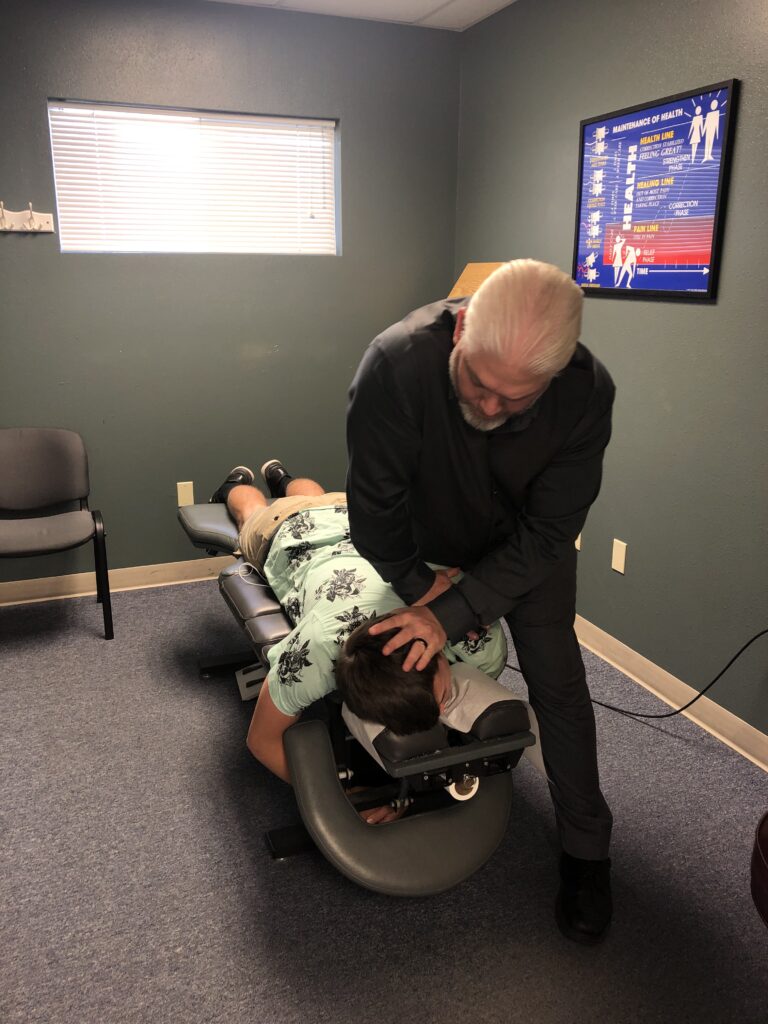
Seeking relief from back pain? Chiropractic care might be just what you need. This hands-on approach focuses on diagnosing and treating musculoskeletal disorders, particularly those affecting your spine. Chiropractors use various techniques to manipulate your spine and other joints, aiming to restore proper alignment and improve mobility.
When you visit a chiropractor, they'll typically start with a thorough assessment of your condition. They'll ask about your symptoms and medical history, and may perform physical examinations or imaging tests. Once they understand your specific issues, they'll create a tailored treatment plan that may include spinal adjustments, soft tissue therapy, and ergonomic advice.
Spinal adjustments are the cornerstone of chiropractic care. These precise manipulations can relieve pressure on nerves, reduce inflammation, and promote overall wellness. Many patients experience immediate relief from pain after just one session, while others may need multiple visits to achieve their desired results.
In addition to adjustments, chiropractors often provide lifestyle recommendations that can aid in your recovery. These might include exercises to strengthen your back, stretching routines to enhance flexibility, and tips for maintaining good posture.
Chiropractic care not only addresses your back pain but also encourages a holistic approach to overall health. By focusing on the spine and its connection to the nervous system, you're taking a proactive step toward long-term wellness.
If you're struggling with back pain, consider reaching out to a chiropractor to explore how this non-invasive solution can help you reclaim your life.
Mindfulness and Relaxation Techniques
Addressing back pain involves more than just physical treatments; incorporating mindfulness and relaxation techniques can greatly enhance your recovery process. These practices help you manage stress, reduce tension in your body, and improve your overall well-being. When you're mindful, you become more aware of your body and its signals, allowing you to address discomfort before it escalates.
One effective technique is deep breathing. By focusing on your breath, you can calm your mind and release muscle tension. Try finding a quiet space, sitting comfortably, and inhaling deeply through your nose, allowing your abdomen to expand. Hold for a moment, then exhale slowly through your mouth. Repeat this for several minutes, and you'll likely feel a significant reduction in tension.
Another beneficial practice is meditation. Set aside a few minutes daily to sit in silence, focusing on your breath or a calming mantra. This can help you cultivate a sense of inner peace, which in turn can alleviate pain.
Progressive muscle relaxation is also worth exploring. This involves tensing and then relaxing different muscle groups, helping you become more aware of where you're holding tension.
Lastly, don't underestimate the power of yoga. Gentle stretches can improve flexibility and strength, while the mindful aspect of yoga encourages a deeper connection to your body.
Conclusion
Incorporating physical therapy, chiropractic care, and mindfulness techniques into your routine can greatly alleviate back pain and improve your overall well-being. By strengthening your core, realigning your spine, and managing stress, you're not just addressing the symptoms but also tackling the root causes of discomfort. Embrace these non-invasive solutions and take proactive steps toward a pain-free life. Remember, consistency is key, so commit to your chosen methods and watch your back health improve.