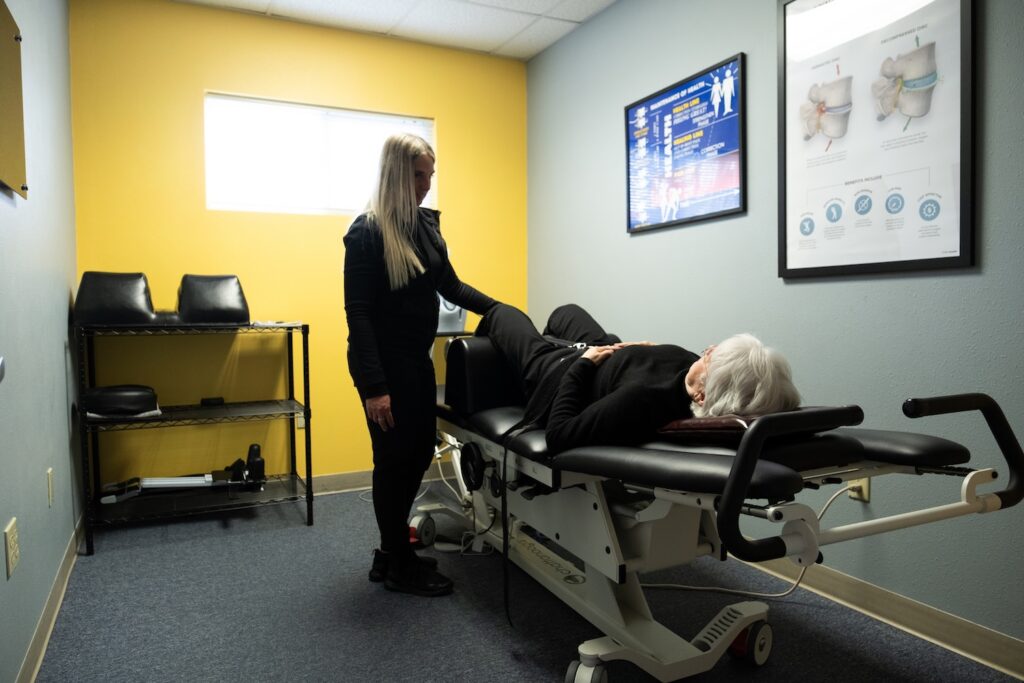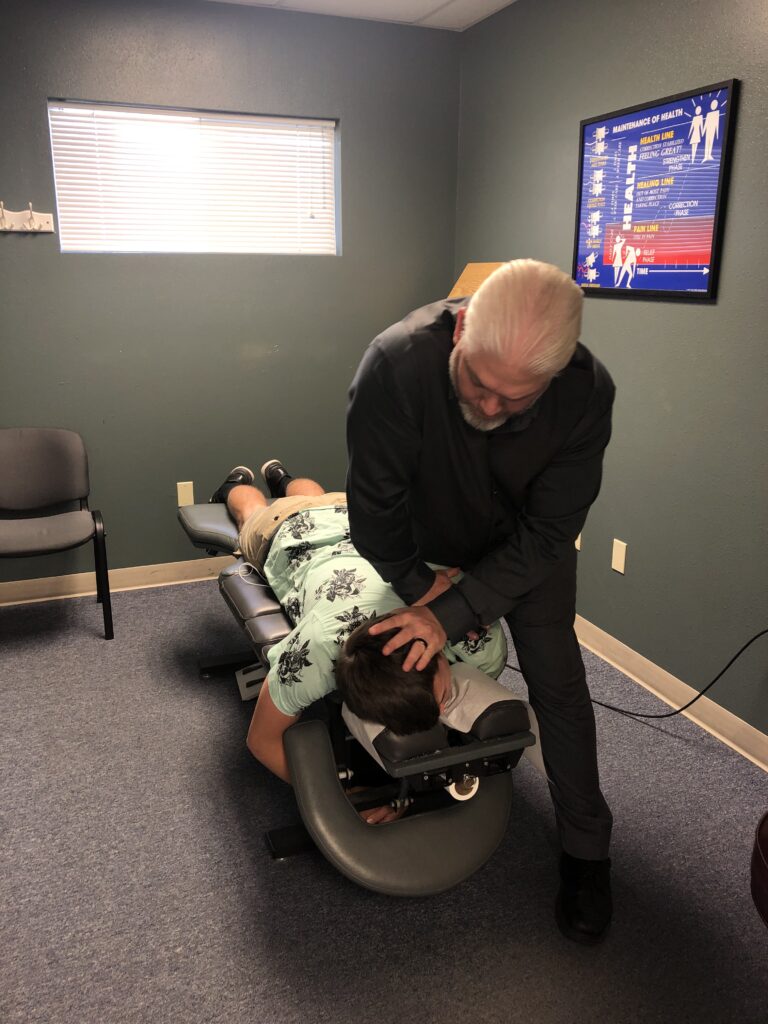

If you're an athlete, you might wonder how chiropractors can enhance your recovery process. They offer a range of effective methods that not only alleviate pain but also improve your overall performance. From enhancing mobility to customizing rehabilitation plans, their approach is tailored to your specific needs. By addressing posture and circulation, they can help you recover more efficiently. Curious about the specific strategies that make a difference? Let's explore the seven best ways chiropractors contribute to athletic recovery.
Enhanced Mobility
Enhanced mobility is essential for athletes looking to optimize their performance and recovery. When you focus on improving your range of motion, you'll notice significant benefits in how you train and compete. By increasing flexibility and joint mobility, you not only enhance your athletic performance but also reduce the risk of injuries that could sideline you.
Chiropractors play a key role in helping you achieve enhanced mobility. They use various techniques like spinal adjustments, soft tissue therapy, and targeted exercises that specifically address your needs. These methods help realign your spine, improve joint function, and reduce muscle tension, allowing you to move more freely. You might find that incorporating regular chiropractic sessions into your routine leads to greater ease in your movements—whether you're sprinting down the track or executing a perfect lift.
Additionally, chiropractors emphasize the importance of proper biomechanics. They can identify and correct movement patterns that may be limiting your mobility. By addressing these issues, you'll develop a more efficient movement strategy, ultimately leading to improved athletic performance.
Moreover, enhanced mobility doesn't just benefit your athletic endeavors; it also aids in your recovery process. With increased range of motion, your body can recover more effectively from strenuous training sessions or competitions.
Pain Relief Techniques
Chiropractors offer a variety of pain relief techniques that can be incredibly beneficial for athletes dealing with discomfort or injuries. These techniques focus on alleviating pain and promoting healing, allowing you to get back to your sport faster and with greater comfort.
One common method is spinal manipulation, which involves adjusting the spine and other joints to restore proper alignment. This not only reduces pain but also enhances overall function.
You might also benefit from soft tissue therapies, like massage, which can relieve muscle tension and promote blood flow to injured areas.
In addition, chiropractors often use modalities such as electrical stimulation or ultrasound therapy. These treatments help manage pain and inflammation by targeting the affected tissues directly.
You may find that these techniques speed up recovery by reducing muscle spasms and enhancing circulation.
Another valuable technique is active release therapy (ART), which focuses on breaking down scar tissue and adhesions in muscles and fascia. By targeting specific areas, ART can considerably reduce pain and improve mobility, making it easier for you to return to your athletic activities.
Finally, chiropractors may recommend specific stretching and strengthening exercises tailored to your needs. These can help alleviate pain and prevent future injuries by addressing underlying issues in muscle function and movement patterns.
Injury Prevention Strategies
Injury prevention is crucial for athletes looking to maintain peak performance and avoid setbacks. One effective strategy is to incorporate regular chiropractic assessments into your training routine. Chiropractors can identify misalignments and imbalances in your body, helping you address potential weaknesses before they lead to injuries. By focusing on proper alignment, you can enhance your overall performance and reduce the risk of strain.
Another important aspect is strength training. A well-rounded strength program tailored to your sport can fortify muscles, ligaments, and tendons, providing greater support for your joints. Make certain to work with a professional who understands the specific demands of your sport to guarantee your training is effective and safe.
Flexibility and mobility exercises are equally significant. Incorporating stretching routines, such as dynamic warm-ups and static stretches, can improve your range of motion and decrease the likelihood of injuries. Consider working with your chiropractor to develop a personalized stretching plan that complements your training regimen.
Lastly, listen to your body. If you feel pain or discomfort, don't push through it. Acknowledge the signals your body sends you and seek guidance from your chiropractor. They can help you assess the issue and recommend appropriate modifications to your training plan, making sure you stay on the path to recovery and performance.
Improved Circulation
Effective injury prevention lays the groundwork for improved circulation, which plays a crucial role in athletic recovery. When you engage in chiropractic care, you're not just addressing pain or discomfort; you're also enhancing blood flow throughout your body. This increased circulation delivers essential nutrients and oxygen to your muscles and tissues, speeding up the healing process.
Chiropractors use various techniques, such as spinal adjustments and soft tissue therapies, to promote better blood flow. By aligning your spine and reducing tension in your muscles, they help remove any blockages that might hinder circulation. As a result, you're more likely to experience less swelling and inflammation, which can slow down your recovery.
Moreover, improved circulation helps flush out metabolic waste products that can accumulate during intense training sessions. By enhancing the body's natural detoxification process, you can feel more energized and ready to tackle your next workout. With better blood flow, your body's ability to recover from injuries and strenuous activities increases considerably.
You might also notice improved performance as a direct result of enhanced circulation. When your muscles receive the nutrients they need more efficiently, you'll find that your strength, endurance, and overall athletic performance can improve.
Incorporating chiropractic care into your routine not only aids in recovery but also sets you up for long-term success. By focusing on improved circulation, you're giving your body the tools it needs to bounce back quickly and effectively.
Customized Recovery Plans
When it comes to recovery, a one-size-fits-all approach just won't cut it.
You need individualized treatment plans that cater to your specific needs, along with targeted rehabilitation exercises to boost your progress.
Plus, incorporating progress monitoring techniques guarantees you stay on track and adjust as necessary.
Individualized Treatment Approaches
A tailored approach to recovery is essential for athletes seeking peak performance and longevity in their sport. When you visit a chiropractor, they'll assess your unique needs, considering factors like your specific sport, injury history, and personal goals. This individualized treatment plan guarantees you're not just getting generic advice but rather a roadmap designed for you.
Your chiropractor might combine various techniques such as spinal adjustments, soft tissue therapy, and mobility work to address your specific concerns. They'll monitor your progress closely, adjusting the treatment plan as needed to optimize your recovery. This personalized attention helps you bounce back faster and stronger.
Moreover, individualized approaches reduce the risk of re-injury by focusing on areas that require more attention. Your chiropractor will educate you about your body, empowering you to make informed decisions about your training and recovery.
You'll learn how to listen to your body and recognize when it's time to push yourself or take a step back. Incorporating these customized strategies into your routine not only enhances your recovery but also keeps you in the game longer, allowing you to reach your full athletic potential.
Targeted Rehabilitation Exercises
How can targeted rehabilitation exercises enhance your recovery? These specialized exercises are tailored specifically to address your unique needs, helping to strengthen muscles, improve flexibility, and promote healing. By focusing on the areas that require the most attention, you can expedite your recovery process and minimize the risk of re-injury.
When you work with a chiropractor, they'll assess your condition and design a customized rehabilitation plan. This plan typically includes a blend of stretching, strength training, and functional movements that align with your specific sport or activity.
The goal is to optimize your physical capabilities while correcting any imbalances or weaknesses. Incorporating these targeted exercises into your routine can also enhance your performance. As you build strength and flexibility, you'll notice increased stability and better overall coordination.
This leads to improved athletic performance and a greater sense of confidence when you return to your sport. Ultimately, targeted rehabilitation exercises are an essential component of your recovery journey. By committing to these personalized plans, you're setting yourself up for success, ensuring that your body isn't just healed but also stronger than before.
Progress Monitoring Techniques
Monitoring your progress is key to ensuring your customized recovery plan remains effective. You need to regularly assess how well your body responds to treatments and exercises. This way, you can identify any adjustments required to enhance your recovery.
Start by setting specific, measurable goals with your chiropractor. These goals could involve range of motion, pain levels, or strength improvements.
Next, keep a detailed log of your workouts, symptoms, and any changes you experience. This information helps you and your chiropractor track your progress and make data-driven decisions.
Regular check-ins are essential, so schedule follow-up appointments to discuss your findings. Your chiropractor may utilize various techniques, such as functional assessments or movement screenings, to evaluate your progress objectively.
Don't hesitate to communicate openly about what's working and what isn't. If certain exercises cause discomfort or if you feel you're plateauing, it's important to share this information.
Posture Correction
Correcting your posture is essential for enhancing athletic recovery and overall performance. When you maintain proper alignment, your body functions more efficiently, allowing for better movement and reduced risk of injury. Poor posture can lead to imbalances that place unnecessary stress on your muscles and joints, which can hinder your recovery after intense workouts or competitions.
Chiropractors play an important role in helping you achieve ideal posture. Through a combination of spinal adjustments, targeted exercises, and personalized recommendations, they can help realign your spine and improve your overall posture. This realignment not only alleviates pain but also promotes better circulation and oxygen flow to your muscles, which is crucial for recovery.
Incorporating posture correction into your routine is significant, especially if you spend long hours sitting or engaging in repetitive activities. Simple adjustments, such as being mindful of your alignment while standing or sitting, can have significant effects. A chiropractor can also teach you exercises that strengthen your core and back muscles, further supporting your posture.
Regular visits to a chiropractor can help you maintain your posture over time. They'll assess your progress and make necessary adjustments to your treatment plan.
Stress Reduction Methods
To enhance your athletic recovery, incorporating stress reduction methods can be a game changer.
Mindfulness and meditation techniques, along with breathing exercises, can help you relax and refocus your mind.
Mindfulness and Meditation Techniques
Incorporating mindfulness and meditation techniques into your routine can significantly enhance stress reduction and promote athletic recovery. By focusing on the present moment, you can reduce anxiety and improve your mental clarity, which is essential for athletes.
These techniques help you connect with your body, allowing for greater awareness of physical sensations and emotions during your recovery process.
Here are some effective mindfulness and meditation techniques to get you started:
- Guided Meditation: Use apps or online resources for guided sessions tailored to athletes, helping you visualize your recovery.
- Body Scan: Lie down comfortably and mentally scan your body from head to toe, noticing areas of tension and consciously relaxing them.
- Mindful Breathing: Focus on your breath for a few minutes, inhaling deeply and exhaling slowly, which helps ground you in the present.
- Gratitude Journaling: Spend a few minutes each day writing down things you're grateful for, shifting your focus from stress to positivity.
Breathing Exercises for Relaxation
Building on the mindfulness techniques you've practiced, breathing exercises are another effective method for relaxation and stress reduction.
These exercises help you become more aware of your breath, which can calm your mind and body. By focusing on your inhalations and exhalations, you create a moment of peace amidst the chaos of daily life.
Start with a simple technique: find a comfortable position, either sitting or lying down. Close your eyes and take a deep breath in through your nose, allowing your abdomen to expand fully. Hold that breath for a few seconds, then exhale slowly through your mouth.
Repeat this process for several minutes, letting each breath ground you in the present moment.
You can also try the 4-7-8 technique—inhale for four seconds, hold for seven, and exhale for eight. This method not only enhances relaxation but also lowers anxiety levels.
Regular practice can improve your overall well-being, making it easier to recover from physical exertion.
Incorporating breathing exercises into your routine can complement chiropractic care, enhancing your athletic recovery by reducing stress and promoting relaxation.
Conclusion
Incorporating chiropractic care into your recovery routine can greatly enhance your athletic performance. By improving mobility, alleviating pain, and preventing injuries, you'll feel stronger and more agile. Customized recovery plans and posture correction guarantee you're addressing your unique needs, while better circulation speeds up healing. Plus, stress reduction techniques help keep your mind sharp. Embrace these benefits and watch how chiropractic care transforms your recovery journey, helping you achieve your athletic goals more efficiently.