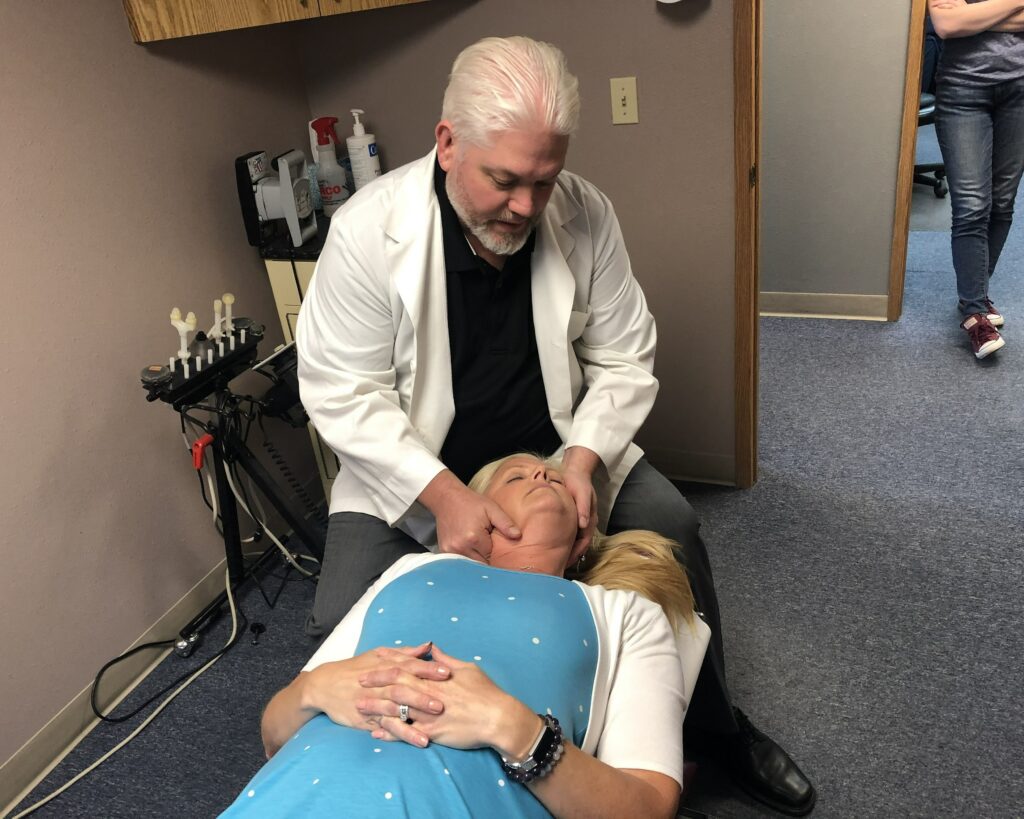

As a local chiropractor dedicated to the wellness of infants and toddlers, I want to emphasize the importance of ensuring their safety and comfort during treatment. Caring for young children requires a special approach, particularly when addressing common ailments. It's not just about finding what alleviates their discomfort but doing so in a manner that is safe and effective.
Understanding their delicate anatomy is crucial, and this is where chiropractic care can play a significant role. Gentle adjustments can help alleviate discomfort and promote overall well-being without the need for invasive procedures or medications. I encourage parents to explore natural remedies that can complement chiropractic techniques, as these options often align with a holistic approach to health.
It's essential to know when to seek professional help, whether that be from a chiropractor or another healthcare professional. The techniques we utilize can truly make a difference in your child's health, and understanding the benefits of chiropractic care could transform your approach to treating their ailments. If you have any questions or would like to learn more about how chiropractic care can benefit your child, please feel free to reach out. What steps will you take next in your child's health journey?
Understanding Infant Anatomy
As a local chiropractor, I want to emphasize the importance of understanding infant anatomy for anyone caring for young children. It's crucial to recognize that infants aren't merely smaller versions of adults; their bodies possess unique structures and functions that require specialized care and attention.
For instance, you'll notice that an infant's head is relatively large in proportion to their body, which can impact their balance and overall development. This understanding is vital when supporting their head during handling, especially since their neck muscles aren't fully developed.
The respiratory system in infants also differs significantly from that of adults. Their airways are narrower, making them more prone to obstructions. Being aware of this can help you respond appropriately if an infant exhibits signs of distress, allowing for timely intervention.
Additionally, the skin of infants is thinner and more sensitive, which means it can easily become irritated or injured. When applying creams or medications, it's important to be gentle and cautious.
Furthermore, infants have a higher percentage of body water compared to adults, which influences their response to dehydration and illness. This knowledge can empower you to monitor their hydration levels more effectively.
Their immune systems are still maturing, making them more susceptible to infections, so taking extra precautions in hygiene and cleanliness is essential.
Lastly, consider that infants' bones are more flexible, which has its pros and cons. While this flexibility facilitates easier delivery during childbirth, it also necessitates careful handling of their limbs.
Safe First Aid Practices
As a local chiropractor, I want to emphasize the importance of understanding basic first aid skills, especially when it comes to caring for infants and toddlers.
It's crucial to be prepared with emergency contact information to ensure quick access when needed. By mastering these practices, you can feel more confident in handling any situation that arises.
Furthermore, chiropractic care plays a vital role in natural healing, helping to maintain your child's overall well-being.
Understanding how to support your child's health through safe practices is essential for both prevention and care.
Basic First Aid Skills
In emergencies involving infants and toddlers, having a grasp of basic first aid skills can significantly enhance their safety and well-being. As a chiropractor dedicated to holistic health, I believe that being prepared allows you to respond swiftly and with assurance when an emergency arises.
First, it's essential to familiarize yourself with CPR techniques that are appropriate for young children. For infants, gentle chest compressions and rescue breaths are crucial, while for toddlers, you can apply slightly more pressure while still being gentle.
Understanding how to manage choking incidents is also vital. If an infant is choking, hold them face down on your forearm and deliver five gentle back blows. For toddlers, you can perform the Heimlich maneuver by standing behind them and using upward thrusts.
I also recommend keeping a well-stocked first aid kit at home, filled with essentials such as adhesive bandages, antiseptic wipes, and gauze. Knowing how to properly care for minor cuts and scrapes is important—clean the wound, apply an antibiotic ointment, and cover it with a bandage to help prevent infection.
Moreover, it's important to be aware of signs that indicate serious issues, such as allergic reactions or fever. Acting promptly can ensure that your little one receives the necessary care.
Emergency Contact Preparation
As a chiropractor, I believe that understanding basic health and wellness strategies is just the beginning. Being prepared with a solid network of emergency contacts can significantly impact your health and recovery during a crisis.
It's essential to have a well-organized list of contacts accessible at all times, particularly in the context of chiropractic care and natural healing. First and foremost, ensure you have your primary care physician's contact information readily available. Store it in your phone and keep a physical copy in your wellness kit.
Next, include the contact details of local emergency services, such as urgent care clinics and the nearest hospital, along with their phone numbers. Don't overlook including trusted family members or friends who understand your health needs and can assist you if you're unable to communicate effectively.
Share this contact list with anyone involved in your care, such as wellness coaches or physical therapists. Be sure to update your list regularly, especially if you change healthcare providers or relocate. Keeping a copy in your vehicle can also be beneficial for easy access when you're on the go.
Natural Remedies for Common Ailments
As a local chiropractor, I often see parents seeking ways to comfort their little ones when they're feeling unwell. Natural remedies can be an excellent option for providing relief from common ailments, and I'd like to share some practices that may help.
For instance, if your child is struggling with a stuffy nose, a saline nasal spray can be beneficial. A few drops can help loosen mucus, making it easier for your child to breathe. After using the spray, a gentle bulb syringe can assist in suctioning out any excess mucus, promoting clearer airways.
If your toddler has developed a mild cough, consider using honey, which is suitable for children over one year old. Just a teaspoon before bedtime can soothe their throat and help reduce coughing. However, it's crucial to avoid giving honey to infants under one year due to the risk of botulism.
For those pesky upset stomachs, ginger is a wonderful natural remedy. You can make a mild ginger tea by steeping a small piece of fresh ginger in hot water and allowing it to cool. A few sips can aid in settling their tummy. Additionally, chamomile tea is known for its calming properties, which can also be soothing for digestive discomfort.
When it comes to minor skin irritations, applying a thin layer of coconut oil or aloe vera gel can be very effective. Both have natural soothing and moisturizing qualities that can help alleviate rashes or dry patches on the skin.
Finally, don't underestimate the power of a warm bath. Adding a few drops of lavender essential oil can create a peaceful environment, promoting relaxation and comfort for your little one.
It's important to remember that while these natural remedies can be helpful, you should always consult with your pediatrician before trying anything new, especially if your child has specific health concerns.
At our chiropractic practice, we believe in the importance of a holistic approach to health, which includes considering natural remedies and techniques to support your child's well-being.
Hydration Techniques for Young Children
As a local chiropractor, I understand the importance of holistic health, which includes keeping our young children well-hydrated.
It's essential to select the right fluids and monitor for any signs of dehydration, as proper hydration plays a crucial role in overall well-being. Knowing which beverages are safe and how to encourage little ones to drink can significantly impact their health.
Let's delve into some effective hydration techniques that can help ensure your children remain healthy and vibrant. By fostering good hydration habits, we support their physical development and overall vitality, aligning with our natural healing philosophy.
Appropriate Fluid Choices
As a chiropractor dedicated to holistic health, I want to emphasize the importance of proper hydration, especially for young children. Choosing the right fluids is essential for their overall health, growth, and development. Water should always be your first choice; it's the most effective way to keep kids hydrated without any added sugars or calories. Encourage them to drink water regularly throughout the day, particularly during meals and after physical activities.
Milk can also play a vital role in a child's diet, particularly whole milk for toddlers. The fat content in whole milk supports important brain development. After age two, you can consider introducing low-fat options, ensuring that they continue to receive the necessary nutrients for their growth.
It's best to limit juice intake to about four ounces a day and select 100% fruit juice without any added sugars. Diluting juice with water can be a great strategy to lessen sugar intake while still offering a hint of flavor.
I advise against sugary drinks and sodas, as they can contribute to poor hydration and various health concerns. While herbal teas or flavored waters can provide variety, always check for allergens and make sure they're caffeine-free.
Keeping a range of fluid options can make hydration more enjoyable for children and encourage them to drink more. Remember, staying properly hydrated is crucial for their energy levels and overall well-being, so let's make mindful fluid choices that support their health journey!
Signs of Dehydration
As a local chiropractor, I want to emphasize the importance of proper hydration, particularly when it comes to young children.
While many people may not realize it, hydration plays a crucial role in overall health, and being aware of the signs of dehydration can make a significant difference, especially for infants and toddlers.
Dehydration can occur rapidly in young ones, so it's essential to monitor their well-being closely. Here are some key signs to look out for:
- Dry mouth and lips: If your child's mouth feels dry or their lips appear chapped, this could indicate dehydration. It's a subtle yet important signal from their body.
- Decreased urine output: Notice if there are fewer wet diapers or potty trips; this reduction in urine can be a clear sign that your child isn't getting enough fluids.
- Lethargy: If your little one seems more tired than usual or lacks their typical energy, it could be a warning of dehydration that shouldn't be overlooked.
- Sunken eyes: Keep an eye on their eyes; sunken appearance or dark circles can indicate that hydration levels are low.
- Irritability: Increased fussiness or irritability can often be linked to dehydration. If your child is more upset than usual, it's worth checking their fluid intake.
By recognizing these signs early, you can take proactive steps to address dehydration before it becomes a more serious issue.
Remember, being attentive and responsive to your child's needs is essential for their health and overall well-being.
As a chiropractor, I encourage you to incorporate hydration into your family's holistic health practices, ensuring that everyone stays healthy and thriving.
Safe Hydration Practices
As a chiropractor committed to promoting holistic health, I want to emphasize the importance of proper hydration for your child's overall well-being. Ensuring that your young child stays hydrated is vital for their health, and it can even support their physical development and vitality.
Start by making water readily available to your child throughout the day, particularly during meals and after playtime. Using a small, spill-proof cup that your child can easily manage can encourage them to drink more water independently.
For infants, breast milk or formula should be their primary source of hydration until they reach six months old. At that point, you can gradually introduce small amounts of water. It's best to avoid juice for toddlers, as it can contribute to tooth decay and unnecessary sugar intake. If you choose to offer juice, consider diluting it with water and limiting the portion size.
Pay attention to the weather; hot days or times of illness may require your child to consume more fluids. Incorporating hydrating foods like watermelon and cucumbers into their meals can also help maintain hydration levels.
Be vigilant for signs of dehydration, such as a dry mouth or fewer wet diapers, and be proactive in increasing their fluid intake if you notice these symptoms.
Lastly, remember that children often model their behaviors after adults. By staying hydrated yourself and making water consumption a priority, you can encourage your child to do the same.
With these natural hydration practices, you'll not only support your little one's physical health but also promote a foundation for a healthy lifestyle that can benefit them for years to come!
Safe Medication Administration
As a local chiropractor, I want to share some important insights on the safe administration of medication for infants and toddlers, particularly as we explore natural healing practices.
While my focus is on chiropractic care, it's essential to consider how we approach medication for our little ones. Here are some key tips to ensure safety and comfort:
- Consult Your Pediatrician: Before giving any medication, it's vital to discuss your concerns and questions with your child's healthcare provider. They can guide you on the best approach, including any natural alternatives that may support your child's health.
- Use the Right Tools: For precise measurement of medication, opt for an oral syringe or dropper, rather than household spoons. This ensures that your child receives the exact amount needed, reducing the risk of errors.
- Check Dosage Carefully: Always double-check the dosage based on your child's weight and age. These factors play a significant role in determining the appropriate amount of medication.
- Monitor for Reactions: After administering medication, keep a close eye on your child for any adverse reactions. It's important to know when to seek medical help, as well as to consider natural remedies that may complement their treatment.
- Stay Calm and Positive: Your demeanor can greatly influence your child's response to taking medication. Staying calm and providing reassurance can help make the experience easier for both you and your child.
Soothing Techniques for Discomfort
As a chiropractor, I often encounter parents concerned about their child's discomfort during challenging times, such as teething, gas, or illness. It's essential to understand that natural healing techniques can complement conventional treatments, providing comfort and relief for your little ones.
One effective method I recommend is gentle rocking. Holding your child close and swaying them back and forth can be incredibly calming. This movement mimics the sensations they experienced in the womb, which can help soothe their distress. Additionally, walking with them can further enhance this calming effect. Incorporating soft, rhythmic sounds, like white noise or lullabies, can also create a tranquil atmosphere, encouraging your child to relax and feel secure.
Creating a warm and comforting environment is crucial, too. Dim the lights, reduce surrounding noise, and wrap your child in a soft blanket. Skin-to-skin contact is particularly beneficial; it not only reassures your child but can also help regulate their temperature and heart rate, promoting a sense of well-being.
If your child is struggling with gas discomfort, gentle tummy massages can provide significant relief. Using your fingertips to make circular motions on their belly can help ease any trapped gas. Additionally, burping your child frequently during feedings can prevent discomfort from accumulating.
Lastly, distraction techniques can be quite effective. Engaging your child with a favorite toy or a simple game can divert their attention from discomfort, providing a sense of relief. Every child is unique, and it might take some experimentation to find what works best for yours. Stay patient and attuned to their cues, and you'll discover the right soothing methods to help them navigate tough moments.
As a chiropractor, I'm here to support your family's journey towards natural healing and well-being. If you have any questions or would like to learn more about how chiropractic care can benefit your child, please feel free to reach out.
When to Seek Professional Help
Recognizing when your child may need professional help can be a daunting task, especially when it comes to their physical well-being. As a chiropractor, I want to emphasize the importance of being attentive to your child's health and trusting your instincts. If you observe any concerning symptoms or behaviors, it's always wise to seek professional advice.
Here are some key indicators that may prompt a visit to a chiropractor or healthcare provider:
- Persistent Discomfort: If your child frequently complains of aches, pains, or discomfort, especially in the back or neck, it may be a sign that their spine or nervous system needs attention.
- Poor Posture: Noticeable slouching or difficulty maintaining a straight posture can indicate musculoskeletal issues that may benefit from chiropractic care.
- Difficulty Sleeping: If your child struggles to fall asleep or stay asleep, it could be related to underlying tension or discomfort that a chiropractor can help address.
- Unusual Behavior: Changes in behavior, such as increased irritability or lethargy, can sometimes be linked to physical discomfort. Evaluating their physical health may uncover issues that need to be addressed.
- Injuries or Strains: Any significant falls, sports injuries, or strains should be assessed to rule out any misalignments or injuries that could be affecting your child's mobility and overall health.
Don't hesitate to contact a chiropractor or your child's healthcare provider if you're feeling uncertain.
Early intervention can have a positive impact on your child's recovery and overall well-being. Trust your intuition—if something doesn't feel right, seeking help is always a proactive choice for your child's health.
Conclusion
As a local chiropractor, I want to emphasize the importance of safety and comfort when caring for infants and toddlers. It's vital to understand their developing bodies and how gentle, non-invasive techniques can be beneficial. By utilizing safe first aid practices, we can effectively address minor issues that arise in young children.
In addition to chiropractic care, I encourage the use of natural remedies and ensuring proper hydration, as these can greatly support their overall health. When it comes to administering any medications, careful attention is essential to ensure their safety and well-being.
Additionally, employing soothing techniques during treatment can help ease discomfort and promote a sense of calm in your little ones. Remember, it's crucial to remain vigilant and recognize when it's time to seek professional help. By prioritizing these principles, we can work together to keep your children healthy and thriving through natural healing methods.