
When you think about crafting a personalized wellness plan, it's crucial to start with a clear assessment of your current lifestyle. You might not realize how small changes can lead to significant improvements in your health. By setting specific goals and identifying what truly resonates with you, you'll create a plan that feels less like a chore and more like a journey. As you explore this process, consider how each tip can uniquely align with your needs and preferences. There's much more to uncover that can make all the difference in your wellness approach.
Assess Your Current Lifestyle
To begin crafting your personalized wellness plan, you'll want to assess your current lifestyle. This step is essential because it helps you identify the habits, routines, and activities that shape your daily life.
Start by examining your eating patterns. Take note of what you eat, how often you eat, and whether you're fueling your body with nutritious foods or relying on convenience options.
Next, consider your physical activity level. Are you getting enough exercise? Think about how much time you spend sitting versus being active. This assessment isn't just about hitting the gym; it includes any movement throughout your day, from walking to running errands to playing with kids.
Don't forget to evaluate your sleep habits, too. Quality sleep is a key component of wellness. Reflect on how many hours you typically sleep and whether you wake up feeling refreshed or groggy.
Also, take a moment to assess your stress levels. What're your main sources of stress? How do you cope with them? Understanding your emotional health is just as important as your physical health in creating a balanced wellness plan.
Lastly, look at your social connections. Are you engaging with friends and family regularly? Positive relationships can enhance your overall well-being.
Set Clear Health Goals
Finally, write your goals down and review them regularly. This practice reinforces your commitment and allows you to track your progress.
Adjust your goals as needed based on your experiences and achievements. By setting clear, actionable health goals, you'll create a roadmap that guides you toward your desired well-being, making the journey both structured and fulfilling.
Identify Personal Preferences
Understanding your personal preferences is essential for creating a wellness plan that truly resonates with you. When you take the time to identify what you enjoy and what works best for you, you set the foundation for sustainable change.
Start by reflecting on your daily routines, hobbies, and activities that bring you joy. Do you prefer high-energy workouts or more relaxing practices like yoga? Think about how you feel when you engage in different types of physical activity, and prioritize those that excite you.
Your dietary preferences also play a vital role. Consider the foods you love and those you dislike. Are you a fan of cooking or do you prefer quick, convenient meals? Knowing your taste can help you create a nutrition plan that's both enjoyable and effective.
Don't forget to factor in any dietary restrictions or allergies, too.
Social interactions can greatly influence your wellness journey. Do you thrive in group settings, or do you prefer working out solo? Understanding your social needs can help you choose activities that keep you motivated and engaged.
Finally, think about your lifestyle. Are you a morning person or a night owl? Your schedule can dictate when you'll be most likely to stick to your wellness plan.
Include a Variety of Activities
Incorporating a variety of activities into your wellness plan keeps things fresh and exciting. When you mix it up, you're not just engaging different muscle groups; you're also keeping your mind stimulated and motivated.
Boredom can lead to a lack of commitment, so introducing diverse activities can help you stay on track. Here are three ideas to get you started:
1. Outdoor Adventures: Take advantage of nature by hiking, biking, or kayaking. The fresh air and changing scenery will invigorate your body and mind. Plus, it's a great way to connect with friends or family.
2. Mind-Body Practices: Include activities like yoga or tai chi to promote flexibility and mindfulness. These practices not only improve physical health but also reduce stress and enhance mental clarity.
You'll find that taking time to focus inward can be just as essential as your physical workouts.
3. Group Classes or Sports: Join a dance class, martial arts, or a local sports team. The camaraderie and social interaction can make exercising more enjoyable and less of a chore.
Plus, being part of a group can hold you accountable and inspire you to push your limits.
Monitor Your Progress
Consistently monitoring your progress is essential for staying motivated and achieving your wellness goals. By keeping track of your achievements, you gain valuable insights into what's working and what might need tweaking. Start by setting clear, measurable objectives. Whether it's tracking your workouts, nutrition, or mental well-being, specific goals can help you stay focused.
Use tools that suit your style. You could utilize apps, journals, or even spreadsheets to log your activities. The key is to find a method that feels manageable and encourages you to stay engaged. For instance, if you're aiming to exercise three times a week, note each session, including duration and type of activity. This not only serves as a record but also celebrates your consistency.
Regularly review your data. Schedule weekly or bi-weekly check-ins to assess your advancement. This is your opportunity to reflect on your efforts, celebrate small victories, and identify any patterns. Are you more energized after certain workouts? Do specific meals help you feel better? Acknowledging these insights can enhance your decision-making.
Finally, don't hesitate to share your progress with friends or family. They can provide support and encouragement, keeping you accountable.
Adjust as Needed
As you monitor your progress, it's important to recognize that adjustments may be necessary along the way. Life is dynamic, and your wellness plan should reflect that.
Whether you're facing unexpected challenges or achieving milestones faster than anticipated, tweaking your approach can keep you on track toward your goals.
Here are three key areas where you might need to adjust your plan:
1. Nutrition: If you find certain foods aren't providing the energy you need, consider experimenting with different meal options.
Maybe it's time to incorporate more whole grains or explore plant-based proteins. Listen to your body; it often knows best.
2. Exercise Routine: If you're feeling fatigued or bored with your current workouts, it's a sign that you might need to mix things up.
Try adding variety—like switching from running to swimming or incorporating yoga sessions. Keeping things fresh helps maintain motivation and fosters physical progress.
3. Mental Wellness: If you notice stress creeping into your daily life, it might be time to reassess your mindfulness practices.
Perhaps you need to increase your meditation sessions or find new ways to relax, like journaling or taking nature walks. Prioritizing mental health is just as vital as physical health.
Seek Professional Guidance
When you're ready to take your wellness journey to the next level, identifying your health goals is essential.
Consulting qualified experts can provide you with tailored advice and insights that fit your unique situation.
With their guidance, you can create a more effective and personalized wellness plan.
Identify Your Health Goals
Clarity in your health goals is essential for creating a personalized wellness plan that truly fits your needs. Without clear objectives, it's tough to measure progress or stay motivated.
Start by identifying what you want to achieve, whether it's improving your fitness, managing stress, or enhancing your overall well-being.
Here are three steps to help you identify your health goals:
- Assess Your Current Health: Reflect on your physical and mental state. Are there areas where you feel you could improve? This could be anything from weight management to increasing energy levels.
- Define Specific Goals: Instead of vague ambitions, get specific. For example, if you want to lose weight, determine how many pounds you'd like to shed and in what timeframe.
- Prioritize Your Goals: Decide which goals are most important to you. Focus on a few key objectives at first, making them more manageable and achievable.
Consult Qualified Experts
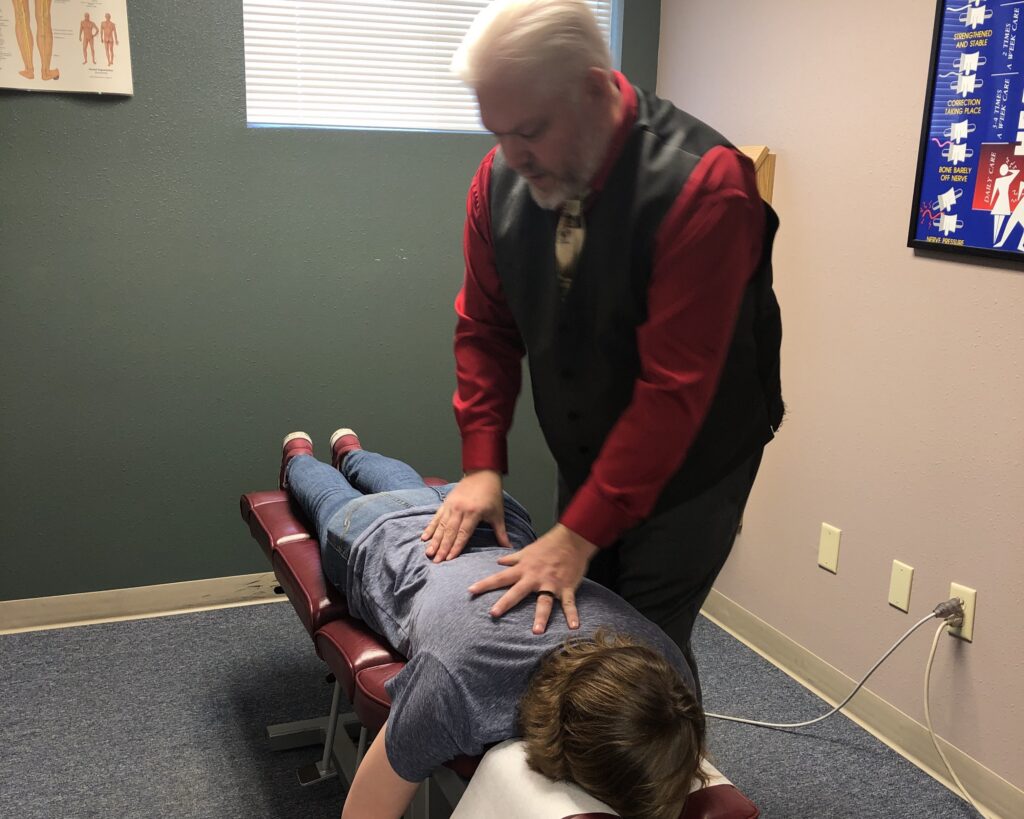
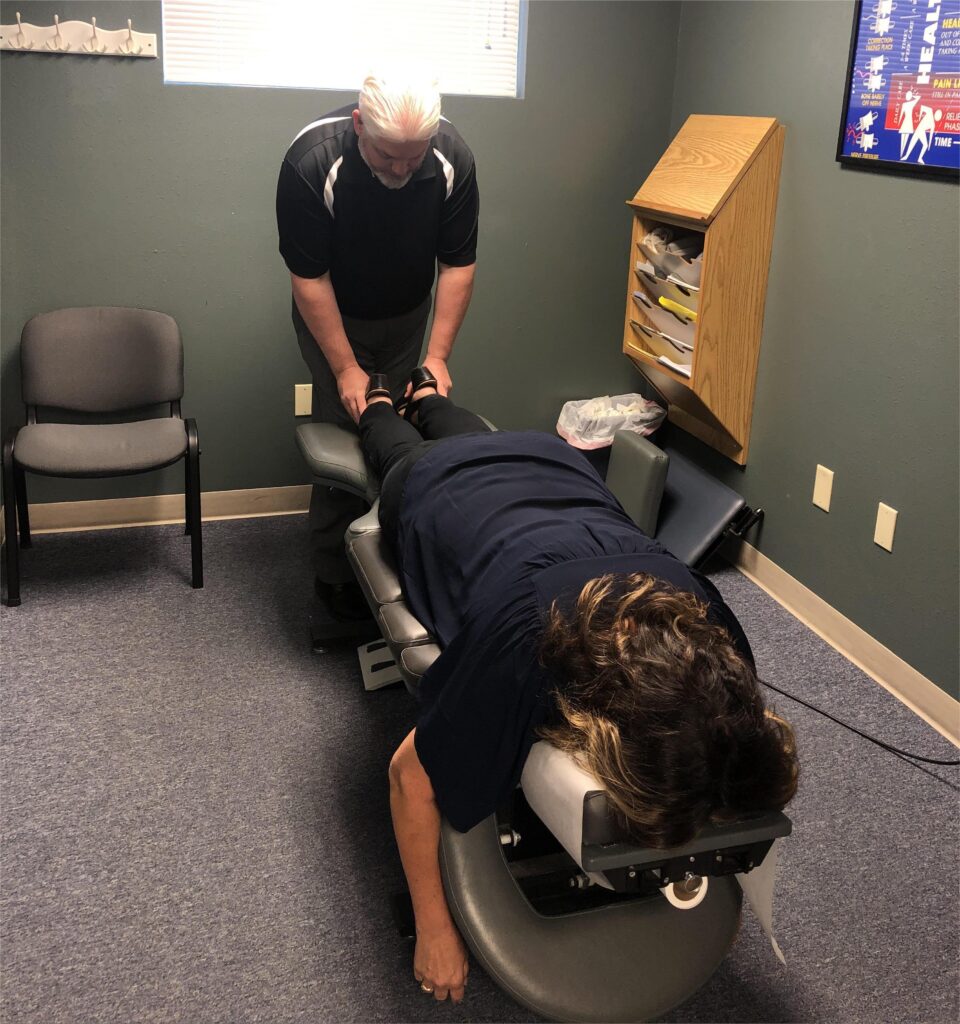
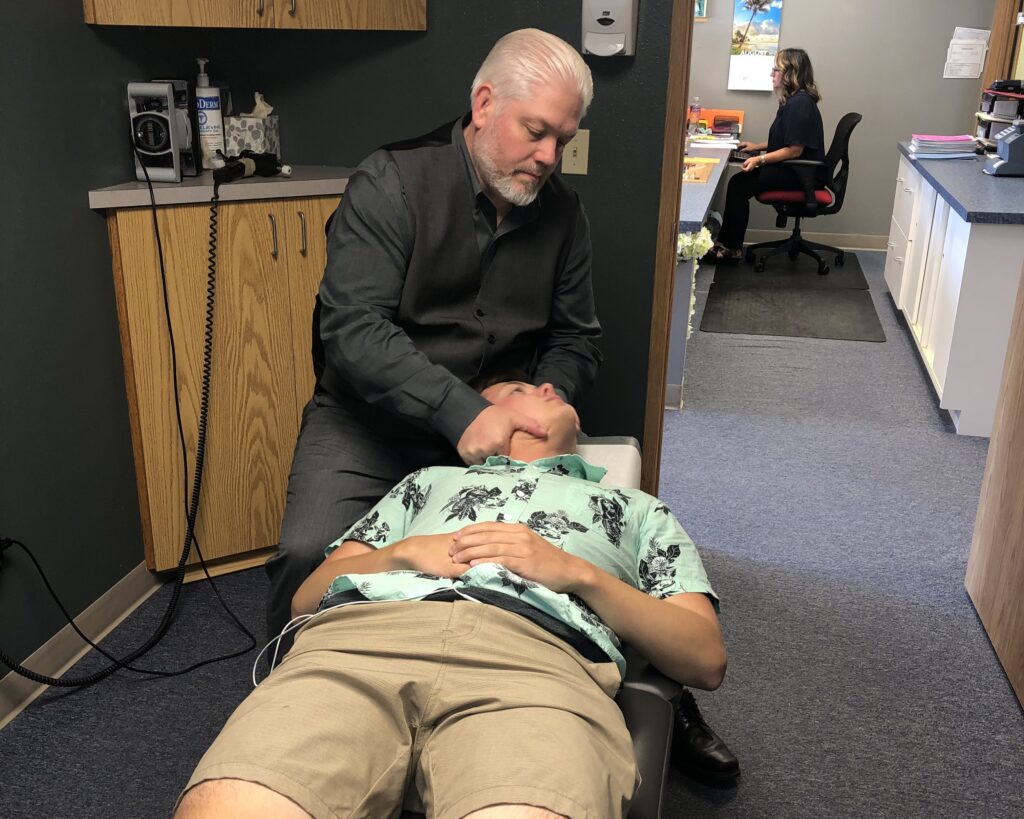
Consulting qualified experts can greatly enhance your personalized wellness plan. These professionals, including nutritionists, personal trainers, and doctors, bring valuable insights that can help you navigate your health journey effectively.
They'll assess your individual needs, preferences, and limitations, tailoring recommendations specifically for you.
When you seek guidance from a nutritionist, for instance, they can design a meal plan that suits your lifestyle while addressing any dietary restrictions you might have. A personal trainer can create an exercise regimen that aligns with your fitness level and goals, ensuring you stay motivated and avoid injury.
Additionally, consulting with a healthcare provider can help you identify any underlying health issues that may impact your wellness.
Don't overlook the importance of expert advice; it can save you time and prevent frustration. You'll find that qualified professionals can offer evidence-based strategies and support to keep you accountable.
Conclusion
Creating a personalized wellness plan is a journey that requires you to stay engaged and flexible. By evaluating your lifestyle, setting clear goals, and incorporating your preferences, you're laying the groundwork for success. Remember to include a variety of activities, monitor your progress, and adjust as needed to keep things fresh. Don't hesitate to seek professional guidance when necessary. Celebrate your achievements, no matter how small, to keep your motivation high and your commitment strong.