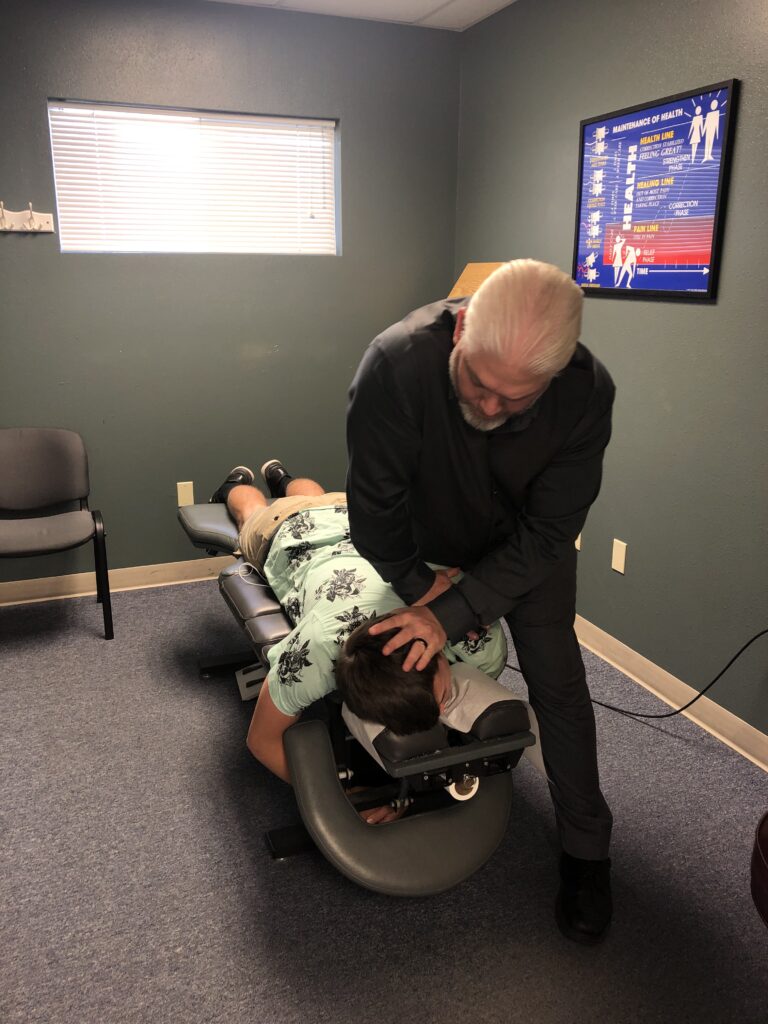

When you think about chronic disease prevention, you might not immediately consider chiropractic care, but it plays a vital role in your overall health. Chiropractors focus on spinal alignment, which directly influences your nervous system and, ultimately, your well-being. By understanding how these elements interact, you can better manage your health and reduce the risk of chronic conditions. But what specific strategies can chiropractors offer to empower you in this journey?
The Role of Chiropractors
Chiropractors play an essential role in promoting overall health and preventing chronic diseases. They focus on the body's musculoskeletal system, helping you maintain proper alignment and function. By addressing misalignments, or subluxations, chiropractors can relieve pain and improve mobility, making it easier for you to engage in daily activities and exercise.
Regular chiropractic adjustments can enhance your body's natural ability to heal itself. When your spine is aligned, your nervous system functions efficiently, allowing communication between your brain and body to flow freely. This improved communication can boost your immune system, making you less susceptible to illness and chronic conditions.
In addition to adjustments, chiropractors often provide valuable lifestyle advice. They may recommend specific exercises, nutritional guidance, or stress management techniques tailored to your unique needs. By integrating these elements into your routine, you can create a more balanced and healthier lifestyle, reducing your risk of developing chronic diseases.
Chiropractors also emphasize the importance of preventive care. Instead of waiting for pain or discomfort to arise, regular visits can help you maintain your health and catch potential issues before they escalate. Think of it as an investment in your long-term wellness.
Understanding Chronic Diseases
Chronic diseases affect millions of people worldwide, often leading to long-term health complications and reduced quality of life. These conditions, including diabetes, heart disease, and arthritis, can have a profound impact on your daily activities and emotional well-being. Understanding chronic diseases is vital for you to take proactive steps in prevention and management.
Chronic diseases typically develop over time and are often influenced by lifestyle choices such as diet, exercise, and stress management. You mightn't notice symptoms initially, but they can escalate, leading to serious health issues. Recognizing risk factors—like obesity, smoking, and a sedentary lifestyle—can empower you to make informed decisions about your health.
It's essential to understand that chronic diseases are often preventable or manageable with early intervention. Regular check-ups, a balanced diet, and physical activity can greatly reduce your risk. Furthermore, staying informed about your family history can help you identify potential vulnerabilities.
Incorporating holistic approaches, like chiropractic care, can also play a role in chronic disease prevention. Chiropractors focus on improving overall health and well-being, which can support your body's natural ability to heal itself.
If you're aware of the warning signs and take preventive measures, you can improve your chances of maintaining a healthier life.
Spinal Health and Wellness
Your spinal alignment plays an essential role in your overall health, impacting everything from mobility to chronic pain.
Regular adjustments can help maintain this alignment, promoting better function and wellness.
Importance of Spinal Alignment
Maintaining proper spinal alignment is essential for overall health and wellness. A well-aligned spine supports your body's structure and functions, allowing you to move freely and efficiently. When your spine is in alignment, it can positively influence various aspects of your health.
Consider these key points about spinal alignment:
- Nervous System Function: Your spine houses the spinal cord, which is vital for transmitting signals between your brain and body.
- Pain Reduction: Proper alignment can help alleviate discomfort in the back, neck, and joints, enhancing your daily activities.
- Enhanced Mobility: A well-aligned spine allows for better range of motion, making it easier to perform physical tasks.
- Improved Posture: Good spinal alignment promotes better posture, reducing strain on muscles and ligaments.
- Increased Energy Levels: When your spine is aligned, your body works more efficiently, leading to higher energy levels throughout the day.
Benefits of Regular Adjustments
Regular chiropractic adjustments can play an important role in enhancing your spinal health and overall wellness. By regularly visiting a chiropractor, you can maintain proper spinal alignment, which is essential for your nervous system to function at its best. This can lead to reduced pain and discomfort, helping you feel more energetic and focused throughout your day.
Adjustments can also improve your posture, which is critical as poor posture often leads to chronic pain and other health issues. Better posture not only makes you feel more confident but also prevents strain on your spine and surrounding muscles.
Moreover, consistent chiropractic care can enhance your immune system. When your spine is aligned correctly, your body can communicate more effectively, allowing for better immune responses.
You may also notice improved mobility and flexibility, making it easier to engage in physical activities you love. This can help you maintain a healthier lifestyle and prevent the onset of chronic diseases linked to inactivity.
In essence, regular adjustments not only focus on pain relief but also promote long-term health benefits, ensuring you live your life to the fullest.
Nervous System Function
The nervous system plays an essential role in overall health and well-being, acting as the body's communication network. It connects your brain, spinal cord, and nerves, allowing them to transmit signals that control every function in your body. When your nervous system functions effectively, you experience improved physical and mental health. By understanding how it works, you can better appreciate its importance and how chiropractic care can enhance its performance.
Here are some key aspects of nervous system function:
- Signal Transmission: Your nerves send messages from your brain to your body and back, coordinating everything from movement to sensation.
- Reflex Actions: The nervous system helps you react quickly to stimuli through reflexes, protecting you from harm.
- Homeostasis Maintenance: It regulates internal conditions, ensuring your body operates smoothly, regardless of external changes.
- Pain Perception: Your nervous system plays a significant role in how you perceive pain, helping to identify potential health issues.
- Emotional Regulation: It influences your mood and stress levels, impacting your overall mental health.
When your spine is aligned and your nervous system is functioning well, you may find yourself feeling more energetic and resilient.
Regular chiropractic adjustments can help remove interference in the nervous system, allowing it to communicate effectively.
Lifestyle Modifications
Making intentional lifestyle modifications can greatly impact your overall health and help prevent chronic diseases. Start by evaluating your daily habits—what you eat, how you move, and how you manage stress. Small changes can lead to significant improvements.
First, focus on your nutrition. Aim for a balanced diet rich in whole foods, including fruits, vegetables, lean proteins, and healthy fats. Reducing processed foods and added sugars can lower your risk of obesity, diabetes, and heart disease. Stay hydrated, too; drinking plenty of water supports your body's functions and keeps your energy levels up.
Next, incorporate regular physical activity into your routine. Aim for at least 150 minutes of moderate aerobic exercise each week. Whether it's walking, cycling, or swimming, find activities you enjoy to make it easier to stay active. Strength training is also important; it helps build muscle and improves metabolism.
Don't overlook the importance of sleep. Prioritize getting enough quality rest each night, as poor sleep can negatively affect your immune system and increase the risk of chronic conditions. Create a calming bedtime routine and limit screen time before bed.
Lastly, consider your mental and emotional health. Practice stress management techniques like mindfulness, yoga, or meditation. These practices not only enhance your mental well-being but can also have a positive effect on your physical health.
Preventive Care Strategies
Preventive care strategies play an essential role in maintaining your health and warding off chronic diseases. By taking proactive steps, you can considerably improve your overall well-being and reduce your risk of developing health issues.
These strategies often involve a combination of lifestyle choices and routine check-ups, all aimed at catching problems before they escalate.
Here are some effective preventive care strategies you can adopt:
- Regular chiropractic visits: Keep your spine aligned and your nervous system functioning efficiently. Regular adjustments can help prevent pain and improve mobility.
- Balanced nutrition: Fuel your body with a variety of fruits, vegetables, whole grains, and lean proteins. A nutrient-dense diet supports your immune system and overall health.
- Physical activity: Aim for at least 150 minutes of moderate exercise each week. Staying active helps maintain a healthy weight and reduces the likelihood of chronic conditions like heart disease and diabetes.
- Adequate sleep: Prioritize quality sleep to improve your mental and physical health. Aim for 7-9 hours each night to allow your body to rest and repair.
- Stress management: Incorporate relaxation techniques like yoga, meditation, or deep breathing exercises into your daily routine. Reducing stress can greatly impact your physical and mental health.
Evidence-Based Practices
Numerous evidence-based practices can enhance your chiropractic care and overall health management. These practices focus on applying the best available research findings to improve patient outcomes. By integrating these strategies, you can experience a more effective approach to managing your health.
One key practice is utilizing clinical guidelines that are developed from systematic reviews of research. These guidelines help chiropractors make informed decisions about treatment options, ensuring that you receive care backed by solid evidence. For instance, specific adjustments and therapies may target chronic pain or musculoskeletal issues more efficiently than others.
Another essential aspect of evidence-based practice is the emphasis on patient-centered care. Your chiropractor should assess your unique needs and preferences while considering the latest research. This individualized approach means that your treatment plan is tailored specifically for you, increasing the likelihood of positive outcomes.
Furthermore, incorporating validated assessment tools can help track your progress over time. Regular evaluations allow your chiropractor to modify your treatment as needed, ensuring that you're always on the right path to recovery. These tools not only provide measurable results but also empower you to take an active role in your health journey.
Lastly, staying informed about new research findings in chiropractic care will enhance your overall experience. By engaging with your chiropractor and discussing any questions or concerns, you contribute to a collaborative environment that prioritizes your well-being.
Embracing these evidence-based practices can greatly impact your health journey and help prevent chronic diseases effectively.
Empowering Patient Education
Understanding the benefits of chiropractic care is key to your health journey.
By promoting wellness lifestyle choices and engaging in preventative care, you can take charge of your wellbeing.
Let's explore how empowering patient education can make a difference in your life.
Understanding Chiropractic Benefits
Chiropractic care offers a range of benefits that can profoundly enhance your overall health and well-being.
Many people think of chiropractic solely as a method for alleviating back pain, but its advantages extend far beyond that.
You'll find that regular chiropractic visits can contribute considerably to your health in various ways.
- Pain Relief: Experience immediate relief from headaches, neck pain, and joint discomfort.
- Improved Mobility: Enjoy greater flexibility and range of motion, making daily activities easier.
- Enhanced Posture: Benefit from better spinal alignment, which can lead to improved posture and decreased strain.
- Stress Reduction: Feel more relaxed and balanced through reduced muscle tension and improved nervous system function.
- Boosted Immunity: Support your immune system, which can help your body better resist illness.
Promoting Wellness Lifestyle Choices
Empowering patients through education is essential in promoting wellness lifestyle choices. When you understand the impact of your daily habits, you're more likely to make informed decisions that enhance your health. Your chiropractor can guide you in recognizing the importance of nutrition, physical activity, and stress management as key components of a balanced lifestyle.
Start by evaluating your current habits. Are you eating a variety of nutritious foods? Are you staying active regularly? Consider how these choices affect your overall well-being. Your chiropractor can provide resources and strategies tailored to your needs, making it easier for you to integrate healthier options into your routine.
Additionally, learning about the benefits of adequate sleep and hydration is important. These factors play a significant role in your body's ability to function at its best.
Your chiropractor can help you establish achievable goals, ensuring you stay motivated and accountable.
Engaging in Preventative Care
Preventative care is a proactive approach to maintaining your health and can greatly reduce the risk of chronic diseases. By engaging in preventative care, you empower yourself with knowledge and tools to make informed health decisions.
This approach not only focuses on treating existing conditions but emphasizes avoiding them altogether.
Here are some key strategies to take into account:
- Regular Chiropractic Visits: These can help detect misalignments early, reducing the risk of pain and complications later.
- Patient Education: Understanding your body and its needs enables you to make better lifestyle choices.
- Healthy Nutrition: A balanced diet can bolster your immune system and prevent disease.
- Physical Activity: Regular exercise promotes overall health and can lessen chronic issues like obesity and heart disease.
- Stress Management: Learning techniques to manage stress can greatly enhance your mental and physical well-being.
Conclusion
Incorporating chiropractic care into your health routine can be a game-changer for preventing chronic diseases. By focusing on spinal health, nervous system function, and lifestyle modifications, you empower yourself to take control of your well-being. Embracing preventive care strategies and evidence-based practices not only enhances your quality of life but also helps you recognize risk factors before they become serious issues. So, take that proactive step and partner with a chiropractor to access your health potential today!