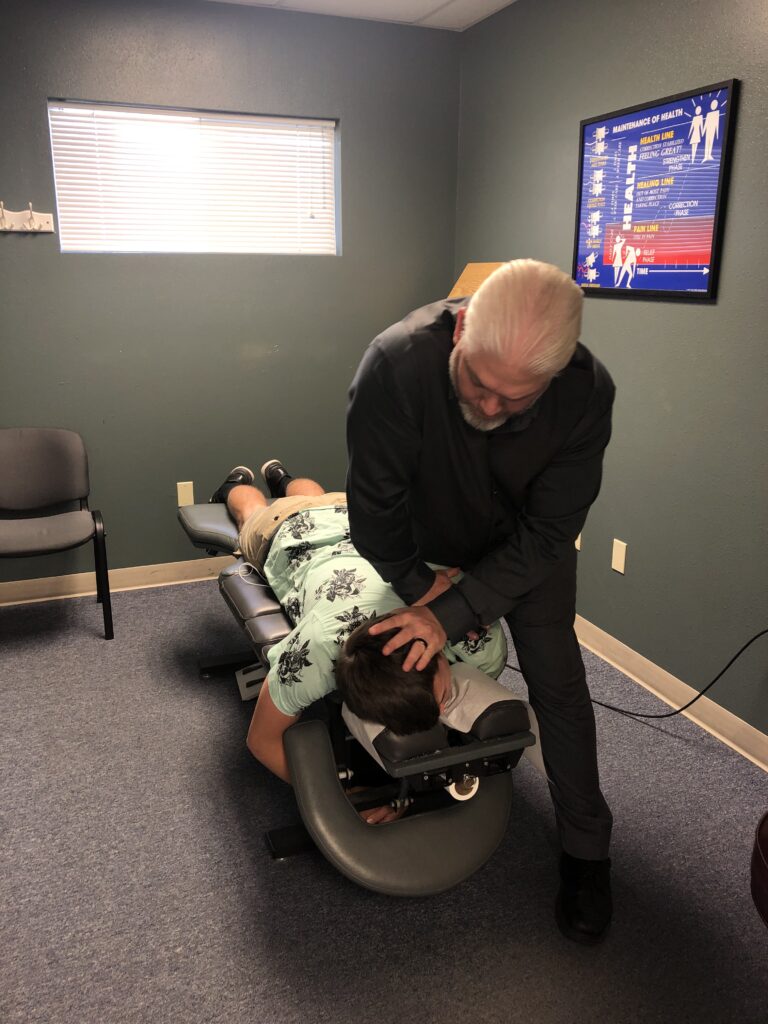

As a local chiropractor, I want to share with you that improving your brain health doesn't have to be complicated or costly. There are simple, natural strategies that can significantly enhance your cognitive function and overall well-being. By making some key adjustments in your diet, increasing your physical activity, and prioritizing quality sleep, you can create a solid foundation for your mind.
Additionally, incorporating mental exercises and building social connections can further strengthen your brain's resilience. I understand that many of you may not be familiar with chiropractic care and its benefits, but these lifestyle changes can complement our work together in promoting holistic health. If you're interested in ways to effectively implement these changes into your daily routine, let's discuss some practical tips that can lead to noticeable improvements in your life.
Eat a Brain-Boosting Diet
As a local chiropractor dedicated to your overall wellness, I want to emphasize the importance of a brain-boosting diet in supporting not just your physical health, but your cognitive function as well. While many may not directly associate chiropractic care with nutrition, the two go hand in hand when it comes to maintaining optimal health.
To enhance your brain health, it's essential to regularly consume a diet filled with nutrient-rich foods. Start by incorporating a variety of fruits and vegetables into your meals. These foods are rich in antioxidants, which are crucial for protecting your brain from oxidative stress. Leafy greens, such as spinach and kale, are particularly beneficial because they contain vital vitamins like K, which supports cognitive function and promotes overall brain health.
Additionally, don't overlook the significance of healthy fats in your diet. Foods that are high in omega-3 fatty acids, like salmon, walnuts, and flaxseeds, play a critical role in maintaining brain structure and function. These healthy fats can enhance memory and improve your mood, making them a vital part of your daily intake.
Whole grains should also be a staple in your diet. By choosing options like brown rice, quinoa, and whole-grain bread, you're providing your brain with a steady supply of glucose. This slow release of energy helps keep your mind alert and focused throughout the day, which is essential for both cognitive tasks and daily living.
Moreover, spices can offer additional benefits for your brain health. For instance, turmeric contains curcumin, known for its anti-inflammatory properties and potential to improve memory. Adding spices like turmeric to your meals not only enhances flavor but also supports your cognitive function.
Finally, never underestimate the power of hydration! Dehydration can significantly affect your concentration and cognitive performance. Make it a priority to drink enough water throughout the day to ensure your brain is functioning at its best.
Stay Physically Active
As a local chiropractor, I want to emphasize the importance of staying physically active for both your body and mind. Regular exercise is crucial not only for improving your mood but also for enhancing cognitive function. This means that simple tasks can become more manageable, and your overall mental clarity can improve.
Incorporating brain-boosting activities into your routine can significantly elevate your mental health and well-being.
Chiropractic care can support your physical activity by ensuring your spine and nervous system function optimally, allowing you to engage more fully in exercise and daily activities.
Regular Exercise Benefits
As a local chiropractor, I want to shed light on the incredible benefits of regular exercise, particularly for your brain health, and how it aligns with natural healing practices. Staying active isn't just about physical fitness; it plays a vital role in enhancing your overall well-being, including cognitive function.
When you engage in regular exercise, you increase blood flow to the brain, which is essential for delivering nutrients and oxygen. This improved circulation can sharpen your thinking and help you focus better in your daily activities.
Moreover, physical activity triggers the release of neurotransmitters like endorphins and serotonin. These natural chemicals can significantly elevate your mood and alleviate feelings of anxiety and depression. From a chiropractic perspective, managing stress through exercise is crucial for maintaining a healthy spine and nervous system, further supporting your mental health.
Exercise is also beneficial for memory and learning. Activities that elevate your heart rate stimulate the production of brain-derived neurotrophic factor (BDNF), a protein vital for creating new neural connections in the brain. This is particularly important for those of us seeking holistic approaches to health and wellness.
You don't need to engage in high-intensity workouts to experience these benefits. Simple, moderate activities such as walking, swimming, or cycling can be very effective.
Brain-Boosting Activities
As your local chiropractor, I want to emphasize the importance of incorporating brain-boosting activities into your daily routine to complement the physical benefits of chiropractic care. Staying active isn't just about addressing your physical health; it also involves stimulating your mind in ways that can enhance your overall wellness.
Engaging in new sports, dancing, or group fitness classes not only elevates your heart rate but also challenges your cognitive abilities. These activities provide a dual benefit—improving both your physical condition and mental sharpness.
I encourage you to explore practices such as yoga or tai chi. These forms of exercise promote not only balance and flexibility but also require a level of focus and concentration that can sharpen your cognitive skills.
Even simple activities like hiking or walking in nature can offer a refreshing mental boost, as the fresh air and diverse surroundings engage your senses and elevate your mood.
Additionally, don't overlook the value of brain games! Activities like puzzles, crossword puzzles, and memory games can enhance your problem-solving abilities and keep your mind agile. I recommend setting aside time each week to challenge yourself with these enjoyable pursuits.
Lastly, remember that social interactions play a crucial role in cognitive health. Joining clubs or groups that align with your interests can lead to meaningful conversations and collaborative efforts that significantly enhance your cognitive function.
Movement and Mood
As a local chiropractor, I want to share how movement can significantly enhance your mood and overall well-being. Engaging in physical activity isn't just about improving your physical health; it's also a natural way to uplift your mental state.
Here are three key ways that movement can positively influence your mood:
1. Reduces Stress: Regular exercise is a fantastic way to alleviate stress. Whether you're taking a gentle walk or participating in a more intense workout, movement helps to clear your mind and diminish anxiety.
This is especially important for maintaining a healthy spine and nervous system, which are crucial for overall wellness.
2. Increases Energy Levels: Staying active can help to combat feelings of fatigue. When you incorporate movement into your daily routine, you may notice a boost in your energy levels.
This increased vitality makes it easier to manage your daily tasks and maintain a positive outlook, both of which can contribute to your overall health and well-being.
3. Boosts Self-Esteem: Achieving fitness milestones, no matter how small, can significantly enhance your self-esteem. As you notice improvements in your strength, flexibility, or endurance, you'll experience a sense of accomplishment that can greatly uplift your mood.
This confidence can also translate into better posture and a healthier spine, further enhancing your physical and emotional health.
Incorporating movement into your daily life is a powerful way to support both your physical and mental health.
As your chiropractor, I encourage you to explore different forms of exercise that resonate with you, and remember that every small step counts towards a healthier, happier you.
Prioritize Quality Sleep
As a local Chiropractor, I want to emphasize the importance of prioritizing quality sleep for your brain health.
Establishing a consistent sleep routine is key; it helps regulate your body's internal clock. Additionally, optimizing your sleep environment for comfort—such as investing in a supportive mattress and minimizing noise and light—can greatly enhance the quality of your rest.
These straightforward steps can significantly boost your mental sharpness and overall well-being. Remember, quality sleep is a critical component of natural healing and maintaining a healthy spine.
Establish a Sleep Routine
As a local chiropractor dedicated to promoting overall well-being, I understand the critical role that quality sleep plays in maintaining optimal brain health and physical function. Establishing a consistent sleep routine is one of the best ways to enhance your sleep quality and, consequently, your cognitive performance.
Here's how you can create an effective sleep routine that aligns with natural healing principles:
- Set a Fixed Sleep Schedule: Aim to go to bed and wake up at the same time every day, including weekends. This consistency not only helps regulate your body's internal clock but also supports a balanced nervous system, making it easier for you to fall asleep and wake up feeling rejuvenated.
- Limit Evening Stimulation: About an hour before bedtime, I recommend reducing exposure to screens and other stimulating activities. Instead, engage in calming practices such as reading or gentle stretching. These activities can help prepare your body for restful sleep, allowing your nervous system to transition into a state of relaxation.
- Incorporate Relaxation Techniques: Adding relaxation techniques to your nightly routine can be beneficial. Consider practices like deep breathing exercises, gentle stretching, or meditation. These techniques not only help to unwind your mind but also signal to your body that it's time to prepare for sleep.
Incorporating these habits can enhance the effectiveness of chiropractic care by promoting a deeper level of relaxation and recovery.
By prioritizing these steps, you can create a sleep routine that not only improves your sleep quality but also supports your overall health and well-being.
If you have any questions or need further guidance, feel free to reach out. Your path to better sleep and health starts here!
Optimize Sleep Environment
As a local chiropractor, I want to emphasize the importance of a comfortable and well-organized sleep environment for your overall health and well-being. A good night's sleep is essential for your body to recover and function optimally, especially when it comes to maintaining spinal health and brain function.
First and foremost, it's crucial to create a dark, cool, and quiet bedroom. Light can disrupt your body's natural sleep-wake cycle, so consider using blackout curtains or a sleep mask to block out any unwanted light. For noise, earplugs or a white noise machine can help create a serene atmosphere that promotes relaxation.
Investing in a quality mattress and supportive pillows tailored to your preferred sleeping position is vital. A comfortable bed can significantly impact your ability to fall asleep and stay asleep. Remember, your sleep environment should feel inviting and cozy.
Decluttering your space is another important aspect. A tidy room not only promotes relaxation but also reduces anxiety, allowing your body to unwind more effectively.
Temperature also plays a key role in sleep quality. Aim to keep your bedroom between 60-67°F (15-19°C) for optimal comfort. A cooler environment helps your body naturally lower its temperature, making it easier to fall asleep.
Lastly, I encourage you to limit screen time before bed. The blue light emitted by devices can interfere with your ability to drift off. Instead, engage in calming activities, such as reading a book or listening to soothing music, to help signal to your body that it's time to wind down.
By improving your sleep environment, you're setting the stage for restorative sleep, which is essential for maintaining not only brain health but also spinal health and overall wellness.
Prioritize your sleep space, and you'll likely notice the benefits in your daily life.
Engage in Mental Exercises
As a local chiropractor, I want to emphasize the importance of engaging in mental exercises as part of a holistic approach to health and wellness. Just like your body benefits from physical adjustments and movement, your brain requires stimulation to function optimally.
Incorporating various mental activities into your daily routine can enhance cognitive functions, support memory retention, and foster creativity, which are all essential for overall well-being. Here are three effective mental exercises I recommend:
- Puzzles and Games: Engage in activities like crossword puzzles, Sudoku, or strategic board games. These not only challenge your brain but also enhance your analytical skills. They can be a fun way to unwind while giving your mind a workout, similar to how we adjust your spine to improve physical function.
- Learning a New Skill: I encourage you to take up a new hobby or learn a new language. Whether it's painting, cooking, or playing a musical instrument, acquiring new skills keeps your brain active, much like how regular chiropractic adjustments keep your body in alignment. This engagement creates new neural pathways that can lead to better mental health.
- Reading and Writing: Consider diversifying your reading list or journaling your thoughts. Reading different genres exposes you to fresh ideas and perspectives, while writing helps you organize your thoughts and communicate more effectively.
Just as spinal health is vital for physical well-being, nurturing your mind through reading and writing is crucial for mental clarity.
Manage Stress Effectively
Managing stress effectively is crucial for your overall health and well-being, and as a chiropractor, I want to emphasize the importance of this in relation to your spinal health and nervous system function. When stress levels rise, not only can it affect your mental clarity and memory, but it can also lead to physical tension and misalignments in your spine, which can impact how your body functions.
One of the best ways to combat stress is through mindfulness and meditation. Taking just a few minutes each day to focus on your breath or participate in guided meditation can significantly lower your stress levels. These practices help you stay present, allowing your mind and body to relax, which is essential for maintaining a healthy spine.
Incorporating regular physical activity into your routine is another effective strategy. Exercise not only releases endorphins—natural mood lifters—but it also promotes spinal health by improving posture and reducing tension. Whether it's a brisk walk, yoga, or dancing, find an activity you enjoy and aim for at least 30 minutes a day.
Remember, movement is medicine for both your body and mind.
Prioritizing sleep is another key aspect. A lack of sleep can increase stress and lead to physical discomfort, including back pain. Establishing a calming bedtime routine, minimizing screen time before sleep, and striving for 7-9 hours of quality rest each night will help your body recover and maintain its resilience to stress.
Nutrition also plays a vital role in managing stress. A balanced diet rich in fruits, vegetables, whole grains, and lean proteins supports your nervous system's ability to handle stress more effectively. Don't forget to stay hydrated—dehydration can exacerbate feelings of stress and discomfort.
Lastly, it's important to learn how to say no. Taking on too many responsibilities can overwhelm you, leading to increased stress levels and potential spinal issues. Setting boundaries is key to protecting your time and energy.
By implementing these strategies, you can effectively manage stress, support your spinal health, and enhance your overall quality of life.
Stay Socially Connected
As your local chiropractor, I want to emphasize the importance of strong social connections for boosting not only your brain health but your overall well-being as well. Engaging with others is more than just enjoying their company; it stimulates your mind, enhances emotional resilience, and contributes to a holistic approach to health.
Staying socially connected provides a sense of belonging and purpose, which can significantly improve cognitive function and support your recovery journey.
Here are three effective strategies to help you stay socially connected:
- Join a Wellness Group or Class: Whether it's a yoga class, a meditation group, or a community sports team, connecting with like-minded individuals can lead to enriching conversations and friendships. These gatherings not only lift your spirits but also keep your mind engaged and active, complementing your chiropractic care.
- Volunteer for Health Initiatives: Helping others, especially in health-related activities, fosters connections and gives you a deep sense of fulfillment. Volunteering exposes you to new people and experiences, which keeps your mind sharp and actively engaged in the community, all while promoting your own health and healing.
- Schedule Regular Check-ins with Friends and Family: Make it a priority to connect with loved ones consistently. Whether through a phone call, a video chat, or an in-person meet-up, these regular interactions strengthen your social ties and provide essential emotional support, which can be incredibly beneficial as you navigate your health journey.
Limit Toxins and Distractions
As a chiropractor dedicated to promoting holistic health, I want to emphasize the importance of creating an environment that supports your brain health. It's essential to limit toxins and distractions around you, as these can significantly impact not only your cognitive function but also your overall well-being.
First, let's talk about your environment. A cluttered space can lead to increased stress and difficulty focusing. I encourage you to take some time to declutter your home or workspace. By creating a tidy environment, you'll find it easier to concentrate, whether you're working on a task or simply trying to relax.
Next, consider the chemical exposure in your home. Many common household products, including cleaning supplies, synthetic fragrances, and pesticides, can introduce toxins that disrupt your brain's normal functions. I recommend opting for natural cleaning products that are free from harsh chemicals. Additionally, investing in an air purifier can help improve your indoor air quality, leading to better physical and mental health.
Now, let's address digital distractions. Our devices can often lead to fragmented attention due to constant notifications and the lure of social media. I suggest setting boundaries for your screen time. Turn off non-essential notifications and designate specific times to check your devices. This will help you maintain focus on tasks that require deeper thinking and allow you to be more present in your daily activities.
Lastly, your dietary choices play a crucial role in your brain health. Processed foods are often loaded with additives and preservatives that can adversely affect your cognitive function. I encourage you to choose whole foods that are rich in antioxidants, healthy fats, and other vital nutrients. These food choices can significantly nourish your brain and overall health.
Conclusion
As your local chiropractor, I want to share some valuable insights on enhancing your brain health naturally. By incorporating these seven tips into your daily routine, you can significantly improve your cognitive function and overall well-being.
First, consider adopting a brain-boosting diet rich in nutrients that support brain health. Foods high in antioxidants, healthy fats, and vitamins can nourish your mind and promote optimal functioning.
Staying active is another key component. Regular physical activity increases blood flow to the brain and can even stimulate the growth of new brain cells. It's important to find exercises that you enjoy, as this will help you stay consistent.
Prioritizing quality sleep is crucial as well. Sleep is the time when your brain repairs and consolidates memories. Establish a restful sleep routine to ensure you're getting the restorative rest you need.
Mental exercises are essential for keeping your mind sharp. Engage in puzzles, reading, or learning new skills to challenge your brain and enhance its capabilities.
Managing stress is also vital. Incorporating mindfulness practices, such as meditation or deep-breathing exercises, can help you stay calm and focused, promoting better mental health.
Don't underestimate the importance of strong social connections. Surrounding yourself with supportive friends and family can lift your spirits and contribute to a healthier brain.
Lastly, it's wise to limit toxins and distractions in your environment. Create a space that promotes clarity and focus, which can positively impact your mental health.
By embracing these practices, you'll not only bolster your cognitive function but also enjoy a more vibrant and fulfilling life. Remember, as your chiropractor, I'm here to support you on this journey to better brain health through natural healing.