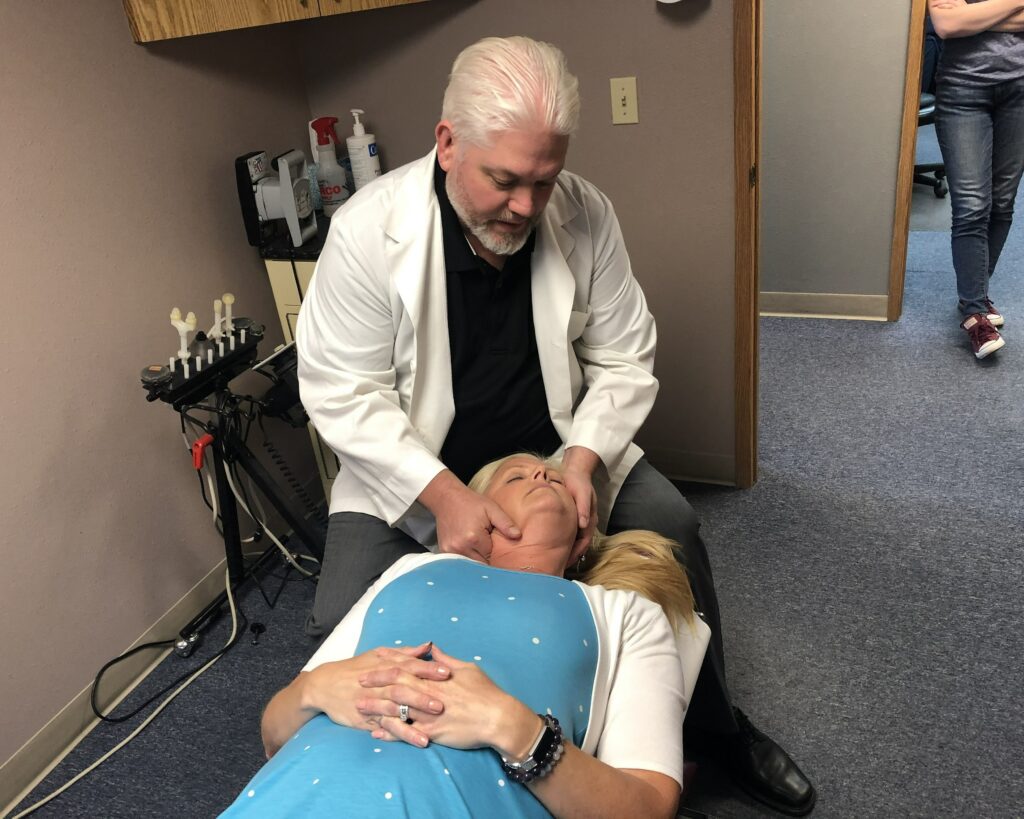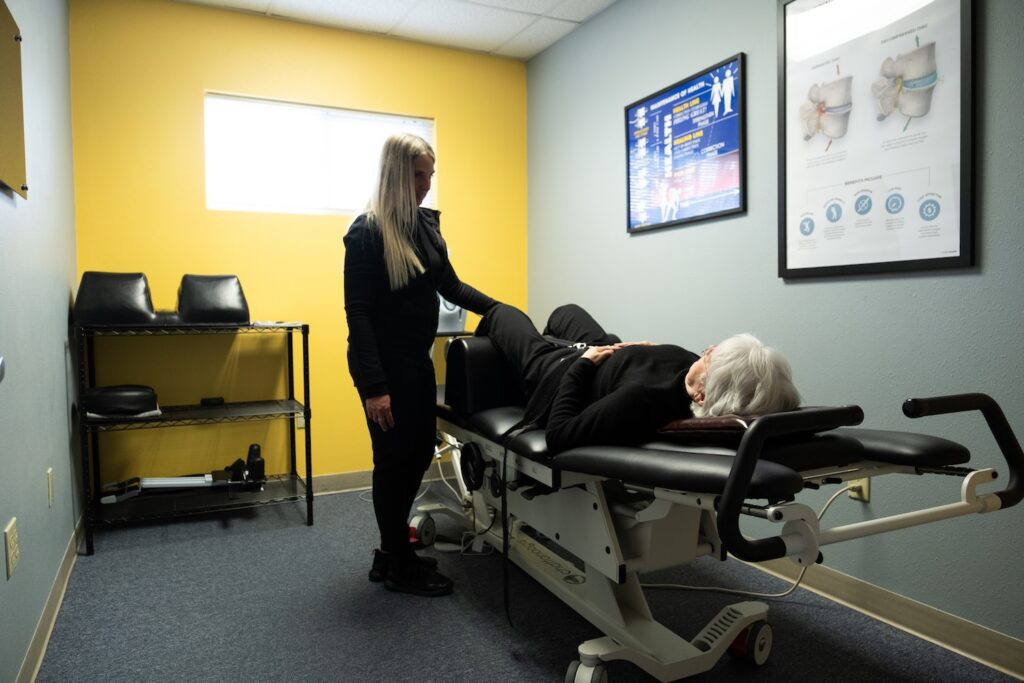

As a local chiropractor, I want to assure you that if you’re dealing with lower back pain, you’re certainly not alone—this is a common challenge many individuals face. Fortunately, there are effective, natural techniques we can explore together to help relieve your discomfort.
One of the key approaches I recommend is incorporating targeted stretching exercises and core strengthening routines into your daily life. These practices can significantly enhance your overall well-being and reduce pain over time. Additionally, paying close attention to your posture and ergonomics is crucial.
By making small adjustments to how you sit, stand, and move, you can create a more supportive environment for your spine. If you’re interested in discovering how these holistic strategies can lead to lasting comfort and improved mobility, I invite you to join me in exploring the best approaches tailored to your unique needs. Together, we can work towards a healthier, pain-free life.
Stretching Exercises for Lower Back Relief
As a local chiropractor, I often see patients who are struggling with lower back pain, and I want to share how incorporating stretching exercises into your daily routine can significantly enhance your recovery and overall well-being.
These stretches are designed to relieve muscle tension, increase flexibility, and improve blood circulation, all of which are essential for healing.
Let’s start with a simple yet effective stretch known as the cat-cow stretch. Begin on all fours, and gently alternate between arching your back upwards and then rounding it downwards. This movement helps to mobilize your spine, promoting better alignment and reducing stiffness.
Next, consider the child’s pose. Kneel on the floor and extend your arms forward while allowing your torso to sink down towards the ground. This stretch not only alleviates tension in your lower back but also encourages relaxation and reduces stress.
Another beneficial stretch is the seated forward bend. Sit with your legs extended in front of you and reach for your toes. You should feel a gentle stretch in your lower back and hamstrings, which can help relieve tightness.
Lastly, don’t overlook the knee-to-chest stretch. While lying on your back, gently pull one knee toward your chest and hold, then switch to the other knee. This stretch is particularly effective for releasing tightness in the lower back and enhancing flexibility.
By regularly practicing these stretches, you can experience significant relief from pain and improve your mobility.
As your chiropractor, I encourage you to incorporate these exercises into your routine, as they align perfectly with our philosophy of natural healing and holistic care.
Strengthening Your Core Muscles
As your local chiropractor, I want to share how strengthening your core muscles can play a crucial role in alleviating lower back pain.
Many people may not realize that a strong core provides essential stability and support for your spine. By incorporating core-strengthening exercises into your daily routine, you can significantly improve your overall well-being.
Allow me to guide you through some key exercises that can help you develop a stronger core, ultimately enhancing your posture and reducing discomfort.
Let’s explore these options together to promote a healthier lifestyle and natural healing.
Essential Core Exercises
As a chiropractor, I often emphasize the importance of strengthening your core muscles for not only relieving lower back pain but also enhancing your overall stability. A strong core provides vital support for your spine and helps to alleviate unnecessary strain on your lower back.
Here are some effective core exercises that I encourage my patients to incorporate into their daily routine:
- Plank: This exercise involves holding your body in a straight line, which engages your entire core. It’s a fantastic way to build endurance and strength in your abdominal muscles.
- Bridge: By lying on your back and lifting your hips while squeezing your glutes, you can activate multiple muscle groups. This exercise helps reinforce the connection between your core and lower body.
- Bird-Dog: Balancing on your hands and knees, extend one arm and the opposite leg. This movement not only strengthens your core but also improves coordination and stability.
- Russian Twists: While seated with your knees bent, twist your torso from side to side. This exercise targets your oblique muscles and helps improve rotational strength.
- Dead Bug: Lying on your back, extend one arm and the opposite leg while ensuring your lower back remains flat against the floor. This exercise is excellent for developing core stability and control.
Incorporating these exercises into your routine not only strengthens your core but also enhances your overall stability, which can be immensely beneficial in alleviating pain and improving your quality of life.
Daily Strength Routine
Incorporating a daily strength routine focused on your core muscles can significantly enhance your stability and overall health. As a chiropractor, I often emphasize the importance of a strong core, as it plays a crucial role in supporting your spine and reducing the risk of lower back pain.
I recommend starting with foundational exercises such as planks, bridges, and bird-dogs. Aim for three sets of 10-15 repetitions for each exercise. You don’t have to devote hours to this; just 15-20 minutes a day can yield noticeable benefits.
As you become more comfortable, you can gradually increase the intensity or duration of your workouts. It’s vital to maintain proper form during these exercises to prevent injury and ensure you’re getting the most out of your routine.
Consistency is essential, so even on your busiest days, try to stick to your routine. With time, you’ll likely notice improved posture and reduced discomfort, which can pave the way for a healthier, more active lifestyle.
Proper Posture and Ergonomics
As a local chiropractor, I want to emphasize the importance of maintaining proper posture and ergonomics to help prevent and alleviate lower back pain. Many people may not realize how crucial it’s to sit, stand, and move correctly. By doing so, you can significantly reduce the stress on your spine and muscles, which in turn helps you feel better throughout your day.
Here are some essential tips I’d like you to consider:
- When sitting, ensure your feet are flat on the floor and your knees form a 90-degree angle. This alignment supports your lower back and promotes good posture.
- Choose a chair that provides adequate support for your lower back. Proper lumbar support is vital in maintaining the natural curve of your spine.
- Position your computer monitor at eye level to prevent unnecessary strain on your neck. This small adjustment can make a big difference in your overall comfort.
- When lifting objects, always bend at your knees and keep the load close to your body. This technique minimizes the risk of injury and protects your back.
- Remember to take regular breaks to stretch and adjust your position, especially if you find yourself sitting for extended periods. Simple stretches can help relieve tension and improve circulation.
By incorporating these practices into your daily routine, you can support your spine’s health and overall well-being.
If you’re experiencing persistent back pain, don’t hesitate to reach out for a consultation. Together, we can explore natural healing techniques that work for you!
Heat and Cold Therapy
As a local chiropractor, I want to share some valuable insights about managing lower back pain through heat and cold therapy.
These natural methods can truly make a difference in your recovery process.
Heat therapy works wonders by relaxing tight muscles and enhancing blood circulation, which can be crucial for alleviating discomfort.
On the other hand, cold therapy is excellent for reducing inflammation and numbing sharp pains, providing immediate relief.
It’s important to understand how to use both techniques effectively in your healing journey.
By incorporating these therapies into your routine, you can experience significant relief from lower back pain and promote a healthier, more balanced body.
If you have any questions or need personalized guidance, feel free to reach out—I’m here to help you on your path to wellness!
Benefits of Heat Therapy
As a local chiropractor, I want to share with you the amazing benefits of heat therapy for relieving lower back pain. Many of my patients may not be familiar with how natural healing methods can enhance their comfort and promote recovery.
Let’s explore some key advantages of incorporating heat therapy into your routine:
- Increased blood flow: Applying heat to your lower back helps dilate blood vessels, which means more oxygen and essential nutrients can reach the affected area, aiding in healing.
- Muscle relaxation: The warmth from heat therapy helps to ease tension in tight muscles, allowing them to relax and reducing discomfort significantly.
- Pain reduction: The soothing sensation of heat can effectively diminish the pain signals that your brain receives, offering you a natural way to find relief.
- Improved flexibility: Warming up your muscles and joints makes it easier for you to move and stretch, enhancing your overall mobility and function.
- Stress relief: Heat therapy can have a calming effect, helping you to unwind and alleviate any stress that may be contributing to your back pain.
Incorporating heat therapy into your wellness routine can be a simple yet powerful way to support your body’s natural healing process.
If you have any questions or would like to learn more about how chiropractic care and heat therapy can benefit you, feel free to reach out!
Advantages of Cold Therapy
As your local chiropractor, I want to share the importance of both heat and cold therapy in managing lower back pain. While many of you may have heard about the benefits of heat, cold therapy is equally essential in your healing journey.
When you apply cold packs to your lower back, it can significantly help reduce inflammation and numb the area, offering immediate relief. This technique is especially beneficial right after an injury or during a flare-up because it constricts blood vessels, which helps minimize swelling.
In my practice, I’ve seen how effectively cold therapy can ease muscle spasms and lessen pain intensity. It’s crucial, however, to protect your skin by wrapping ice or cold packs in a cloth before applying them.
For optimal results, I recommend limiting your cold therapy sessions to about 15-20 minutes at a time. By incorporating cold therapy into your pain management routine, you can experience a transformative impact on your lower back pain relief.
Mindfulness and Stress Reduction Techniques
As a local chiropractor, I want to share some valuable insights on how incorporating mindfulness and stress reduction techniques into your daily life can significantly help alleviate lower back pain.
Many of my patients find that managing stress not only reduces muscle tension but also enhances their overall well-being. Here are some effective methods that I encourage you to consider:
- Deep Breathing: Take a moment to focus on your breath. Inhale deeply through your nose and exhale slowly through your mouth. This practice can promote relaxation and help ease tension in your back.
- Meditation: Spending just a few minutes each day in quiet reflection can work wonders. It allows your mind to settle, reduces stress levels, and can contribute to a more relaxed state overall.
- Yoga: Gentle yoga stretches can be incredibly beneficial. They enhance flexibility and strengthen your core muscles, which are crucial for supporting your spine and preventing pain.
- Progressive Muscle Relaxation: This technique involves tensing and then relaxing each muscle group in your body. It promotes awareness of physical tension and can help you identify areas that may need attention.
- Mindful Walking: Consider taking a slow, intentional walk. Pay attention to each step and your surroundings. This practice can ground you and provide a sense of calm that may alleviate stress-related discomfort.
Integrating these techniques into your routine can complement the chiropractic care you receive, leading to a more holistic approach to managing your lower back pain.
Physical Therapy and Professional Help
As a local chiropractor, I want to highlight the importance of chiropractic care in managing lower back pain. When you come to see me, I’ll conduct a thorough assessment of your condition to create a personalized treatment plan that suits your unique needs.
This plan often includes gentle adjustments to realign your spine, as well as exercises designed to strengthen your core, enhance flexibility, and improve your overall posture.
Chiropractic care not only aims to relieve pain but also focuses on prevention. I’ll teach you techniques to help avoid future problems and maintain your spinal health.
In addition, I may incorporate other natural healing modalities such as massage therapy and targeted stretches to further alleviate discomfort.
Never underestimate the benefits of professional chiropractic guidance; I’m here to keep you motivated and accountable on your path to recovery.
If your pain continues despite our efforts, it’s crucial to seek further evaluation from a healthcare professional. They can help identify any underlying issues that may need additional care.
Lifestyle Changes for Long-Term Pain Management
As a local chiropractor, I want to emphasize that chiropractic care plays a vital role in managing lower back pain, but it’s only one part of a broader strategy for long-term relief.
To truly support your healing journey, I encourage you to make some important lifestyle changes that can enhance your overall well-being. Here are several suggestions that can benefit you:
- Stay active: Engaging in regular low-impact exercises, such as walking or swimming, can help strengthen your back and core muscles, providing essential support for your spine.
- Maintain a healthy weight: Carrying excess weight can put additional strain on your spine. By shedding those extra pounds, you can significantly reduce the pressure on your back.
- Practice good posture: Be mindful of your posture throughout the day. Utilizing ergonomic furniture and paying attention to how you sit and stand can help prevent further discomfort.
- Prioritize sleep: A supportive mattress can make a world of difference. Establishing a consistent sleep routine won’t only promote recovery but also enhance your overall health.
- Manage stress: Chronic stress can lead to muscle tension and exacerbate pain. Incorporating relaxation techniques such as yoga or meditation into your daily routine can help alleviate physical tension and improve your well-being.
Conclusion
As a local chiropractor dedicated to your health, I want to share some effective techniques for relieving lower back pain that you can easily incorporate into your daily routine. By regularly stretching and strengthening your core muscles, you can provide essential support to your spine and significantly reduce discomfort. It’s also important to maintain proper posture throughout your day, whether you’re sitting, standing, or moving.
In addition to these practices, consider the benefits of heat and cold therapy. Applying heat can help relax tense muscles, while cold therapy can reduce inflammation and numb sharp pain. Furthermore, engaging in mindfulness practices can be a powerful tool for managing stress, which can often contribute to physical tension and discomfort.
If you find that your pain persists despite your efforts, I encourage you to seek professional help. As a chiropractor, I can work with you to create a tailored plan that addresses your specific needs and concerns. With dedication to these natural healing methods, you can achieve lasting relief and improve your overall quality of life. Your journey to wellness starts here, and I’m here to support you every step of the way.