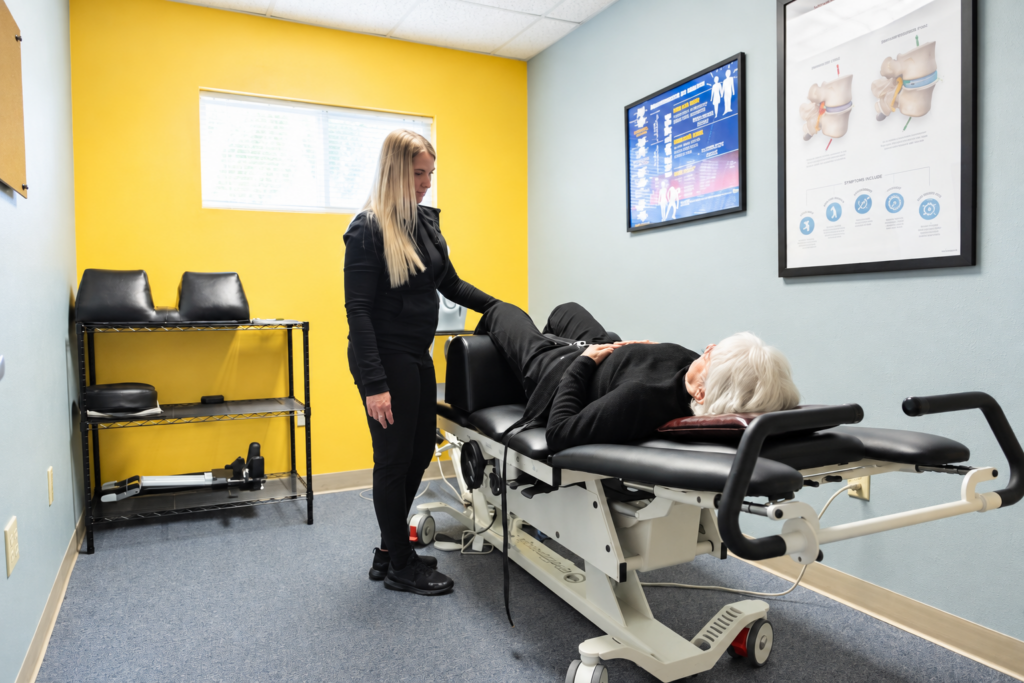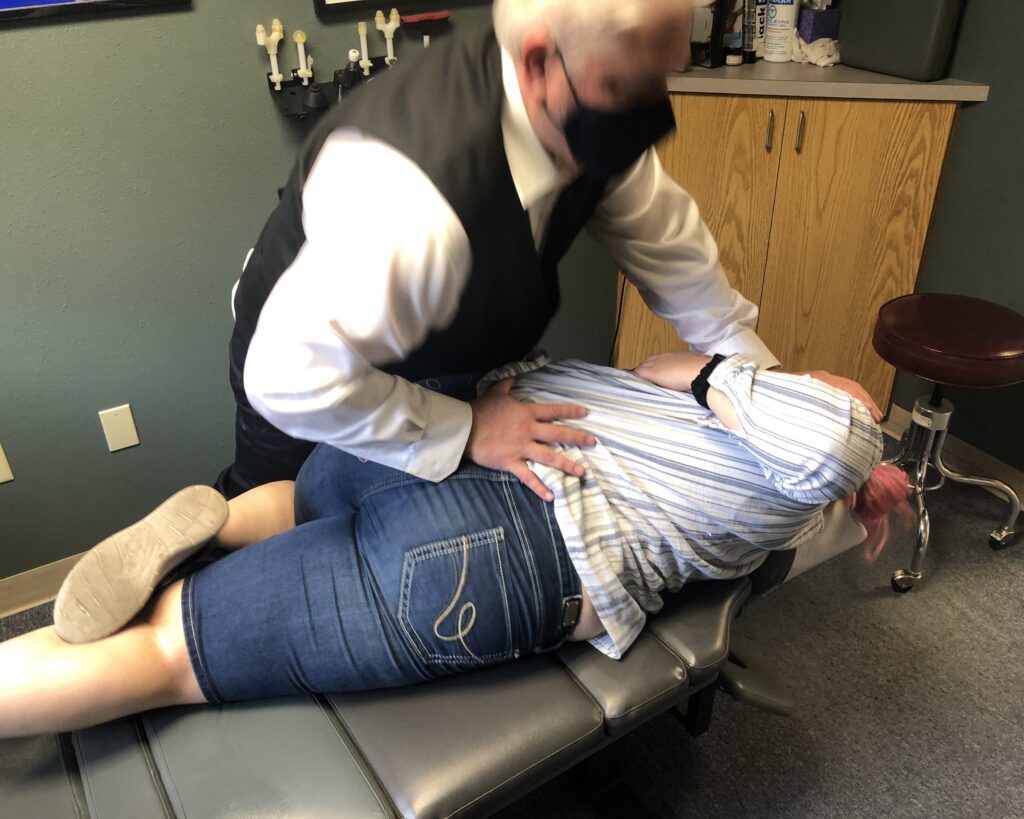

If you’re experiencing lower back pain, it’s important to take proactive steps toward recovery. As a local chiropractor, I want to share with you how even small adjustments in your daily routine can lead to significant relief. Understanding the underlying causes of your discomfort is crucial, and incorporating gentle exercises can make a big difference. Each of these strategies is designed to help you reclaim your quality of life. Let’s dive into the first step on your path to recovery and explore how chiropractic care and natural healing can work for you.
Understand the Cause of Your Pain
As a local chiropractor, I want to help you understand the root causes of your lower back pain so we can work together toward effective relief. Lower back pain can arise from a variety of sources, and it’s important to explore these to find the best solutions for you. Common contributors include poor posture, muscle strain, and sometimes even underlying medical issues that may need to be addressed.
Take a moment to consider your daily habits. How do you sit at your desk? Are you lifting heavy objects correctly? These everyday actions can significantly impact your back health. I encourage you to reflect on your lifestyle and identify any patterns that might be worsening your discomfort.
Additionally, it’s vital to recognize that stress and emotional tension can also present as physical pain in your back. Your mental well-being plays a critical role in your overall health, including how your body responds to stress. If you’ve recently suffered an injury, acknowledging that’s equally important in understanding your pain.
By recognizing these triggers, we can take proactive steps together to promote healing and prevent future issues. Understanding the specific cause of your lower back pain allows us to customize your treatment plan for optimal recovery.
Through chiropractic care, we can address these underlying causes, helping you achieve a healthier, pain-free life.
Incorporate Gentle Stretching Exercises
As your local chiropractor, I want to emphasize the importance of incorporating gentle stretching exercises into your daily routine.
These stretches can significantly enhance your flexibility and are particularly beneficial for alleviating lower back pain. By focusing on specific techniques tailored to your needs, you’ll not only improve your mobility but also promote relaxation in those tight muscles that often contribute to discomfort.
Let’s discuss some effective stretches that can truly make a difference in your recovery journey.
With a little consistency, you’ll find that these gentle movements can help restore balance to your body and support your overall well-being.
Importance of Flexibility
As a local chiropractor, I want to emphasize the vital role flexibility plays in recovering from lower back pain. Flexibility not only helps maintain joint health but also significantly reduces stiffness in the muscles and surrounding tissues.
When you incorporate gentle stretching into your daily routine, you’re not just alleviating discomfort; you’re also enhancing your overall mobility. Improving your flexibility allows your muscles to adapt better to everyday activities, which is key in preventing future injuries.
It’s essential to listen to your body during this process; pushing too hard can exacerbate your pain instead of relieving it. Focus on stretches that specifically target your lower back, hips, and legs.
By regularly practicing these stretches, you’ll notice a remarkable difference in your recovery journey. You’ll regain the ability to move freely and comfortably, which is crucial for your overall well-being.
Embracing flexibility is a natural and effective way to enhance your lower back health, and I encourage you to prioritize it as part of your healing process.
Recommended Stretching Techniques
As a local chiropractor, I want to share how gentle stretching exercises can significantly aid in your recovery from lower back pain. Incorporating these stretches into your daily routine can’t only improve your flexibility but also relieve tension and promote healing in your body.
Let’s explore three effective stretches that you can easily do at home:
- Cat-Cow Stretch: Begin on your hands and knees. As you inhale, arch your back, lifting your head and tailbone towards the ceiling (this is the Cow position). Then, exhale and round your spine, tucking your chin and tailbone (this is the Cat position). Repeat this flow for 5-10 breaths to help mobilize your spine.
- Child’s Pose: Start by kneeling on the floor. Gently sit back on your heels and stretch your arms forward on the ground, allowing your forehead to rest on the floor. Hold this position for about 30 seconds while taking deep, calming breaths. This pose helps to stretch and relax your lower back.
- Knee-to-Chest Stretch: Lie on your back and bring one knee up towards your chest while keeping the other leg extended on the ground. Hold this stretch for 20-30 seconds on each side. This is a great way to relieve tightness in your lower back and improve flexibility.
These gentle stretches can help alleviate your discomfort and support a smoother recovery process.
Strengthen Your Core Muscles
As a local chiropractor, I want to emphasize the importance of strengthening your core muscles for overall spinal health.
A strong core provides essential stability and support for your lower back, which can help alleviate pain and improve your posture. By incorporating effective core exercises into your daily routine, you can enhance your body’s natural alignment and function.
Additionally, don’t overlook the significance of stretching for flexibility; it beautifully complements your core strength training and can further enhance your well-being.
Embracing these practices can lead to a healthier, more balanced life, and I’m here to guide you on that journey.
Importance of Core Stability
As a local chiropractor, I often see patients who are unaware of the significant role that core stability plays in managing lower back pain.
It’s crucial to understand that strengthening your core muscles is vital for supporting your spine and enhancing your overall posture. A robust core helps distribute weight more evenly, which can significantly reduce strain on your lower back.
Here are three essential reasons why core stability is important for your health:
- Injury Prevention: A stable core acts as a protective barrier for your spine during everyday activities and exercise, helping to lower the risk of injuries. By developing your core strength, you create a solid foundation for all your movements.
- Enhanced Performance: When your core muscles are strong, you’ll notice improvements in your balance and coordination. This not only makes physical tasks easier but also boosts your performance in various activities, whether it’s exercising, playing sports, or simply moving throughout your day.
- Pain Reduction: By focusing on core strength, you can alleviate pressure placed on your back. This can lead to a significant reduction in pain and discomfort, allowing you to enjoy a more active and fulfilling lifestyle.
As we work together on your journey to better health, remember that nurturing your core stability is a natural and effective way to support your spine and overall well-being.
Effective Core Exercises
As a local chiropractor, I want to emphasize the vital role that core stability plays in maintaining your back health. Incorporating effective core exercises into your routine can significantly enhance your overall well-being.
I recommend focusing on exercises such as planks, bridges, and bird-dogs, which engage various muscle groups and provide a strong foundation for your spine.
Let’s start with planks: position yourself on your forearms and toes, keeping your body in a straight line. Aim to hold this position for 20-30 seconds.
Next, for bridges, lie on your back with your knees bent and feet flat on the ground. Lift your hips while squeezing your glutes to engage your core effectively.
Lastly, bird-dogs involve balancing on your hands and knees while you extend one arm forward and the opposite leg back. This exercise not only builds strength but also improves coordination.
I suggest performing 2-3 sets of 10-15 repetitions for each exercise. Remember, consistency is key!
Try to incorporate these exercises into your workout routine a few times a week. Strengthening your core won’t only support your spine but also enhance your overall stability, which is essential for a healthy and active lifestyle.
If you have any questions about these exercises or how they relate to your chiropractic care, don’t hesitate to ask!
Stretching for Flexibility
As a local chiropractor, I want to emphasize the importance of incorporating regular stretching into your daily routine. Not only does stretching enhance your overall flexibility, but it also complements the core strengthening exercises we often discuss in our sessions.
Improved flexibility can provide crucial support to your back and significantly reduce pain. Here are three effective stretches that I recommend:
- Cat-Cow Stretch: This dynamic stretch is fantastic for increasing spinal flexibility. By alternating between arching and rounding your back, you can warm up your back muscles and alleviate discomfort.
- Child’s Pose: This gentle resting position is particularly beneficial for stretching your lower back, hips, and thighs. It promotes relaxation and helps ease tension, making it an excellent addition to your routine.
- Seated Forward Bend: While seated, gently reach for your toes. This stretch targets your hamstrings and lower back, providing relief and helping to reduce discomfort.
Incorporating these stretches into your daily activities can lead to significant improvements in your flexibility and overall back health.
Maintain Good Posture
As your local chiropractor, I want to emphasize the importance of maintaining good posture for your overall health, especially when it comes to alleviating lower back pain and preventing future issues. Many people are unaware of how vital alignment is in their everyday activities.
Whether you’re standing, sitting, or moving, being conscious of your posture can lead to significant improvements in your comfort levels.
When standing, be sure to keep your shoulders back and relaxed, and position your head directly over your spine. This alignment helps distribute your weight evenly across both feet, which can prevent strain on one side of your body.
For those of you who spend long hours at a desk, it’s crucial to adjust your workstation ergonomically. Your computer screen should be at eye level, and your feet should rest flat on the ground to promote a healthy sitting posture.
Choosing a chair that supports your lower back is essential as well; slumping can exacerbate discomfort.
Remember, it’s also important to take regular breaks to stretch and reset your posture throughout the day.
By prioritizing good posture and making these small adjustments, not only can you reduce discomfort, but you’ll also enhance your overall well-being.
This proactive approach can make your recovery journey smoother and more effective, leading to a healthier, pain-free life.
Use Heat and Cold Therapy
As your local chiropractor, I want to emphasize the importance of maintaining good posture to prevent lower back pain.
However, I also want to introduce you to the benefits of heat and cold therapy, which can provide immediate relief and support your recovery journey. These two methods serve different purposes, and I encourage you to incorporate them into your routine for optimal results:
- Cold Therapy: If you experience sharp pain or inflammation, applying an ice pack wrapped in a cloth to the affected area for 15-20 minutes can be very beneficial. Cold therapy helps numb the pain and reduces swelling right after an injury or during a flare-up.
- Heat Therapy: On the other hand, heat therapy can work wonders for tight muscles and poor circulation. Using a heating pad or a warm towel on your lower back for 15-20 minutes can help relax those tight areas and improve blood flow. Just make sure the heat is warm, not scalding, to avoid burns.
- Switching Techniques: Many patients find that alternating between heat and cold therapy can enhance their comfort and expedite the healing process. By alternating these methods, you can address pain and tension more effectively.
Incorporating these therapies into your self-care routine can be an effective way to manage discomfort and support your overall wellness.
If you have any questions about how to best implement these techniques or if you’d like personalized recommendations, please feel free to reach out during your next visit!
Consider Over-the-Counter Pain Relief
As a local chiropractor, I want to share some insights about managing lower back pain, particularly if you’re not familiar with chiropractic care and natural healing approaches.
When lower back pain strikes, many individuals turn to over-the-counter pain medications for relief. While these can provide temporary comfort, it’s important to understand the implications of their use.
Nonsteroidal anti-inflammatory drugs (NSAIDs) like ibuprofen and naproxen can help reduce inflammation and alleviate discomfort. They work by blocking pain signals, which may allow you to regain some mobility. However, it’s crucial to read the label and adhere to the recommended dosages. If you have any pre-existing conditions or are on other medications, I strongly recommend consulting with your healthcare provider to avoid any potential interactions.
Acetaminophen is another option for managing pain, offering relief without the anti-inflammatory properties. Just be mindful of any side effects and discontinue use if you experience any adverse reactions.
While these over-the-counter medications can be helpful for short-term relief, they don’t address the underlying issues that may be contributing to your pain. That’s where chiropractic care comes in.
As a chiropractor, I focus on treating the root causes of pain through natural healing methods, such as spinal adjustments, therapeutic exercises, and lifestyle recommendations.
It’s essential to consider your long-term health and explore comprehensive treatment plans. I encourage you to seek professional guidance for ongoing pain management, as a holistic approach can provide more sustainable relief and improve your overall well-being.
Stay Active With Low-Impact Activities
As a local chiropractor, I want to emphasize the importance of staying active to manage lower back pain effectively. Engaging in low-impact activities can significantly help alleviate discomfort while strengthening your muscles and enhancing flexibility, ultimately making your daily tasks easier.
Here are three low-impact activities I recommend to my patients:
- Walking: This is one of the simplest and most beneficial ways to stay active. Walking promotes better circulation and can help reduce stiffness in your back. I suggest aiming for a brisk pace for at least 30 minutes most days to reap the maximum benefits.
- Swimming: This exercise is fantastic for those suffering from back pain, as it supports your body while allowing you to work your muscles without impact. Whether you’re swimming laps or just enjoying a relaxed float, you’re likely to find relief from your discomfort.
- Yoga: Gentle yoga can be incredibly beneficial for enhancing flexibility and strengthening core muscles, which are vital for spinal support. I recommend looking for classes that focus on restorative poses, as these can help you avoid strain while promoting healing.
Incorporating these activities into your routine can be a natural and effective way to manage your back pain.
Practice Mindfulness and Relaxation Techniques
As your local chiropractor, I want to share how practicing mindfulness and relaxation techniques can significantly alleviate your lower back pain.
Incorporating breathing exercises, guided meditation, and progressive muscle relaxation into your daily routine can’t only help reduce stress but also foster healing within your body.
These techniques work hand-in-hand with chiropractic care, enhancing your overall well-being and supporting your recovery journey.
Breathing Exercises Benefits
As a local chiropractor, I want to share with you the incredible benefits of incorporating breathing exercises into your daily routine, especially when it comes to recovering from lower back pain.
Many people overlook this simple practice, but it can be a powerful tool in your healing journey. Here’s how breathing exercises can help:
1. Reduces tension: Deep breathing techniques promote relaxation, which can significantly ease the muscle tightness that often contributes to back pain.
By learning to breathe deeply, you can help release built-up stress in your body.
2. Improves circulation: When you focus on your breath, you enhance blood flow to areas that may be affected by pain.
This increased circulation not only facilitates healing but can also help reduce discomfort in your lower back.
3. Enhances mindfulness: Concentrating on your breath encourages a heightened awareness of your body.
This mindfulness can be crucial in helping you prevent further injury and develop better posture, which are essential aspects of maintaining spinal health.
I encourage you to practice these breathing techniques regularly.
They can empower you to manage your pain more effectively and support your overall recovery.
So, take a moment each day to breathe deeply; you may be surprised at how much of a positive impact it can have on your well-being.
Guided Meditation Practices
Have you ever thought about how guided meditation could support your recovery from lower back pain? As a chiropractor, I see firsthand the impact that stress and tension can have on your body.
Guided meditation promotes mindfulness, which helps you focus your thoughts and alleviate stress. By participating in a guided session, you can foster a sense of calm that allows your body to relax and facilitate healing.
As you listen to the soothing guidance, you’ll find it easier to release tension not just in your back, but in the surrounding muscles as well. Incorporating regular meditation into your routine can also enhance your overall mental well-being, making you more resilient when dealing with pain.
You don’t have to dedicate hours to this practice; even just a few minutes each day can yield significant benefits. So, I encourage you to explore this gentle yet powerful approach to recovery. It could play a vital role in your journey toward healing and overall health.
Progressive Muscle Relaxation
As a local chiropractor, I often recommend Progressive Muscle Relaxation (PMR) as an effective method for managing lower back pain and alleviating overall tension in the body. This technique emphasizes the importance of tensing and relaxing specific muscle groups, promoting a profound sense of calm and relief.
Here’s how you can practice PMR to benefit your body and support your healing process:
- Choose a comfortable position: Find a quiet space where you can either sit or lie down without interruptions. This will create an ideal environment for relaxation.
- Focus on your breath: Begin by taking slow, deep breaths. Inhale deeply to fill your lungs, and then exhale gently, allowing any stress to leave your body with each breath.
- Tense and relax your muscles: Start with your toes. Tense the muscles in this area for about five seconds, then release the tension completely. Gradually work your way up through your body, finishing with your neck and shoulders.
Incorporating PMR into your daily routine can significantly aid in your recovery from lower back pain, enhancing your overall well-being.
As you learn to connect with your body through relaxation techniques like PMR, you’ll likely find that it complements the chiropractic care you receive, leading to improved physical health and a greater sense of balance.
Seek Professional Help if Needed
If you’re dealing with ongoing lower back pain despite trying various self-care methods, it’s important to consider seeking help from a chiropractor.
As a chiropractic professional, I can provide a thorough assessment of your condition and develop a personalized treatment plan tailored to your needs. This may include spinal adjustments, exercises, and other natural healing techniques aimed at alleviating your pain.
If you notice severe pain, numbness, or weakness in your legs, don’t wait to reach out for assistance. These symptoms could indicate a more serious underlying issue that requires prompt attention.
A chiropractor can help you understand the root cause of your discomfort and guide you through safe exercises that promote healing and strengthen your back.
It’s crucial to remember that ignoring persistent pain can lead to more significant problems down the line. Your health and well-being are important, and we’re here to support you on your journey to recovery.
Make Lifestyle Changes for Long-Term Relief
As a chiropractor, I understand that managing lower back pain can seem daunting, but making some targeted lifestyle changes can lead to significant long-term relief.
Here are three essential adjustments I encourage my patients to consider:
- Stay Active: Engaging in low-impact activities like walking, swimming, or yoga is crucial for your overall health. Regular movement not only strengthens your muscles but also enhances flexibility, which can help alleviate discomfort in your lower back.
- Improve Posture: Many people overlook the importance of posture in their daily lives. Whether you’re sitting, standing, or lifting, being mindful of your alignment can make a big difference. Utilizing ergonomic furniture and practicing proper body mechanics can significantly reduce the strain on your spine.
- Maintain a Healthy Weight: Carrying excess weight can place additional stress on your spine, exacerbating pain. By focusing on a balanced diet and incorporating regular exercise into your routine, you can achieve and maintain a healthy weight, which in turn supports your back health.
These lifestyle adjustments, in combination with chiropractic care, can greatly enhance your journey toward a pain-free life.
Let’s work together to create a plan that suits your individual needs!
Conclusion
As a local chiropractor, I want to emphasize that recovering from lower back pain involves a proactive and holistic approach. It’s important to first understand the underlying cause of your pain. Incorporating gentle stretching and strengthening exercises for your core can greatly aid in your recovery. Additionally, maintaining good posture throughout your daily activities is crucial for long-term relief.
I also encourage the use of heat and cold therapy to manage discomfort, as well as staying active with appropriate exercises tailored to your condition. Practicing mindfulness can be beneficial too, as it helps you develop a better awareness of your body and stress levels.
If you find that your pain persists despite these efforts, it’s vital to seek professional help. As a chiropractor, I can provide personalized care that addresses your specific needs and promotes natural healing. Remember, small lifestyle adjustments can lead to significant improvements in your back health. Take charge of your recovery today, and let’s work together towards a stronger, healthier back!