
Headaches can be a common yet disruptive issue, but there are natural ways to find relief that align with your overall health and wellness. As a chiropractor, I believe in the power of your body to heal itself, and making small adjustments to your daily habits can lead to significant improvements in how you feel.
One of the first steps you can take is to stay properly hydrated. Dehydration is a common trigger for headaches, so drinking enough water throughout the day is essential. Also, consider incorporating relaxation techniques like deep breathing or gentle stretching. These methods can help reduce tension in the neck and shoulders, which is often a contributing factor to headaches.
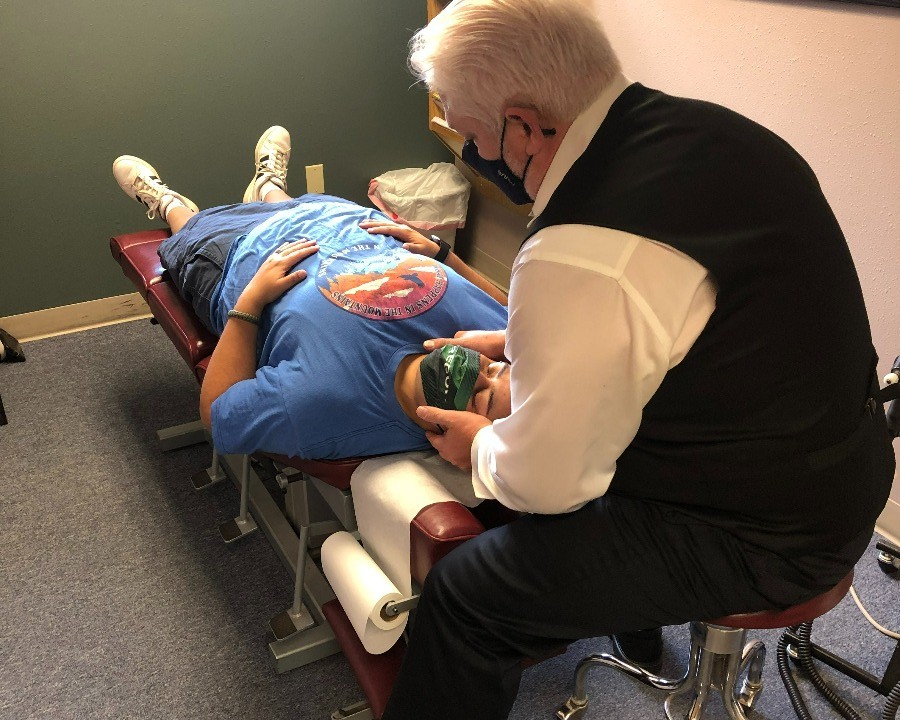
Chiropractic care is another powerful tool for headache relief. Misalignments in the spine can lead to tension and pain in the head. By visiting a chiropractor, you can receive adjustments that may alleviate the underlying causes of your headaches, helping you regain both clarity and comfort.
You might be surprised at how effective natural remedies like essential oils or acupressure can be as complementary practices. For instance, applying peppermint or lavender oil to your temples may help ease tension. Similarly, acupressure techniques can target specific points in your body to relieve headache symptoms.
If you’ve been searching for strategies to ease your discomfort, consider these natural methods alongside regular chiropractic care. Together, they can help you achieve optimal health and overall wellness. Remember, it’s crucial to listen to your body and make adjustments that support a healthier lifestyle. By doing so, you can pave the way to a pain-free life.
Key Takeaways
- Stay well-hydrated by drinking at least eight glasses of water daily. Dehydration can lead to headaches, so keeping your body hydrated is essential for maintaining overall health and wellness. Remember, proper hydration supports your spinal health too!
- Incorporate relaxation techniques such as deep breathing and mindfulness meditation into your daily routine. These practices can help reduce stress and tension, both of which are common triggers for headaches. By managing stress, you can also support your spine and overall well-being.
- Engage in regular physical activity like brisk walking or yoga. These activities not only release natural pain-relieving endorphins but also help alleviate muscle tension that can contribute to headaches. Plus, staying active is great for your spine and overall health.
- Maintain good posture, especially while sitting at a desk or working on a computer. Poor posture can lead to tension headaches and negatively impact your spinal health. Be mindful of how you’re sitting, and consider regular check-ins with your chiropractor for tips on maintaining proper alignment.
- Consider using essential oils, such as peppermint, for their cooling effects and potential headache relief. When applied topically, these oils can be a wonderful natural option to help ease discomfort. However, always remember that chiropractic care is the best approach for addressing the root causes of pain and promoting long-term wellness.
By incorporating these natural strategies into your daily routine, you can significantly reduce the frequency and intensity of headaches, while also supporting your overall health. Don’t forget, regular visits to your chiropractor can further enhance your journey to optimal wellness!
Stay Hydrated
Staying hydrated is vital for overall health and wellness, especially when it comes to preventing headaches. Many people don’t realize that dehydration can often be the hidden cause behind those nagging headaches. When you don’t drink enough water, your body may react by triggering pain, leaving you feeling uncomfortable and distressed. In our busy lives, it’s easy to forget about hydration, but making a dedicated effort to drink fluids can significantly improve your well-being.
As a local chiropractor, I emphasize the importance of proper hydration not just for headache prevention, but for supporting your spinal health and overall vitality. Aim for at least eight glasses of water each day, and remember, don’t wait until you feel thirsty to take a sip. Keeping a water bottle close by can serve as a gentle reminder to hydrate throughout the day. For an added boost, consider infusing your water with fruits or herbs – this can make drinking water more enjoyable and refreshing.
If you feel a headache starting to creep in, try drinking a glass of water first. You might be amazed at how quickly you can find relief simply by rehydrating your body. It’s a natural and effective way to support your health without relying on medications or other treatments.
In addition to hydration, regular chiropractic care can also play a key role in managing headaches and promoting better health. By ensuring that your spine is aligned and functioning properly, chiropractic adjustments can help alleviate tension and improve your body’s ability to cope with stress. So, make hydration a priority in your daily routine, and consider incorporating chiropractic care into your wellness plan for optimal health.
Practice Relaxation Techniques
When you feel a headache coming on, incorporating relaxation techniques can be a natural and effective way to alleviate discomfort. As a chiropractor, I want to emphasize that while these techniques can provide relief, regular chiropractic care plays a crucial role in promoting overall wellness and preventing headaches.
Here are some simple relaxation methods you can use to help relieve tension:
| Technique | Description | Benefits |
|---|---|---|
| Deep Breathing | Inhale deeply through your nose, then exhale slowly through your mouth. | Reduces anxiety, promotes a sense of calm. |
| Progressive Muscle Relaxation | Focus on tensing each muscle group for a few seconds, then relax them. | Helps ease physical tension, which can contribute to headaches. |
| Guided Imagery | Visualize a peaceful scene, like a beach or forest, to distract your mind from pain. | Enhances relaxation and can improve focus on healing. |
Incorporating these relaxation techniques into your daily routine can lead to fewer headaches and better overall well-being. However, for long-term relief and to address the root causes of headaches, consider regular chiropractic adjustments. Chiropractic care can help align your spine and relieve pressure on nerves, which may be contributing to your discomfort.
Apply Essential Oils
Essential oils can be a valuable tool in your journey towards relief from headaches, complementing the benefits of chiropractic care. Popular options like peppermint and lavender have distinct properties that can aid in relaxation and tension relief. However, it’s crucial to know how to apply them safely to maximize their effectiveness.
Let’s delve into some simple application techniques and important safety tips that can enhance your overall wellness.
First, when applying essential oils, always dilute them with a carrier oil, such as coconut or almond oil, to avoid skin irritation. A good rule of thumb is to use one drop of essential oil to every teaspoon of carrier oil.
You may find it helpful to apply diluted essential oils to your temples, the back of your neck, or even your wrists. Gently massaging these areas can’t only provide immediate relief but also promote relaxation, which is essential for overall health.
Additionally, consider using a diffuser to inhale the calming scents of essential oils. This method can help create a tranquil environment, further supporting your body’s natural healing processes.
As always, it’s important to remember that while essential oils can offer relief, they shouldn’t replace regular chiropractic care. Chiropractic adjustments can help address the underlying issues contributing to your headaches, such as spinal misalignments and tension in the neck and shoulders. By combining the benefits of essential oils with chiropractic care, you can achieve a more holistic approach to your health and wellness.
Popular Essential Oils
As a local chiropractor, I understand that headaches can be a real pain—literally!
While chiropractic care is one of the best ways to relieve headaches and promote overall wellness, there are also natural remedies that can complement your wellness routine.
Here are some popular essential oils that may help ease headache discomfort and encourage relaxation:
- Peppermint Oil: This oil has a refreshing, cooling effect that can enhance circulation and provide relief. A gentle massage with peppermint oil on your temples can work wonders.
- Lavender Oil: Known for its calming and soothing properties, lavender oil can help reduce stress and anxiety, common triggers for headaches. Diffusing lavender oil in your home can create a peaceful environment.
- Eucalyptus Oil: If you suffer from sinus headaches, eucalyptus oil might be beneficial due to its anti-inflammatory properties. It can help clear your airways and promote easier breathing, which is essential for overall wellness.
- Rosemary Oil: This oil is fantastic for sharpening mental clarity and reducing tension. Incorporating rosemary oil into your routine can be especially helpful for those stress-related headaches.
- Chamomile Oil: Renowned for its calming effects, chamomile oil can help you unwind and alleviate pain. Consider adding a few drops to your evening routine to promote relaxation.
While these essential oils can offer some relief, nothing beats the comprehensive care you receive from chiropractic treatments.
A chiropractor can help address the root causes of your headaches, such as spinal misalignments, and guide you toward optimal health through natural methods.
For a holistic approach to managing headaches, consider these tips:
- Stay Hydrated: Dehydration can cause headaches, so ensure you’re drinking enough water throughout the day.
- Practice Good Posture: Poor posture can lead to tension headaches. Be mindful of your posture, especially if you sit for long periods.
- Regular Chiropractic Adjustments: Routine visits to your chiropractor can help maintain spinal health and prevent headaches from occurring.
- Establish a Relaxation Routine: Incorporate relaxation techniques such as deep breathing, meditation, or gentle stretching into your daily routine to reduce stress.
By combining these natural remedies with chiropractic care, you can work towards better health and a life with fewer headaches.
Always remember, your well-being is a journey, and I’m here to support you along the way!
Application Techniques
To effectively use essential oils for headache relief, it’s important to know how to apply them properly. As a chiropractor, I encourage you to consider natural remedies like essential oils as part of your overall wellness journey. Start by selecting an essential oil known for its soothing properties, such as peppermint or lavender. Remember to dilute a few drops in a carrier oil, like coconut or jojoba oil, to minimize any risk of skin irritation.
Gently massage the mixture into your temples and the back of your neck in circular motions. This not only helps to distribute the oil but also promotes relaxation, which is vital for headache relief. Additionally, you can inhale the oil directly from the bottle or use a diffuser to spread the calming aroma throughout your space.
Another effective technique is to create a warm compress: soak a cloth in warm water mixed with your chosen essential oil and place it on your forehead.
These simple techniques can enhance your relaxation and contribute to headache relief, complementing the benefits of chiropractic care. Remember, maintaining proper spinal alignment and overall wellness through regular chiropractic visits can help prevent headaches and promote a healthier lifestyle. Focus on these natural methods, and consider integrating chiropractic care into your routine for optimal health.
Safety Precautions
When it comes to finding relief from headaches, many people seek natural solutions, and essential oils can be a great option. However, ensuring your safety while using these oils is essential.
Here are some simple precautions to keep in mind:
- Dilution is key: Always mix essential oils with a carrier oil, like coconut or olive oil, before applying them to your skin. This helps prevent irritation and makes them safer to use.
- Test before you invest: Before applying a new oil, do a patch test. Simply put a small amount of the diluted oil on your skin to check for any allergic reactions.
- Stay clear of sensitive spots: It’s important to keep essential oils away from your eyes and any sensitive areas of your body to avoid discomfort.
- Talk to your doctor: If you’re pregnant, nursing, or have any existing health concerns, it’s best to consult with a healthcare professional before using essential oils.
- Keep them out of reach: To prevent accidents, store your essential oils in a safe place, away from children and pets.
While essential oils can be a wonderful addition to your wellness routine, don’t forget to consider the benefits of chiropractic care!
Regular visits to a chiropractor can help alleviate headaches by addressing the root causes of pain, such as tension in the spine and neck. Chiropractic adjustments can enhance your overall health and support your body’s natural healing processes. Prioritizing chiropractic care can be a fantastic way to achieve long-term relief and promote a healthier lifestyle.
Maintain a Consistent Sleep Schedule
Maintaining a consistent sleep schedule is a vital part of managing headaches and overall wellness. When you go to bed and wake up at the same time every day, your body learns to expect rest, helping to regulate your internal clock. This consistency not only aids in reducing the frequency and intensity of headaches, but it also promotes better spinal health, which is crucial for your overall well-being.
Aim for seven to nine hours of quality sleep each night. Establishing a calming bedtime routine can signal to your body that it’s time to wind down. Simple activities like reading a book or practicing relaxation techniques can be beneficial. It’s also a good idea to avoid screens an hour before bedtime, as the blue light can disrupt your sleep quality and, in turn, affect your spinal health.
If falling asleep is a challenge for you, consider reducing caffeine intake and avoiding heavy meals in the evening. Additionally, be mindful of naps as they can impact your nightly rest—keeping them short and earlier in the day can help maintain your sleep consistency.
By prioritizing a regular sleep schedule, you’re taking an important step towards not only alleviating headaches but also enhancing your overall health. Incorporating chiropractic care into your routine can further support your journey to optimal wellness, addressing the root causes of discomfort and promoting natural healing.
Incorporate Regular Exercise
Regular exercise is a vital component in alleviating headaches and enhancing your overall health.
Staying active not only releases endorphins, which help reduce pain and tension, but it also improves sleep quality and lowers stress—two common headache triggers that many of my chiropractic patients experience.
As a chiropractor, I often emphasize the importance of a healthy lifestyle, which includes incorporating regular exercise into your daily routine.
Here are some simple and effective ways to get moving and support your spinal health:
- Take Daily Walks: A brisk 30-minute walk can do wonders for clearing your mind and relieving tension. It’s also a great way to improve your posture, which is crucial for spinal health.
- Try Yoga: This practice is fantastic for promoting relaxation and stretching tight muscles. Yoga can help improve your flexibility and strengthen your core, providing better support for your spine.
- Join a Fitness Class: Engaging in group activities keeps you motivated and focused. Many classes are designed to be gentle on the body, making them suitable for all fitness levels while promoting overall wellness.
- Swim Regularly: Swimming is a low-impact exercise that’s easy on your joints and can help strengthen back muscles. It’s an excellent option for those looking to stay active without straining their bodies.
- Dance It Out: Moving to your favorite music isn’t only fun but also a great way to elevate your heart rate and release endorphins. Dancing can improve your coordination and balance, which is beneficial for spinal stability.
Incorporating these activities into your routine can enhance your well-being while complementing your chiropractic care.
Remember, the goal is to create a lifestyle that supports your spine and overall health naturally.
Always consult with your chiropractor for personalized advice tailored to your specific needs, and together, we can work towards achieving optimal health!
Use Cold or Warm Compresses
After incorporating regular exercise into your routine, consider enhancing your headache relief with cold or warm compresses, as these can complement the benefits of chiropractic care.
Cold compresses are particularly effective at reducing inflammation and numbing sharp pain. To use this method, simply wrap some ice or a cold pack in a cloth and apply it to your forehead or the back of your neck for about 15-20 minutes. You should feel a soothing sensation as the cold helps alleviate tension.
Conversely, warm compresses can be beneficial for relaxing tight muscles and promoting better blood flow. A warm towel or heating pad placed on your forehead or neck can provide significant comfort and help ease tension headaches. You might find that alternating between cold and warm compresses yields the best results, as this combination can effectively address different aspects of your discomfort.
It’s worth experimenting with both methods to discover which works best for you. Always remember to listen to your body and take breaks as needed. These simple techniques, alongside regular chiropractic adjustments, can be powerful tools in your arsenal for achieving headache relief and overall wellness.
Manage Stress Levels
Managing your stress levels is vital for effective headache relief, and chiropractic care can play a key role in this process. By focusing on spinal health, you can enhance your body’s natural ability to cope with stress and tension. Regular chiropractic adjustments can help restore proper alignment, reduce muscle tension, and improve overall well-being.
In addition to chiropractic care, consider integrating mindfulness meditation into your routine. This practice can help calm the mind and promote relaxation. Engaging in physical activity, such as yoga or walking, can also be beneficial. It not only helps to release endorphins, which are natural pain relievers, but also strengthens your body, supporting your spine and reducing the risk of headaches.
Establishing healthy boundaries in your daily life is another crucial step. Prioritizing your well-being and learning to say no can reduce stress and help you maintain a balanced lifestyle.
These simple strategies, combined with regular chiropractic care, can empower you to take control of your health, leading to fewer headaches and a greater sense of wellness. Remember, a healthy spine is the foundation of a healthy life, and chiropractic care is your partner in achieving optimal health naturally.
Practice Mindfulness Meditation
As a local chiropractor, I understand the connection between stress and headaches, and I want to share how mindfulness meditation can play a role in your overall health and wellness.
By incorporating mindfulness into your daily routine, you can significantly reduce stress levels, which is a common trigger for headaches.
When you focus on the present moment, it encourages a sense of calm that can alleviate tension and discomfort in your body, including your spine.
Here are some benefits you can expect from practicing mindfulness meditation alongside regular chiropractic care:
- Reduces anxiety and promotes relaxation, which can enhance your chiropractic adjustments
- Enhances your emotional resilience, helping you better cope with pain and discomfort
- Improves concentration and mental clarity, enabling you to make healthier choices
- Encourages better sleep patterns, which are crucial for recovery and healing
- Fosters a greater sense of self-awareness, allowing you to listen to your body and recognize when you need care
To get started with mindfulness meditation, find a quiet space, sit comfortably, and focus on your breath.
Just a few minutes a day can make a world of difference in how you feel.
By making mindfulness meditation a regular practice, you empower yourself to manage stress effectively and can enhance the benefits of chiropractic care, ultimately reducing headache frequency and improving your overall well-being.
Engage in Physical Activity
Engaging in regular physical activity is an excellent way to manage stress and alleviate headaches, and as a chiropractor, I want to emphasize how this can complement your journey toward optimal health.
When you exercise, your body releases endorphins, which are natural mood enhancers that can also help reduce pain. Even simple activities like a brisk walk or short workout can clear your mind and relieve built-up tension in your muscles and spine.
Aim for at least 30 minutes of moderate activity most days, whether it’s jogging, dancing, or even gardening. The key is to find an activity you enjoy, making it easier to incorporate into your daily routine. Staying active not only boosts your physical health but also enhances your mental well-being, serving as a powerful tool in managing headaches and stress.
In addition to physical activity, consider regular chiropractic adjustments. Chiropractic care focuses on spinal health, which is vital for your overall well-being. A well-aligned spine can help improve your body’s function and reduce tension that may contribute to headaches.
Remember, prioritizing your health through movement and chiropractic care creates a solid foundation for a healthier, pain-free life.
Establish Healthy Boundaries
Establishing healthy boundaries is vital for your overall well-being and can significantly reduce stress levels, which is essential for maintaining a healthy spine and body.
As a chiropractor, I encourage you to prioritize your health by protecting your time and energy. By doing so, you can help alleviate headaches and other pain-related issues.
Here are some straightforward strategies to consider:
- Learn to say no when you’re feeling overwhelmed. Remember, it’s okay to prioritize your health over obligations.
- Communicate your needs clearly with friends, family, and colleagues. Let them know how they can support you in maintaining your wellness.
- Prioritize self-care as a non-negotiable part of your routine. This can include regular chiropractic visits, which help keep your spine aligned and your body functioning optimally.
- Limit exposure to toxic relationships that drain your energy. Surrounding yourself with positive influences can have a profound impact on your mental and physical health.
- Schedule downtime to recharge. Whether it’s a short walk, meditation, or simply relaxing, giving yourself time to unwind is crucial for maintaining a healthy spine and reducing stress.
By implementing these practices, you can create a healthier lifestyle that supports your journey towards optimal health and wellness.
Try Acupressure
Often overlooked, acupressure can be an effective tool for alleviating headaches, but let’s not forget the incredible benefits of chiropractic care as well. Chiropractic adjustments can address the root cause of headaches by improving spinal alignment and relieving tension in the neck and upper back. This holistic approach can lead to long-lasting relief and promote overall wellness.
However, if you’re looking for a quick, on-the-spot solution, acupressure is a great complement to chiropractic care. This ancient technique involves applying pressure to specific points on your body, which can help relieve tension and promote relaxation—perfect for those pesky headaches that can pop up during your day.
Here’s a quick guide on key acupressure points that you can use alongside your chiropractic care:
| Point | Description |
|---|---|
| LI4 (Hegu) | Located between your thumb and index finger, this point can help relieve headache pain by promoting relaxation. |
| GB20 (Fengchi) | Found at the base of your skull, this point is especially effective for tension headaches, helping to release built-up stress. |
| Yintang | Located between your eyebrows, this point is known for calming the mind and reducing stress, making it a great addition to your wellness routine. |
Incorporating these acupressure techniques into your daily life can enhance your overall well-being. Remember, regular chiropractic visits can help keep your spine aligned and your body functioning optimally, reducing the frequency and intensity of headaches. Always consider chiropractic care as your first line of defense for pain relief and natural wellness.
Adjust Your Diet
Adjusting your diet can be a powerful tool in managing headaches, and as your local chiropractor, I want to help you understand how this connects to your overall health and wellness.
Staying well-hydrated is key—often, headaches can be a signal that your body needs more water. In addition to hydration, it’s important to be aware of foods that may trigger headaches for you personally.
Focusing on nutrient-rich foods can’t only support your overall health but also contribute to reducing headache frequency. Incorporate plenty of fruits, vegetables, whole grains, and lean proteins into your meals. These foods provide essential vitamins and minerals that can help your body function at its best.
Additionally, consider how your diet interacts with your spinal health. A well-nourished body supports your nervous system, which is vital for optimal spinal function and can be beneficial for reducing headache pain. Remember, chiropractic care is also an excellent way to address the underlying issues that may be contributing to your headaches. Regular adjustments can help align your spine and improve your overall well-being.
Here are some simple tips to help you manage your diet for headache relief:
- Stay Hydrated: Aim for at least eight glasses of water a day. If you’re active or live in a hot climate, you may need even more.
- Keep a Food Diary: Track what you eat and when headaches occur to identify any potential triggers.
- Eat Regularly: Don’t skip meals; maintain steady blood sugar levels by eating balanced meals and snacks throughout the day.
- Limit Processed Foods: These can often contain additives that may trigger headaches.
- Consult with Your Chiropractor: We can discuss your lifestyle and dietary habits and create a plan that supports both your spinal health and headache management.
Hydration and Headache Relief
Staying properly hydrated is crucial for overall wellness and can significantly help in alleviating headaches, as even mild dehydration may lead to discomfort. As a chiropractor, I emphasize the importance of hydration in maintaining a healthy spine and nervous system, which in turn supports your overall health.
When you prioritize hydration, you can help fend off those pesky headaches and promote natural healing. Here are some simple and effective ways to ensure you’re drinking enough water:
- Carry a reusable water bottle: This not only helps you track your daily intake but also serves as a reminder to drink water regularly.
- Set reminders on your phone: Use technology to your advantage by scheduling alerts to drink water throughout the day.
- Infuse your water: Add slices of fruits like lemon or cucumber to your water for a refreshing twist that encourages you to drink more.
- Eat water-rich foods: Incorporate foods like cucumbers, oranges, and watermelon into your diet. These not only hydrate you but also provide essential nutrients for your body.
- Limit caffeine and alcohol: Both can contribute to dehydration, so it’s wise to enjoy them in moderation.
Remember, hydration is just one piece of the puzzle when it comes to optimal health. Regular chiropractic care can also help alleviate headaches and promote a healthier lifestyle.
Foods to Avoid
While enjoying a variety of foods is vital for overall wellness, certain items can contribute to headaches, making it important to be mindful of your diet. As a local chiropractor, I believe that proper nutrition plays a key role in maintaining not just spinal health but overall well-being.
To help minimize headache occurrences, consider avoiding processed foods, which often contain additives like MSG and artificial sweeteners that can provoke discomfort. Aged cheeses and cured meats are also known for triggering migraines due to their tyramine content. While caffeinated beverages might offer temporary relief, excessive consumption can lead to withdrawal headaches, so it’s wise to enjoy them in moderation.
Alcohol, especially red wine, can contribute to dehydration and headache flare-ups, so keeping an eye on your intake may be beneficial. Additionally, be cautious with foods high in sugar, as they can cause blood sugar spikes and crashes, potentially leading to pain.
Nutrient-Rich Options
Incorporating nutrient-rich foods into your diet can significantly contribute to reducing the frequency and intensity of headaches, and it’s a great way to support your overall health naturally.
While chiropractic care is essential for maintaining spinal health and preventing pain, the foods you eat can also play a vital role in your wellness journey. Here are some excellent options to consider that can complement your chiropractic treatments:
- Leafy Greens: Foods like spinach and kale are loaded with magnesium, a mineral that can help prevent headaches. Including these greens in your meals can nourish your body and support your spinal health.
- Nuts and Seeds: Almonds and flaxseeds are rich in Omega-3 fatty acids, which help reduce inflammation. Not only do they support brain health, but they also provide essential nutrients that can enhance your overall well-being.
- Fatty Fish: Salmon and mackerel are fantastic sources of nutrients that promote brain health. Regularly including these fish in your diet can help support your chiropractic care by keeping your body nourished.
- Whole Grains: Foods like brown rice and quinoa help maintain stable blood sugar levels, which is important for preventing headache triggers. They provide energy and support your body’s needs, working harmoniously with chiropractic treatments.
- Fruits: Bananas and avocados are high in potassium, which can help alleviate headaches. These fruits are also great for your overall health and can be easily integrated into your daily diet.
In addition to incorporating these nutrient-rich foods, remember that staying hydrated, practicing good posture, and managing stress through relaxation techniques can further enhance your wellness.
Chiropractic care is a powerful tool for pain relief and natural healing, so consider visiting your chiropractor regularly to support your journey to optimal health. By combining mindful eating with chiropractic care, you can take significant steps towards a healthier, headache-free life.
Seek Herbal Remedies
When headaches strike, many people seek relief through various methods, but as a chiropractor, I believe that a holistic approach is key to achieving optimal health. While herbal remedies can provide some temporary relief, it’s essential to understand the importance of spinal health and how it can play a significant role in addressing headaches.
One common cause of headaches is tension in the neck and upper back, often resulting from poor posture or spinal misalignments. Regular chiropractic adjustments can help restore proper alignment, reduce tension, and promote better circulation, which may alleviate headache symptoms.
In addition to chiropractic care, there are natural remedies that can support your wellness journey. For example, peppermint oil can be applied to your temples with a gentle massage, offering a cooling sensation that may help ease tension. Ginger tea is another great option; it has anti-inflammatory properties that can reduce nausea and discomfort often associated with headaches. Simply steep fresh ginger in hot water and sip slowly.
Chamomile is also a calming herb that can help with stress-induced headaches. Enjoying chamomile tea or inhaling its steam can provide relaxation. Another herb to consider is feverfew, known for its headache-relieving qualities. It can be taken in various forms, including teas or capsules.
While experimenting with these herbal options, remember that the best long-term solution for headache relief is maintaining a healthy spine through regular chiropractic care. This can help prevent headaches from occurring in the first place.
Incorporate these tips into your routine alongside chiropractic visits to find the best balance for your health. Always consult with your healthcare provider if you have ongoing health concerns, but consider chiropractic care as your primary avenue for achieving natural wellness and pain relief.
Conclusion
Integrating natural methods into your daily routine can greatly help alleviate headaches, and chiropractic care is an excellent starting point for achieving optimal health and pain relief. Regular visits to a chiropractor can address spinal misalignments that may contribute to headache discomfort, ensuring your body functions at its best.
Staying hydrated is essential, as dehydration can often lead to headaches. Make sure to drink plenty of water throughout the day. Additionally, practicing relaxation techniques, such as deep breathing or meditation, can reduce tension and stress, which are common headache triggers.
Using essential oils, like peppermint or lavender, can provide soothing relief when applied to your temples or inhaled. It’s also important to maintain a consistent sleep schedule, as quality sleep supports your overall health and helps prevent headaches.
Regular exercise is another key factor. Movement helps improve blood flow and reduce stress, both of which can be beneficial. Alongside these practices, managing stress through activities you enjoy can also diminish the frequency of headaches.
Consider trying acupressure to help relieve pain naturally; applying pressure to specific points on the body can provide quick relief. Lastly, adjusting your diet to include anti-inflammatory foods may support your overall wellness and reduce headache occurrences.
Herbal remedies, such as ginger or feverfew, can also be considered as part of a holistic approach to managing headaches. By prioritizing these natural methods, along with chiropractic care, you can find relief and enhance your overall well-being. Remember, taking proactive steps is vital to achieving optimal health!