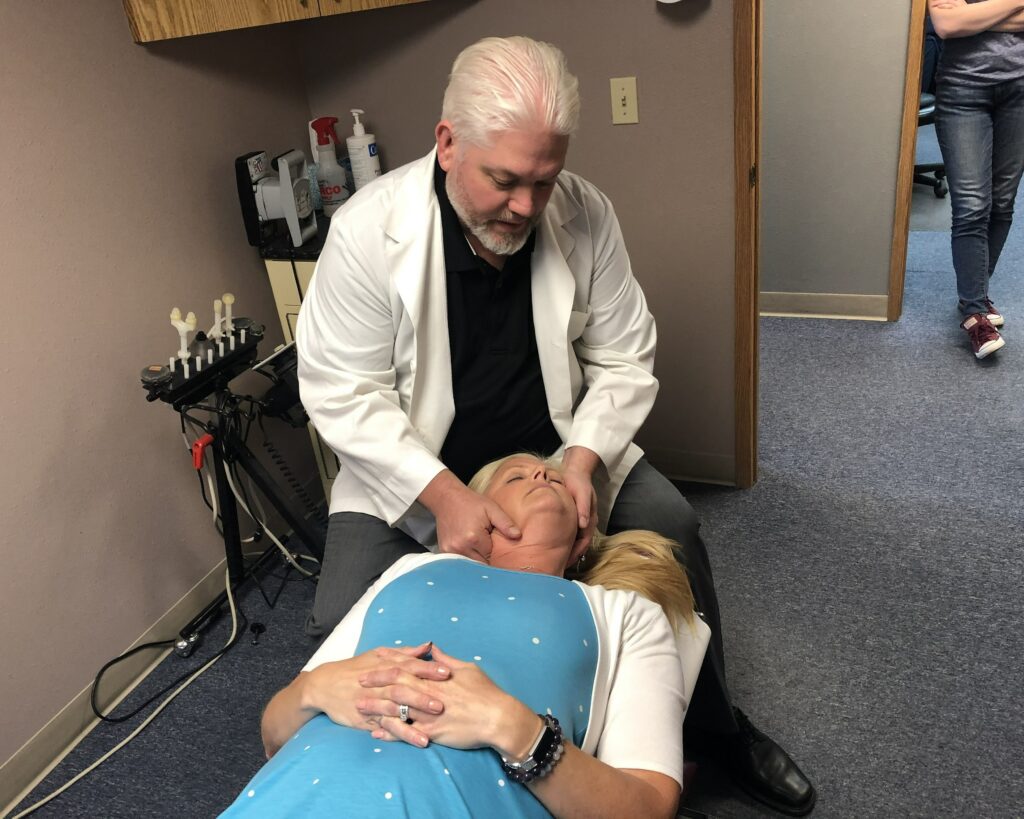

As a local chiropractor, I understand how debilitating muscle strain and back pain can be. These conditions can significantly impact your daily life, making it crucial to find effective relief. Fortunately, there are practical, natural steps you can take to aid your recovery.
First and foremost, allowing your body time to rest and recover is essential. This doesn’t mean complete inactivity; rather, it involves listening to your body and giving it the care it needs. Gentle stretching can also play a vital role in your healing process, helping to alleviate tension and improve your flexibility.
In my practice, I emphasize the importance of holistic strategies for pain relief. From chiropractic adjustments that align your spine and promote proper movement, to exercises that strengthen the muscles supporting your back, each approach contributes to your overall well-being.
Let’s delve into these strategies together, and I’ll help you discover how they can enhance your healing journey, alleviate pain, and restore your mobility. Understanding the most effective ways to address these issues is the first step towards feeling better and reclaiming your active lifestyle.
Rest and Recovery
As a local chiropractor, I want to emphasize the importance of rest and recovery when you’re dealing with a muscle strain or back pain. Your body is an amazing healing machine, but it needs time and care to repair itself effectively. It’s crucial to listen to your body and recognize when you need to take a step back. Engaging in activities that aggravate your pain can lead to further injury, so give yourself permission to rest.
Creating a comfortable environment is key to your recovery. Pay attention to your sleeping position; it should support your back adequately. Using pillows can help relieve pressure and promote better alignment.
As your discomfort begins to ease, consider incorporating gentle stretching or light movements, but remember that moderation is vital—gradual progression will help you heal without risking re-injury.
Additionally, staying hydrated and maintaining a balanced diet are essential components of your recovery process. Proper nutrition fuels your body’s healing capabilities, supporting your journey back to wellness.
Apply Ice and Heat
As a local chiropractor, I want to share with you the benefits of using ice and heat when dealing with muscle strains or back pain. Many of my patients find that incorporating these techniques into their recovery can significantly alleviate discomfort.
Ice therapy is particularly effective for reducing inflammation and numbing sharp pain. When you apply ice to the affected area, it constricts blood vessels, which can help minimize swelling and provide immediate relief from acute pain. This is especially beneficial within the first 48 hours of an injury.
On the other hand, heat therapy works wonders for relaxation and improving blood circulation. Applying heat to tight muscles can help them loosen up, promoting better blood flow and aiding in the healing process. This is ideal for chronic pain or muscle stiffness, as it can help soothe discomfort and enhance mobility.
Understanding the right timing and method for these treatments is crucial for effective recovery. I recommend alternating between ice and heat based on your symptoms and the type of injury.
If you’re unsure about how to apply these therapies or have any questions about your specific situation, please don’t hesitate to reach out. Together, we can create a personalized plan to help you feel your best.
Ice Therapy Benefits
As a local chiropractor focused on natural healing, I want to highlight the significant benefits of ice therapy for those dealing with muscle strains and back pain. You may be surprised to learn that something as straightforward as applying ice can have a profound impact on your recovery.
When you apply ice to the affected area, it helps to reduce swelling and inflammation that often accompany muscle strains. This cooling effect can numb the pain, allowing you to move more freely and go about your daily activities with greater ease.
To maximize the benefits of ice therapy, I recommend applying ice for about 15-20 minutes at a time. Remember to always use a cloth or towel to protect your skin from direct contact with the ice.
It’s especially effective to repeat this process every couple of hours, particularly during the first 48 hours following an injury. By incorporating ice therapy into your healing routine, you can experience quicker relief and improved mobility, which are essential for your overall recovery.
Don’t hesitate to reach out if you have any questions about how to integrate ice therapy into your care plan!
Heat Application Techniques
As a local chiropractor, I want to share some valuable insights on how heat application can significantly enhance your recovery process after experiencing discomfort. Once you’ve utilized ice therapy for initial relief, introducing heat can be a game changer.
Heat works by increasing blood flow to the affected area, which not only promotes healing but also helps to ease muscle tension.
There are several effective ways to apply heat. You can use a heating pad, wrap a warm towel around the area, or even indulge in a warm bath—whatever feels most comfortable for you.
Remember, the key is to avoid applying heat that’s too intense to prevent burns; a gentle warmth is ideal for your body.
I recommend applying heat for about 15-20 minutes at a time, multiple times throughout the day as needed. This is particularly beneficial before engaging in any activities that might strain your back.
Always tune into your body’s signals; if you experience any discomfort while using heat, it’s important to stop immediately.
For optimal results, consider combining heat application with gentle stretches. This approach can greatly enhance your recovery, helping you return to your normal activities more quickly and comfortably.
As your chiropractor, I’m here to support you on your journey to natural healing and wellness!
Stay Hydrated
As a local chiropractor, I want to emphasize the importance of staying hydrated for your overall well-being, particularly if you’re experiencing muscle strain or back pain. Many people may not realize how crucial water is for maintaining proper muscle function and reducing inflammation.
When you’re dehydrated, your muscles are more prone to cramping, which can lead to increased discomfort and strain. I encourage you to drink plenty of water throughout the day, especially if you’re physically active or in a warm environment.
Even if you don’t feel thirsty, your body still requires fluids to operate optimally. A good guideline is to aim for at least eight 8-ounce glasses of water daily, but you may need to adjust this based on your activity level and the climate.
To help you stay on track, keep a water bottle with you as a reminder to sip regularly. Additionally, herbal teas and water-rich fruits and vegetables can also aid in fulfilling your hydration needs.
Incorporate Gentle Stretching
As a local chiropractor, I want to emphasize the importance of incorporating gentle stretching into your daily routine to alleviate muscle strain and back pain.
Many of my patients are surprised to learn how simple movements can significantly enhance flexibility and improve blood circulation, ultimately aiding in your body’s recovery process.
Stretching is a natural way to support your musculoskeletal system, and it complements the chiropractic care you receive.
By engaging in these gentle stretches at home, you can help maintain the alignment and health of your spine and muscles.
Let’s take a look at some recommended stretching techniques that are easy to incorporate into your lifestyle, promoting overall well-being and comfort.
Benefits of Stretching
As a local chiropractor, I want to emphasize that stretching isn’t just a pre-workout activity; it’s a vital component of maintaining your overall health and well-being.
Many people underestimate its importance, especially when it comes to alleviating muscle strain and back pain. By incorporating gentle stretching into your daily routine, you can significantly enhance your flexibility, improve blood circulation, and reduce muscle stiffness.
Regular stretching helps preserve your body’s range of motion, which is crucial for preventing injuries down the line. It also promotes relaxation, allowing your muscles to unwind after a long day of activity or stress.
You might be surprised to learn that simple stretches can alleviate tension, leading to better posture and increased comfort throughout your day.
Moreover, stretching is a natural way to elevate your mood and enhance your overall quality of life. As you explore natural healing methods, don’t overlook the power of stretching; it can be a valuable tool in your journey towards pain relief and improved health.
Recommended Stretching Techniques
As a local chiropractor, I often emphasize the importance of gentle stretching techniques to help alleviate muscle strain and back pain. Incorporating these simple stretches into your daily routine can significantly improve your flexibility and promote relaxation, which are key components of natural healing.
Here are some effective techniques I recommend:
- Cat-Cow Stretch: This exercise involves alternately arching and rounding your back while on all fours. It’s a great way to release tension in your spine and improve overall spinal health.
- Child’s Pose: By kneeling and sitting back on your heels while stretching your arms forward, you can elongate your back and experience a deep sense of relaxation.
- Seated Forward Bend: While sitting, reach for your toes to gently stretch your lower back and hamstrings. This stretch is particularly beneficial if you spend long hours sitting.
- Torso Twist: Sitting cross-legged, gently rotate your torso to each side. This movement enhances spinal mobility and can help alleviate stiffness.
Integrating these stretches into your daily routine can create a sense of comfort and agility, supporting your journey towards better health and wellness.
Focus on Good Posture
As a local chiropractor, I want to emphasize the vital importance of good posture in maintaining your overall health and well-being. Proper posture is key to preventing muscle strain and alleviating back pain, which many of you may experience in your daily lives. When you sit, stand, or move with the right alignment, you significantly reduce stress on your spine and muscles, helping you feel better and function optimally.
To start, focus on keeping your shoulders relaxed and aligned with your hips. If you find yourself sitting for long periods, be sure your feet rest flat on the floor and that your back is adequately supported by your chair.
When standing, try to distribute your weight evenly across both feet, avoiding the common habit of leaning to one side.
It’s also crucial to adjust your workspace for optimal posture. Ensure that your computer screen is at eye level, which can help prevent neck strain, and invest in a chair that provides support for your lower back.
If you’re driving, make sure to adjust your seat so that you can sit upright comfortably, as this can have a significant impact on your posture during long trips.
Practicing good posture throughout the day not only enhances your physical comfort but also positively influences your overall well-being, making it easier to engage in daily activities without discomfort.
Use Over-the-Counter Pain Relievers
As a local chiropractor, I want to help you understand how you can manage muscle strain or back pain effectively. One option that many people turn to for quick relief is over-the-counter pain relievers.
However, it’s essential to familiarize yourself with the different types available and the proper dosage guidelines to ensure your safety while using them.
While these medications can provide temporary relief, it’s crucial to be aware of their potential side effects. Always take the time to read the labels carefully.
Remember, though, that relying solely on medication may not address the root cause of your pain. As we explore natural healing methods together, I encourage you to consider chiropractic care as a holistic approach to your well-being.
Types of Pain Relievers
As a local chiropractor, I’m here to help you understand how to manage pain naturally, especially when it comes to muscle strain and back pain.
While many people often turn to over-the-counter (OTC) pain relievers for quick relief, it’s essential to know how these medications work and their effects on your body. Here are some common options you might consider if you’re looking for temporary relief:
- Acetaminophen: This medication can help reduce pain and fever and is generally gentle on the stomach, making it a popular choice for many.
- Ibuprofen: As a nonsteroidal anti-inflammatory drug (NSAID), ibuprofen not only alleviates pain but also reduces inflammation, which can be particularly beneficial for muscle strains.
- Naproxen: Another NSAID, naproxen provides longer-lasting relief, making it an effective option for more persistent aches and pains.
- Aspirin: Similar to ibuprofen in its pain-relieving properties, aspirin can sometimes cause stomach irritation, so it’s important to be mindful of how your body reacts to it.
While these OTC options can provide relief, I encourage you to consider chiropractic care as a holistic approach to healing.
Chiropractic treatments focus on addressing the root cause of your pain, promoting overall wellness, and helping you regain mobility naturally.
Always consult with a healthcare professional to determine the best course of action for your symptoms. Together, we can support your recovery journey and help you achieve optimal health.
Proper Dosage Guidelines
As a local chiropractor, I want to help you understand how to use over-the-counter pain relievers safely and effectively, especially if you’re new to chiropractic care and natural healing.
It’s essential to follow proper dosage guidelines to maximize the benefits while minimizing risks. First, always check the label for the recommended dosage tailored to your specific age and weight.
It’s crucial not to exceed the maximum daily limit; taking more than the recommended amount can lead to serious complications. If you have any uncertainties, don’t hesitate to reach out to a healthcare professional for personalized advice.
When taking these medications, it’s important to space out your doses evenly—typically every four to six hours—but make sure you don’t go over the total daily dosage.
Taking your medication with food or water can help reduce any potential stomach irritation, which is especially important if you’re incorporating other natural healing methods.
Keep a log of when you take each dose to prevent accidental overdosing. By following these guidelines, you can effectively manage your discomfort while prioritizing your safety.
Potential Side Effects
As a local chiropractor dedicated to helping you understand your health options, I want to share some important information about over-the-counter pain relievers.
While many individuals turn to these medications for pain relief, it’s crucial to be informed about the potential side effects that can accompany their use.
While these medications may alleviate discomfort, they can also cause some unwanted reactions. Here are a few side effects to consider:
- Stomach upset: Many people experience symptoms like nausea or indigestion after taking these pain relievers.
- Dizziness: Some individuals report feeling lightheaded or faint, which can affect your daily activities.
- Allergic reactions: If you’re sensitive, you might encounter skin rashes or swelling as a response to the medication.
- Liver damage: Particularly with acetaminophen, excessive use can lead to serious liver issues.
As your chiropractor, I encourage you to consult with a healthcare professional before starting any medication.
Additionally, pay close attention to how your body reacts to these pain relievers.
At our practice, we focus on holistic and natural healing approaches that may help you manage pain without the risks associated with medication.
Your health and well-being are our top priorities, and we’re here to support you on your journey to relief.
Engage in Low-Impact Exercise
As a local chiropractor, I want to emphasize the importance of incorporating low-impact exercises into your daily routine, especially if you’re dealing with muscle strain or back pain.
Gentle activities such as swimming, cycling, and walking are excellent choices that are easy on your joints while still promoting effective movement. These exercises not only help improve circulation but also strengthen your muscles and enhance flexibility—all without putting undue stress on your body.
I recommend aiming for at least 30 minutes of low-impact exercise most days of the week. It’s important to start at a comfortable pace and gradually increase the intensity as your body becomes accustomed to the movements.
Always be mindful of how your body feels; if you experience any pain, it’s crucial to adjust your activity level to avoid further discomfort.
In addition to these exercises, incorporating stretching and yoga into your routine can significantly improve your flexibility and relieve tension in your back.
Before embarking on any new exercise regimen, especially if you’re experiencing persistent pain, I encourage you to consult with me or another healthcare professional.
With consistent practice, many of my patients notice reduced discomfort and an overall enhancement in their well-being.
Explore Physical Therapy
Low-impact exercise is an excellent way to begin your recovery journey, but incorporating chiropractic care can elevate your healing process significantly.
As a local chiropractor, I specialize in creating individualized treatment plans that cater to your unique health needs, empowering you to regain strength and improve mobility effectively.
Here are some benefits you can expect from chiropractic care:
- Customized adjustments and exercises that focus on your specific pain areas and enhance overall flexibility.
- Hands-on techniques that relieve tension in your muscles and joints while promoting healthy blood circulation.
- Education on proper posture and body mechanics, crucial for preventing future injuries and maintaining optimal health.
- Strategies for natural pain management that equip you with tools to manage discomfort during your recovery journey.
Consider Massage Therapy
Have you thought about how massage therapy can be an essential part of your recovery from muscle strain and back pain? As a chiropractor, I often see how this hands-on approach can significantly contribute to easing tension, reducing pain, and enhancing circulation.
When you receive a massage, your muscles relax, which not only promotes healing but also reduces stiffness.
Massage therapy allows us to focus on specific areas of discomfort, enabling the therapist to concentrate on the spots that are causing you the most pain. Techniques such as deep tissue or trigger point therapy can be particularly effective in releasing tight muscles and alleviating discomfort.
Incorporating regular massage sessions into your recovery plan can improve your overall well-being, helping you regain mobility and strength. Additionally, the calming nature of massage can elevate your mood and encourage relaxation, making it easier for you to manage pain.
If you haven’t yet considered massage therapy, I encourage you to explore its benefits as part of your healing journey. Always remember to discuss it with your healthcare provider to ensure it’s suitable for your specific condition.
With consistent therapy, you may experience significant relief and a quicker return to your daily activities.
Practice Stress Management Techniques
As a local chiropractor dedicated to your health and wellness, I want to emphasize how vital stress management techniques are in your recovery from muscle strain and back pain. Many patients may not realize that stress can amplify your discomfort, making it crucial to find effective coping strategies.
Here are some natural techniques you can easily integrate into your daily routine:
- Deep Breathing: Inhale deeply through your nose, allowing your diaphragm to expand, and exhale slowly through your mouth. This simple practice can help calm your nervous system and relieve tension.
- Meditation: Dedicate a few minutes each day to focus on your breath or a soothing mantra. This practice can help shift your mindset, promoting relaxation and reducing stress levels.
- Gentle Yoga: Incorporating gentle stretching and yoga poses can be beneficial. These movements not only help relieve tension in your muscles but also improve your overall flexibility and range of motion.
- Mindfulness: Cultivating mindfulness involves being present in the moment. Try to let go of any worries about the past or future, as this can create a sense of peace and help you manage your pain more effectively.
By embracing these techniques, you can support your body’s natural healing processes and enhance your recovery journey.
Conclusion
As your local chiropractor, I want to share some valuable insights to help you alleviate muscle strain and back pain naturally. First and foremost, prioritizing rest is crucial for your recovery. Make sure to stay hydrated; proper hydration supports muscle function and healing. Incorporating gentle stretching into your daily routine can also do wonders for your flexibility and pain relief.
It’s essential to pay attention to your posture throughout the day, whether you’re sitting at a desk or lifting heavy items. Good posture can prevent additional strain on your back. Engaging in low-impact exercises, such as walking or swimming, can help keep your body active without exacerbating your pain.
If you’re finding it difficult to manage on your own, don’t hesitate to consider physical therapy or massage therapy. These approaches can provide targeted support and enhance your healing process. Above all, it’s vital to listen to your body—understanding its signals is key to your recovery. Managing stress is also important, as it can contribute to muscle tension and discomfort.
You deserve to live comfortably and pain-free, and I’m here to guide you on this journey toward natural healing. Together, we can work towards improving your well-being!