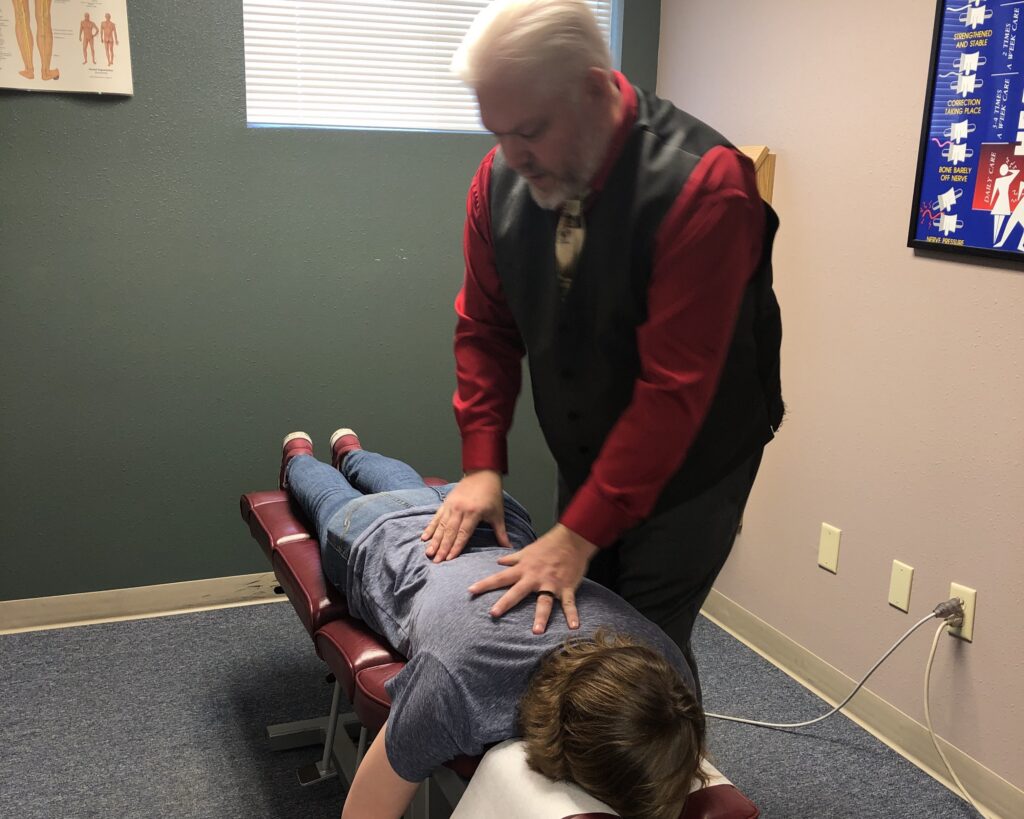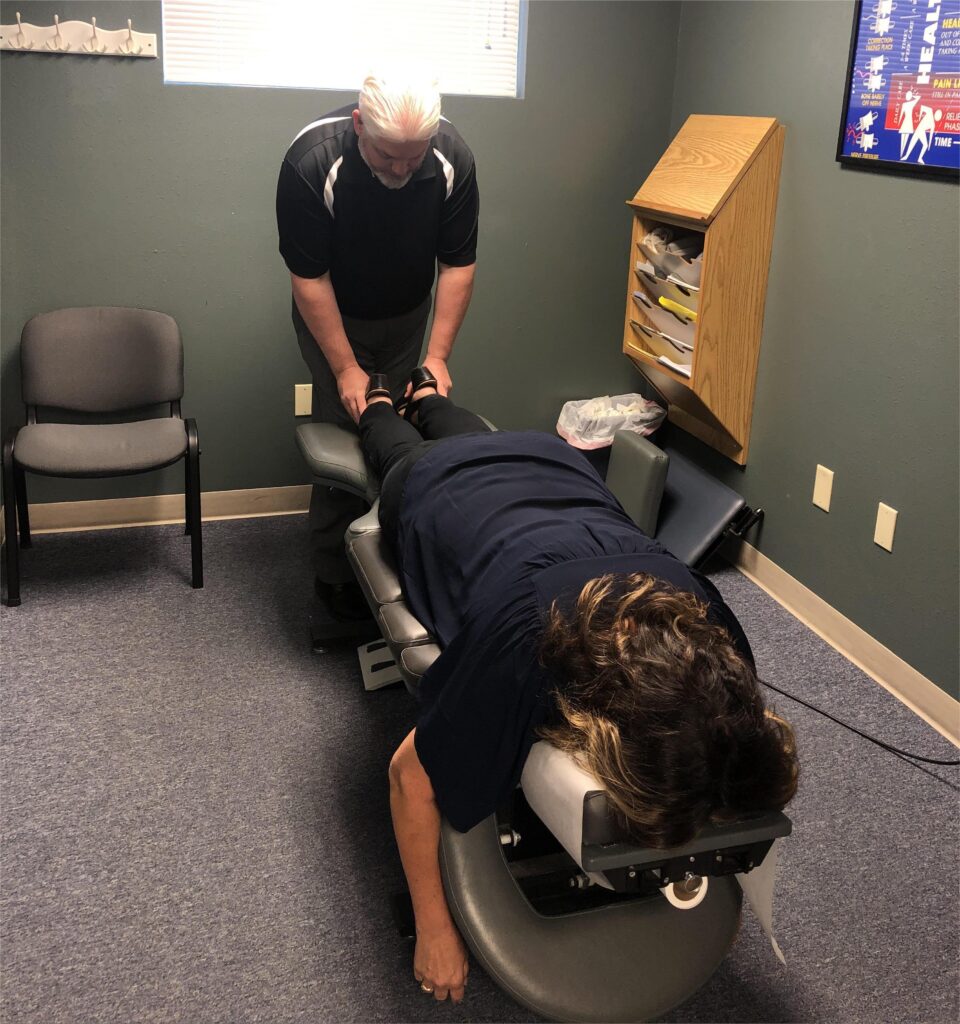

When you think about children with ADHD, it's easy to envision challenges that can feel overwhelming. However, as a chiropractor, I want to share how a holistic approach can create a supportive environment that helps these kids thrive. By addressing physical health through chiropractic care, we can minimize distractions and enhance focus, ultimately fostering an atmosphere where children excel both academically and socially.
Chiropractic adjustments can help improve neurological function and reduce stress, which are crucial for children with ADHD. Establishing consistent routines, combined with regular chiropractic care, can further enhance their ability to concentrate and engage. It's essential to understand the interplay between physical health and mental clarity, as this knowledge can unveil new pathways for success.
By exploring how chiropractic care can be integrated into your child's routine, you may discover effective strategies to boost their focus and overall well-being. Let's work together to unlock their potential and create a healthier, happier environment for them to flourish.
Understanding ADHD Challenges
As a local chiropractor, I want to help you understand how conditions like ADHD, or Attention-Deficit/Hyperactivity Disorder, can impact your child's daily life and how chiropractic care may offer some support.
Children with ADHD often face difficulties in concentrating on tasks, frequently shifting from one activity to another without completing them. This impulsivity can be frustrating for both the child and the caregivers. Homework time might become challenging, as focusing on assignments can lead to incomplete work or lower grades.
Social interactions can also pose difficulties for children with ADHD. They may interrupt conversations or struggle to pick up on social cues, making it harder for them to build friendships. As caregivers, you might find yourselves navigating these social situations, helping your child understand appropriate behaviors and communication.
Emotional regulation can be another significant challenge. Children with ADHD may experience intense feelings, resulting in outbursts or meltdowns. These emotional fluctuations can be exhausting for both the child and the caregiver, often leaving the child feeling overwhelmed.
It's vital to approach these emotional challenges with empathy, recognizing that they often stem from frustration rather than defiance.
Additionally, organization and time management can be problematic. Children might struggle with keeping track of their belongings or managing their daily schedules, leading to chaos in their routines. By understanding these challenges, you can better support your child in navigating their world.
Chiropractic care may help address some of these issues by promoting overall wellness and balance in the body. Through gentle adjustments and natural healing approaches, we can support your child's nervous system and potentially improve focus, emotional regulation, and overall well-being.
If you're interested, I encourage you to explore how chiropractic care can be part of a comprehensive approach to supporting your child's development and daily challenges.
Creating an ADHD-Friendly Environment
As a local chiropractor, I understand that creating a supportive environment is essential for overall well-being, especially for children managing ADHD symptoms. By modifying their surroundings, we can enhance their capacity to thrive naturally.
Here are four key strategies to create an ADHD-friendly environment that aligns with holistic health principles:
- Minimize Distractions: An organized workspace is crucial for anyone, especially for children with ADHD. Encourage parents to keep their child's study area clutter-free. Using noise-canceling headphones or playing soft background music can help limit auditory distractions, allowing for better focus and productivity.
- Establish Routines: Consistency is vital for children with ADHD. A structured daily schedule that includes time for homework, chores, and play can provide predictability. This structure not only helps reduce anxiety but also promotes a sense of security, making it easier for children to engage with their tasks.
- Use Visual Aids: Visual tools can significantly aid in maintaining focus and managing responsibilities. I recommend using visual schedules, charts, and reminders. Color-coded systems for different subjects or activities can simplify time management, allowing children to stay organized and on track.
- Create a Calm Space: It's important to have a designated quiet area in the home where children can retreat when feeling overwhelmed. This calming space should be comfortable and equipped with soothing tools such as stress balls, fidget toys, or books. A tranquil environment can help restore balance and promote relaxation, which is beneficial for overall health.
By focusing on these strategies, we can foster an environment that not only supports children with ADHD but also aligns with the principles of natural healing and chiropractic care.
Encouraging a holistic approach can lead to improved focus, emotional regulation, and overall wellness.
Engaging Activities for Focus
As a local chiropractor, I understand the importance of keeping children engaged, especially those with ADHD, as it can significantly enhance their ability to focus. One effective approach we often encourage is incorporating hands-on activities that stimulate curiosity and promote overall well-being.
For example, educational games that combine learning with fun, such as board games or interactive online quizzes, can be excellent for captivating a child's attention while reinforcing important concepts.
Physical activity is also crucial for improving focus. We often recommend short bursts of exercise, like jumping jacks or a quick dance session, which can refresh a child's mind and help release pent-up energy.
These active breaks not only contribute to physical health but also make it easier for children to concentrate afterward.
Storytelling is another engaging activity we advocate. Encouraging your child to create their own stories can stimulate their imagination and improve listening and language skills.
Additionally, joining them in arts and crafts allows for creative expression while honing fine motor skills, which is beneficial for their overall development.
In today's digital age, technology can also play a supportive role. We suggest utilizing educational apps designed for children with ADHD that promote focus through interactive learning experiences.
These tools often provide immediate feedback, which can motivate your child to stay on task.
Lastly, establishing a consistent routine filled with varied and enjoyable activities can significantly reduce anxiety, helping children know what to expect and enhancing their focus.
By integrating these engaging activities into their daily routine, you can create an environment that nurtures their attention and promotes a holistic approach to learning and well-being.
Effective Time Management Techniques
As a local chiropractor, I often see how effective time management techniques can positively impact not only physical health but also overall well-being, especially for children with ADHD. By incorporating these strategies into their daily routines, we can reduce stress and enhance focus, allowing kids to thrive in their daily activities.
Here are four techniques that can be beneficial:
- Utilize a Visual Schedule: Crafting a colorful and easy-to-read schedule can help children visualize their daily tasks. This visual aid alleviates anxiety by helping them anticipate what's next, creating a sense of control and calmness.
- Implement Timers: Breaking tasks into manageable chunks using timers can make a significant difference. For instance, if a child feels overwhelmed by homework, setting a timer for 20 minutes of focused work followed by a 5-minute break can enhance concentration and prevent fatigue, promoting a healthier approach to learning.
- Prioritize Tasks: Teaching children to list and prioritize tasks by importance can empower them to tackle one thing at a time. This method not only reduces feelings of being overwhelmed but also encourages a sense of accomplishment as they celebrate small victories along the way.
- Establish Routines: Consistent daily routines for morning, homework, and bedtime can create a structured environment that's particularly beneficial for kids with ADHD. These predictable habits foster responsibility and help children feel more secure and settled in their day-to-day lives.
By integrating these time management techniques into your child's routine, you may notice improvements in focus and productivity, which can also positively influence their physical health.
Remember, it's essential to discover what works best for each individual and be adaptable as needed. With practice and support, children can learn to manage their time effectively, leading to overall better health and well-being.
If you have questions about how chiropractic care can support your child's journey, feel free to reach out!
Supportive Learning Strategies
As a chiropractor, I believe that certain supportive learning strategies can significantly benefit children with ADHD, and I'd like to share how these principles can relate to overall well-being and natural healing.
First, breaking tasks into smaller, manageable steps is crucial. Just as we approach healing in our practice by addressing specific areas of concern rather than overwhelming the body with broad treatment plans, children can benefit from focusing on one section of an assignment at a time. This method not only eases anxiety but also fosters a sense of accomplishment, much like how patients feel when they notice gradual improvements in their health.
Incorporating hands-on activities is another effective strategy. In our chiropractic practice, we often utilize various techniques that engage patients physically, making the healing process more interactive. Similarly, children with ADHD may thrive through dynamic learning experiences. By using tools like manipulatives, visual aids, or even technology, we can help children engage multiple senses, which can enhance their focus and retention, much as we aim to engage the body's own healing capabilities.
Lastly, establishing a consistent routine can provide the structure that children with ADHD need to thrive. In chiropractic care, we often emphasize the importance of regular adjustments as part of a wellness routine. Setting specific times for homework, breaks, and leisure activities can help children feel more secure and focused. Visual schedules or timers can reinforce this routine, similar to how we encourage our patients to maintain a consistent schedule for their chiropractic visits to ensure optimal health.
By implementing these supportive strategies, we can create an environment where children with ADHD can thrive academically and emotionally.
Role of Nutrition and Exercise
As a local chiropractor, I want to emphasize the importance of a well-balanced diet and regular exercise in managing ADHD symptoms. By making mindful choices about nutrition and physical activity, you can significantly enhance your child's focus and overall well-being. Here are some key factors to consider:
- Nutrient-Dense Foods: Aim to include a variety of fruits, vegetables, whole grains, lean proteins, and healthy fats in your child's meals. Foods high in omega-3 fatty acids, such as fish and flaxseeds, are particularly beneficial for brain health and can support cognitive function.
- Minimize Sugar and Processed Foods: It's crucial to reduce the intake of high-sugar and processed foods, as these can lead to energy spikes followed by crashes, making it difficult for your child to concentrate. Instead, focus on whole, natural foods for better energy stability.
- Consistent Meal Timing: Establishing regular meal times is vital for maintaining your child's energy levels throughout the day. This consistency not only supports healthy digestion but also promotes improved focus during school and homework.
- Encourage Daily Physical Activity: It's important to motivate your child to engage in at least 30 minutes of physical activity each day. Exercise releases endorphins, which can enhance mood and alleviate anxiety, helping your child feel more balanced and focused.
By integrating these nutritional and exercise strategies into your child's routine, you can create a supportive environment that fosters better focus and overall mental health.
As a chiropractor, I'm here to help you explore natural healing methods that complement these lifestyle changes for optimal wellness.
Building Emotional Resilience
As a local chiropractor, I want to emphasize the importance of understanding emotional triggers, especially in children with ADHD.
Just like physical health, emotional well-being plays a crucial role in overall wellness. By recognizing what causes intense feelings in these children, we can help them develop effective coping strategies that support their emotional resilience.
This holistic approach enables them to respond more positively to life's challenges, promoting not just mental health but also enhancing their overall physical well-being.
Through chiropractic care and natural healing methods, we can foster a healthier, more balanced life for our children.
Understanding Emotional Triggers
Emotional triggers can often feel like unexpected disruptions for children with ADHD, leading to intense reactions that might seem out of proportion to the situation.
As a local chiropractor, I believe it's important to understand these triggers as part of a holistic approach to health and well-being. By recognizing what may set off these emotional responses, we can create a supportive environment that promotes emotional resilience and overall wellness.
Here are four common emotional triggers to be aware of:
- Change in Routine: Children often thrive on predictability, and sudden changes can lead to anxiety and frustration. Just like how our bodies respond to physical adjustments, emotional stability can be affected by routine changes.
- Social Interactions: Difficulties in communication or feelings of being misunderstood can result in isolation and anger. Chiropractic care emphasizes the connection between physical health and emotional well-being, and addressing physical stressors can improve communication skills.
- Academic Pressure: The struggle to keep up with schoolwork can trigger feelings of inadequacy, leading to frustration or outbursts. Managing stress through chiropractic adjustments can help improve focus and reduce anxiety, making academic challenges easier to handle.
- Sensory Overload: Loud noises, bright lights, or crowded spaces can overwhelm a child's senses, leading to emotional meltdowns. By ensuring proper alignment and reducing physical tension, chiropractic care can help children better manage sensory input.
Developing Coping Strategies
Building emotional resilience is crucial for children with ADHD, as it helps them manage challenges and setbacks effectively. As a chiropractor, I often emphasize the connection between physical well-being and emotional health. One effective way to develop coping strategies is through practice and repetition, just like we train our bodies to maintain good posture or flexibility.
Encourage your child to identify specific situations that trigger their emotions. Recognizing these triggers is the first step in managing them. Once they've pinpointed these situations, help them brainstorm appropriate responses. Just as we use specific exercises to alleviate physical discomfort, we can teach children techniques like deep breathing or counting to ten when they feel overwhelmed. These simple methods create a pause, allowing them to regain control before reacting.
Additionally, role-playing different scenarios can be beneficial. This approach provides a safe space for your child to explore their feelings and responses, akin to how we simulate physical movements in the clinic to improve body mechanics.
Promoting a growth mindset is also essential. Celebrate small successes with your child, just as we celebrate improved mobility or reduced pain in our patients. Acknowledging their efforts and resilience reinforces the idea that setbacks are part of growth and can be managed, much like healing from an injury.
Lastly, I stress the importance of seeking support. Encourage your child to communicate their feelings with trusted adults or peers, similar to how we encourage open communication about physical symptoms in our practice. Building a strong support system enhances their ability to cope with emotional challenges, making them feel less isolated and more empowered in their journey.
Conclusion
As a local chiropractor, I want to share how incorporating natural healing strategies can significantly benefit children with ADHD. By fostering a supportive and structured environment, we can help them thrive both academically and socially. Engaging in physical activities, practicing effective time management, and maintaining mindful nutrition are essential components that enhance focus and overall well-being. Additionally, promoting emotional resilience can empower them to face challenges with confidence. Remember, with the right chiropractic care and a holistic approach, we can guide your child toward unlocking their potential and flourishing in all aspects of their life.