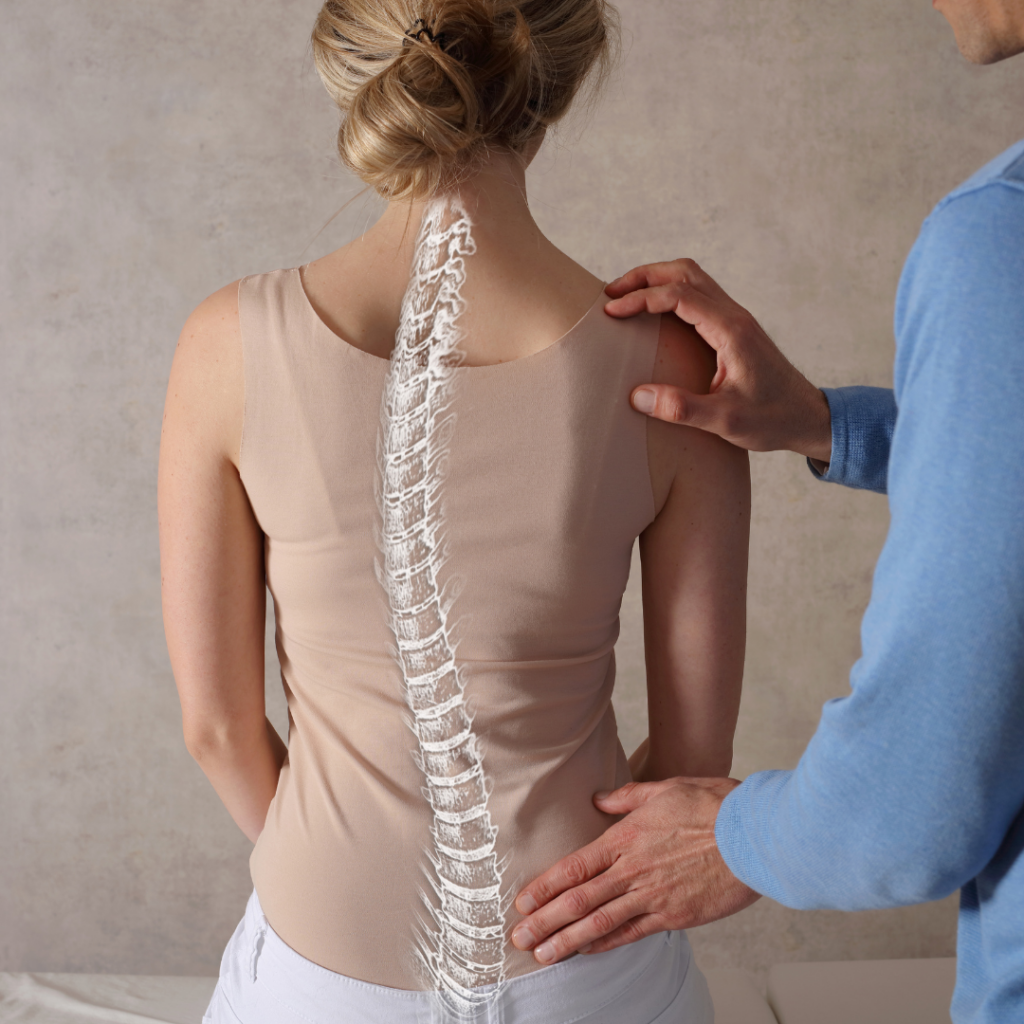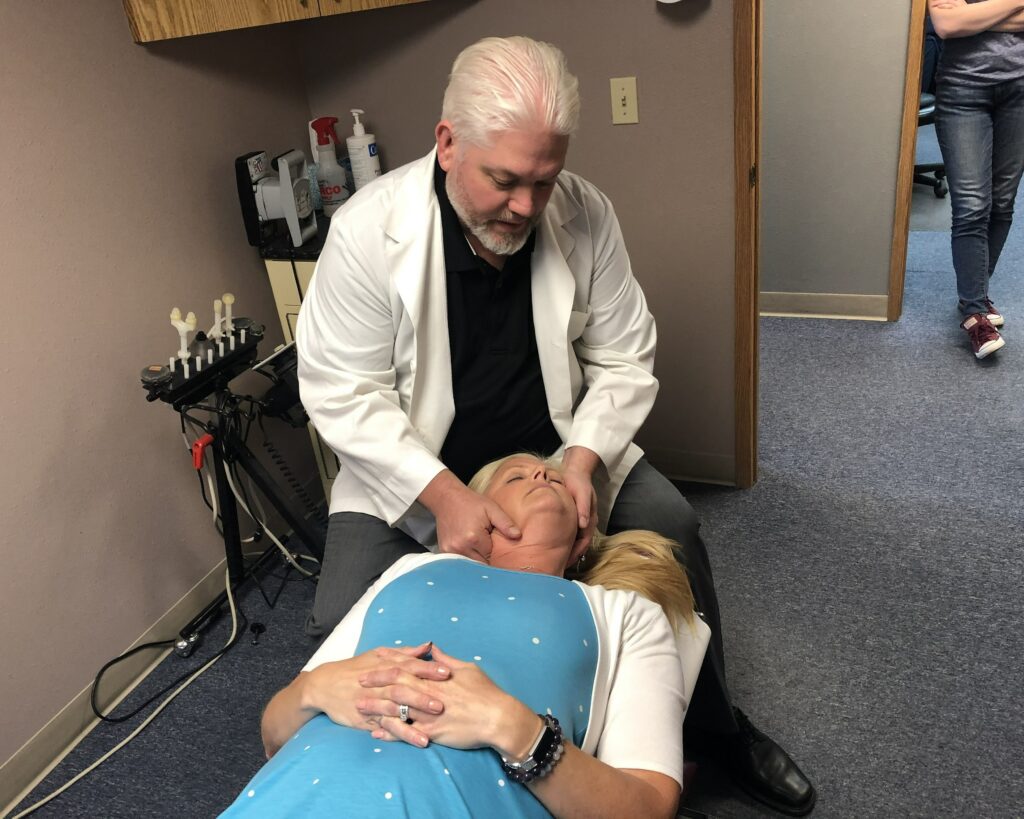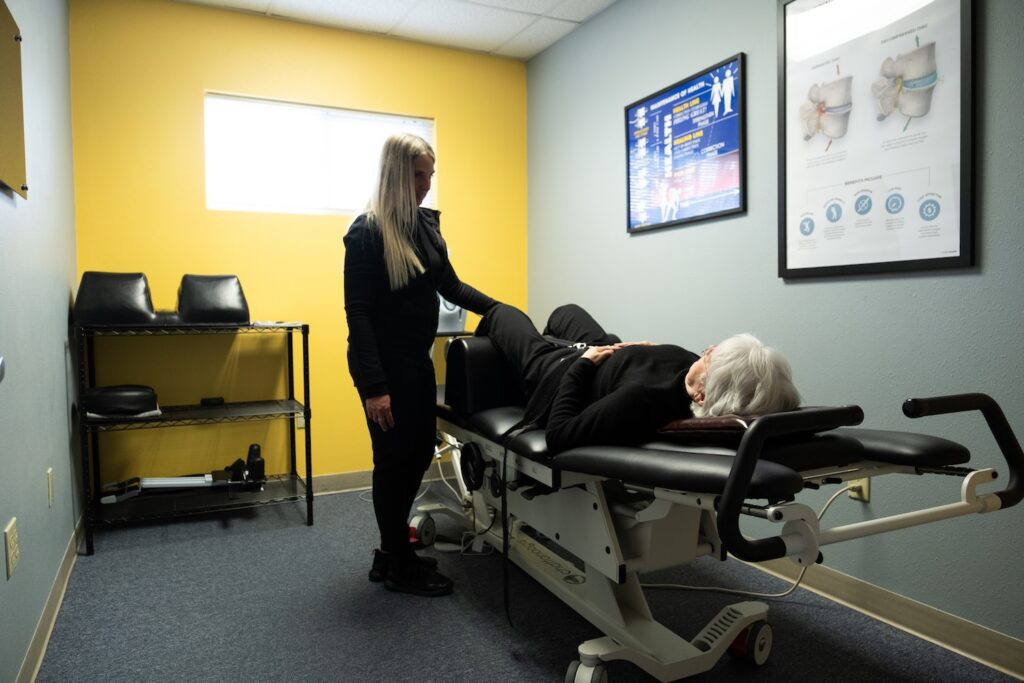

As a local chiropractor, I understand that many of you might be curious about the role of manual therapy in sports injury recovery. You may wonder if it's just another trend or if it truly offers real benefits. Techniques such as soft tissue mobilization and joint manipulation are well-regarded in our field for their ability to alleviate pain and enhance mobility.
However, I want to assure you that there is substantial evidence supporting these methods, and they can be incredibly effective when compared to other rehabilitation approaches. As you explore your options for recovery, gaining a deeper understanding of manual therapy can be crucial in your journey back to peak performance.
I encourage you to consider how these techniques might play a role in your healing process. Together, we can evaluate your unique situation and determine the best path forward for your recovery.
Understanding Manual Therapy
As a local chiropractor, I want to share with you the incredible benefits of manual therapy, particularly in the context of sports injury recovery. Manual therapy is a hands-on technique that involves the skilled manipulation of muscles, joints, and connective tissues. This approach is designed to promote healing and enhance mobility, allowing you to take a more active role in your recovery journey.
When you participate in manual therapy, you're not just passively receiving treatment; you're engaging with the process. My goal as your chiropractor is to use my hands to apply pressure, stretch, and mobilize the areas of your body impacted by injury. This targeted approach can significantly alleviate pain and restore function.
It's important to understand how manual therapy works to relieve pain and reduce inflammation. By improving blood flow and releasing tension in your muscles, you'll likely experience less discomfort and a greater range of motion, which can be crucial after a sports injury. This means you can get back to doing what you love more quickly.
You may be wondering how often you should incorporate manual therapy into your recovery plan. While the frequency can differ depending on individual needs, I generally recommend regular sessions, especially during the initial stages after an injury.
To achieve the best results, it's essential to combine manual therapy with other rehabilitation strategies, such as strength training and stretching. This comprehensive approach ensures that all aspects of your recovery are addressed.
Ultimately, understanding manual therapy empowers you to take charge of your health and healing. By recognizing the benefits of chiropractic care, you can make informed decisions about your treatment options.
I encourage you to discuss manual therapy with me during your next visit, so we can explore how it can fit into your personalized recovery plan. Your journey towards better health starts here!
Types of Manual Therapy Techniques
As a local chiropractor, I want to share some effective manual therapy techniques that can significantly aid in your recovery from sports injuries. These methods are designed to address specific issues, helping you regain mobility, reduce pain, and enhance your overall function naturally.
One technique we often use is soft tissue mobilization. This involves applying targeted pressure to your muscles, fascia, and tendons to relieve tension and improve blood circulation. By loosening those knots and adhesions in your tissue, you can expect to see improved flexibility and a reduction in discomfort.
Another valuable method is joint mobilization. This technique focuses on gently moving the joints within their natural range of motion. It promotes better alignment and reduces stiffness, which can be especially helpful for injuries related to the knees, shoulders, and hips.
You might also find myofascial release beneficial. This approach targets the fascia, the connective tissue that surrounds your muscles. By applying gentle, sustained pressure, we can help restore movement and alleviate pain, particularly in areas where the fascia has become tight or restricted.
Trigger point therapy is another effective technique we offer. This method focuses on specific tight areas within your muscles, known as trigger points. By applying pressure to these areas, we can help alleviate referred pain and improve your overall muscle function.
Lastly, I encourage you not to overlook the benefits of massage therapy. Various styles, including deep tissue and sports massage, can promote relaxation, enhance circulation, and support healing, making them especially ideal for post-injury recovery.
The Science Behind Manual Therapy
As a local chiropractor, I want to share with you the remarkable benefits of manual therapy in aiding recovery from sports injuries. This hands-on approach focuses on the soft tissues, joints, and muscles in your body to stimulate your natural healing processes. When you visit my clinic for manual therapy, several positive changes occur in your body that enhance your recovery.
One of the key benefits of manual therapy is the relief of muscle tension. Through targeted pressure and manipulation, I can help release tight muscles, allowing for a return to normal movement patterns. This not only alleviates discomfort but also boosts blood circulation to the injured area, delivering vital nutrients and oxygen. Improved blood flow is crucial because it speeds up the healing process and helps reduce inflammation.
Moreover, manual therapy has a profound effect on your nervous system. Techniques like joint mobilization and soft tissue manipulation can help manage pain signals. When you experience less pain, you're able to move more freely, which is essential for your rehabilitation. This improvement in the way your nervous system functions can significantly enhance your range of motion, making it easier for you to participate in rehabilitation exercises.
Another important aspect to consider is the psychological benefit of manual therapy. The personal touch involved in this treatment can create a sense of trust and safety, allowing you to relax and concentrate on your recovery. This positive mental state can amplify the physical benefits of the therapy, as a hopeful mindset often leads to better healing outcomes.
If you're unfamiliar with chiropractic care, I encourage you to explore how manual therapy can support your journey to recovery. Together, we can work towards restoring your health and improving your quality of life.
Benefits for Sports Injuries
As a local chiropractor, I want to share how manual therapy can greatly benefit those dealing with sports injuries. Many people may not be familiar with the advantages of chiropractic care, but it plays a crucial role in speeding up recovery and enhancing athletic performance.
Manual therapy involves skilled techniques that target specific muscle groups and soft tissues. This approach can effectively alleviate pain, reduce inflammation, and promote healing in injured areas. If you've been struggling with soreness and stiffness, targeted treatments can significantly help you feel better and get back to your favorite sport sooner.
One of the most noteworthy benefits of manual therapy is improved flexibility. When muscles are tight, they can restrict your range of motion, making it difficult to perform at your best. Through specialized stretching and manipulation techniques, we can help loosen those tight muscles, enabling you to move more freely and efficiently.
This newfound flexibility isn't only beneficial for your current performance but can also play a key role in preventing future injuries.
Another important aspect of manual therapy is its ability to enhance blood circulation. Improved blood flow brings essential oxygen and nutrients to the injured areas, which can significantly accelerate the healing process. By promoting healthy circulation, we're not just addressing your immediate concerns; we're also laying the groundwork for your long-term success in sports.
Lastly, I want to emphasize the mental benefits you might experience from manual therapy. Coping with a sports injury can be mentally challenging, but regular chiropractic sessions can help reduce anxiety and stress. The soothing nature of these treatments can improve your overall mindset, keeping you focused and motivated throughout your recovery journey.
If you're new to chiropractic care, I encourage you to explore how manual therapy can be a valuable part of your healing process. Together, we can work towards getting you back in the game stronger and more resilient than before.
Evidence From Clinical Studies
As a local chiropractor, I want to share some valuable insights about the benefits of manual therapy, particularly for sports injuries. Research has shown that manual therapy can significantly enhance recovery times and boost overall performance for athletes. Numerous clinical studies back this up, demonstrating that manual therapy can effectively reduce pain, improve mobility, and promote healing.
For example, one study found that athletes who received manual therapy experienced a remarkable 30% reduction in pain levels compared to those who only received standard care. This suggests that incorporating manual therapy into your recovery plan can offer a more comprehensive approach to healing.
Another clinical trial focused on athletes recovering from soft tissue injuries. The findings indicated that those who participated in manual therapy sessions enjoyed improved range of motion and strength, allowing them to return to their sport more quickly. This is crucial, especially considering how long injuries can keep you sidelined and the impact they can have on your performance.
Additionally, a meta-analysis of various studies concluded that manual therapy significantly shortens recovery times for different sports injuries. Athletes reported enhanced functionality and a better quality of life following treatment, which is incredibly encouraging for anyone looking to get back to their game.
It's also worth noting that the benefits of manual therapy extend beyond just physical recovery. Many participants in these studies shared that they felt more mentally prepared to return to competition after receiving manual therapy.
This illustrates that manual therapy can address not only physical healing but also help overcome some psychological challenges that athletes may face during their recovery journey.
If you're dealing with a sports injury or seeking a natural approach to healing, consider exploring the benefits of chiropractic care and manual therapy. Your body deserves the best support for a speedy and effective recovery!
Expert Opinions on Effectiveness
As a local chiropractor, I want to shed light on the effectiveness of manual therapy, especially in the context of sports injuries. Many people may not be familiar with how chiropractic care can play a vital role in recovery, so it's important to emphasize its value as a key component of your healing process.
Manual therapy, which includes hands-on techniques, is designed to enhance physical function, alleviate pain, and accelerate healing. When you come in for treatment, I use various techniques to restore mobility and improve blood flow to injured areas, which is essential for recovery.
I frequently see positive outcomes in my patients who integrate manual therapy into their treatment plans. Athletes often report experiencing less pain and an improved range of motion after our sessions. This improvement not only facilitates the healing process but also helps you return to your sport more quickly and effectively.
Additionally, there are psychological benefits to consider. Many individuals find reassurance in the personal touch of chiropractic care, which can significantly boost confidence and morale during recovery. Feeling supported and cared for can make a substantial difference in your mindset, allowing you to concentrate more on rehabilitation.
It's also worth mentioning that while manual therapy isn't a standalone solution, its effectiveness increases when combined with other rehabilitation strategies.
I believe in a holistic approach to recovery, tailoring my care to meet your individual needs and integrating various treatment modalities. By doing so, we can optimize your recovery journey and help you get back to doing what you love.
Risks and Considerations
As your local chiropractor, I want to share some important insights about manual therapy, especially in the context of sports injury recovery. While this form of treatment can offer considerable benefits, it's essential to understand the potential risks and considerations involved.
Firstly, it's not uncommon for some patients to experience soreness or discomfort following a session. This can sometimes be mistaken for a worsening of the injury, but it's crucial to listen to your body. If you notice any unusual pain after treatment, please communicate this with me so we can address it together.
Equally important is verifying the qualifications of your practitioner. Not all manual therapists have the same level of expertise, so I encourage you to ensure that whoever you choose is certified and has specific experience with sports injuries. An inexperienced therapist might use techniques that could inadvertently lead to further issues.
We also need to take into account any underlying medical conditions you may have. For instance, conditions like osteoporosis or certain circulatory issues can make manual therapy more complex and increase the risk of injury. It's always best to discuss your full medical history with your therapist to ensure your safety.
Moreover, I want to emphasize that manual therapy shouldn't be your only approach to recovery. While it can be incredibly helpful, relying solely on it without a comprehensive rehabilitation plan could slow your healing process. A successful recovery typically includes a blend of manual therapy, appropriate exercises, nutrition, and adequate rest.
Lastly, remember that each body is unique, and responses to treatment can vary widely. What works well for one person mightn't be as effective for another. Be open to adjusting your treatment plan as needed.
Always consult with a healthcare professional, like myself, before starting any new treatment to make sure it aligns perfectly with your health needs and recovery goals. Your well-being is my top priority, and I'm here to guide you every step of the way!
Combining Manual Therapy With Other Treatments
As a local chiropractor, I want to share how combining manual therapy with other treatment approaches can significantly enhance your recovery process.
When we integrate techniques such as physical therapy or acupuncture alongside chiropractic adjustments, we can address various aspects of your injury more effectively.
This holistic approach not only helps alleviate pain but also promotes overall healing and wellness.
Many of my patients find that this combination leads to quicker recovery times and improved outcomes in their health journey.
If you're new to chiropractic care and natural healing, I encourage you to explore these options with us to discover the benefits they can bring to your recovery.
Complementary Treatment Approaches
As a local chiropractor, I want to share how incorporating complementary treatment approaches can significantly enhance your recovery from sports injuries. Many athletes have found that combining manual therapy, like chiropractic adjustments, with other healing modalities can effectively address various aspects of an injury, leading to improved overall healing.
For example, when you pair chiropractic care with physical therapy, you can't only alleviate pain and tension in the affected areas but also regain strength and flexibility. This two-pronged approach allows for a more comprehensive recovery.
In addition to chiropractic adjustments, you might want to explore treatments like acupuncture. This ancient practice can work hand-in-hand with chiropractic care, providing extra relief and promoting better blood flow to the injured tissues. Improved circulation is crucial for speeding up the healing process and reducing inflammation.
It's also important to consider active recovery techniques such as yoga or Pilates. These practices enhance your balance, core strength, and body awareness, all of which are essential for preventing future injuries. By integrating these complementary approaches, you're not just tackling the symptoms of your injury; you're also addressing the underlying causes.
Don't forget that nutrition plays a vital role in your recovery journey as well. A well-balanced diet can significantly support your body's healing processes.
By combining these strategies—chiropractic care, physical therapy, active recovery, and proper nutrition—you create a holistic approach to your injury recovery, maximizing your chances for a successful return to your sport.
If you have any questions about how chiropractic care can specifically help you, feel free to reach out!
Enhanced Recovery Timeframes
As a local chiropractor, I want to share how integrating manual therapy with other natural treatments can significantly speed up your recovery from sports injuries. When we combine techniques such as chiropractic adjustments, physical therapy, acupuncture, and modalities like ultrasound, we create a comprehensive approach that addresses your injury from multiple perspectives.
Manual therapy, which is a cornerstone of chiropractic care, focuses on alleviating pain and restoring mobility. It can effectively reduce inflammation and improve your range of motion after an injury. For example, if you're dealing with a sprained ankle, chiropractic techniques can help decrease swelling and enhance your ability to move.
In addition to manual therapy, physical therapy exercises can strengthen the muscles surrounding your injury, helping to prevent future problems. This dual approach not only meets your immediate recovery needs but also sets you up for long-term health and wellness, allowing for a quicker return to the activities you love.
Combining these treatments also promotes better blood circulation, which is crucial for healing. Improved blood flow means that essential nutrients and oxygen can reach the injured area more effectively, speeding up your recovery process. You may also notice a reduction in muscle tension and an increase in flexibility, making your rehabilitation journey smoother.
Personal Experiences From Athletes
As a local chiropractor, I've had the privilege of witnessing many powerful stories from athletes who've navigated the challenging paths of recovery. A common theme among these narratives is the essential role that manual therapy plays in helping them regain their strength and mobility. You may be surprised to learn how many of these athletes credit their successful comebacks to the hands-on techniques employed by skilled practitioners like myself.
Take, for example, a marathon runner who shared her experience with deep tissue massage. She explained how this targeted therapy alleviated her chronic muscle tightness, ultimately allowing her to train harder and longer. She firmly believes that without the benefits of manual therapy, her recovery would have taken significantly longer.
I also recall a soccer player who faced a severe ankle sprain. He described how specific manipulation of soft tissues enhanced blood flow to the injured area, leading to a remarkable reduction in swelling and pain. After just a few sessions, he felt an incredible difference, enabling him to return to the pitch sooner than he ever expected. These firsthand accounts resonate with many athletes who are navigating similar challenges.
Another inspiring story comes from a triathlete who found relief through joint mobilization techniques after suffering a shoulder injury. He was thrilled with the personalized treatment plan I created for him, which gave him the confidence he needed to focus on his recovery.
Listening to these stories, it's clear that manual therapy is much more than just pain relief; it's about empowering athletes to reclaim their passion for their sport.
These personal experiences serve as compelling evidence of the effectiveness of manual therapy in sports injury recovery, and I encourage you to reflect on how similar benefits could support your own healing journey. If you're interested in exploring these natural healing methods, I'm here to help guide you through the process.
Choosing the Right Therapist
Finding the right chiropractor for your healing journey is crucial, and it can significantly impact your recovery process. With a variety of options available, it's essential to narrow down your choices based on specific criteria that match your needs. Start by looking for chiropractors who specialize in sports injuries and holistic care. Their expertise will ensure you receive the most effective treatment tailored to your condition.
Next, examine their qualifications and experience. A qualified chiropractor should hold appropriate credentials and have a solid background in chiropractic medicine. Don't hesitate to inquire about their experience with your particular injury or condition. This insight can help build your confidence in their ability to assist you on your healing journey.
It's also important to consider the chiropractor's approach to treatment. Are they utilizing evidence-based techniques? Do they take the time to understand your individual circumstances? A good chiropractor will communicate openly with you, explaining their methods and actively listening to your concerns.
In addition, think about the practical aspects of your care. Consider their location, availability, and whether they accept your insurance. You want to choose someone whose schedule aligns with yours, making it easier to attend sessions consistently.
Finally, trust your instincts. After a few visits, you should feel comfortable and understood. If something doesn't feel right, don't hesitate to explore other options. The right chiropractor will empower you on your path to recovery and help you regain your strength naturally.
Conclusion
As a local chiropractor, I want to share how manual therapy can significantly aid in your recovery from sports injuries. This hands-on approach focuses on enhancing your mobility, alleviating pain, and accelerating the healing process, making it a valuable addition to your rehabilitation journey.
There are various manual therapy techniques tailored to meet your specific needs, and I can help you find the best one for your situation. It's important to remember that while manual therapy can be incredibly effective, it's most beneficial when combined with other treatment modalities.
If you're looking to recover from an injury and return to your sport feeling stronger than ever, I encourage you to consider manual therapy. It might just provide the extra support you need to get back in the game!