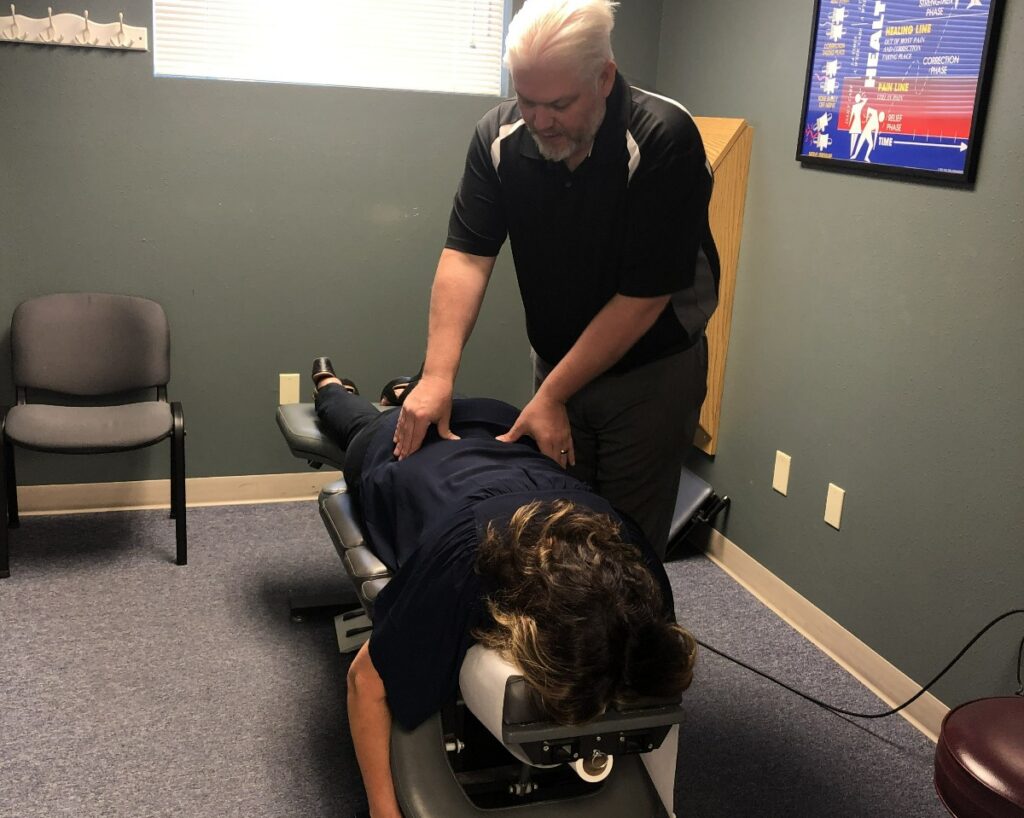

If you’re experiencing tension headaches, you’re certainly not alone. These headaches can arise from a variety of factors, such as poor posture, muscle tension, and stress. Thankfully, chiropractic care provides a natural and effective path to relieve this discomfort by concentrating on spinal alignment and promoting muscle relaxation.
During your chiropractic session, you can expect techniques that may include gentle spinal adjustments, targeted soft tissue work, and personalized exercises aimed at improving your posture and relieving tension in the neck and shoulders. These methods not only help alleviate your current headache but also work towards preventing future occurrences.
To enhance your recovery at home, consider these simple yet effective tips:
- Maintain Good Posture: Be mindful of your posture while sitting at your desk or using your phone. Keep your shoulders back, and your head aligned with your spine.
- Stay Hydrated: Dehydration can contribute to headaches, so make sure you’re drinking enough water throughout the day.
- Practice Stress Relief Techniques: Incorporate relaxation techniques such as deep breathing, meditation, or gentle yoga to reduce stress levels and muscle tension.
- Take Breaks: If you’re working for long periods, take short breaks to stretch and move around. This helps to alleviate tension that can build up in your neck and shoulders.
- Use Heat Therapy: Applying a warm compress to your neck and shoulders can help relax tight muscles and improve blood flow.
By embracing chiropractic care and these helpful tips, you can take proactive steps towards managing and relieving your tension headaches naturally. Remember, your journey to optimal health starts with a healthy spine and a commitment to wellness!
Key Takeaways
Chiropractic Care Tips for Relieving Tension Headaches
- Posture Matters: Maintaining proper posture while sitting or standing is crucial. Good posture helps reduce strain on your neck and shoulder muscles, which are common culprits for tension headaches. Make a habit of being aware of your posture throughout the day.
- Chiropractic Adjustments: Regular chiropractic adjustments can work wonders for restoring spinal alignment. A well-aligned spine can alleviate muscle tension and significantly reduce the occurrence of headaches. Think of chiropractic care as a natural way to keep your body in balance.
- Soft Tissue Therapy and Stretches: Incorporate soft tissue therapy and gentle stretches into your routine. These techniques improve blood flow and release tightness in your neck and shoulders. Simple neck rolls or shoulder shrugs can be incredibly beneficial and can easily be done at home or at work.
- Stay Hydrated and Sleep Well: Hydration plays a key role in minimizing headache triggers. Be sure to drink plenty of water throughout the day. Additionally, establishing a consistent sleep schedule can help your body recover and reduce the chances of headaches.
- Relaxation Techniques: Managing stress is essential for headache relief. Try practicing relaxation techniques such as deep breathing exercises or yoga. These practices not only help to decrease stress but also promote overall wellness and can lead to fewer tension headaches.
Remember, chiropractic care is a holistic approach to health that emphasizes natural healing and wellness. By incorporating these tips into your daily life, you can take proactive steps towards reducing tension headaches and enhancing your overall health.
Understanding Tension Headaches
Tension headaches, often described as a tight band around your head, are one of the most common headaches that many people encounter.
These headaches typically stem from stress, muscle tension, or anxiety, and can strike at any time.
You might feel discomfort spreading from your neck, shoulders, or scalp.
Unlike migraines, tension headaches generally don’t come with nausea or sensitivity to light.
The intensity of tension headaches can vary, ranging from mild to moderate pain, and they can last anywhere from 30 minutes to several days.
It’s important to identify potential triggers, which may include poor posture, lack of sleep, or dehydration.
By recognizing these factors, you can take proactive steps to manage your headaches more effectively.
At our chiropractic practice, we believe that understanding the nature of your tension headaches is the first step in taking action for relief.
Chiropractic care focuses on addressing the underlying causes of your pain, such as spinal misalignments and muscle tension, which can contribute to headaches.
Regular chiropractic adjustments can help restore proper alignment, reduce muscle tension, and improve overall spinal health, leading to fewer headaches.
In addition to chiropractic care, there are simple lifestyle changes you can implement to further reduce the frequency and severity of tension headaches.
Here are a few tips:
- Maintain Good Posture: Be mindful of your posture, especially if you spend long hours sitting at a desk. Try to keep your back straight and your shoulders relaxed.
- Stay Hydrated: Drinking plenty of water throughout the day can help prevent dehydration, which is a common trigger for headaches.
- Practice Relaxation Techniques: Incorporate stress-relief practices such as deep breathing, meditation, or yoga into your daily routine to help manage anxiety and muscle tension.
- Get Adequate Sleep: Aim for 7-9 hours of quality sleep each night to allow your body to recover and reduce the likelihood of headaches.
- Take Breaks: If you work at a computer or engage in repetitive activities, take regular breaks to stretch and move around. This can help alleviate muscle tension.
By focusing on these strategies and incorporating chiropractic care into your wellness routine, you can empower yourself to reduce tension headaches and improve your overall health naturally.
The Role of Chiropractic Care
Chiropractic care is essential for managing and alleviating tension headaches by getting to the root of the problem. By concentrating on spinal alignment and relieving muscle tension, chiropractic adjustments can restore balance in your body and help reduce pain. Many of my patients experience significant improvements in the frequency and intensity of their headaches after regular visits.
Here’s a simple overview of how chiropractic care can benefit you:
| Benefits of Chiropractic Care | Explanation |
|---|---|
| Reduces Muscle Tension | Alleviates tightness in your neck and shoulders, helping you feel more relaxed. |
| Improves Posture | Enhances spinal alignment, which can reduce strain on your body and help you stand taller. |
| Increases Range of Motion | Helps you move better and enjoy greater flexibility in your daily activities. |
| Enhances Blood Flow | Promotes better circulation, which is crucial for reducing headache symptoms. |
| Provides Personalized Care | Offers treatment plans that are tailored to your individual needs for the best results. |
To further support your wellness, here are some general tips you can incorporate into your daily routine:
- Stay Hydrated: Drink plenty of water throughout the day to keep your body well-hydrated, which can help prevent headaches.
- Practice Good Posture: Be mindful of your posture, especially if you spend long hours at a desk. Sit up straight and take breaks to stretch.
- Manage Stress: Engage in relaxation techniques, such as deep breathing, yoga, or meditation, to reduce stress that can trigger headaches.
- Get Regular Exercise: Incorporate physical activity into your routine to promote overall health and alleviate tension in your body.
- Prioritize Sleep: Ensure you’re getting enough restful sleep each night, as fatigue can contribute to headache occurrences.
Embracing chiropractic care can be a significant step toward effectively managing your tension headaches and enhancing your overall well-being. Remember, your health is worth investing in, and with chiropractic care, you’re choosing a natural approach to pain relief and wellness.
Techniques Used in Chiropractic Treatment
When it comes to tackling tension headaches, chiropractic treatment offers a range of effective techniques that can provide the relief you need while promoting overall wellness.
One of the most powerful methods is spinal manipulation. With skilled hands, chiropractors apply gentle, controlled force to your spine to realign vertebrae, enhance mobility, and relieve pressure on nerves. This can significantly reduce the frequency and intensity of headaches.
Another valuable technique is soft tissue therapy. This method focuses on easing tension in your muscles. By applying pressure to tight areas, chiropractors can boost blood flow and alleviate muscle stiffness, which contributes to headache relief.
In addition, incorporating stretching and strengthening exercises into your routine can help improve your posture, a key factor in preventing future headaches. Simple stretches can be done at home, such as neck tilts and shoulder rolls, which can make a big difference in how you feel.
Chiropractors may also use natural modalities like heat or cold therapy to help soothe discomfort and support the healing process. These therapies are gentle and non-invasive, making them a safe choice for headache relief.
The best part about chiropractic care is that it’s personalized to meet your specific needs. By working together with your chiropractor, you can create a tailored plan that addresses your headaches and enhances your overall well-being. With regular chiropractic visits, you can experience lasting relief and move towards a healthier, happier life.
Remember, taking care of your spine is vital for your overall health. Simple lifestyle changes—like maintaining good posture, staying active, and managing stress—can go a long way in preventing tension headaches.
Embrace the natural healing power of chiropractic care and take the first step towards a pain-free life!
Lifestyle Changes to Complement Chiropractic Care
To effectively manage tension headaches while enhancing the benefits of chiropractic care, making some simple lifestyle changes can truly make a difference. First and foremost, pay attention to your posture. Sitting and standing with your back straight and shoulders relaxed can alleviate unnecessary strain on your spine and neck, helping to reduce headache frequency.
Regular exercise is another key component. Aim for at least 30 minutes of moderate activity most days of the week. This doesn’t have to be strenuous; even a brisk walk can help reduce stress and improve muscle tension. Remember, a healthy body contributes to a healthy spine.
Staying hydrated is also crucial. Drink plenty of water throughout the day, as dehydration can lead to headaches. Establishing a consistent sleep schedule is equally important; aim for 7-9 hours of quality sleep each night to give your body the rest it needs to heal and recover.
Be mindful of your caffeine and alcohol intake, as both can contribute to tension headaches. Instead, consider incorporating mindfulness or relaxation techniques into your daily routine. Simple practices like deep breathing, meditation, or even yoga can help manage stress levels effectively.
Self-Care Strategies for Tension Headaches
Incorporating self-care strategies can greatly enhance your ability to manage tension headaches, and chiropractic care is an excellent foundation for achieving optimal health and wellness. One of the best ways to prevent tension headaches is by maintaining good posture throughout your day. This helps to alleviate unnecessary strain on your neck and shoulders, which can lead to discomfort. Regular visits to your chiropractor can help ensure your spine is aligned, further supporting your posture and reducing tension.
In addition to chiropractic adjustments, consider incorporating regular stretching exercises into your routine. Gentle neck rolls and shoulder shrugs can help relieve muscle tightness that often contributes to headaches. Your chiropractor can guide you on specific stretches that will benefit your unique spine and muscle structure.
Setting aside time for relaxation techniques, such as deep breathing or meditation, can also be beneficial. These practices can significantly reduce stress levels, which are often a key factor in headaches. Staying hydrated is crucial as well; drinking plenty of water ensures your body functions optimally and can help prevent headache triggers.
Heat therapy is another effective method for headache relief. Applying a warm compress to your neck or forehead can soothe tense muscles, and your chiropractor can advise on the best practices for this. Lastly, don’t underestimate the power of a good night’s sleep. Establishing a consistent sleep schedule is vital for minimizing headache occurrences, and your chiropractor can provide tips on how to improve your sleep quality.
When to Seek Professional Help
If your headache persists longer than usual or intensifies, it’s important to consider seeking professional help, and chiropractic care is an excellent option to explore.
Be mindful of any accompanying symptoms, such as nausea or changes in vision, as these may suggest a more serious concern that requires attention.
Additionally, if your headaches are interfering with your daily activities, don’t hesitate to reach out to a chiropractor.
Chiropractors are trained to address the root causes of headaches, often related to spinal misalignments or tension in the neck and shoulders.
By focusing on natural healing methods, chiropractic care can provide effective pain relief without the need for medications or surgeries.
In the meantime, here are some general tips you can incorporate into your routine for better headache management:
- Stay Hydrated: Dehydration can trigger headaches, so make sure you’re drinking enough water throughout the day.
- Practice Good Posture: Poor posture can contribute to tension headaches. Be mindful of your posture, especially when sitting at a desk or using electronic devices.
- Take Breaks: If you spend long hours working on a computer, take regular breaks to rest your eyes and stretch your neck and shoulders.
- Manage Stress: Incorporate relaxation techniques into your daily routine, such as deep breathing exercises or gentle yoga, to help reduce stress and tension.
Persistent Headache Duration
While tension headaches can be a common discomfort, it’s important to be mindful if they linger for more than a few days. Recognizing when to seek professional help can make a significant difference in your well-being. As a chiropractor, I want to emphasize the importance of understanding your body and knowing when to take action. Here are some indicators that suggest it may be time to explore chiropractic care for relief:
- Frequent headaches: If you find yourself experiencing headaches more than 15 days a month, it’s a signal that your body may need some attention.
- Increased intensity: If your headaches are becoming more severe over time, it’s essential to investigate the root cause, which could relate to spinal alignment and tension in your muscles.
- Duration: Headaches that last longer than 72 hours without relief are a sign that your body isn’t functioning optimally and could benefit from chiropractic adjustments to restore balance.
- Interference with daily activities: If your headaches are starting to affect your work, sleep, or personal life, it’s time to consider how chiropractic care can support your overall health and wellness.
Chiropractic care focuses on the spine and its connection to your nervous system, which plays a crucial role in how your body functions.
Through gentle adjustments and holistic approaches, chiropractic care can help alleviate headaches and promote natural healing.
In addition to seeking chiropractic treatment, here are some general tips for managing tension headaches:
- Stay Hydrated: Drinking plenty of water can help prevent dehydration, which is a common headache trigger.
- Practice Good Posture: Maintaining proper posture, especially while sitting at a desk, can reduce strain on your neck and back.
- Incorporate Stretching: Simple neck and shoulder stretches can relieve tension and improve circulation.
- Manage Stress: Engage in relaxation techniques such as deep breathing, yoga, or meditation to help reduce stress levels.
Remember, your health is a priority!
Don’t hesitate to reach out for chiropractic care to address headaches and enhance your overall quality of life. Together, we can work towards achieving optimal health through natural healing.
Accompanying Symptoms Assessment
When assessing your headaches, it’s important to take note of any accompanying symptoms that could indicate a bigger issue. If you find yourself experiencing nausea, changes in vision, or sensitivity to light, don’t brush them aside. These signs may suggest it’s time for a professional evaluation.
Additionally, if your headaches become more intense over time or if there’s a change in their pattern, it’s wise to seek assistance. Be mindful of symptoms like confusion, fever, or a stiff neck, as they could indicate underlying conditions that need attention.
Trust your instincts—if something feels off, it’s always better to be cautious. While consulting a healthcare provider is essential for serious concerns, many people find that chiropractic care is an excellent approach to managing headaches and promoting overall wellness. By addressing any misalignments in the spine, chiropractic adjustments can help relieve tension and improve your body’s natural ability to heal itself.
To help manage your headaches naturally, consider these tips:
- Stay hydrated: Dehydration can trigger headaches, so drink plenty of water throughout the day.
- Maintain good posture: Poor posture can strain your neck and back, leading to headaches. Be mindful of your alignment, especially if you spend long hours sitting.
- Practice relaxation techniques: Stress can contribute to headaches, so try deep breathing, meditation, or gentle yoga to help relieve tension.
- Get regular chiropractic adjustments: Regular visits to a chiropractor can help maintain a healthy spine, reduce tension, and prevent headaches from occurring.
Impact on Daily Activities
Headaches can significantly affect your daily activities, making it crucial to understand when to seek professional help. As a local chiropractor, I want to emphasize that recognizing the signs of tension headaches can lead you to effective natural solutions, particularly through chiropractic care. If headaches are interfering with your life, consider these signs:
- Frequent Episodes: If you’re experiencing headaches several times a week, they may disrupt your work, social life, or family time. Chiropractic adjustments can help address the underlying issues contributing to frequent headaches.
- Severe Pain: Intense pain that doesn’t improve with rest or natural remedies is a signal to look for alternative solutions. Chiropractic care can provide relief by realigning the spine and reducing tension in the muscles.
- Persistent Duration: If headaches last more than a few days, it’s time to consult with a chiropractor. We can evaluate your spine and posture to identify any misalignments that may be contributing to your discomfort.
- Associated Symptoms: If you notice symptoms like nausea, changes in vision, or any neurological issues, please reach out for professional help. Chiropractic care is a holistic approach that can help alleviate these symptoms by addressing their root causes.
In addition to seeking chiropractic care, here are some general tips to help manage headaches naturally:
- Stay Hydrated: Drink plenty of water throughout the day to prevent dehydration, which can trigger headaches.
- Practice Good Posture: Maintaining proper posture while sitting or standing can help reduce tension in your neck and shoulders.
- Incorporate Relaxation Techniques: Consider mindfulness practices or gentle stretching exercises to help relieve stress and tension in your body.
- Get Regular Adjustments: Frequent chiropractic visits can help keep your spine aligned and reduce the frequency and intensity of headaches.
Addressing these issues early can help restore your daily routine and improve your overall well-being. Remember, your health matters, and chiropractic care is a natural way to achieve optimal health and wellness. Don’t ignore the signs—take proactive steps for a healthier, headache-free life!
Conclusion
Incorporating chiropractic care into your daily routine can significantly alleviate tension headaches and enhance your overall quality of life. Understanding the root causes of these headaches and utilizing effective chiropractic techniques empowers you to take charge of your wellness journey.
One essential aspect of chiropractic care is spinal health. A misaligned spine can lead to tension in the neck and shoulders, contributing to headaches. Regular chiropractic adjustments can help realign the spine, reduce tension, and promote better overall health.
In addition to chiropractic adjustments, consider implementing simple lifestyle changes to support your well-being. Staying hydrated, practicing good posture, and taking regular breaks from screen time can all contribute to reducing headache frequency and intensity. Incorporating relaxation techniques, such as deep breathing exercises or gentle stretching, can also be beneficial in managing stress and tension.
Remember, self-care strategies play a vital role in enhancing the results of chiropractic treatment. Make time for activities that bring you joy and relaxation, whether it’s a leisurely walk, yoga, or even just enjoying a warm bath.
If you find that your headaches persist or worsen, it’s crucial to consult with a chiropractor who can provide personalized care tailored to your needs. By choosing chiropractic care as your primary method of pain relief and wellness, you can achieve a more comfortable, headache-free life, allowing you to fully enjoy each day.