 Westley Kuns
If you've ever stood up too quickly and felt the room spin around you, you know how disorienting and frightening vertigo can be. For some people, that spinning sensation lasts only a few seconds. For others, it can be a recurring, debilitating problem that affects their ability to drive, work, and simply go about their day. Here at Kuns Chiropractic Clinic in Gresham, OR, we regularly see patients who come in frustrated and exhausted from dealing with dizziness and balance issues — and many of them are surprised to learn that chiropractic care may be able to help. So, can chiropractic help with vertigo? The answer is more nuanced and encouraging than you might expect.
What Is Vertigo?
Vertigo defined: Vertigo is not simply feeling dizzy. It is a specific sensation that you or your surroundings are spinning, tilting, or moving when no actual movement is occurring. It is a symptom — not a diagnosis in itself — and it often points to an underlying issue involving the inner ear, the upper cervical spine, or the nervous system.
- What Causes Vertigo?
- Signs and Symptoms to Watch For
- The Cervical Spine and Vertigo Connection
- How Chiropractic Care May Help with Vertigo
- Practical Tips for Managing Vertigo at Home
- When to See a Chiropractor for Vertigo
- Vertigo Types: A Quick Comparison
- Myths vs. Facts About Vertigo and Chiropractic
- Final Thoughts from Kuns Chiropractic Clinic
- Frequently Asked Questions
What Causes Vertigo?
Vertigo has several possible causes, and understanding them is the first step toward finding relief. The most common form is called Benign Paroxysmal Positional Vertigo, or BPPV. This occurs when tiny calcium crystals in the inner ear, called otoliths or "ear rocks," become dislodged and move into the fluid-filled canals of the inner ear. When your head changes position, those misplaced crystals trigger an inappropriate signal to your brain, creating the spinning sensation.
Another common cause is cervicogenic vertigo, also called cervical vertigo. This type originates from dysfunction or misalignment in the upper cervical spine — the joints and muscles in the neck. The receptors in the neck joints and muscles play a significant role in helping your brain understand where your body is in space, a sense called proprioception. When those signals become distorted due to tight muscles, joint restriction, or misalignment, dizziness and balance problems can result.
Other less common causes include Meniere's disease, which involves fluid buildup in the inner ear, as well as vestibular neuritis, labyrinthitis, and in rare cases, more serious neurological conditions. That is why a thorough evaluation is always essential before beginning any type of care.
Signs and Symptoms to Watch For
Vertigo can present in a variety of ways, and no two patients experience it in exactly the same way. The most recognizable symptom is a spinning or tilting sensation, but other related symptoms include nausea, difficulty maintaining balance, a feeling of fullness or pressure in the ears, visual disturbances, and a sensitivity to head movement. Some people describe it as feeling like they are on a boat even when standing still on solid ground.
Cervicogenic vertigo tends to come with additional neck-related symptoms. Patients often report stiffness, soreness, or limited range of motion in the neck alongside their dizziness. Many note that their symptoms worsen after prolonged sitting at a desk, sleeping in an awkward position, or following a car accident or whiplash injury. Here in Gresham, OR, Dr. Westley Kuns frequently sees patients whose vertigo began or intensified after some form of trauma to the neck or a period of significant postural strain.
It is worth noting that if vertigo is accompanied by sudden severe headache, vision loss, difficulty speaking, weakness on one side of the body, or chest pain, these are red flags that require immediate emergency medical attention rather than a chiropractic evaluation.
The Cervical Spine and Vertigo Connection
The relationship between the cervical spine and balance is something that is not always well understood, even among patients who have been dealing with vertigo for years. The upper cervical vertebrae — particularly the atlas (C1) and axis (C2) at the very top of the spine — are located in close proximity to important neurological structures. These include the brainstem and pathways related to balance, coordination, and proprioception.
When the joints of the upper cervical spine become restricted or misaligned, they can interfere with normal nerve signaling and blood flow to and from the brain. Research suggests that these disruptions in joint mechanics may contribute to altered spatial awareness and dizziness. The muscles and joints of the neck send constant signals to the cerebellum — the part of the brain responsible for coordinating movement and balance. If those signals are distorted or inconsistent, the brain can struggle to accurately interpret where the body is in space, which may manifest as vertigo or chronic dizziness.
This is why chiropractic care, which directly addresses the function and alignment of the cervical spine, can be a meaningful part of vertigo management for certain patients. It is not a universal cure, but for those whose vertigo has a cervicogenic or musculoskeletal component, chiropractic intervention may help restore more normal signaling between the neck and the brain.
How Chiropractic Care May Help with Vertigo
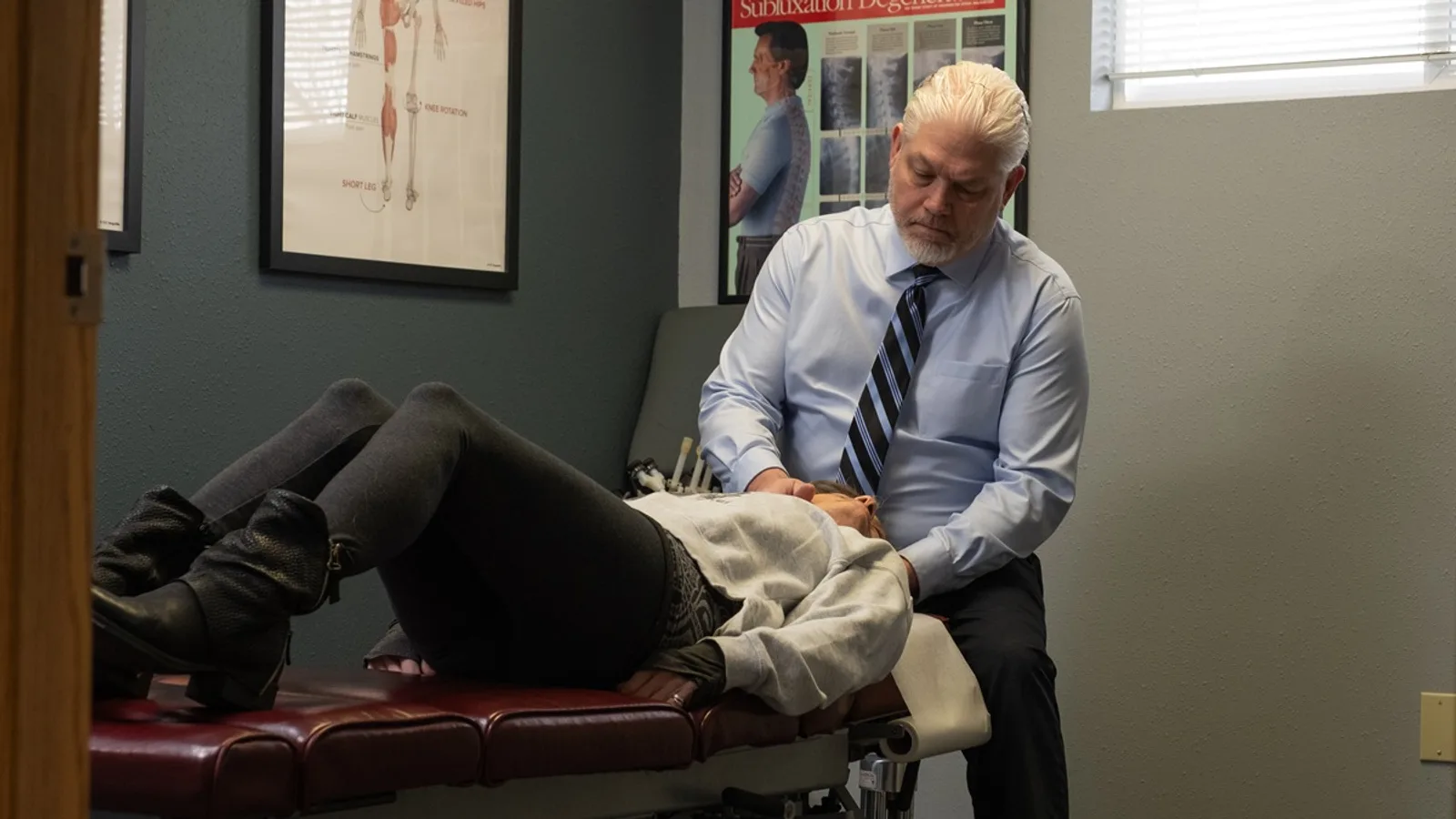
Chiropractic care for vertigo is not a one-size-fits-all approach. At Kuns Chiropractic Clinic, Dr. Westley Kuns begins with a comprehensive evaluation to understand the nature and origin of your symptoms. This includes a detailed health history, an assessment of your cervical spine alignment and range of motion, and a review of any relevant prior diagnoses or imaging.
For patients with BPPV, one of the most evidence-supported treatments is the Epley Maneuver — a series of guided head movements designed to reposition the displaced crystals in the inner ear. Many chiropractors are trained in this technique, and evidence from organizations like the American Academy of Neurology and research published through the Cochrane Library supports its effectiveness for BPPV. Dr. Westley Kuns is equipped to assess whether this repositioning maneuver may be appropriate for you.
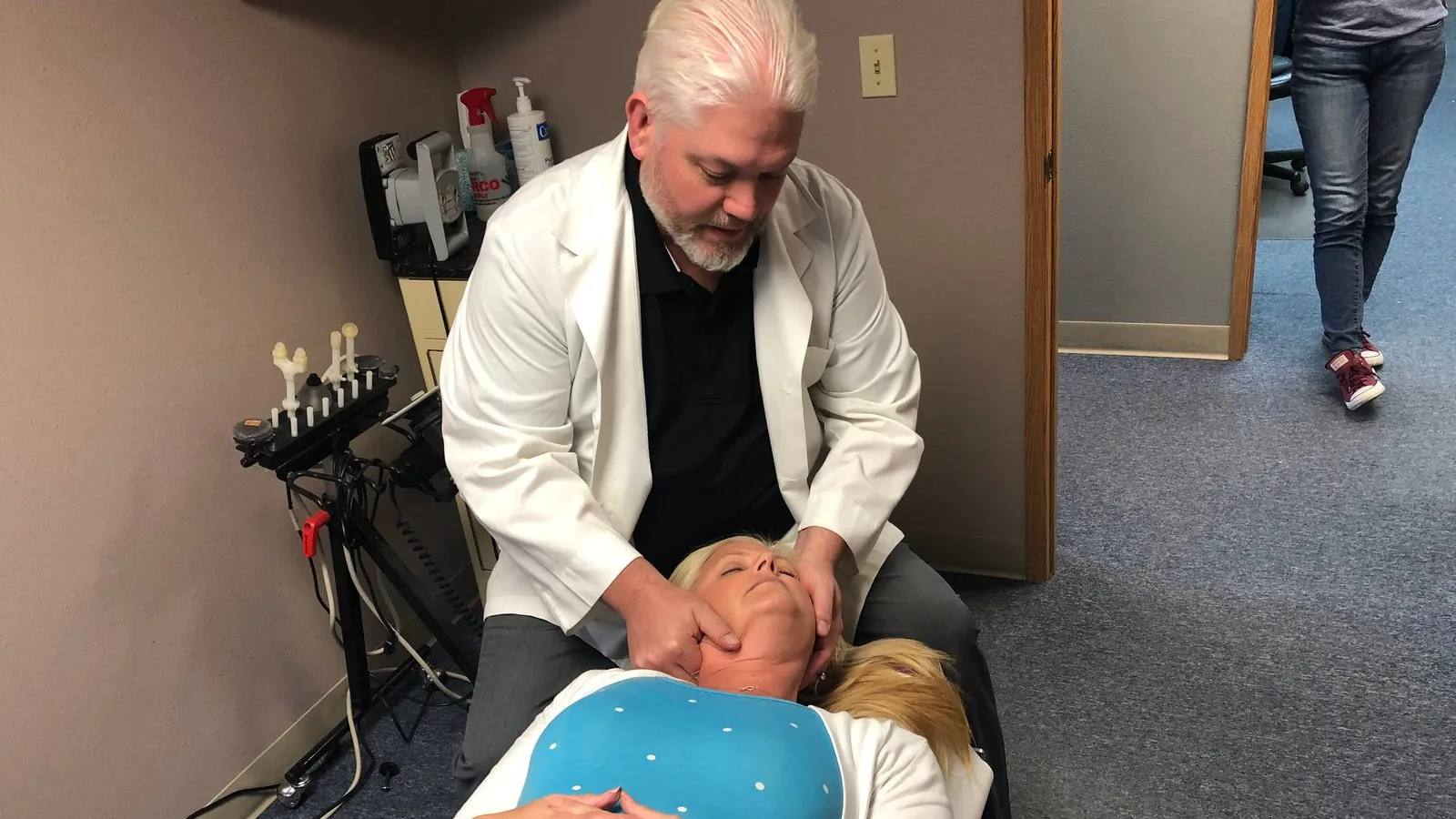
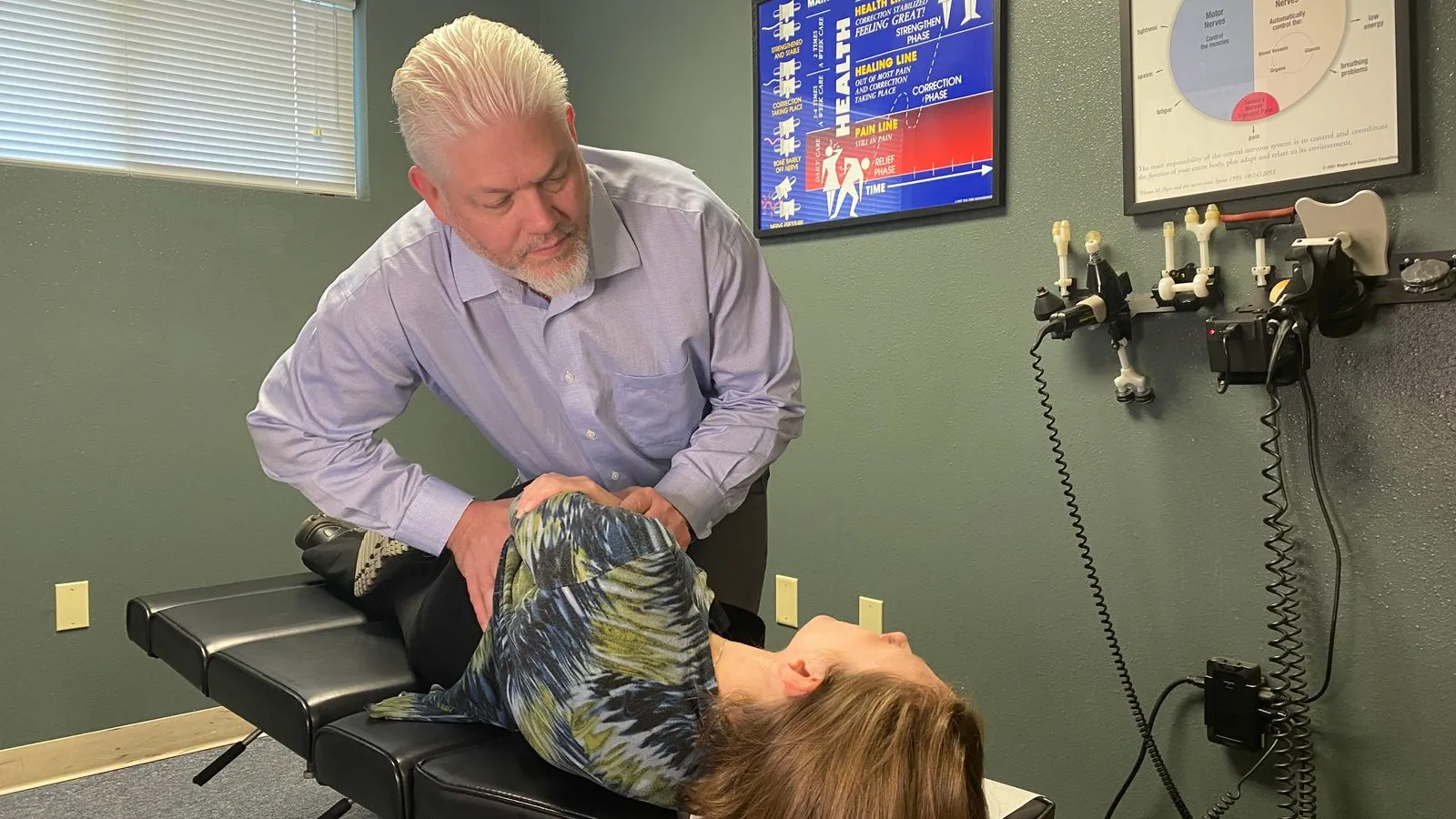
For cervicogenic vertigo, chiropractic adjustments to the upper cervical spine may help restore proper joint movement and reduce nerve irritation. These gentle, targeted adjustments can improve the quality of proprioceptive signals sent from the neck to the brain. Research suggests that spinal manipulation and mobilization of the cervical spine may help reduce the frequency and intensity of dizziness episodes in patients with cervicogenic contributions to their vertigo.
Beyond adjustments, care at Kuns Chiropractic Clinic in Gresham may also incorporate soft tissue therapy for tight neck muscles, postural retraining, guidance on movement patterns, and coordination with other healthcare providers when appropriate. The goal is always to find and address the root cause, not just manage the symptom in isolation.
Practical Tips for Managing Vertigo at Home
While professional evaluation and care are essential, there are several things you can do at home to support your recovery and reduce the frequency of vertigo episodes. First, pay close attention to your sleeping position. Sleeping with your neck bent at an awkward angle, especially on a pillow that is too thick or too flat, can place unnecessary strain on the upper cervical spine throughout the night. A pillow that supports neutral neck alignment can make a meaningful difference.
Hydration matters more than many people realize. The inner ear is sensitive to fluid balance throughout the body, and dehydration can sometimes worsen dizziness. Keeping yourself consistently hydrated is a simple but genuinely helpful habit. Similarly, reducing excessive caffeine or sodium may help those whose vertigo has an inner ear component.
Posture is also worth addressing, particularly if you spend a significant portion of your day at a computer or on a phone. Forward head posture — where the head juts forward of the shoulders — places tremendous load on the cervical spine and can contribute to muscle tension and joint restriction in the neck. Being mindful of keeping your screen at eye level and your ears stacked over your shoulders can reduce that strain over time.
Gentle movement is generally preferable to prolonged bed rest for most types of vertigo. Staying as active as your symptoms allow can help the nervous system recalibrate and can support overall recovery. That said, always check with a healthcare professional before beginning any new exercise routine when you are experiencing balance issues.
When to See a Chiropractor for Vertigo
You may want to consider a chiropractic evaluation if your vertigo is recurring and has not been fully explained or resolved by other approaches, if your dizziness is accompanied by neck pain or stiffness, if your symptoms began after a whiplash injury or car accident, or if your episodes are triggered by specific head or neck movements. These patterns are often indicators of a cervicogenic or musculoskeletal component that chiropractic care is well-suited to address.
Patients in the Gresham, OR area who have been told they have BPPV and have not yet tried the Epley Maneuver may also benefit from consulting with Dr. Westley Kuns to see if that approach is appropriate for their situation. Many patients who have lived with BPPV for months or even years find significant relief through this relatively simple intervention when performed correctly.
As mentioned, please seek emergency care immediately if your vertigo is accompanied by severe sudden headache, neurological symptoms, difficulty swallowing, or significant changes in vision or consciousness. Chiropractic care is a valuable conservative option, but it is always important to rule out serious underlying conditions first.
Vertigo Types: A Quick Comparison
| Type of Vertigo | Primary Origin | Common Triggers | May Respond to Chiropractic? |
|---|---|---|---|
| BPPV (Benign Paroxysmal Positional Vertigo) | Inner ear (displaced calcium crystals) | Head position changes, rolling over in bed | Yes — Epley Maneuver and repositioning techniques |
| Cervicogenic Vertigo | Upper cervical spine dysfunction | Neck movement, sustained postures, trauma | Yes — spinal adjustments, soft tissue work |
| Meniere's Disease | Inner ear fluid imbalance | Stress, sodium intake, fluid changes | Partially — may support overall wellness, not primary treatment |
| Vestibular Neuritis | Inflammation of vestibular nerve (often viral) | Sudden onset, often following illness | Limited — medical co-management recommended |
Myths vs. Facts About Vertigo and Chiropractic
Myth: Vertigo always comes from the ears and has nothing to do with the spine.
Fact: While inner ear problems are a common cause of vertigo, the cervical spine plays a significant role in balance and spatial orientation. Cervicogenic vertigo is a well-recognized condition in which dysfunction of the neck joints and muscles contributes to dizziness. The two systems — vestibular and proprioceptive — are deeply interconnected.
Myth: Chiropractic adjustments to the neck are dangerous and can make vertigo worse.
Fact: When performed by a trained, licensed chiropractor, cervical adjustments are considered a generally safe and effective conservative treatment for appropriate candidates. Dr. Westley Kuns performs a thorough evaluation before recommending any cervical treatment, ensuring that the approach is appropriate and individualized for each patient.
Myth: If you have vertigo, you just have to wait it out.
Fact: Many types of vertigo, including BPPV, respond well to specific interventions and do not simply have to run their course. Techniques like the Epley Maneuver have been shown in multiple studies to significantly reduce or resolve BPPV symptoms. Waiting without treatment can sometimes allow the condition to become more entrenched and disruptive.
Myth: Chiropractic care cures vertigo permanently.
Fact: Chiropractic care can be highly effective in reducing and managing vertigo symptoms, particularly those with a cervicogenic or positional component. However, no healthcare provider can guarantee a permanent cure, and results vary depending on the underlying cause, the patient's overall health, and consistency with care and home recommendations.
Myth: Vertigo is not a serious issue and doesn't need professional attention.
Fact: While many causes of vertigo are benign, the condition can significantly impact quality of life and, in some cases, signals an underlying issue that warrants professional evaluation. Falls and injuries related to balance problems are also a real risk, particularly for older adults. Getting an accurate assessment is always the right first step.
Final Thoughts from Kuns Chiropractic Clinic in Gresham, OR
Living with vertigo can be an isolating and exhausting experience, especially when you have been searching for answers and not finding lasting relief. The good news is that you do not have to keep struggling through it alone. Here in Gresham, OR, Dr. Westley Kuns and the team at Kuns Chiropractic Clinic are committed to helping community members find real, lasting answers to complex musculoskeletal and neurological concerns — including vertigo.
Chiropractic care is not a magic solution for every type of dizziness, but for many patients, it offers a meaningful, non-invasive path toward improved balance, reduced episodes, and a better quality of daily life. Whether your vertigo stems from displaced ear crystals, cervical spine dysfunction, or a combination of factors, a thoughtful evaluation is the starting point for understanding your specific situation and building a care plan that makes sense for you.
If you have been dealing with recurring dizziness or balance problems and are looking for a compassionate, evidence-informed approach to care, we welcome you to reach out to Kuns Chiropractic Clinic. You deserve to feel steady on your feet again — and we are here to help you get there.
Frequently Asked Questions
Can a chiropractor treat BPPV?
Yes, many chiropractors are trained in the Epley Maneuver and similar repositioning techniques that are considered effective for BPPV. Research supports these techniques as a first-line conservative intervention for this common form of vertigo. Dr. Westley Kuns evaluates each patient to determine whether these approaches are appropriate for their specific case.
How many chiropractic visits does it take to see improvement with vertigo?
This varies greatly depending on the type and cause of vertigo. Some patients with BPPV experience significant relief after just one or two repositioning sessions. Cervicogenic vertigo may require a longer course of care involving spinal adjustments, soft tissue work, and postural retraining. Your chiropractor will give you a clearer timeline after a full evaluation.
Is it safe to get chiropractic adjustments when I have vertigo?
For most patients, yes — when care is provided by a licensed and experienced chiropractor following a thorough evaluation. Dr. Westley Kuns tailors the approach to each individual, using gentle techniques when appropriate and always prioritizing patient safety. If any contraindications are identified, care will be modified or referrals will be made accordingly.
What is the difference between dizziness and vertigo?
Dizziness is a broad term that can refer to lightheadedness, faintness, or unsteadiness. Vertigo is a specific type of dizziness characterized by the sensation that you or your environment is spinning or moving when it is not. Distinguishing between the two is an important part of identifying the underlying cause.
Can poor posture cause vertigo?
Poor posture — particularly forward head posture — can contribute to muscle tension and joint restriction in the cervical spine that may affect proprioceptive signaling and lead to dizziness. While posture alone may not cause true vertigo in every case, it can be a contributing factor worth addressing, especially in patients with cervicogenic vertigo.
Should I see a medical doctor or a chiropractor first for vertigo?
Either is a reasonable first step, depending on your symptoms. If your vertigo is severe, sudden, or accompanied by neurological symptoms, seeing a medical doctor first is recommended to rule out serious causes. If your symptoms are mild to moderate and associated with neck pain or head movement, a chiropractic evaluation at a clinic like Kuns Chiropractic Clinic in Gresham, OR can be a very appropriate starting point.
TL;DR Summary
- Vertigo is a spinning sensation caused by inner ear problems, cervical spine dysfunction, or other factors — not just one single condition.
- The upper cervical spine plays a key role in balance and proprioception, which is why chiropractic care can be relevant for certain types of vertigo.
- Techniques like the Epley Maneuver and cervical spinal adjustments have evidence supporting their use for BPPV and cervicogenic vertigo respectively.
- Red flags like sudden severe headache or neurological symptoms warrant emergency medical care, not chiropractic treatment.
- Dr. Westley Kuns at Kuns Chiropractic Clinic in Gresham, OR offers individualized evaluations to determine whether chiropractic care is an appropriate approach for your vertigo symptoms.