
When it comes to recovering from a sports injury, it's important to be aware of the various recovery techniques, especially those that focus on natural healing. As a local chiropractor, I want to emphasize the benefits of incorporating chiropractic care into your recovery plan. While traditional methods like R.I.C.E. (Rest, Ice, Compression, Elevation) have their place, innovative therapies, including chiropractic adjustments, can play a crucial role in enhancing your healing process.
Chiropractic care focuses on aligning the spine and joints, which can alleviate pain and improve mobility. By addressing the root cause of your injury, rather than just the symptoms, chiropractic adjustments can facilitate faster recovery and help prevent future injuries. Many patients find that combining chiropractic care with other recovery techniques leads to even better outcomes.
It's important to remember that not every recovery method works the same for everyone. Each individual's body responds differently to various treatments. By understanding the unique benefits of chiropractic care and its holistic approach to healing, you can make informed decisions about your recovery journey. If you're curious about how chiropractic care can specifically aid your recovery, I'm here to guide you on the best path tailored to your needs.
Traditional Recovery Methods
When it comes to recovering from sports injuries, I want to emphasize the importance of traditional methods alongside chiropractic care. These time-tested techniques have been utilized for generations and can effectively support your healing process. One of the foundational approaches is the R.I.C.E. method—Rest, Ice, Compression, and Elevation—which should be your first response after an injury.
Resting the affected area allows your body to initiate its natural healing processes without additional strain. Applying ice reduces swelling and numbs discomfort, while compression helps prevent excess fluid buildup. Elevating the injured limb not only aids circulation but also further reduces swelling.
While employing R.I.C.E., it's crucial to seek the guidance of a healthcare professional, like a chiropractor. We can assess your injury comprehensively and recommend tailored interventions to facilitate your recovery and prevent complications. This may include suggesting over-the-counter pain relief options to help manage discomfort as you heal.
In addition to these methods, heat therapy can be beneficial once the initial swelling has decreased. Applying heat to the area can help relax tense muscles and improve blood flow, which promotes healing and alleviates stiffness.
Lastly, don't overlook the power of good nutrition during your recovery. A balanced diet rich in vitamins and minerals is essential as it supports your body's healing processes. Staying hydrated is equally important, as proper fluid intake helps maintain joint lubrication and overall functionality.
As your chiropractor, I'm here to guide you through these traditional recovery methods and ensure you have the tools you need for a successful healing journey. Together, we can help you get back to your active lifestyle.
Physical Therapy Techniques
As your local chiropractor, I want to emphasize the importance of physical therapy techniques when you're recovering from a sports injury. Many patients may not realize how beneficial these approaches can be for their healing journey.
We utilize manual therapy techniques to help alleviate pain and improve joint function. Exercise rehabilitation strategies are also crucial, as they guide you in rebuilding strength and enhancing mobility safely.
Additionally, we incorporate various modalities for pain relief that align with natural healing principles. Each of these methods is essential in restoring your body to its optimal state, allowing you to return to your favorite activities with confidence.
Manual Therapy Approaches
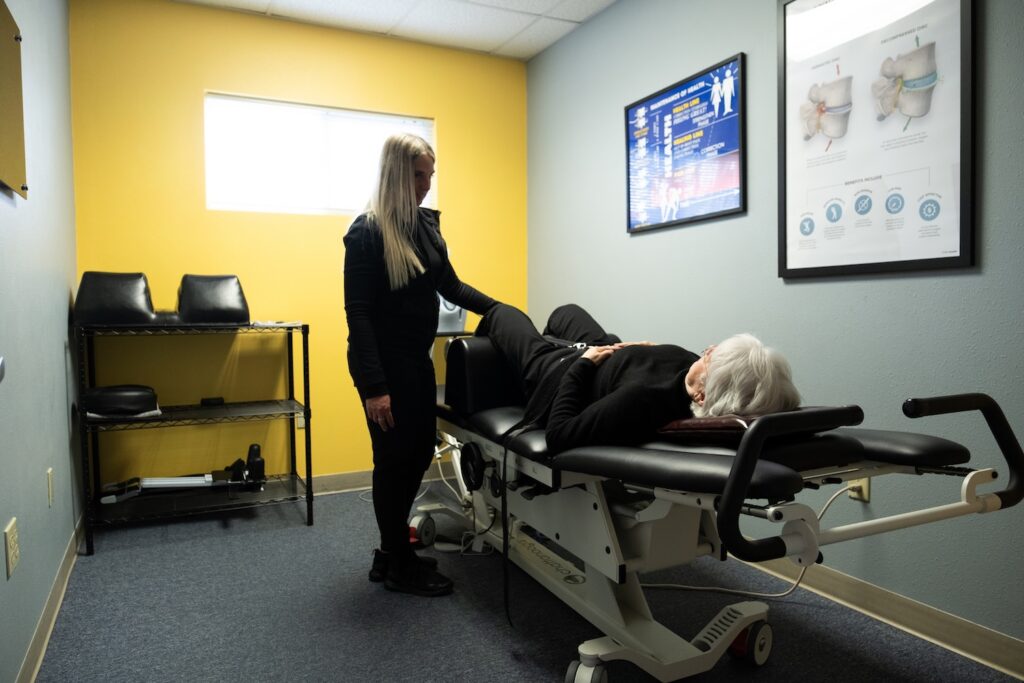
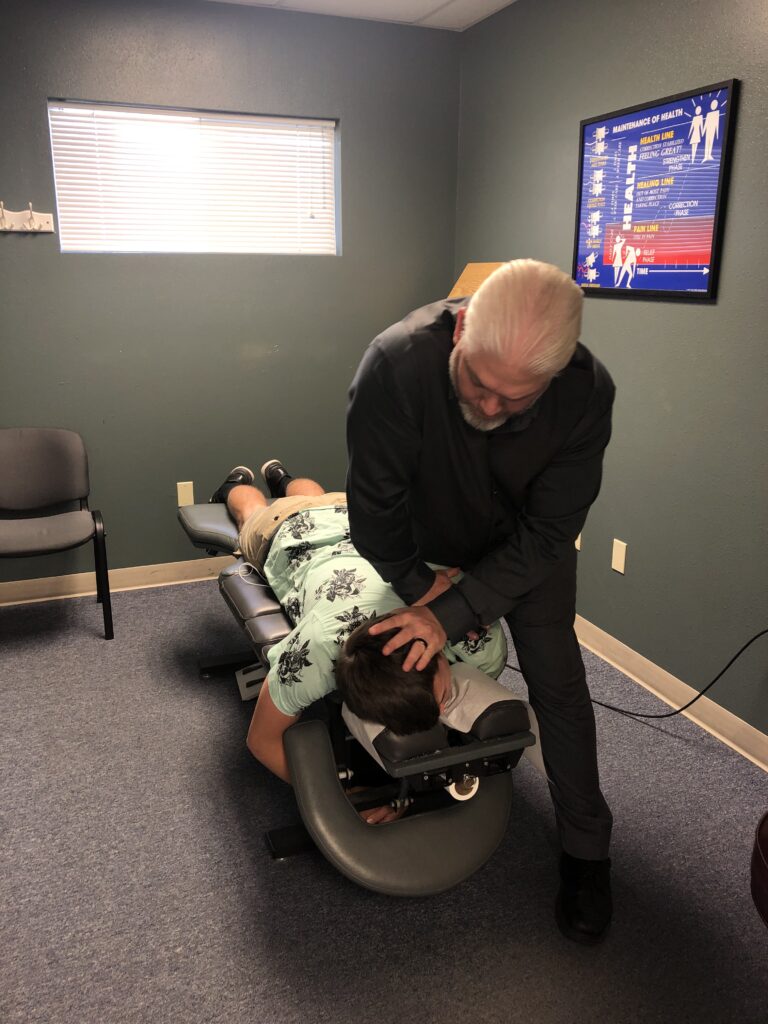
As a local chiropractor, I want to share how manual therapy approaches can be a vital component in your recovery from sports injuries. Chiropractic care focuses on hands-on techniques designed to alleviate pain and improve your overall mobility. These methods encompass a variety of techniques, including manipulation, mobilization, and soft tissue work, all aimed at enhancing your body's natural healing process and restoring optimal function.
During a session, I'll use my hands to apply gentle pressure, stretch your muscles, or mobilize your joints. These techniques are effective in releasing tightness, reducing inflammation, and improving circulation—key elements that contribute to healing. Many of my patients report experiencing immediate relief from pain or an increased range of motion after just one visit.
It's important to note that chiropractic care isn't only beneficial for treating existing injuries but also plays a proactive role in preventing future problems by addressing any biomechanical imbalances. I'll carefully assess your movement patterns and customize my techniques to meet your individual needs.
As you navigate your recovery journey, I encourage you to maintain open communication with me about your progress. This will allow us to adjust your treatment as needed based on how your body responds.
Embracing chiropractic care and manual therapy can truly be a game-changer in your quest to achieve peak performance and overall wellness.
Exercise Rehabilitation Strategies
Incorporating exercise rehabilitation strategies into your recovery plan can significantly enhance your healing process after a sports injury, and as your local chiropractor, I'm here to guide you through this journey. These strategies focus on restoring strength, flexibility, and endurance, which are essential for a complete return to your favorite activities.
It's important to start by collaborating with a qualified professional, like myself, who can help you develop a personalized rehabilitation program tailored to your specific injury and recovery goals. Initially, we may begin with gentle range-of-motion exercises to improve flexibility and reduce stiffness in the affected areas.
As you progress, we'll shift to strength training exercises that specifically target the injured muscles and joints, ensuring you rebuild your strength safely and effectively. In addition to these foundational exercises, incorporating functional movements is crucial. These exercises mimic the actions you'll perform in your sport, facilitating a smoother transition back to your athletic activities.
Balance and proprioception training also play a vital role; they enhance your stability and coordination, which can significantly reduce the risk of re-injury. Throughout this process, it's essential to listen to your body. If you experience any pain or discomfort, please communicate that with me so we can adjust your routine accordingly.
Consistency is key—commit to your rehabilitation exercises, even when it feels challenging. Staying dedicated will ultimately accelerate your recovery and help you regain your athletic performance naturally. Remember, chiropractic care is here to support you every step of the way on your path to recovery.
Modalities for Pain Relief
Are you recovering from a sports injury and looking for effective ways to manage your pain? As a local chiropractor, I want to share some natural modalities for pain relief that can significantly enhance your healing process. Here are a few techniques you might find beneficial:
- Ice Therapy: One of the first steps after an injury is applying ice packs. This helps reduce inflammation and numbs the pain, particularly effective within the first 48 hours following your injury.
- Heat Therapy: Once the initial swelling subsides, incorporating heat pads can be incredibly helpful. Heat therapy aids in relaxing tight muscles and improving blood circulation to the affected area, which can accelerate your recovery.
- Ultrasound Therapy: This non-invasive technique utilizes sound waves to facilitate tissue healing. It can alleviate pain and enhance mobility, making it a wonderful option to consider as part of your recovery plan.
- Electrical Stimulation: Utilizing a TENS (Transcutaneous Electrical Nerve Stimulation) unit involves sending gentle electrical currents to the skin. This method can effectively reduce the perception of pain, offering you much-needed relief.
Integrating these modalities into your recovery journey can provide substantial relief and support your overall progress.
I encourage you to consult with me or your physical therapist to identify which methods will be best suited for your specific injury and healing needs.
With the right approach to pain management, you'll be on your way to regaining strength and returning to the activities you love.
Cryotherapy Benefits
As a local chiropractor, I want to share with you the incredible benefits of cryotherapy for sports injury recovery. This innovative approach utilizes extreme cold to reduce inflammation and speed up the healing process. When your body is exposed to low temperatures, it activates a variety of physiological responses that can significantly enhance your recovery. This isn't just about feeling comfortable; it's about harnessing your body's natural ability to heal itself more effectively.
One of the standout advantages of cryotherapy is its capacity to minimize swelling and inflammation. If you're recovering from an injury, you know that excessive inflammation can slow down your healing. Cryotherapy works by constricting blood vessels, which reduces blood flow to the injured area. This action helps alleviate swelling, allowing your body to focus on healing.
In addition to reducing inflammation, cryotherapy is also highly effective at relieving pain. The cold therapy numbs the nerve endings in the affected area, providing immediate relief. This means that you can return to your training routine sooner, free from the burdens of discomfort.
Moreover, cryotherapy supports muscle recovery. Once you step out of the cold environment, your body begins to enhance blood circulation, flushing out toxins and delivering essential nutrients to your muscles. This process not only accelerates recovery but can also elevate your overall athletic performance.
Incorporating cryotherapy into your recovery routine can give you the edge you need to bounce back stronger from injuries. Whether you're dealing with acute injuries or chronic pain, experiencing the revitalizing effects of cryotherapy could be a transformative step in your journey toward healing.
As your chiropractor, I encourage you to consider this natural healing method as part of your overall wellness plan.
Regenerative Medicine Approaches
As a local chiropractor, I want to share some exciting advancements in natural healing that can significantly enhance your recovery from sports injuries. Regenerative medicine is at the forefront of these innovations, offering therapies that work with your body to promote healing naturally.
For instance, techniques such as stem cell therapy and platelet-rich plasma (PRP) treatments are becoming increasingly popular. These therapies harness the body's own healing mechanisms to accelerate recovery and reduce pain.
Additionally, I encourage you to explore the latest developments in tissue engineering. This area of research is showing great promise for creating new tissues that can help you bounce back from injuries more quickly and effectively.
By incorporating these regenerative approaches into your recovery plan, we can work together to optimize your healing process and get you back to doing what you love.
Stem Cell Therapy
As a local chiropractor, I want to share with you the exciting potential of stem cell therapy in the realm of sports injury recovery. This innovative approach taps into the body's own natural healing mechanisms, offering a unique way to help you recover from injuries.
Stem cells have the remarkable ability to transform into various types of cells, which can be instrumental in repairing damaged tissues and promoting healing. This therapy can be particularly beneficial for injuries involving cartilage, ligaments, and muscles.
Here are some important aspects of stem cell therapy that you should consider:
- Types of Stem Cells: There are different types of stem cells available for treatment, such as those derived from bone marrow or adipose (fat) tissue. Each type has its own unique properties that can support your healing process.
- Injection Process: The typical procedure involves extracting stem cells from your body, processing them, and then injecting them directly into the injured area. This targeted approach allows for more effective treatment of the specific injury.
- Recovery Time: Many patients, especially athletes, find that their recovery times are significantly shorter when utilizing stem cell therapy compared to traditional treatment methods. This means you can get back to your favorite activities much sooner.
- Research and Efficacy: The field of stem cell therapy is continually evolving, with ongoing research aimed at refining techniques and understanding the long-term benefits. Staying informed about these advancements can help you make the best choices for your health.
By considering stem cell therapy as part of your recovery plan, you can harness the power of your body's natural healing abilities and support your journey towards optimal health.
If you have any questions or would like to learn more, I'm here to help!
Platelet-Rich Plasma
As a local chiropractor, I want to introduce you to an exciting option in the realm of natural healing and recovery from sports injuries: Platelet-Rich Plasma (PRP) therapy. This innovative technique harnesses the healing power of your own body to aid in the recovery of injured tissues.
During a PRP therapy session, we begin by drawing a small sample of your blood from your arm. This blood is then processed to concentrate the platelets, which are rich in growth factors that play a vital role in tissue repair. After preparing the PRP, we inject it directly into the area of injury.
This targeted treatment approach not only stimulates the healing process but also helps reduce inflammation, potentially speeding up your recovery time.
Many athletes have experienced significant improvements in pain and physical function after utilizing PRP therapy, especially for issues like tendon injuries, ligament sprains, and osteoarthritis. One of the most appealing aspects of PRP therapy is that it's minimally invasive and uses your own biological material, which greatly lowers the risk of allergic reactions or complications.
While individual results can vary, extensive research supports the effectiveness of PRP therapy, making it a promising option for anyone looking to return to their favorite activities safely and quickly.
If you're interested in exploring this treatment further, I encourage you to reach out and discuss whether PRP therapy might be suitable for you. Your journey to optimal health and recovery is important, and I'm here to help guide you through it.
Tissue Engineering Advances
As a local chiropractor, I want to share some exciting advancements in tissue engineering that can significantly enhance your recovery from sports injuries.
These innovative methods align with our holistic approach to healing and rehabilitation, helping your body repair itself more effectively. Here are four key developments in tissue engineering that can support your journey to recovery:
1. Biomaterials: Researchers are creating biodegradable scaffolds that serve as structural support during tissue regeneration.
These scaffolds can help your body rebuild damaged areas more efficiently, complementing the adjustments and therapies we provide in chiropractic care.
2. Stem Cell Therapy: By harnessing your own stem cells, we can promote the growth of new tissue and reduce inflammation.
This can lead to quicker recovery times, allowing you to get back to the activities you love sooner.
3. 3D Bioprinting: This groundbreaking technology allows for the creation of customized tissue constructs tailored specifically to your injury.
This level of customization enhances compatibility with your natural tissues, which can be beneficial in combination with chiropractic adjustments.
4. Gene Therapy: Introducing specific genes into your injured tissues can amplify your body's healing response.
This advanced technique may lead to a faster and more efficient recovery, supporting the natural healing processes we focus on in chiropractic care.
These advancements in tissue engineering are transforming the way we approach recovery, and I'm excited to incorporate these insights into our chiropractic practice.
Together, we can optimize your healing journey and help you return to your favorite sports in no time.
Alternative Therapies
As a local chiropractor, I want to take a moment to educate you on the benefits of alternative therapies, particularly chiropractic care, in the context of recovery from sports injuries. Many athletes are discovering how these holistic approaches can complement traditional treatments, focusing not just on physical healing but also on enhancing mental well-being.
Chiropractic care is centered on the musculoskeletal system, especially the spine. When joints are misaligned, it can lead to pain and hinder your athletic performance. Through gentle adjustments, we realign these joints, alleviating discomfort and helping to restore optimal function.
Regular chiropractic adjustments can also play a significant role in preventing future injuries by improving your posture and increasing flexibility.
In addition to chiropractic care, I encourage my patients to consider acupuncture and massage therapy as part of their recovery plan. Acupuncture, which involves the insertion of fine needles into specific points on the body, can help reduce inflammation and stimulate your body's natural pain relief mechanisms. Many athletes have shared their experiences of reduced pain and increased range of motion following acupuncture sessions.
Massage therapy is another fantastic option that can support your recovery. Techniques like deep tissue and sports massage enhance circulation, alleviate muscle tension, and promote relaxation.
Athletes often find that massage therapy not only aids in physical recovery but also boosts mental clarity and reduces stress, allowing them to focus on their training and performance.
If you're considering incorporating alternative therapies into your recovery strategy, I encourage you to consult with your healthcare provider to ensure these methods align with your overall plan.
Comparing Effectiveness and Outcomes
When considering your recovery options, it's essential to explore both traditional therapies and the benefits of chiropractic care and other natural healing techniques. As a chiropractor, my goal is to help you not only recover faster but also improve your overall performance. Here are some key factors to keep in mind as you evaluate different recovery methods:
- Speed of Recovery: While traditional therapies like physical therapy and rest have established timelines for recovery, chiropractic care can often provide quicker results, especially for musculoskeletal injuries. Through spinal adjustments and targeted treatments, many patients experience a noticeable reduction in pain and improved mobility in a shorter timeframe.
- Pain Management: One of the great advantages of chiropractic care is its ability to address pain without relying on opioids or medications. Many patients report immediate relief from discomfort through gentle adjustments and other holistic techniques, whereas traditional methods may involve more invasive pain management strategies.
- Long-term Outcomes: Chiropractic care not only focuses on alleviating current pain but also emphasizes long-term health and injury prevention. By addressing the root causes of your pain and improving spinal alignment, we can help strengthen your body and reduce the risk of future injuries, unlike some alternative therapies that may solely focus on symptom relief.
- Personal Preference and Comfort: Your comfort with a treatment method is crucial for success. If you're open to a holistic approach that considers the whole body, you may find chiropractic care to be a perfect fit. For those who prefer a structured, evidence-based approach, traditional therapies can also be valuable, but it's important to choose a method that resonates with you personally.
As you explore your recovery options, remember that chiropractic care offers a natural, effective path to healing that can complement or even enhance traditional methods. Your health and comfort are our top priorities, and we're here to guide you on your journey to wellness.
Conclusion
As a local chiropractor, I want to emphasize that the journey to recovery from sports injuries can be greatly enhanced by integrating traditional methods with natural healing techniques. Utilizing approaches like R.I.C.E. (Rest, Ice, Compression, Elevation) can provide immediate relief, but it doesn't stop there. Incorporating chiropractic care and physical therapy can significantly improve your healing process by addressing the underlying issues related to your injury.
Moreover, I encourage you not to overlook alternative therapies. These can be instrumental in supporting not just your physical recovery but also your mental well-being. By considering a variety of treatment options, including chiropractic adjustments, you can create a personalized recovery plan that meets your specific needs. This holistic approach will not only help you heal but also prepare you to return to your sport with greater strength and resilience. Let's work together to get you back in the game!