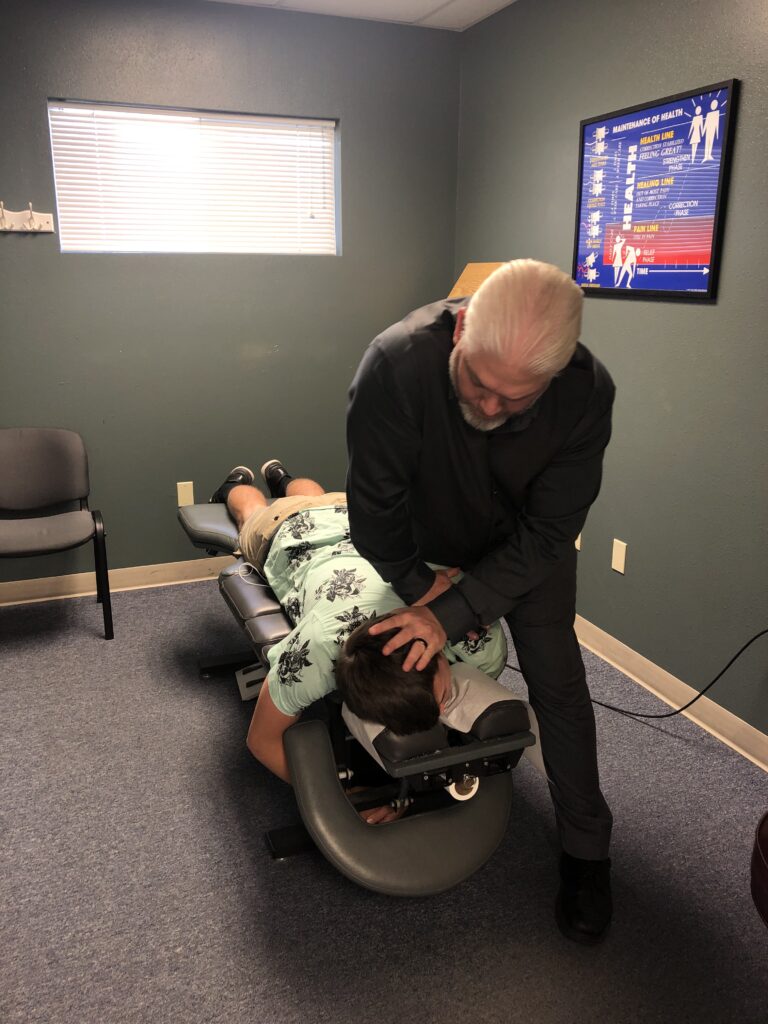

As a local chiropractor, I want to share with you the significant impact that sports-related back pain can have on your performance and overall well-being. Many athletes may not be aware of the origins of their back pain, especially if they engage in high-impact activities. Understanding these causes is the first step towards finding relief.
Incorporating proper techniques and effective warm-up strategies can greatly help in protecting your spine. However, it's equally important to recognize when to seek professional assistance. Chiropractic care focuses on natural healing and can play a vital role in alleviating pain and preventing future injuries.
As you consider your approach to managing sports-related back pain, think about what's truly at stake. A few simple adjustments, both in your training routine and in seeking chiropractic care, can significantly enhance your experience on the field. What steps will you take next to prioritize your spine health and improve your performance?
Understanding Back Pain Origins
As a local chiropractor, I want to shed light on the common origins of back pain, especially for those of you who may not be familiar with chiropractic care and natural healing.
Back pain can often feel like a relentless challenge in your athletic pursuits, and understanding its roots is crucial for effective management.
A significant portion of back pain arises from muscle strains, ligament sprains, or injuries to the intervertebral discs in your spine. These issues can develop due to improper techniques, overexertion, or insufficient warm-ups before engaging in sports activities.
As your chiropractor, I emphasize the importance of proper form and preparation to prevent these injuries.
Another contributor to back pain can be poor posture during your sport. Slouching or adopting an awkward stance can gradually place excessive stress on your spine.
Additionally, repetitive motions, which are common in many sports, can lead to cumulative wear and tear on your back, resulting in discomfort.
Core strength is also a vital factor in back health. Your core muscles play a key role in supporting your spine.
If these muscles are weak, your back is forced to take on extra strain, leading to pain.
I encourage my patients to incorporate targeted strength training for core stability, which in turn supports your back during physical activity.
Lastly, we can't overlook the influence of stress and fatigue on your body. Mental stress can manifest as physical tension, contributing to discomfort in your back.
Managing stress levels and ensuring you prioritize adequate rest are essential steps in minimizing the risk of back pain.
As your chiropractor, my goal is to educate and empower you with the knowledge and tools necessary to maintain a healthy back.
Together, we can explore natural healing techniques and preventative measures to keep you active and pain-free.
Common Sports That Cause Pain
As a local chiropractor, I want to shed some light on how certain sports can lead to back pain, especially if you're not familiar with the principles of chiropractic care and natural healing.
Many athletic activities place significant physical demands on your body, which can contribute to discomfort if proper precautions aren't taken.
High-impact sports, such as football and rugby, involve sudden movements and tackles that can put a strain on your back. The intense physical contact and repetitive actions can lead to injuries, particularly if your muscles and spine aren't conditioned for the stresses of these sports. It's important to ensure that your body is adequately prepared to handle these demands.
Gymnastics and wrestling are other sports that can exert considerable pressure on your spine. The twisting and bending motions involved may lead to muscle tightness or sprains over time. If you're not careful and don't pay attention to your body's signals, these activities can contribute to chronic back pain.
Running is frequently associated with back issues as well, particularly if you're using improper footwear or have poor running form. The repetitive impact from each stride can create stress on your lower back. Additionally, if you push yourself too hard without adequate warm-up routines, you may find yourself dealing with discomfort.
Weightlifting is another area where back pain can arise. While it's great for building strength, lifting heavy weights without proper form can strain your back muscles or even injure your spine. It's crucial to utilize correct techniques and avoid overloading your body to prevent injuries.
Lastly, sports like tennis and golf involve repetitive twisting motions that can place a strain on your lower back. These activities require a strong core to support your spine, and neglecting core strength can lead to discomfort.
Understanding the potential risks associated with these sports is vital. As a chiropractor, I encourage you to take preventive measures, listen to your body, and seek natural healing approaches to stay active without pain.
Importance of Proper Technique
As a local chiropractor, I want to emphasize the importance of using proper technique when engaging in sports and physical activities. Not only does correct body mechanics enhance your performance, but it also significantly contributes to your safety.
By focusing on proper techniques, you can effectively reduce the risk of injuries, particularly to your back. Incorporating technique training into your routine not only protects your body but also allows you to fully enjoy your activities without discomfort.
Correct Body Mechanics
As a local chiropractor dedicated to promoting natural healing and overall wellness, I want to emphasize the importance of proper body mechanics in preventing sports-related back pain. Understanding how your body moves during physical activity can significantly impact your spinal health. When you engage in sports, the way you move can either protect your back or put unnecessary strain on it.
Using proper technique is crucial for ensuring that your muscles, joints, and ligaments work together in harmony. This alignment helps to distribute forces evenly across your body, reducing stress on your spine and minimizing the risk of injury.
To maintain correct body mechanics, focus on your posture. It's essential to keep your spine aligned and engage your core muscles during any activity. Whether you're running, lifting weights, or swinging a racket, always be mindful of your body alignment.
For instance, when lifting heavy objects, remember to bend your knees rather than your back, and avoid twisting your torso while carrying weight.
Additionally, don't underestimate the importance of warm-up and cooldown routines. These practices can enhance your flexibility and strength, further supporting proper biomechanics.
If you're ever unsure about your technique, I encourage you to seek guidance from a qualified coach or a physical therapist. They can provide tailored advice to help refine your movements.
By prioritizing correct body mechanics, not only can you enhance your athletic performance, but you can also significantly reduce your risk of experiencing back pain in the future.
As your chiropractor, I'm here to support you in achieving optimal health and well-being through natural methods. Let's work together to ensure your body is moving correctly and efficiently!
Injury Prevention Strategies
As a local chiropractor, I want to emphasize that regularly employing proper technique is crucial for preventing injuries, especially in sports. When you focus on maintaining the correct form during your activities, you can significantly reduce unnecessary stress on your body, particularly your back. This attention to technique helps distribute forces evenly across your muscles and joints, minimizing the risk of strains and sprains.
Every sport involves specific movements that require precision. Whether you're lifting weights, running, or participating in team sports, improper technique can lead to misalignments and overexertion. Always be mindful of your posture, balance, and movements.
For example, when lifting, ensure your back remains straight and your knees bend to prevent undue strain on your spine.
It's also important to listen to your body. If you feel discomfort or fatigue, it's essential not to push through it. Instead, take a moment to assess your technique. Practicing mindfulness during your workouts can help you identify any bad habits before they lead to injury.
Additionally, seeking feedback from coaches or experienced athletes can provide valuable insights into your technique.
As a chiropractor, I encourage you to commit to proper form—not only will it enhance your performance, but it will also help you enjoy a healthier, pain-free athletic experience.
Technique Training Importance
As a local chiropractor, I want to emphasize the crucial role that mastering technique training plays in fostering your overall health and enhancing your athletic performance.
Whether you're a seasoned athlete or just starting out, focusing on proper technique not only sharpens your skills but also helps your body function more efficiently. This efficiency is key to evenly distributing forces throughout your body, which can significantly reduce strain on your back and other vulnerable areas.
Incorporating technique training into your routine is vital for identifying and correcting bad habits that could lead to injuries down the line. For example, improper posture during activities like lifting or running can result in chronic back pain.
By prioritizing your form and technique, you can prevent these issues and ultimately increase your strength and endurance.
Moreover, executing movements with proper technique can greatly enhance your overall athletic performance. When you perform actions correctly, you'll notice that you can achieve tasks with increased speed and power, giving you a competitive advantage.
I encourage you not to overlook the importance of technique training in your practice sessions. It may be beneficial to seek guidance from coaches or trainers who can provide valuable feedback.
Effective Warm-Up Strategies
As a local chiropractor, I want to emphasize the importance of a proper warm-up in preventing sports-related back pain. Before diving into any physical activity, it's crucial to prepare your body. A well-designed warm-up routine not only enhances blood flow to your muscles but also improves flexibility and gets your joints ready for the demands of your sport.
Begin with a few minutes of light aerobic activity, such as jogging or doing jumping jacks. This initial phase is vital for elevating your heart rate and boosting circulation and should last about five to ten minutes.
After that, incorporate dynamic stretches that reflect the movements of your sport. For example, if you enjoy running, focus on exercises like leg swings, high knees, and butt kicks. These dynamic movements actively engage the muscles you'll rely on during your performance.
It's also essential to include specific exercises that target your back and core. Incorporating movements like planks and bird-dogs can significantly stabilize these areas, helping to reduce the risk of injury. Aim for about 10-15 minutes dedicated to these focused warm-up exercises.
While you warm up, listen to your body. If you notice any tightness or discomfort, take the time to adjust your movements. Remember, the goal isn't just to prepare but to do so safely and effectively.
By investing this time in your warm-up routine, you're laying the groundwork for a successful and pain-free performance. Prioritizing your warm-up is essential for the health of your back and your overall athletic performance.
Let's work together to make this a part of your routine for better health and wellness!
Recognizing Pain Signals
As a local chiropractor, I want to emphasize how important it's to pay attention to the signals your body sends, especially when you're engaged in sports.
Your body communicates the type of back pain you're experiencing, and understanding these signals is crucial for your overall well-being. This awareness can help you decide when it's time to seek professional assistance.
Ignoring persistent pain can lead to more serious conditions that may require more intensive treatment. By listening to what your body is telling you, you can take proactive steps towards healing.
Chiropractic care focuses on natural healing methods that can address these pain signals effectively. Remember, taking care of your body is essential for maintaining your athletic performance and overall health.
If you find yourself dealing with ongoing discomfort, don't hesitate to reach out for a consultation. Together, we can work towards restoring your body's balance and function.
Types of Back Pain
As a local chiropractor, I want to help you understand the various types of back pain, as this knowledge is crucial for maintaining your overall health and well-being. Back pain can take on different forms, and recognizing these can empower you to take proactive steps in your healing journey.
First, let's talk about acute pain. This type of pain comes on suddenly, often as a result of a specific injury or strain. You may experience sharp or stabbing sensations, which can make even simple movements challenging. It's essential to address acute pain promptly to prevent further complications.
On the other hand, chronic pain is a different story. This type of discomfort lingers for weeks or even months and may arise from repetitive stress or underlying health conditions. Chronic pain typically feels more dull and persistent, and it's important to seek guidance to manage it effectively.
Another type to be aware of is radicular pain. This pain radiates down your leg from your lower back and often indicates nerve involvement, which may require more focused attention. If you're experiencing this type of pain, it's crucial to consult with a healthcare professional who can provide the right interventions.
Muscle soreness is also quite common, particularly if you've overexerted yourself or used poor mechanics in your activities. You might feel stiffness or tightness in specific areas of your back. This can often be alleviated through chiropractic care, which focuses on restoring proper alignment and function to your body.
Lastly, there's referred pain. This type of discomfort occurs when you feel pain in your back due to issues in other areas of your body, such as your hips or knees. By understanding this connection, we can better assess your condition and tailor a treatment plan that addresses the root cause of your discomfort.
By familiarizing yourself with these types of back pain, you can take a more informed approach to your health. As your chiropractor, I'm here to help you navigate your journey to recovery and ensure that you can maintain a healthy and active lifestyle.
Together, we can work towards improving your back health naturally.
When to Seek Help
As a local chiropractor, I want to emphasize the importance of recognizing pain signals and understanding when it's time to seek help. Ignoring persistent discomfort can lead to further complications, and it's vital to listen to your body. If you're experiencing back pain that lasts longer than a few days, it's a sign that you should take action and seek guidance.
Acute pain from an injury may often be managed at home with rest, ice, and over-the-counter pain relievers, but it's crucial to monitor how your body responds. If the pain intensifies, spreads down your legs, or is accompanied by numbness or tingling, don't hesitate to reach out to a healthcare professional. As a chiropractor, I can help assess your condition and provide natural, non-invasive treatment options.
In addition to back pain, be mindful of other warning signs that indicate you may need support. If your pain disrupts your daily activities, limits your ability to engage in sports, or if you've noticed changes in your posture, these are clear signals that it's time to seek help.
Furthermore, symptoms such as fever, unexplained weight loss, or issues with bladder or bowel control should prompt immediate medical attention, as they may indicate more serious underlying conditions.
Role of Physical Therapy
As a local chiropractor, I want to share the essential role that chiropractic care plays in addressing sports-related back pain and helping athletes regain their strength and mobility naturally. When you're dealing with back pain from sports activities, I can evaluate your condition and create a customized treatment plan tailored to your specific needs, taking into account your sport, activity level, and personal goals.
During our sessions, we'll focus on a variety of chiropractic techniques designed to improve your flexibility and range of motion. These methods are crucial for relieving tight muscles and restoring balance to your spine. I may incorporate spinal adjustments, which are gentle manipulations that help alleviate pain, enhance mobility, and promote proper alignment.
Education is a significant aspect of chiropractic care. I'll teach you about maintaining good posture, understanding body mechanics, and using proper techniques to prevent future injuries. Knowing how to move correctly while participating in your sport can significantly lower the risk of re-injury.
Additionally, I'll guide you on recognizing pain signals and emphasize the importance of rest in your recovery journey.
Chiropractic care goes beyond just recovery; it's about elevating your performance. By identifying and correcting imbalances or weaknesses in your body, you can enhance your overall athletic capability.
As we progress, I'll adjust your treatment plan to include more challenging activities, ensuring that you continue to build strength and resilience in a safe and effective manner.
Strengthening Core Muscles
As a local chiropractor, I often see patients struggling with sports-related back pain, and one of the most effective ways to address this issue is by strengthening your core muscles.
A strong and stable core not only supports your spine but also plays a crucial role in improving your overall athletic performance.
Let's take a closer look at some effective exercises that can enhance your core strength. By incorporating these into your routine, you can help protect your back and promote better alignment, which is essential for natural healing and overall wellness.
Importance of Core Stability
As a local chiropractor, I want to emphasize the crucial role core stability plays in preventing and managing sports-related back pain. Your core muscles are the foundation of your posture and movement efficiency. When these muscles are strong and stable, they provide vital support to your spine, allowing you to maintain proper alignment during physical activities. This alignment is key to minimizing strain on your back and significantly lowering your risk of injury.
If your core is weak, your body may try to compensate using other muscle groups, which can lead to imbalances and an increased likelihood of experiencing pain. A stable core helps evenly distribute forces throughout your body, enhancing your athletic performance while reducing the chances of overexertion.
Moreover, good core stability greatly improves your balance and coordination—two essential components in sports that require quick movements and agility. By prioritizing core stability, you aren't just safeguarding your back; you're also boosting your overall athletic abilities.
Investing time in developing your core strength is a smart move for both injury prevention and performance enhancement. By making core stability a regular part of your routine, you equip yourself with the tools necessary to fully enjoy sports without the burden of back pain.
I encourage you to focus on this aspect of your health, and you'll likely notice the benefits in your daily activities and athletic endeavors.
Exercises for Core Strength
As a chiropractor, I often emphasize the importance of strengthening your core muscles for overall health and stability. A strong core not only supports your spine but also plays a crucial role in improving your posture and minimizing the risk of back pain, particularly during physical activities.
I recommend starting with planks. Holding a standard plank position for 30 seconds is a great way to begin; as you become stronger, you can gradually increase the duration. Incorporating side planks into your routine is also beneficial, as they specifically target your obliques, which are vital for lateral stability.
Another effective exercise is the bridge. To perform this, lie on your back with your knees bent, and lift your hips while squeezing your glutes at the top. This exercise helps strengthen the muscles in your lower back and glutes, contributing to better spinal support.
Don't overlook the dead bug exercise! While lying on your back with your arms extended upward and knees bent at 90 degrees, slowly extend one leg and the opposite arm while keeping your lower back pressed against the floor. This movement promotes coordination and stability in your core.
Finally, I suggest incorporating bicycle crunches into your regimen. This exercise engages both the upper and lower abdominal muscles, enhancing overall core strength. Aim for three sets of 10-15 repetitions for each exercise, but always pay attention to how your body feels.
Remember, consistency is critical. By committing to these exercises, you can expect to see improvements in your physical performance and a reduction in back pain.
Alongside chiropractic care, these exercises can significantly contribute to your overall well-being and pain management.
Stretching for Prevention
As a local chiropractor, I want to emphasize the vital role that stretching plays in preventing sports-related back pain. Incorporating stretching into your routine can significantly enhance your overall well-being. By improving flexibility and increasing blood flow to your muscles, stretching prepares your body for physical activity and reduces the risk of injuries.
It's important to engage in both dynamic stretches before your workout and static stretches afterward to optimize your flexibility. Before diving into your exercise routine, start with dynamic stretches that replicate the movements you'll be performing. This can include exercises like torso twists, arm circles, and gentle lunges. These warm-up movements activate your muscles and joints, making them more resilient during your activities.
After completing your workout, dedicate some time to static stretching. Focus on key areas such as your hamstrings, quadriceps, hip flexors, and lower back. Holding each stretch for at least 15-30 seconds allows your muscles to relax and elongate, promoting better recovery.
In addition to these general stretches, I encourage you to incorporate specific stretches for your back, as they can be particularly beneficial. The cat-cow stretch and child's pose are excellent options for relieving tension in your spine and enhancing your posture.
Consistency is essential; I recommend stretching at least three times a week, both before and after your workouts, to maintain flexibility and support your overall health.
When to Seek Professional Help
As a local chiropractor, I want to emphasize the importance of recognizing when it's time to seek professional help for sports-related back pain. Ignoring ongoing or worsening symptoms can lead to more significant issues, and understanding when to reach out to a healthcare provider is crucial for your recovery journey.
Here are some key signs that indicate it's time to consult with a chiropractor or other healthcare professional:
- Persistent Pain: If your back pain persists for more than a few days without any improvement, it's important to seek help. Chronic pain can often be a sign of underlying conditions that require a thorough evaluation and a tailored treatment plan.
- Radiating Symptoms: Should you experience numbness, tingling, or weakness in your legs or arms, it's essential to get in touch with a healthcare specialist. These symptoms may indicate nerve involvement, which needs prompt attention to prevent further complications.
- Loss of Mobility: If you're finding it difficult to perform daily activities or engage in sports due to back pain, this is a significant indicator that professional assessment is needed. Struggling to bend, twist, or lift without discomfort is a clear sign that your body is signaling for help.
- Accompanied Symptoms: If your back pain comes with other concerning symptoms such as fever, unexplained weight loss, or issues with bowel/bladder control, it's critical to seek professional help immediately. These may be signs of more serious health conditions that require urgent care.
Taking proactive steps early on can greatly enhance your recovery process. Chiropractic care focuses on natural healing methods and can be a valuable resource in managing back pain effectively.
Don't hesitate to reach out for assistance when you need it—your health and well-being are worth it!
Long-Term Care and Maintenance
Are you seeking lasting relief from sports-related back pain? As a local chiropractor, I want to share how a commitment to long-term care and maintenance can make a significant difference in your journey to wellness. Many of my patients have experienced the ups and downs of back pain, and it's crucial to establish a routine that not only alleviates current discomfort but also prevents future issues.
First and foremost, I recommend incorporating regular stretching and strengthening exercises into your daily routine. Focusing on your core muscles is particularly important, as they play a vital role in supporting your back. Engaging in activities like yoga or Pilates can enhance your flexibility, improve your posture, and reduce strain on your back.
Additionally, the importance of proper ergonomics can't be overstated, whether you're working at a desk, exercising at the gym, or playing sports. It's essential to set up your workspace to promote good posture. While exercising, be mindful of your form to avoid unnecessary stress on your back, which can lead to pain and injury.
Regular check-ins with a chiropractic professional should be an integral part of your maintenance plan. We can provide personalized advice, recommend specific physical therapy techniques, or suggest treatment options tailored to your individual needs. Consistent follow-ups with a chiropractor can help identify and address potential issues before they become serious.
Finally, it's crucial to listen to your body. If you experience any signs of discomfort or pain, don't ignore them. By taking proactive steps now, you can prevent more serious problems in the future.
Conclusion
As a local chiropractor dedicated to helping you conquer sports-related back pain, I want to empower you with the knowledge to take control of your health. Understanding the origins of your pain is crucial, and I'm here to guide you through that process. By practicing proper techniques and focusing on strengthening your core, you can significantly reduce the risk of injuries while enhancing your athletic performance.
Listening to your body is key; it's essential to recognize when discomfort arises and know when it's time to seek professional help. Regular chiropractic care plays a vital role in maintaining a healthy spine and preventing potential issues. Through tailored adjustments and holistic treatments, we can work together to keep your back resilient and strong.
By embracing these strategies and incorporating chiropractic care into your routine, you'll be able to enjoy your favorite sports without the burden of pain. Let's work together to ensure you stay active and healthy for the long haul!