
As a local chiropractor, I want to share some insights on how you can find effective relief from chronic pain. It's important to realize that addressing chronic pain often involves a holistic approach rather than relying solely on medication. Many of my patients have found that making small dietary adjustments, incorporating regular exercise, and practicing mindfulness techniques can lead to significant improvements in their well-being.
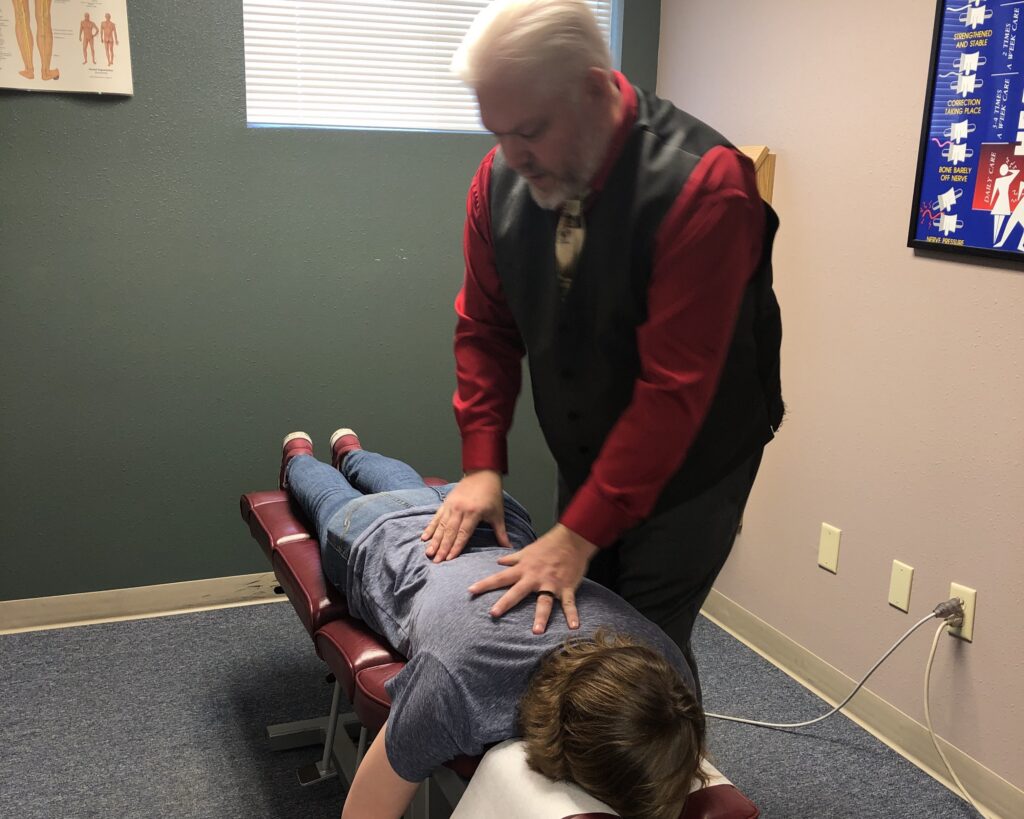
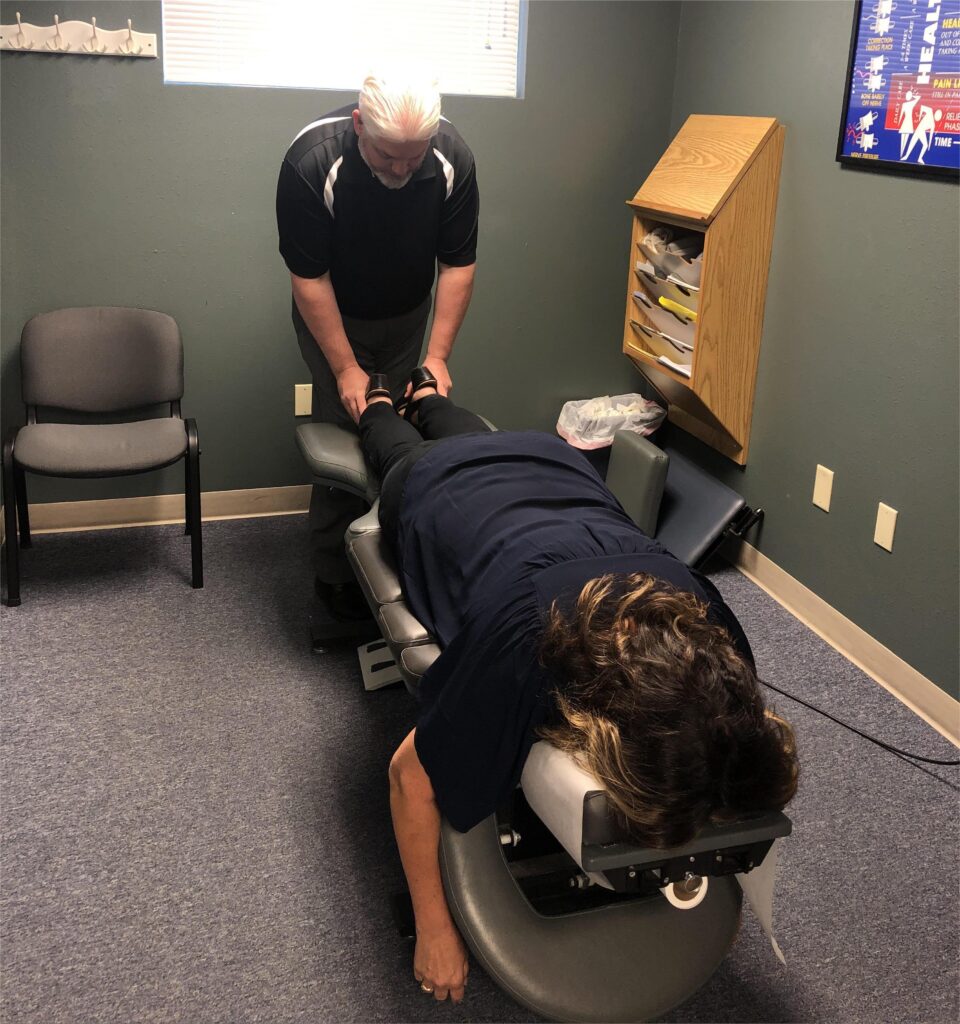
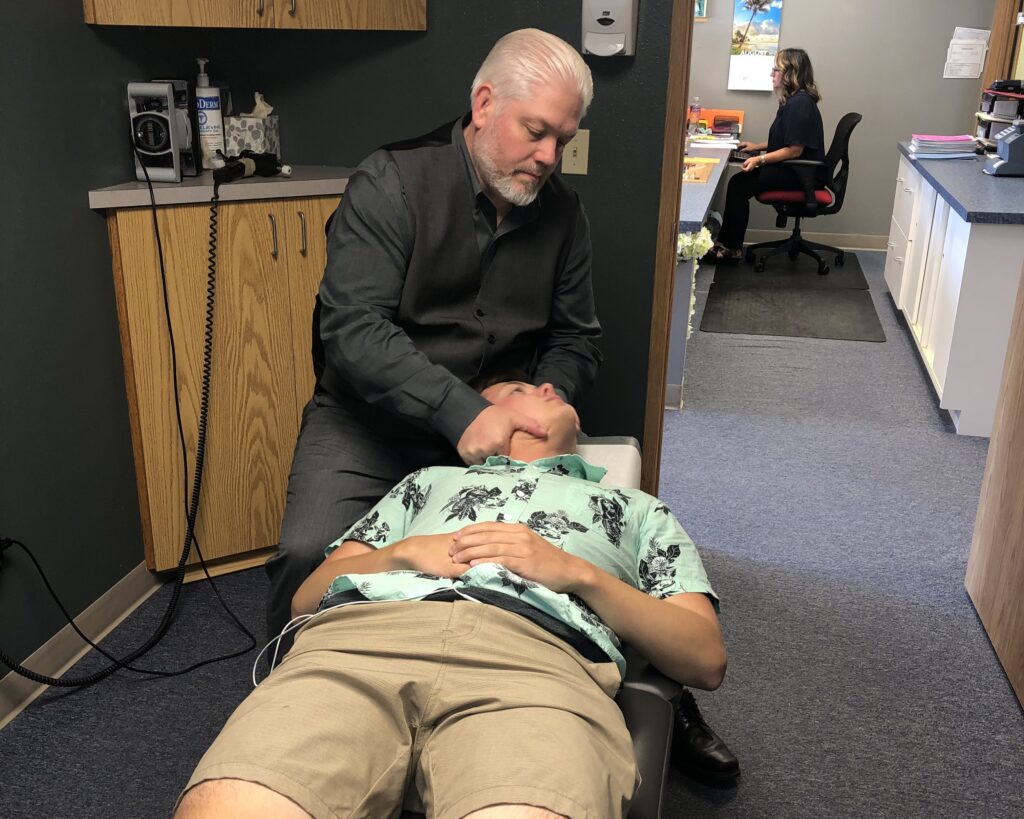
In addition to these lifestyle changes, exploring chiropractic care can play a vital role in your pain management journey. Chiropractic adjustments focus on aligning the spine and improving the nervous system's function, which can alleviate pain and enhance overall health.
Don't overlook the benefits of alternative therapies, such as massage or acupuncture, and consider connecting with supportive communities that understand your struggles. Each person's experience with chronic pain is unique, which means the effectiveness of these strategies can vary.
So, what's the best path for you? I invite you to explore the various options available, including chiropractic care, that could hold the key to more comfortable days ahead. Together, we can develop a personalized plan that addresses your specific needs and helps you reclaim your quality of life.
Understanding Chronic Pain
Chronic pain isn't just a fleeting discomfort; it's a multifaceted condition that can significantly affect your daily life. As a chiropractor, I want to help you understand how chronic pain can impact your physical abilities, emotional health, and social interactions.
Unlike acute pain, which often signals a specific injury or illness and resolves with healing, chronic pain lingers long after the initial cause has subsided. This type of pain can arise from various conditions, such as arthritis, fibromyalgia, or past injuries, creating a cycle of discomfort and frustration that can be challenging to break.
To truly grasp chronic pain, it's essential to recognize its complexity. It's not solely about the physical sensation; it frequently involves emotional and psychological aspects as well. Many individuals living with chronic pain experience anxiety and depression, as the ongoing struggle can lead to feelings of isolation and hopelessness.
You might find that even simple activities, like getting out of bed or taking a short walk, can become daunting tasks.
Additionally, chronic pain can change how your brain interprets sensations. Your nervous system may become hypersensitive, causing even mild stimuli to trigger significant discomfort. This phenomenon, known as central sensitization, adds another layer of complexity to your experience and can make it more difficult to find effective relief.
At our chiropractic practice, we focus on natural healing methods that address not just the symptoms but also the underlying causes of chronic pain. Through a combination of spinal adjustments, physical therapy, and lifestyle recommendations, we aim to restore your body's natural function and help you regain control over your life.
Understanding your pain and exploring holistic approaches to treatment can empower you on your journey to healing.
The Role of Diet
As your local chiropractor, I want to emphasize the important role your diet can play in managing chronic pain. Many patients are often surprised to learn that what they eat can have a significant impact on their overall health and pain levels.
By incorporating anti-inflammatory foods into your meals and considering nutritional supplements, you may experience substantial relief from discomfort.
Let's take a closer look at how these dietary choices can influence your pain management journey. Making simple changes to your diet can complement the chiropractic care you receive and enhance your body's natural healing processes.
Together, we can explore these options to help you feel better and improve your quality of life.
Anti-inflammatory Foods
As a chiropractor dedicated to promoting natural healing and overall wellness, I want to share how your diet can significantly influence your pain levels.
It's essential to understand that what you eat plays a crucial role in managing chronic pain, especially when it comes to incorporating anti-inflammatory foods into your meals.
By choosing to fill your plate with vibrant fruits, vegetables, whole grains, and healthy fats, you can actively help reduce inflammation in your body. Foods such as berries, leafy greens, and fatty fish aren't just delicious; they're rich in antioxidants and omega-3 fatty acids, which are known for their powerful ability to combat inflammation.
I also encourage you to consider the benefits of adding turmeric to your dishes. This golden spice contains curcumin, which has been celebrated for its strong anti-inflammatory properties. Additionally, olive oil, often found in Mediterranean diets, is a fantastic source of healthy fats and antioxidants that can support your body's fight against inflammation.
Conversely, it's important to be mindful of what you should limit in your diet. Processed foods, sugary snacks, and excessive alcohol can contribute to inflammation and may exacerbate your pain. By consciously opting for whole, nutrient-dense foods, you create an environment in your body where inflammation has a harder time thriving.
Every meal is an opportunity to nourish your body and support its natural healing process. By making these dietary adjustments, you may experience significant improvements in your overall well-being and find yourself taking greater control of your chronic pain journey.
Nutritional Supplements Benefits
As a local chiropractor, I often emphasize the importance of a holistic approach to managing pain and enhancing overall health. While many people are familiar with anti-inflammatory foods, I encourage my patients to consider the benefits of incorporating nutritional supplements into their wellness routine.
Research has shown that supplements such as omega-3 fatty acids, curcumin, and vitamin D can play a significant role in reducing inflammation and alleviating pain.
Omega-3 fatty acids, commonly found in fish oil, are known to help lower inflammation levels in the body, which is essential for maintaining healthy joints. Curcumin, the active ingredient in turmeric, boasts powerful anti-inflammatory properties that may help reduce pain directly.
Vitamin D is crucial for bone health, and individuals with low levels may experience increased sensitivity to pain. If you're not receiving adequate vitamin D from sunlight exposure or your diet, a supplement could be beneficial.
Additionally, magnesium is a vital mineral that can aid in muscle relaxation and help alleviate tension, which can be a contributing factor to chronic pain.
Before you start any new supplements, it's always a good idea to have a conversation with a healthcare professional—like your chiropractor. We can help you determine which supplements may be beneficial for your specific situation and ensure they won't interfere with any medications you may be taking.
Exercise and Physical Therapy
As your local chiropractor, I want to emphasize how crucial regular exercise can be in managing chronic pain. Engaging in physical activity not only strengthens your body but also enhances flexibility and alleviates stiffness.
Through chiropractic care, we can work together to create a personalized exercise plan that complements your recovery journey and boosts your overall wellness. By incorporating targeted movements into your routine, you can experience natural healing and regain control over your body's well-being.
Let's explore how we can tailor these exercises to meet your unique needs and improve your quality of life.
Benefits of Regular Exercise
As a local chiropractor, I want to share with you the significant benefits of regular exercise in managing chronic pain, something we often discuss in our practice. Engaging in consistent physical activity can be one of your most effective strategies for alleviating discomfort. When you exercise regularly, your body naturally produces endorphins, which act as internal pain relievers. Over time, you may notice a substantial decrease in your pain levels.
In addition to pain relief, exercise enhances your overall strength and flexibility, making everyday tasks easier and less painful. I often recommend low-impact activities such as walking, swimming, or cycling. These exercises can help you build endurance while minimizing strain on your body. Remember, consistency is crucial; even short periods of physical activity can yield long-term improvements.
Furthermore, regular exercise can elevate your mood and help reduce anxiety and depression, which frequently accompany chronic pain. When your mental health improves, you're more inclined to stick with your exercise routine, creating a positive feedback loop.
Lastly, maintaining a regular exercise regimen can significantly enhance your sleep quality, allowing your body the time it needs to recover and heal. If you haven't yet embraced a lifestyle that includes regular physical activity, I encourage you to start.
You'll likely find that not only does it assist in managing your pain, but it also enriches your overall quality of life. Together with chiropractic care, a commitment to exercise can be a powerful component of your natural healing journey.
Role of Physical Therapy
Chiropractic care plays a vital role in managing chronic pain, often working hand-in-hand with the advantages of regular exercise. When you visit a chiropractor, you're not just addressing your pain; you're learning how to enhance your movement, strength, and overall well-being.
I'll assess your unique needs and create a customized treatment plan that focuses on the areas of pain specific to you. Through targeted adjustments and techniques, we work together to improve flexibility, strength, and endurance, which can significantly reduce discomfort.
I'll also teach you proper body mechanics to minimize strain during your daily activities. In addition to adjustments, I may use various natural healing modalities, such as therapeutic exercises, heat, or electrical stimulation, to support your recovery journey.
Moreover, chiropractic care empowers you with crucial self-management strategies. You'll gain insights into effective pain management techniques and learn how to modify your activities to prevent flare-ups. This proactive approach puts you in control of your health and wellness.
As you progress, I'll continuously adjust your treatment plan to ensure ongoing improvement and respond to any changes in your pain levels. By integrating chiropractic care with regular exercise, you're paving the way for a more active and fulfilling life, free from the constraints of chronic pain.
Mindfulness and Meditation
As a local chiropractor, I want to share how incorporating mindfulness and meditation can significantly improve your ability to manage chronic pain. By focusing your attention and developing a deeper awareness of your body, you can create a mental space that allows you to observe your pain without judgment. This change in perspective can alleviate the emotional weight often tied to chronic discomfort, giving you a greater sense of control and tranquility.
Here are some benefits of integrating mindfulness and meditation into your daily routine that I believe can complement your chiropractic care:
- Increased awareness: You'll learn to recognize and accept your pain without allowing it to take over your thoughts, which can be particularly useful in understanding your body's signals.
- Stress reduction: Mindfulness techniques can help lower your stress levels, which may lead to decreased pain sensations—a crucial aspect of healing.
- Enhanced relaxation: Regular meditation promotes deep relaxation, which can help soothe both your body and mind, aiding in your recovery process.
- Improved focus: By sharpening your concentration, mindfulness allows you to engage more fully in your daily activities, even when discomfort arises.
- Emotional balance: Mindfulness practices encourage a positive mindset, which can be instrumental in managing anxiety and depression that often accompany chronic pain.
To begin this journey, I encourage you to set aside just a few minutes each day for practice. Find a quiet space, close your eyes, and focus on your breath. Allow any thoughts that arise to come and go without judgment.
As you cultivate this practice, you may discover that mindfulness and meditation become valuable tools in your pain management strategy. Remember, it's all about progress, not perfection—be kind and patient with yourself as you develop this new habit alongside your chiropractic care.
Alternative Therapies
As a local chiropractor, I want to share how alternative therapies can significantly support your chronic pain management journey. These therapies focus on a holistic approach, addressing not just your physical discomfort but also your emotional well-being.
One of the most effective treatments we offer is chiropractic care. This method involves adjusting your spine and joints to relieve tension and improve mobility. Many of our patients experience reduced pain levels and enhanced quality of life after incorporating regular chiropractic sessions into their routine.
Another alternative therapy that complements chiropractic care is acupuncture. This ancient Chinese technique involves inserting thin needles into specific points on your body to promote energy flow and alleviate pain. Many individuals report remarkable relief after just a few sessions, making it a valuable option to explore alongside chiropractic adjustments.
Massage therapy is another excellent choice for managing chronic pain. Not only does it help relax tight muscles, but it also enhances circulation and reduces stress.
Whether you prefer deep tissue or a gentle Swedish massage, incorporating regular sessions can be beneficial for pain management.
I also encourage considering herbal remedies and supplements as part of your wellness plan. Natural substances like turmeric, ginger, and omega-3 fatty acids possess anti-inflammatory properties that may help alleviate pain.
However, it's essential to consult with me or your healthcare provider before starting any new supplements to ensure they're safe and suitable for your needs.
Lastly, don't underestimate the benefits of practices like yoga and tai chi. These gentle exercises combine movement, stretching, and breathing techniques, promoting relaxation and flexibility while helping to ease pain.
By integrating these alternative therapies into your routine, you can take a more comprehensive approach to managing your chronic pain and improving your overall well-being.
As your chiropractor, I'm here to guide you on this journey toward better health.
Innovative Pain Management Techniques
As a local chiropractor, I want to share some innovative pain management techniques that can revolutionize your approach to chronic pain relief. If you find yourself struggling with persistent discomfort, it's time to explore these natural methods that go beyond conventional treatments.
These approaches not only aim to alleviate pain but also empower you to take charge of your healing journey.
Here are some exciting techniques that I encourage you to consider:
- Neurostimulation: We often utilize devices like spinal cord stimulators to disrupt pain signals, providing relief without the heavy reliance on medications, which can sometimes come with unwanted side effects.
- Virtual Reality Therapy: This immersive technology can help distract you from pain and create a calming environment, making your experience less daunting and more manageable.
- Biofeedback: Through biofeedback, you can learn to control physiological functions, such as your heart rate and muscle tension, equipping you with tools to manage pain more effectively.
- Regenerative Medicine: Techniques like platelet-rich plasma (PRP) therapy tap into your body's natural healing abilities to repair damaged tissues and alleviate pain, promoting recovery from within.
- Mindfulness and Meditation: Incorporating mindfulness practices into your daily routine can help you cultivate a healthier relationship with pain, reducing stress and improving your overall well-being.
Each of these techniques offers unique benefits, and the great news is that they can often be combined with chiropractic care and other holistic approaches for a comprehensive pain management strategy.
By embracing these innovative options, you can discover the relief you've been seeking and begin the journey to reclaim your life from chronic pain.
As your chiropractor, I'm here to guide you through these methods and support your path to natural healing.
The Power of Support Groups
As a local chiropractor, I want to share with you the incredible benefits of support groups, particularly for those managing chronic pain. These groups can truly be a game changer in your healing journey. They offer a welcoming environment where you can openly discuss your experiences, emotions, and challenges with individuals who genuinely understand the struggles associated with chronic pain.
Connecting with others who share similar experiences can significantly alleviate feelings of isolation and loneliness, which often accompany chronic pain. In a support group, you're not merely listening to others; you're actively participating, sharing your story, and learning from the insights of fellow members. This exchange can lead to valuable coping strategies, practical advice, and a sense of community that's crucial for your well-being.
You might even discover new techniques for managing your pain that complement the chiropractic care I provide, as well as learn about resources that could enhance your overall healing process. Additionally, hearing about different treatment approaches can open your mind to options you may not have considered.
The emotional support you receive in these groups is invaluable. Knowing that you're not alone in your journey can greatly lift your spirits and help you maintain a positive outlook. The validation you gain from others fosters acceptance, making it easier to navigate the daily challenges of chronic pain.
Support groups are available in various formats—some meet in person, while others connect online. No matter which you prefer, the shared understanding and camaraderie can significantly enhance your emotional well-being.
I encourage you to seek out a support group that resonates with you. Engaging with others who share your experience can empower you, offering not just relief from pain, but also hope for a brighter future. Remember, your journey towards healing is best taken with the support of those who truly understand.
Importance of Sleep
As a local chiropractor, I want to emphasize the crucial role that sleep plays in managing chronic pain, a point that's often overlooked. When you're struggling with persistent pain, it can be challenging to attain a restful night's sleep, but prioritizing sleep is vital for your overall health and well-being.
Quality sleep is essential for your body's healing processes, helps reduce inflammation, and can even enhance your pain tolerance. By focusing on improving your sleep, you can significantly influence your pain levels and emotional resilience.
Here are several important reasons why sleep is essential for managing chronic pain:
- Pain Sensitivity: Insufficient sleep can increase your sensitivity to pain, making discomfort feel more pronounced. When you're well-rested, your body is better equipped to handle pain.
- Emotional Balance: A good night's sleep is key to stabilizing your mood. Better sleep can help mitigate feelings of anxiety and depression, which often accompany chronic pain.
- Mental Clarity: Sleep is vital for cognitive function. It enables you to think clearly and make informed decisions, an important aspect of effectively managing your pain.
- Immune Function: Getting enough sleep strengthens your immune system, which is crucial for fighting inflammation and illness that may exacerbate your pain.
- Energy Levels: Quality sleep replenishes your energy, making it easier to partake in daily activities and exercise. Staying active is important as it can help alleviate pain.
To enhance your sleep quality, I recommend establishing a consistent sleep schedule, creating a comfortable and calming sleep environment, and incorporating relaxation techniques before bedtime.
By recognizing the significance of sleep and making it a priority, you're taking a meaningful step toward effectively managing your chronic pain.
Seeking Professional Guidance
Navigating the challenges of chronic pain can be daunting, but I want to assure you that you're not alone on this journey. As a local chiropractor, I believe in the power of natural healing and the importance of professional guidance. Chiropractic care is an integral part of a holistic approach to managing pain, and I'm here to help you find tailored solutions that suit your specific needs.
If you're experiencing chronic pain, I encourage you to schedule an appointment to discuss your symptoms in detail. It's important to share everything—how long you've been dealing with the pain, its intensity, and any lifestyle factors that may be contributing to your discomfort. This comprehensive understanding will allow me to create a personalized treatment plan just for you.
During our consultation, I'll explain how chiropractic adjustments can help realign your spine and improve your body's function, potentially alleviating pain and discomfort. I may also suggest complementary therapies such as physical therapy or lifestyle changes that promote overall wellness.
Don't hesitate to ask questions—understanding your condition is key to effective management. I'm here to address any concerns you have about the treatments we discuss, including the benefits and any potential side effects. Your comfort and safety are my top priorities.
Moreover, I recommend considering a multidisciplinary approach. Sometimes, integrating chiropractic care with other treatments, such as working with a psychologist who specializes in pain management, can be highly beneficial. Together, we can develop coping strategies and address the emotional aspects of living with chronic pain.
Conclusion
As a local chiropractor, I want to share with you some effective strategies for managing chronic pain that go beyond traditional methods. It's essential to adopt a holistic approach to your health and well-being. This includes making dietary adjustments, engaging in regular physical activity, and incorporating mindfulness practices into your daily routine.
Chiropractic care can play a significant role in this journey. By focusing on spinal alignment and overall body function, we can help alleviate your pain and improve your mobility. Additionally, exploring alternative therapies such as acupuncture or massage can complement your treatment plan.
Don't overlook the importance of sleep and the support of community groups, as both can significantly impact your recovery process. I encourage you to seek professional guidance tailored specifically to your needs. Together, we can create a personalized plan that empowers you to take control of your pain and enhance your quality of life. Embrace these strategies, and you'll be on your way to feeling better and living a more fulfilling life.