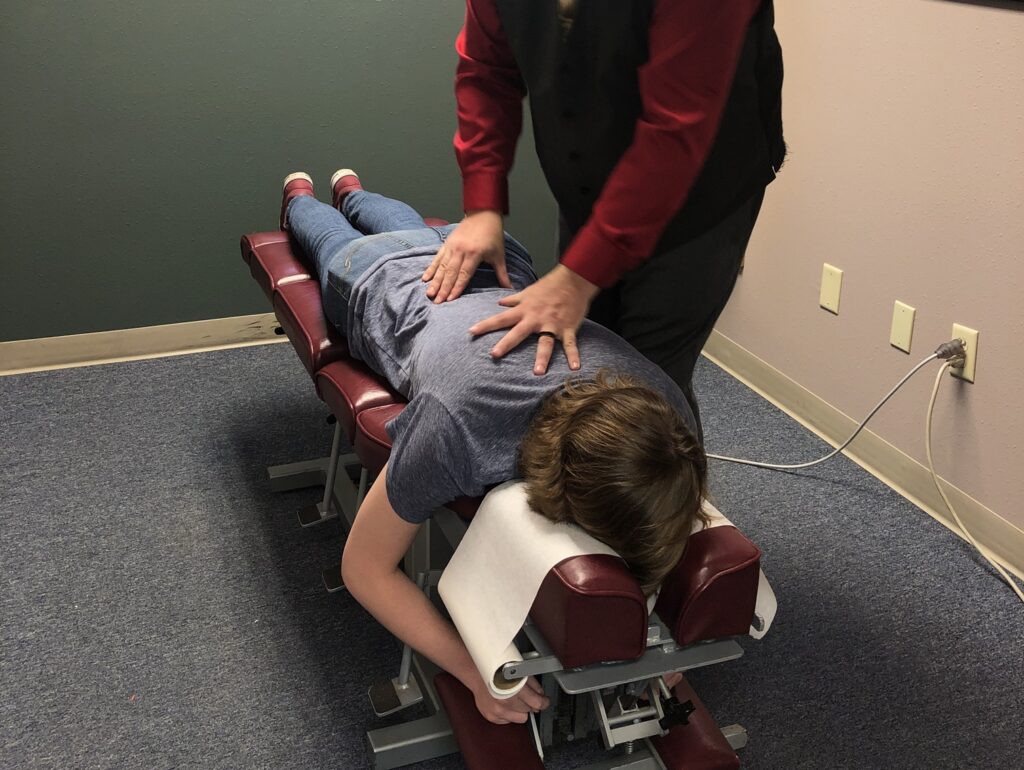

As a local chiropractor, I want to share with you some insights on natural solutions for back pain that can truly make a difference in your life. If you’re experiencing discomfort, exploring holistic approaches may be your best path toward relief. Many of my patients have found that simple lifestyle changes and mindful practices can significantly alleviate their pain.
Gentle exercises tailored to your needs can help strengthen your back and improve flexibility. Additionally, mindful dietary adjustments can contribute to overall wellness and support your body in healing. It’s not just about treating the symptoms; it’s about fostering long-term health.
You might be wondering what specific methods can effectively address your back pain. Let’s delve into some effective approaches, including chiropractic adjustments, which realign your spine and alleviate pressure on nerves. We can also discuss the importance of proper posture, stress management techniques, and ergonomic adjustments in your daily life.
By incorporating these strategies, you can not only ease your pain but also enhance your overall well-being. Together, we can explore these natural solutions and find the best approach tailored for you. Your journey to a healthier back starts here!
Understanding the Causes of Back Pain
As a local chiropractor, I want to help you understand the various causes of back pain, so you can take control of your health. Back pain can arise from many different factors, and recognizing these can guide you toward effective natural healing solutions.
Common culprits include muscle strain from lifting heavy objects or twisting awkwardly, which can lead to injuries in your muscles or ligaments. If you find yourself sitting for extended periods, poor posture can further exacerbate discomfort by placing additional stress on your spine.
It’s also important to consider underlying medical conditions such as herniated discs, arthritis, or sciatica, which can contribute to your pain. As we age, our bones and muscles tend to weaken, making us more susceptible to discomfort. Additionally, emotional stress can create tension in your back, amplifying any physical pain you may feel.
Identifying the root cause of your back pain is essential for effective management. By understanding whether your pain is due to lifestyle choices, structural issues, or medical conditions, you can make informed decisions about your treatment options.
Chiropractic care offers natural methods to address these issues, promoting healing and relief without the need for invasive procedures or medications. Together, we can work towards a healthier, pain-free back!
The Role of Exercise in Back Pain Relief
As a local chiropractor, I want to share with you the importance of incorporating exercise into your routine, especially if you’re experiencing back pain.
While it may be tempting to rest and avoid movement, gentle exercises can actually play a crucial role in relieving discomfort and promoting healing.
Activities like walking, swimming, or yoga are fantastic for maintaining mobility while also strengthening the muscles that support your back. Engaging in regular exercise increases blood flow to those muscles, which helps reduce stiffness and encourages healing.
Additionally, targeted exercises focusing on core strengthening and stretching can significantly improve your posture and provide better support for your spine. This can help alleviate pressure on your back, leading to a reduction in pain.
It’s vital to start slowly and pay attention to how your body responds, gradually increasing the intensity as you feel more comfortable.
I encourage you to consult with a healthcare professional or a physical therapist who can create a personalized exercise plan that suits your specific needs.
Remember, staying active not only aids in relieving back pain but also enhances your overall well-being.
Mindfulness and Meditation Techniques
As a local chiropractor, I want to share with you how mindfulness and meditation can serve as effective complements to our chiropractic care in managing back pain.
Many patients may not realize that these practices can significantly aid in reducing stress and promoting overall wellness.
By incorporating simple mindfulness techniques and breath awareness into your daily routine, you can enhance the benefits of your chiropractic treatments and alleviate discomfort.
Let’s delve into how these approaches can support your journey toward better back health and overall well-being.
Benefits of Mindfulness
As a local chiropractor, I want to share how practicing mindfulness can play a crucial role in alleviating back pain and enhancing your overall well-being.
Mindfulness fosters a deeper connection between your mind and body, allowing you to tune into your body’s sensations more effectively. This heightened awareness enables you to identify areas of tension and discomfort, which is essential for addressing pain at its source.
When you cultivate mindfulness, you can respond to pain more effectively, often reducing its intensity. This practice encourages relaxation, which can ease muscle tightness and promote better posture—both of which are vital for maintaining a healthy back.
Furthermore, mindfulness helps you manage stress, a common contributor to chronic pain. By focusing on the present moment, you can cultivate a sense of calm that helps shift your attention away from discomfort.
Incorporating mindfulness into your daily routine not only enhances your physical health but also enriches your overall quality of life.
As your chiropractor, I encourage you to embrace mindfulness as a valuable tool in your journey toward back pain relief and overall wellness. Together, we can work toward a healthier, more balanced lifestyle.
Simple Meditation Practices
As your local chiropractor, I want to share how incorporating simple meditation practices into your daily routine can significantly aid in managing back pain and enhancing your overall well-being.
First, it’s essential to find a quiet and comfortable space where you won’t be interrupted. Begin by sitting comfortably and closing your eyes. Focus on your breath—take deep inhales and gentle exhales. If your thoughts begin to wander, that’s perfectly normal; just gently bring your focus back to your breath.
One effective technique is loving-kindness meditation, where you take a moment to silently wish yourself and those around you well. This practice not only cultivates a sense of calm but also promotes a positive mindset, which is crucial for healing.
Another valuable method is the body scan meditation. In this practice, you’ll systematically bring your awareness to each part of your body, paying attention to any sensations without judgment. This heightened awareness helps you connect with your body, which can be especially beneficial when dealing with discomfort.
These meditation techniques not only help reduce stress but also support your body’s natural healing processes. By incorporating them into your routine, you’re taking a proactive step towards alleviating back pain and fostering a healthier, more balanced lifestyle.
Incorporating Breath Awareness
As a local chiropractor, I often emphasize the importance of incorporating breath awareness into your daily routine, especially when managing back pain. Understanding how to focus on your breath can have a profound impact on your overall well-being.
By centering your attention on your breathing, you can ground yourself, reduce stress, and foster a greater sense of mindfulness, all of which can contribute to alleviating tension in your back.
Here are a few simple methods to integrate breath awareness into your life:
- Practice deep breathing: Start by inhaling deeply through your nose, allowing your belly to expand fully. Then, exhale slowly through your mouth. This technique not only calms your mind but also helps relax your back muscles.
- Set aside time for mindfulness: Try to dedicate a few minutes each day to focus solely on your breath. As you do this, pay attention to any sensations in your body, particularly in your back. This awareness can help you identify areas of tension and promote healing.
- Combine breath with movement: When engaging in gentle stretches or yoga, be mindful of your breath. Coordinating your breathing with movement enhances relaxation and flexibility, which can be especially beneficial for your back.
Dietary Changes to Support Back Health
As a local chiropractor dedicated to your overall well-being, I want to share how dietary changes can significantly support your back health.
It’s crucial to understand that the food you consume plays a vital role in strengthening your muscles and reducing inflammation, both of which are essential for a healthy spine.
Start by incorporating lean proteins into your meals, such as chicken, fish, and legumes. These foods are instrumental in building muscle strength, which is essential for providing support to your back.
Additionally, make sure to fill your plate with a variety of fruits and vegetables. These foods are packed with vitamins and antioxidants that help combat inflammation—leafy greens, berries, and citrus fruits are particularly beneficial for maintaining a healthy body.
Don’t overlook the importance of healthy fats in your diet. Sources like avocados, nuts, and olive oil can help reduce inflammation and support your overall health.
Staying hydrated is also key; drinking enough water throughout the day is essential for maintaining the health of your intervertebral discs, which act as cushions between the vertebrae in your spine.
Lastly, I encourage you to minimize your intake of processed foods, sugars, and excessive salt. These items can contribute to inflammation and lead to weight gain, which places additional strain on your back.
By making these dietary adjustments, you’ll not only support your back health but also enhance your overall well-being.
Herbal Remedies for Pain Management
As a local chiropractor, I often see patients seeking relief from back pain, and I want to share some natural approaches that can complement your care. Herbal remedies can be an effective way to manage pain, and I believe it’s important for you to understand how they work and how to use them safely.
In our practice, we focus on holistic healing, and incorporating herbal pain relievers can enhance your overall well-being. I’ll guide you through some effective options and show you how to prepare them safely at home.
Additionally, we’ll discuss crucial safety and dosage guidelines to ensure you gain the maximum benefit without any risks.
Effective Herbal Pain Relievers
As a local chiropractor, I want to share some insights into how natural remedies, particularly herbs, can play a valuable role in managing pain, especially back pain.
Many of my patients have found success with these natural alternatives alongside their chiropractic treatments. Here are a few herbal options that you might find helpful:
- Turmeric: This powerful herb is well-known for its anti-inflammatory properties, which can significantly help in reducing pain and swelling in your back.
- Ginger: Not only does ginger add flavor to your meals, but it can also be beneficial for relieving muscle and joint pain. It promotes better circulation, which is essential for healing.
- Willow Bark: Often referred to as “nature’s aspirin,” willow bark has analgesic properties that can be effective in easing back pain.
Incorporating these herbs into your routine can complement the adjustments and therapies we provide in chiropractic care, offering a holistic approach to your pain management.
If you’re interested in exploring these options, I’d be happy to discuss how they can fit into your overall wellness plan.
Preparation Methods Explained
As a local chiropractor, I want to help you understand the importance of preparation methods when it comes to using herbal remedies for pain management.
One of the simplest ways to harness the benefits of herbs is by making herbal teas. This involves steeping dried herbs in hot water for about 10-15 minutes. This process allows the active compounds to be released, making them more accessible for your body to absorb.
For those interested in topical applications, infusing herbs such as arnica or comfrey in a carrier oil is a great option. By letting these herbs sit in the oil for several weeks, you can effectively extract their healing properties, which can then be applied directly to areas of discomfort.
Another effective method is creating tinctures, which involves soaking herbs in alcohol or vinegar. This method allows the beneficial compounds to be extracted over time, creating a potent remedy that can be used in small doses.
Lastly, if you’re looking for convenience, capsules or powders made from dried herbs can be a good choice. However, it’s important to ensure that you source these products from reputable suppliers to guarantee their quality and effectiveness.
Understanding these preparation methods can empower you to make informed decisions about incorporating herbal remedies into your pain management routine, complementing the chiropractic care you receive.
Safety and Dosage Guidelines
As your local chiropractor, I want to share how herbal remedies can play a significant role in pain management, especially when combined with chiropractic care.
However, it’s crucial to understand safety and dosage guidelines to ensure your journey toward wellness is a positive one. Always consult with a healthcare professional before starting any herbal treatments, particularly if you have existing health conditions or are taking other medications.
Here are some important points to keep in mind:
- Start with low doses: It’s wise to begin with the lowest recommended dosage of any herbal remedy. This allows you to observe how your body responds without overwhelming it.
- Be mindful of interactions: Some herbs can negatively interact with prescription medications. Always check with your healthcare provider to ensure the herbal remedies you choose are compatible with any treatments you’re currently undergoing.
- Observe your body’s responses: After taking an herbal remedy, pay attention to how you feel. Keeping a record of your experiences can help you make informed adjustments, and I encourage you to reach out for guidance if you have any concerns.
The Benefits of Massage Therapy
As a local chiropractor, I want to introduce you to the benefits of massage therapy as a natural approach to managing back pain. While many individuals often turn to medication or surgical options for relief, massage therapy can provide a holistic alternative that significantly enhances your comfort and overall well-being.
Massage therapy is a hands-on technique that effectively addresses muscle tension and encourages relaxation, leading to a reduction in pain and stiffness in your back. During a massage, your body experiences improved circulation, which means that oxygen and essential nutrients are delivered to your muscles while harmful toxins are eliminated. This process not only aids in immediate pain relief but also supports long-term healing.
Moreover, one of the key benefits of massage therapy is its ability to lower stress levels. Since stress can often intensify pain, reducing it creates a positive cycle of healing and relaxation. Many of my patients find that regular massage sessions help them maintain flexibility and prevent future discomfort.
In addition to pain relief, massage therapy promotes deeper, more restorative sleep, allowing your body to recover more effectively. By integrating massage therapy into your wellness routine, you’re taking a proactive approach towards managing your back pain naturally, which can significantly enhance your overall quality of life.
As your chiropractor, I encourage you to explore this valuable resource for your health and well-being.
Yoga and Stretching for Flexibility
As a local chiropractor, I want to share with you the benefits of incorporating yoga and stretching into your routine, especially if you’re experiencing back pain.
These natural methods can work alongside chiropractic care to enhance your overall healing and well-being.
Here are some ways that yoga and stretching can help relieve back pain:
- Increased Flexibility: Engaging in regular stretching routines can help loosen tight muscles, allowing for greater flexibility and a better range of motion in your back.
- Strengthened Core Muscles: Many yoga poses specifically target and strengthen your core muscles. A strong core provides essential support for your spine, helping to reduce strain on your back and prevent pain.
- Stress Reduction: Both yoga and stretching promote relaxation and mindfulness. This can be particularly beneficial as stress often contributes to muscle tension and discomfort in the back.
Incorporating these practices into your daily life can significantly enhance the benefits of chiropractic adjustments and support your journey to a healthier, pain-free back.
Essential Oils and Their Healing Properties
As a local chiropractor, I want to share with you the remarkable benefits of essential oils, particularly when it comes to alleviating back pain. Many people aren’t aware of how these concentrated plant extracts can play a role in your overall healing journey.
For example, lavender oil is well-regarded for its calming effects, which can help to reduce tension and promote relaxation in your back muscles.
Another oil you might find beneficial is peppermint oil. Its natural cooling sensation can ease discomfort while also improving circulation in the affected areas. Additionally, eucalyptus oil is known for its anti-inflammatory properties, which can be particularly helpful if you’re experiencing inflammation.
To incorporate these oils into your routine, it’s important to dilute them with a carrier oil, such as coconut or jojoba oil, before massaging the mixture into your sore spots. You can also enhance your relaxation by adding a few drops to a warm bath, creating a soothing soak for your entire body.
I encourage you to experiment with different essential oils to see which ones work best for you. Integrating these natural solutions into your self-care routine can complement the chiropractic care I provide, helping you manage back pain more effectively and holistically.
Conclusion
As your local chiropractor, I want to share how incorporating natural solutions into your daily routine can significantly help manage back pain. Understanding the root causes of your discomfort is essential; it allows us to address the underlying issues rather than just masking the symptoms. Embracing regular exercise tailored to your needs can strengthen your back and improve flexibility, while mindfulness practices can help reduce stress, which often exacerbates pain.
In addition to these practices, dietary changes play a crucial role in recovery. A balanced diet rich in anti-inflammatory foods can support your healing process. Herbal remedies can also be beneficial, offering natural options for pain relief.
Don’t underestimate the power of massage therapy; it can greatly relieve tension in your muscles and improve circulation. Essential oils, known for their soothing properties, can be a wonderful complement to your chiropractic care.
Above all, remember that consistency is vital. By adopting a holistic approach that includes chiropractic adjustments, lifestyle changes, and natural remedies, you can take control of your back health. Together, we can work towards helping you lead a more active and pain-free life.