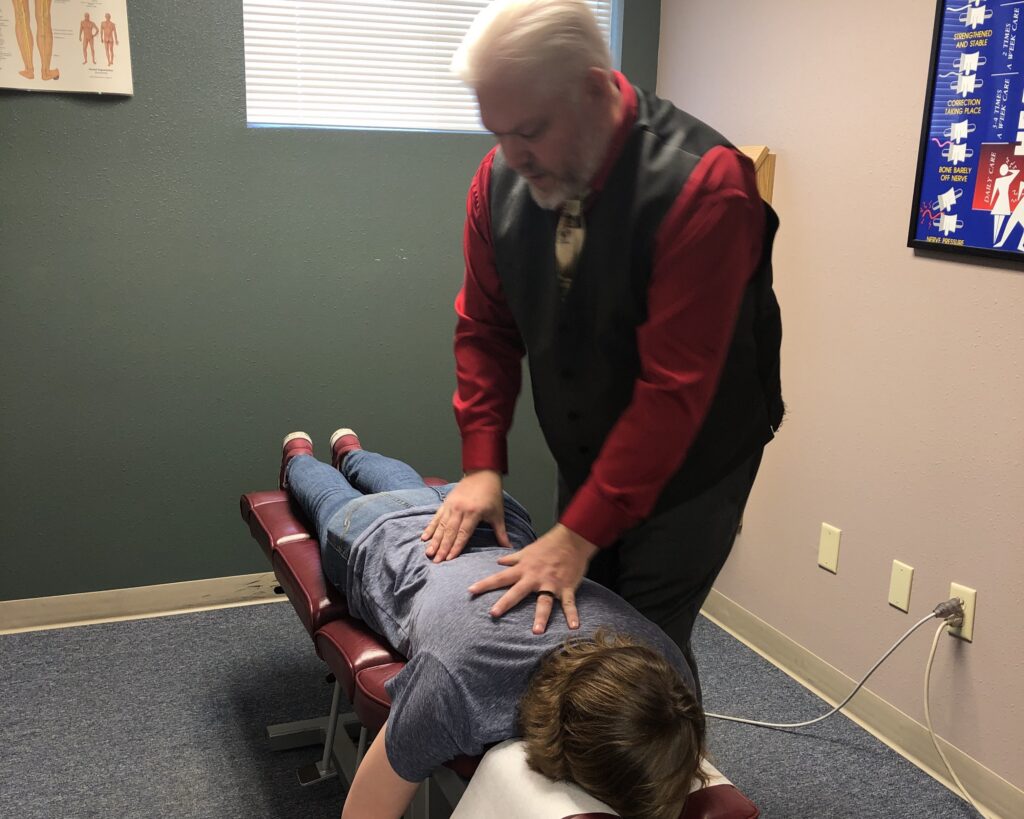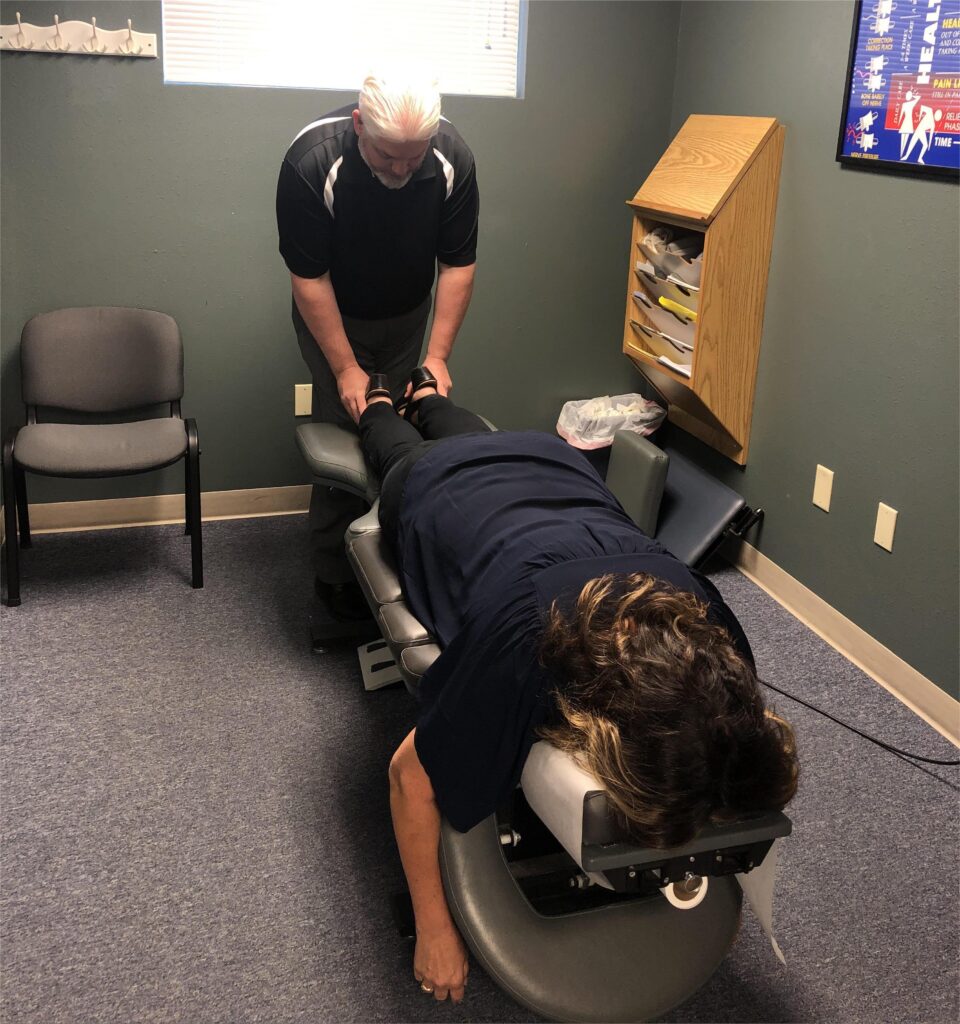

Tension headaches can really disrupt your day, making it essential to find effective relief. As a chiropractor, I want to emphasize the importance of understanding how your posture and daily habits contribute to these headaches. By making simple adjustments in your life, you can significantly reduce the frequency and intensity of these headaches.
One of the most effective ways to alleviate tension headaches is through gentle spinal realignment. When your spine is properly aligned, it helps reduce tension in your neck and shoulders, which are often culprits behind these headaches. Regular chiropractic adjustments can help keep your spine in optimal condition, promoting better overall health and preventing headaches from recurring.
In addition to spinal care, incorporating targeted stretching into your daily routine can make a big difference. Simple stretches for your neck and shoulders can help release built-up tension. For example, gently tilting your head from side to side and rolling your shoulders can be very beneficial.
Don’t forget about the importance of hydration and stress management. Staying hydrated is key to ensuring your body functions properly, which can help reduce headache triggers. Additionally, practicing stress management techniques such as deep breathing, meditation, or yoga can help you unwind and minimize the tension that leads to headaches.
So, what’s the best approach to tackle these headaches? Focus on maintaining good posture, consider incorporating regular chiropractic care into your routine, and make time for relaxation and self-care. By taking these steps, you can find a natural path to relief and enjoy a healthier, pain-free life. Remember, chiropractic care is a powerful tool in achieving optimal health and wellness, helping you live life to the fullest!
Key Takeaways
Ease Tension Headaches with Effective Chiropractic Adjustments
- Regular chiropractic adjustments are a powerful way to enhance spinal alignment and ease muscle tension, which can significantly reduce the occurrence of tension headaches. By focusing on the spine, we can help your body heal naturally, relieving pain without the need for medications or invasive procedures.
- Maintaining good posture during everyday activities is essential. It reduces strain on your neck and shoulders, which are common culprits of headache triggers. Simple adjustments to how you sit or stand can make a huge difference in preventing discomfort.
- Incorporating core-strengthening exercises into your routine is another excellent way to support your spine and improve your overall posture. A strong core helps stabilize your body, which can lead to fewer headaches and a better quality of life.
- Creating an ergonomic workspace is key to preventing neck strain and headaches. Ensure your chair is at the right height and that your screen is positioned at eye level. These small changes can relieve tension and make a significant impact on your well-being.
- Remember to take routine breaks to stretch and move throughout your day. This simple practice can help release built-up tension and prevent headaches from occurring. Even short breaks can make a world of difference!
By embracing chiropractic care and these practical tips, you can take proactive steps towards alleviating tension headaches and promoting a healthier, pain-free lifestyle. Your journey to wellness starts with a well-aligned spine!
Understanding Tension Headaches
Tension headaches can often catch you off guard, appearing when you least expect them. They’re commonly triggered by stress, poor posture, or fatigue. Many people describe the sensation as feeling like a tight band around their head, creating discomfort that makes it hard to concentrate. While tension headaches don’t typically come with nausea or sensitivity to light, they can still be quite bothersome.
You might experience these headaches after a long day at work or during particularly stressful moments. Their intensity can vary, lasting anywhere from 30 minutes to several days.
It’s important to understand that they can arise from muscle tension in the neck and scalp, which is often worsened by anxiety or extended periods of screen time.
This is where chiropractic care shines! A chiropractor can help address the underlying muscle tension and spinal alignment issues that contribute to tension headaches. Regular chiropractic adjustments can improve your posture, alleviate muscle strain, and promote relaxation, leading to a reduction in headache frequency and intensity.
In addition to seeking chiropractic care, there are several proactive steps you can take to help alleviate discomfort. Here are some simple tips:
- Maintain Good Posture: Be mindful of how you sit and stand throughout the day. Proper alignment can significantly reduce strain on your neck and shoulders.
- Take Breaks: If you spend long hours in front of a screen, make it a point to take short breaks every 30 minutes. Stand up, stretch, and move around to relieve tension.
- Manage Stress: Incorporate stress-relieving activities into your routine, such as deep breathing, yoga, or meditation. These practices can help calm your mind and relax your muscles.
- Stay Hydrated: Dehydration can contribute to headaches. Make sure you’re drinking plenty of water throughout the day.
Identifying Triggers and Symptoms
To effectively manage your tension headaches, it’s important to identify what triggers them and recognize the symptoms early on. Common culprits include stress, poor posture, and lack of sleep—all of which can be addressed through chiropractic care. By evaluating how your daily habits impact your well-being, you can find relief and promote a healthier lifestyle.
Chiropractic care focuses on optimizing your spinal health, which can play a crucial role in alleviating tension headaches. Regular adjustments can help improve your posture, reduce stress, and enhance your overall well-being. Here are some simple tips to incorporate into your routine:
- Maintain Good Posture: Be mindful of your posture, especially when sitting at a desk or using your phone. Keeping your spine aligned can prevent tension from building up.
- Stay Hydrated: Drink plenty of water throughout the day to keep your body hydrated, which can help reduce headache occurrences.
- Practice Relaxation Techniques: Incorporate stress-relieving activities like yoga, meditation, or deep breathing exercises into your daily routine.
- Get Enough Sleep: Aim for 7-9 hours of quality sleep each night to help your body recover and reduce headache triggers.
- Regular Chiropractic Visits: Schedule regular appointments with your chiropractor to keep your spine aligned and your nervous system functioning optimally.
Common Trigger Factors
While you may not always be aware of it, various factors can trigger tension headaches, making it essential to identify these culprits for a healthier, more comfortable life. One of the most common offenders is stress, which can tighten the muscles in your neck and shoulders, leading to discomfort. Chiropractic care can help alleviate this tension by addressing spinal misalignments and promoting relaxation.
Poor posture, especially from sitting for long periods, can also contribute to headaches. Regular chiropractic adjustments can improve your posture and help prevent discomfort.
Additionally, inadequate sleep can increase your susceptibility to headaches. Establishing a healthy sleep routine is crucial for overall wellness, and chiropractic care can support better sleep by reducing pain and tension in the body.
Dehydration is another common trigger, so make sure you’re drinking enough water throughout the day. Staying hydrated supports spinal health and overall well-being.
Eye strain from excessive screen time or poor lighting can exacerbate tension headaches too. Take regular breaks from screens and consider using proper lighting to reduce strain.
Lastly, irregular eating habits or skipping meals may lead to headaches as well. Maintaining a balanced diet can keep your energy levels stable and minimize the risk of headaches.
Recognizing Symptoms Early
Recognizing symptoms early can significantly enhance your ability to manage tension headaches and maintain optimal health. As a chiropractor, I want to emphasize the importance of being aware of signs such as tightness in your neck, shoulders, or scalp. You may also experience a dull, aching sensation that gradually intensifies. Stress, poor posture, and prolonged screen time can all trigger these headaches, and by catching these symptoms early, you can take proactive steps to alleviate discomfort before it worsens.
Be mindful of habits like clenching your jaw or grinding your teeth, as these can exacerbate your headaches. One effective strategy is to keep a headache diary, which allows you to track patterns and identify triggers. This insight can empower you to address issues before they escalate.
Incorporating chiropractic care into your wellness routine can be a powerful way to alleviate tension and promote overall health. Regular adjustments can help improve spinal alignment, reduce muscle tension, and enhance your body’s natural healing abilities.
Additionally, practicing good posture, taking frequent breaks from screens, and incorporating stress-relief techniques like deep breathing or gentle stretches can further support your well-being.
Lifestyle Impact Assessment
Understanding how your lifestyle affects tension headaches is crucial for effective management and overall well-being. As a chiropractor, I want to emphasize the importance of identifying personal triggers, which may include stress, lack of sleep, poor posture, or dehydration. Keeping a headache diary can be a valuable tool to help you recognize when your headaches occur and what might be causing them.
Take a close look at your daily habits. Are you spending long hours at your desk without taking breaks? Are you skipping meals? These habits can contribute significantly to the tension in your body and may lead to headaches. The first step toward relief is recognizing these behaviors and making positive changes.
It’s also important to consider your stress levels and how you manage them. Incorporating relaxation techniques, such as yoga or meditation, into your routine can greatly reduce tension.
But remember, chiropractic care is a natural and effective way to address the root causes of tension headaches. Regular chiropractic adjustments can help alleviate tension in your spine and muscles, promoting better posture and overall health.
Importance of Proper Posture
Good posture is essential not only for your overall health but also for preventing tension headaches. When you maintain proper alignment while sitting or standing, you can significantly reduce strain on your neck and shoulders, which often leads to headache pain. As a local chiropractor, I want to emphasize the importance of spinal health and how it relates to your well-being.
By prioritizing good posture, you can experience numerous benefits. For instance, proper alignment promotes better circulation, reduces muscle tension, and enhances your body’s ability to heal naturally.
Chiropractic care focuses on optimizing your spine and nervous system, allowing your body to function at its best. This holistic approach is key to achieving lasting relief from headaches and other discomforts.
Here are some practical tips to improve your posture and support your spinal health:
- Mind Your Alignment: When sitting, keep your back straight, shoulders relaxed, and feet flat on the ground. Your ears should align with your shoulders, creating a straight line from your head to your spine.
- Take Breaks: If you work at a desk, remember to take regular breaks. Stand up, stretch, and move around to prevent stiffness and tension in your neck and shoulders.
- Strengthen Core Muscles: Engaging in exercises that strengthen your core can help support your spine and improve your posture. Simple activities like planks, bridges, and yoga can make a significant difference.
- Use Ergonomic Furniture: Invest in a good chair that supports your lower back and encourages proper posture. An ergonomic desk setup can also help you maintain alignment while working.
- Stay Aware: Practice mindfulness about your posture throughout the day. Set reminders on your phone or sticky notes on your computer to check in on your body alignment.
Remember, chiropractic care is an excellent resource for addressing posture-related issues. Regular adjustments can align your spine, alleviate tension, and promote better overall health.
Benefits of Good Posture
When you maintain proper posture, you not only improve your physical appearance but also support your overall well-being, which is a key focus of chiropractic care. Good posture aligns your spine, reducing strain on muscles and joints, making daily activities much more comfortable. By standing or sitting correctly, you can breathe more efficiently, which increases oxygen flow to your body and brain. This boost in oxygen can enhance your focus and energy levels throughout the day.
As a chiropractor, I often see how maintaining a strong posture can prevent fatigue and lower the risk of injury, particularly for those who spend long hours sitting. Simple adjustments like ensuring your workstation is ergonomically designed or taking regular breaks to stretch can make a big difference.
You might also notice an increase in confidence when you stand tall; good posture often leads to a greater sense of self-assurance. Remember, taking small steps towards better posture can significantly support your health and enhance your quality of life. Regular chiropractic care can help you stay aligned and pain-free, making it easier to maintain that good posture. So, whether you’re at your desk or on the go, remember to check in with your posture—it’s an easy and effective way to promote your natural wellness!
Posture’s Role in Headaches
Maintaining proper posture isn’t just about looking good; it plays a crucial role in preventing headaches and supporting your overall well-being.
When you slouch or hunch over, it can create unnecessary tension in your neck and shoulders. This tension can lead to discomfort and trigger headaches, making it essential to be mindful of your posture throughout the day.
Your spine’s alignment is key to how your muscles and nerves function in your upper body.
Poor posture can irritate these areas, often resulting in tension headaches. By focusing on how you sit, stand, and move, you can significantly reduce the strain on your body and avoid these painful episodes.
Here are some simple tips to help you maintain good posture and enhance your health:
- Sit Smart: Keep your feet flat on the floor, your back straight against the chair, and your shoulders relaxed. If you’re working at a desk, consider using a chair that supports your lower back.
- Stand Tall: When standing, keep your weight evenly distributed on both feet. Imagine a string pulling you up from the top of your head to help you maintain an aligned spine.
- Take Breaks: If you’re sitting for long periods, make sure to take regular breaks. Stand up, stretch, and move around to relieve tension and reset your posture.
- Practice Alignment: Whether you’re walking or exercising, focus on keeping your head aligned over your spine and your shoulders back and relaxed.
- Consider Chiropractic Care: Regular visits to a chiropractor can help ensure your spine is properly aligned, which can alleviate tension and reduce the frequency of headaches. Chiropractic care provides a natural approach to pain relief and overall wellness.
By prioritizing good posture and incorporating these tips into your daily routine, you can effectively keep those pesky headaches at bay and enhance your overall health.
Tips for Better Alignment
Proper alignment is crucial for your overall health and can significantly decrease the likelihood of tension headaches. By maintaining good posture, you not only support your spine but also promote natural healing and wellness. Here are some simple yet effective tips to help improve your alignment throughout the day:
| Activity | Tips for Alignment | Benefits |
|---|---|---|
| Sitting | Keep your feet flat on the floor and adjust your chair height so your knees are at a right angle. | This reduces strain on your back and promotes comfort, making it easier to focus on your tasks. |
| Standing | Distribute your weight evenly on both feet and engage your core for added support. | This enhances balance and stability, reducing the risk of fatigue and discomfort. |
| Working at a desk | Position your computer screen at eye level to avoid hunching or straining your neck. | This helps prevent neck and shoulder strain, which can lead to pain and tension headaches. |
| Sleeping | Choose a supportive pillow that keeps your spine aligned while you sleep. | This promotes proper spinal alignment and can improve the quality of your rest, helping you wake up refreshed. |
Relaxation Techniques for Relief
Finding relief from tension headaches is crucial for maintaining your overall wellness, and incorporating effective relaxation techniques can seamlessly fit into your daily routine. One of the simplest and most beneficial practices is deep breathing exercises. Take a moment to inhale slowly through your nose, hold for a few seconds, and then exhale gently through your mouth. This practice not only calms your mind but also helps relax the muscles around your neck and shoulders, areas often affected by tension headaches.
Another technique to consider is progressive muscle relaxation. This method involves tensing and then relaxing each muscle group, starting from your toes and working your way up to your head. This approach not only alleviates physical tension but also fosters mental clarity and relaxation, creating a holistic sense of well-being.
Mindfulness meditation can also be a powerful tool in your wellness arsenal. Spend a few minutes focusing on your breath or visualizing a calming scene. This practice helps clear your mind and allows you to let go of distractions that can contribute to stress and tension.
Incorporating gentle stretching or yoga into your routine is beneficial as well. These activities not only improve flexibility but also effectively release built-up tension in your body, especially in areas that chiropractic care often targets, such as the spine and shoulders.
Remember, chiropractic care is a cornerstone of natural healing and can play a vital role in alleviating the root causes of your tension headaches. Regular adjustments can help restore proper alignment, reduce nerve interference, and promote optimal health. By combining chiropractic care with these relaxation techniques, you can achieve better pain relief and enhance your overall quality of life.
Focus on these simple strategies, and take charge of your health today!
The Role of Hydration and Nutrition
As a chiropractor, I want to highlight the vital connection between hydration, nutrition, and your overall well-being, especially when it comes to managing tension headaches. Staying well-hydrated is essential for your body to function optimally, and it can significantly reduce the risk of headaches that arise from dehydration. A simple guideline to follow is to drink at least eight 8-ounce glasses of water each day. Keeping a water bottle handy can make this easier!
Nutrition is another key player in maintaining your health. A balanced diet that includes plenty of whole foods—think fruits, vegetables, lean proteins, and whole grains—provides your body with the essential nutrients it needs. Some nutritional deficiencies, like low levels of magnesium or vitamin B2, can contribute to headaches. Consider adding foods such as nuts, seeds, and leafy greens to your meals to support your body and reduce the chance of headaches.
Listen to your body’s signals. If you feel a headache coming on, take a moment to evaluate your hydration and what you’ve eaten recently. By prioritizing hydration and nutritious foods, you can manage tension headaches more effectively and feel better overall.
Incorporating Regular Exercise
Regular exercise can be a transformative tool in managing tension headaches, and as a chiropractor, I can attest to the benefits of a holistic approach to health. Engaging in physical activity not only releases endorphins—your body’s natural painkillers—but it also enhances your mood and helps reduce stress. Whether you enjoy a brisk walk, yoga, or a gym workout, the key is to find an activity you love and make it a regular part of your routine. Aim for at least 30 minutes of moderate exercise most days of the week to reap the rewards.
In addition to regular aerobic activity, incorporating stretching and relaxation exercises can significantly alleviate muscle tension, particularly in the neck and shoulders where tension headaches often originate. Gentle practices like Pilates or tai chi not only promote movement but also emphasize mindfulness, which can further enhance relaxation.
As you embark on your exercise journey, it’s crucial to listen to your body. If you experience any pain or discomfort, consider modifying your routine or speaking with a chiropractor for personalized guidance. Building a consistent exercise habit not only helps relieve tension headaches but also contributes to your overall well-being.
When to Seek Professional Help
If you’re frequently experiencing tension headaches, it’s crucial to recognize when it might be time to seek professional help, specifically from a chiropractor. Start by observing how often these headaches happen and the intensity of the pain. If these headaches are interfering with your daily life or if you’re finding that common remedies aren’t offering relief, consulting a chiropractor can be a beneficial next step.
Chiropractors specialize in understanding the connection between spinal health and overall well-being. They can help identify any spinal misalignments or tension that may be contributing to your headaches. If you notice headaches accompanied by symptoms like nausea, changes in vision, or increased sensitivity to light and sound, it’s wise to reach out for professional advice.
Additionally, if there’s a sudden change in your headache pattern or if they seem to be getting worse over time, don’t hesitate to contact a chiropractor. They can provide a natural approach to treatment, focusing on spinal adjustments, lifestyle changes, and other holistic methods to help alleviate your pain.
Remember, taking proactive steps towards your health can significantly enhance your quality of life. Regular chiropractic care can’t only help with headaches but also promote overall wellness. Incorporate simple practices like maintaining good posture, staying hydrated, and managing stress through relaxation techniques into your daily routine for better spinal health and headache prevention.
You’re not alone in your journey, and with the right support, you can find relief and achieve optimal health naturally.
Conclusion
Incorporating these strategies can significantly reduce your tension headaches and enhance your overall well-being. One of the first steps is to identify your triggers—these may include stress, poor posture, or even dehydration. Maintaining proper posture, especially while sitting at a desk, is essential; consider using ergonomic furniture or taking regular breaks to stretch.
Practicing relaxation techniques, such as deep breathing exercises or gentle yoga, can also help alleviate tension. Remember, staying hydrated and engaging in regular physical activity are crucial for keeping your body and mind in optimal shape.
Chiropractic care can play a pivotal role in managing headaches. By addressing spinal misalignments and muscle tension through gentle adjustments, you can find natural relief without the need for medications or invasive procedures. If your headaches persist, seeking the expertise of a chiropractor can provide you with personalized care tailored to your needs.
You have the ability to ease your discomfort and improve your quality of life—so start incorporating these adjustments and consider the benefits of chiropractic care today!