
If you've ever struggled with persistent headaches, you know how disruptive they can be. Chiropractic adjustments offer a natural approach that targets the root causes of your discomfort. By focusing on spinal alignment, these adjustments can enhance nervous system function and potentially lead to lasting relief. But there's more to this method than just alleviating pain; understanding how these adjustments work and what you can expect during treatment is essential. So, what does this holistic approach entail, and how can it transform your experience with headaches?
Understanding Headaches
Headaches can strike at the most inconvenient times, turning a productive day into a struggle. Understanding what triggers your headaches is vital for finding effective relief. They can stem from various causes, including tension, dehydration, or even underlying health issues.
You might notice that stress plays an important role in your headaches. As your body tightens up under pressure, it can lead to tension headaches, causing discomfort that feels like a tight band around your head.
Another common type you may experience is the migraine, characterized by intense throbbing on one side of your head, often accompanied by nausea or sensitivity to light. Migraines can be triggered by factors like hormonal changes, certain foods, or changes in sleep patterns. Knowing your triggers can help you avoid situations that lead to these debilitating headaches.
Then there are cluster headaches, which are less common but can be extremely painful. They often occur in cycles, with intense pain on one side of your head, frequently around the eye. Identifying the type of headache you're experiencing is essential for managing it effectively.
You should also consider daily habits like your sleep schedule, diet, and hydration levels. Sometimes, something as simple as drinking more water or getting enough rest can greatly reduce the frequency and severity of your headaches.
The Role of Chiropractic Care
Chiropractic care offers a holistic approach to alleviating headaches by addressing spinal alignment and overall body function. When your spine is misaligned, it can create tension and stress that contribute to headache development. Chiropractors focus on correcting these misalignments to restore balance and promote ideal nervous system function. By doing so, they can help reduce the frequency and intensity of your headaches.
During your visits, your chiropractor will assess your posture, movement patterns, and spinal health. This thorough evaluation allows them to identify any issues that may be triggering your headaches. Once they pinpoint the problem areas, they can create a personalized treatment plan tailored to your specific needs. This plan may incorporate spinal adjustments, soft tissue therapies, and lifestyle recommendations to enhance your recovery.
Chiropractic care also emphasizes the importance of overall wellness. Your chiropractor will likely discuss stress management techniques, ergonomic advice for your workspace, and exercises to strengthen your neck and back. By taking an integrative approach, they help you not only manage headaches but also improve your overall quality of life.
Many patients report feeling more relaxed and having increased energy levels after chiropractic adjustments. This can lead to better sleep, reduced stress, and fewer headaches.
How Adjustments Work
Adjustments play an essential role in chiropractic care by gently realigning the spine and restoring proper function to the nervous system. When you experience a headache, it often stems from misalignments in the spine that can put pressure on nerves and disrupt communication between your brain and body. Through specific adjustments, a chiropractor can target these misalignments, helping to alleviate tension and reduce pain.
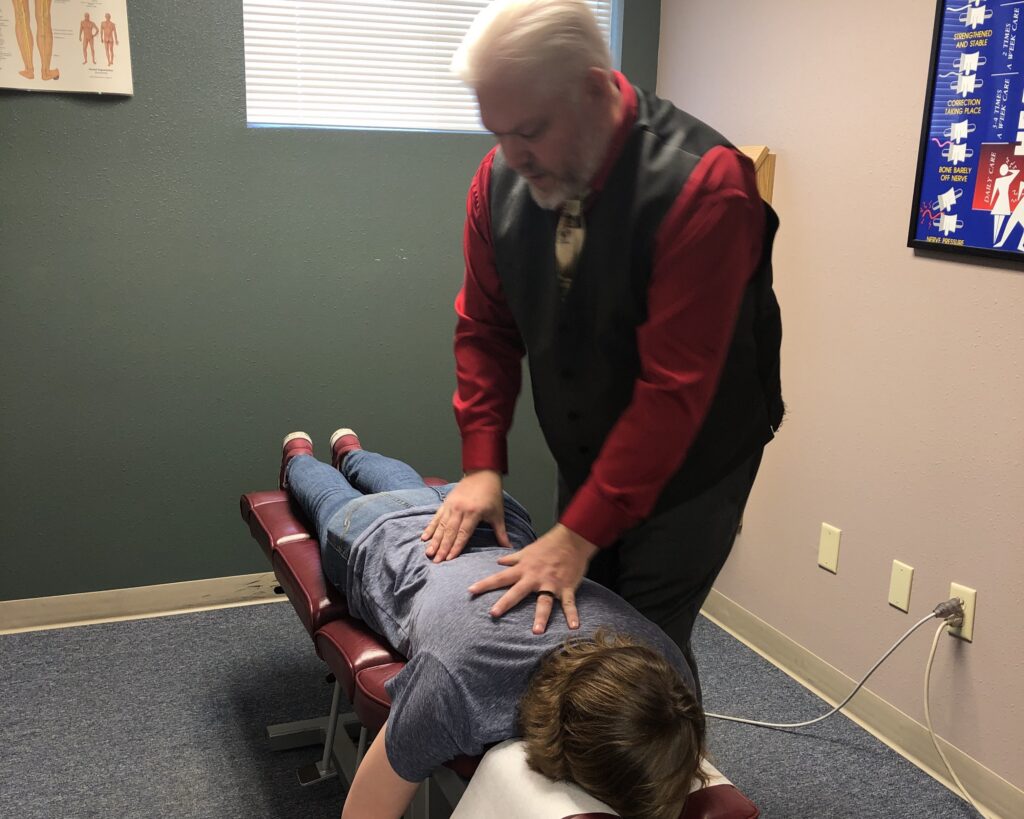
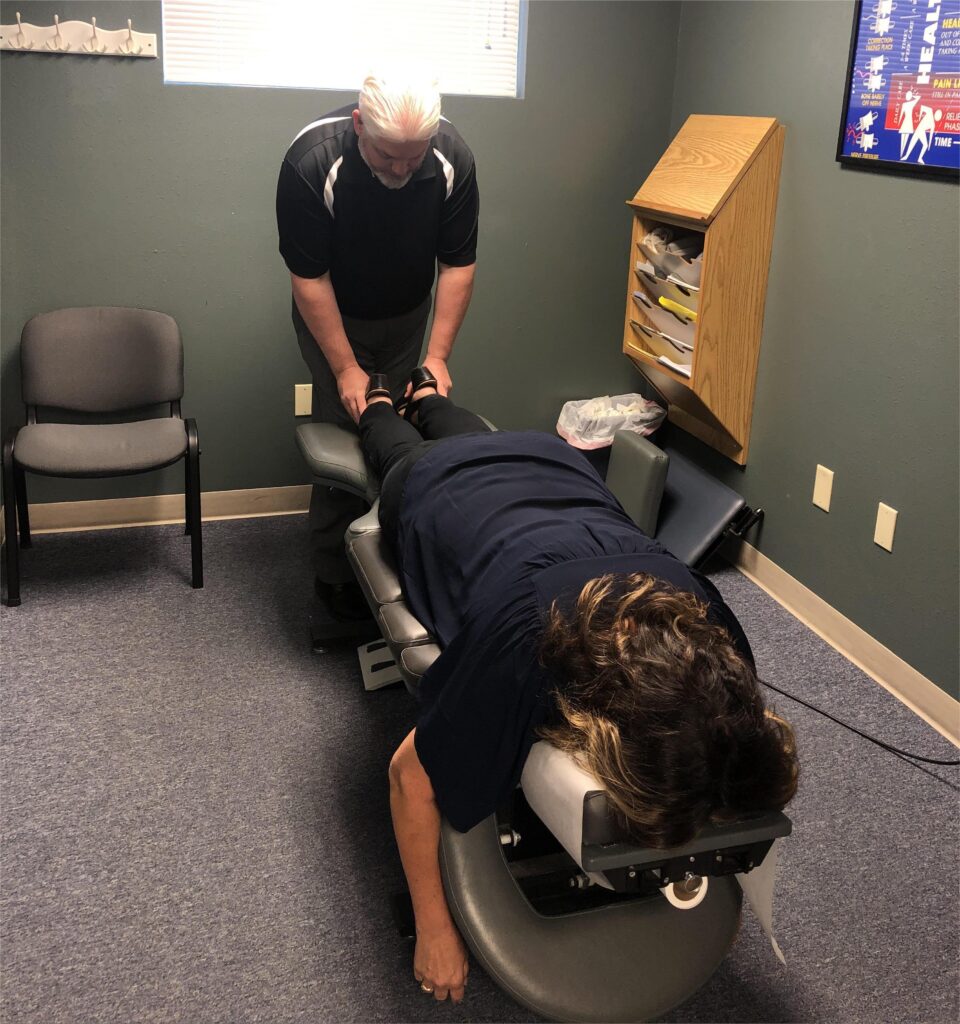
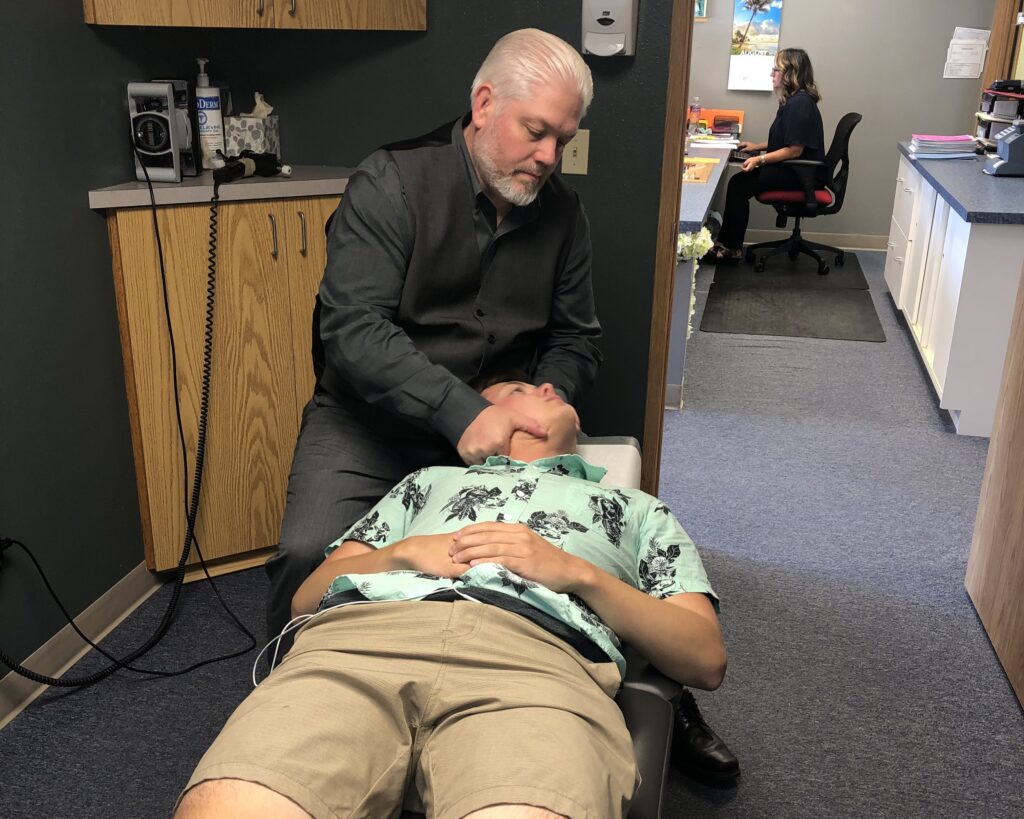
During an adjustment, you'll lie comfortably while the chiropractor uses their hands or a specialized tool to apply precise pressure to certain areas of your spine. This method is designed to improve joint mobility, decrease inflammation, and promote blood flow. You might feel a slight pop or crack, which is completely normal and often indicates that the joint is moving back into its proper position.
After an adjustment, your body begins to respond positively. Your nervous system can function more efficiently, leading to reduced headache frequency and intensity. You may also notice other improvements, such as better sleep quality and increased energy levels, as your body starts to heal itself.
These adjustments don't just treat the symptoms of headaches; they address the underlying causes. By restoring alignment and balance, you're setting the stage for long-term relief.
Understanding how adjustments work helps you appreciate their significance in managing headaches naturally, giving you a powerful tool in your health journey.
Benefits of Natural Relief
While many people turn to medication for headache relief, exploring natural options can offer significant advantages. Natural relief methods, like chiropractic adjustments, focus on addressing the root cause of your headaches rather than just masking the symptoms. This holistic approach can lead to long-term benefits, helping you achieve a healthier lifestyle overall.
One major benefit of natural relief is that it often comes with fewer side effects. Many medications can cause drowsiness, digestive issues, or dependency, while natural methods tend to be gentler on your body. By opting for chiropractic adjustments, you're less likely to experience these adverse effects, making it a safer choice for headache management.
Additionally, natural relief promotes overall wellness. By improving spinal alignment and reducing tension in your body, chiropractic adjustments can enhance your nervous system function. This not only helps alleviate headaches but can also improve your energy levels, sleep quality, and mood.
Furthermore, embracing natural relief empowers you to take control of your health. You'll gain a better understanding of your body and how lifestyle factors—like stress, posture, and diet—contribute to headaches. This knowledge allows you to make informed choices that can lead to fewer headaches in the future.
Incorporating natural headache relief into your routine can lead to lasting change, freeing you from the cycle of medication reliance. By choosing this path, you can enjoy a more balanced, healthier life.
What to Expect During Treatment
When you start your natural headache relief treatment, you'll first go through an initial consultation to assess your needs.
The treatment techniques will be clearly explained to you, so you know what to expect.
Throughout the process, progress tracking methods will help you see how well the treatment is working for you.
Initial Consultation Process
During your initial consultation for headache relief, you'll engage in a detailed discussion about your symptoms and medical history. You'll describe the frequency, intensity, and nature of your headaches, which helps the practitioner understand your specific situation.
Be prepared to discuss any triggers you've noticed, such as stress, diet, or environmental factors.
Next, the practitioner will likely conduct a physical examination. They may assess your posture, spinal alignment, and muscle tension. This step is vital, as it gives them insight into potential underlying issues contributing to your headaches.
You might also be asked about your lifestyle, including your sleep patterns, hydration, and exercise habits, as these factors can influence headache severity. It's important to provide honest answers; the more information you share, the better your treatment plan can be tailored to your needs.
Lastly, your practitioner will explain the next steps and what you can expect from future sessions. They'll make sure you feel comfortable and informed about your options.
Treatment Techniques Explained
After your initial consultation, you'll move into treatment techniques designed specifically for your headache relief. These techniques focus on alleviating pain and addressing the root causes of your headaches. You can expect a personalized approach tailored to your specific needs.
Here's what you might experience during your treatment sessions:
- Chiropractic Adjustments: Gentle spinal manipulations can improve alignment, relieving tension and pressure that contribute to headaches.
- Massage Therapy: Targeted massage can help reduce muscle tightness and increase blood flow, promoting relaxation and pain relief.
- Physical Therapy Exercises: You may be guided through specific exercises aimed at strengthening muscles and improving flexibility, which can help prevent future headaches.
- Lifestyle Recommendations: Your practitioner might suggest dietary changes, hydration tips, or stress management techniques that can play a vital role in preventing headaches.
Throughout your treatment, you'll be encouraged to communicate openly about your symptoms and progress. This ongoing dialogue guarantees that adjustments can be made to optimize your relief, making the process as effective as possible for you.
Progress Tracking Methods
As you progress through your treatment, you'll find it essential to track your improvements and any changes in your symptoms. Keeping a headache diary can be a powerful tool. Write down the frequency, intensity, and duration of your headaches, along with any triggers you notice. This information will help you and your healthcare provider identify patterns and adjust your treatment plan accordingly.
In addition to your diary, consider using a rating scale to quantify your pain. Rating your headaches on a scale from 1 to 10 can provide clear insights into how effective your treatment is. Regular check-ins with your provider are vital, too. They can review your notes and make informed decisions to optimize your care.
Don't forget to monitor any lifestyle changes you implement, such as diet, hydration, and sleep patterns. These factors can greatly influence your headaches.
Tips for Long-Term Headache Management
Managing headaches over the long term often requires changes in your lifestyle and effective stress management.
By making small adjustments to your daily routine and learning techniques to handle stress, you can greatly reduce the frequency and severity of your headaches.
Let's explore some practical tips that can help you achieve lasting relief.
Lifestyle Modifications
Lifestyle modifications can play an essential role in managing headaches effectively. By making a few adjustments to your daily routine, you can considerably reduce the frequency and intensity of your headaches.
Here are some practical tips to take into account:
- Stay Hydrated: Make sure you're drinking enough water throughout the day. Dehydration is a common headache trigger.
- Establish a Regular Sleep Schedule: Aim for consistent sleep patterns by going to bed and waking up at the same time each day. Quality sleep helps your body recover and function better.
- Limit Caffeine and Alcohol: Both substances can contribute to headaches. Try to cut back or consume them in moderation to see if it helps alleviate your symptoms.
- Maintain a Balanced Diet: Eating regular, nutritious meals can help stabilize your blood sugar levels, reducing headache occurrences.
Stress Management Techniques
Reducing stress is essential for keeping headaches at bay, and incorporating effective stress management techniques can make a significant difference in your overall well-being.
Start with mindfulness practices like meditation or deep-breathing exercises. Just five to ten minutes a day can help center your thoughts and reduce anxiety.
Next, consider regular physical activity. Whether it's a brisk walk, yoga, or dancing, moving your body releases endorphins, which are natural stress relievers. Aim for at least 30 minutes of exercise most days.
Don't forget the importance of sleep. Prioritize getting seven to nine hours of quality sleep each night. Establish a calming bedtime routine, and try to stick to a consistent sleep schedule.
Additionally, make time for hobbies and activities that you enjoy. Engaging in creative or leisure activities can provide a much-needed break from daily stressors.
Lastly, don't hesitate to seek support. Talking with friends, family, or a professional can help you navigate stressful situations more effectively.
Conclusion
Incorporating chiropractic adjustments into your headache relief strategy can lead to lasting improvements. By realigning your spine and addressing underlying issues, you'll not only reduce pain but also enhance your overall well-being. Remember, it's crucial to combine these adjustments with lifestyle changes and stress management techniques for the best results. Take control of your health, and don't let headaches dictate your life—embrace this natural approach for a brighter, pain-free future.