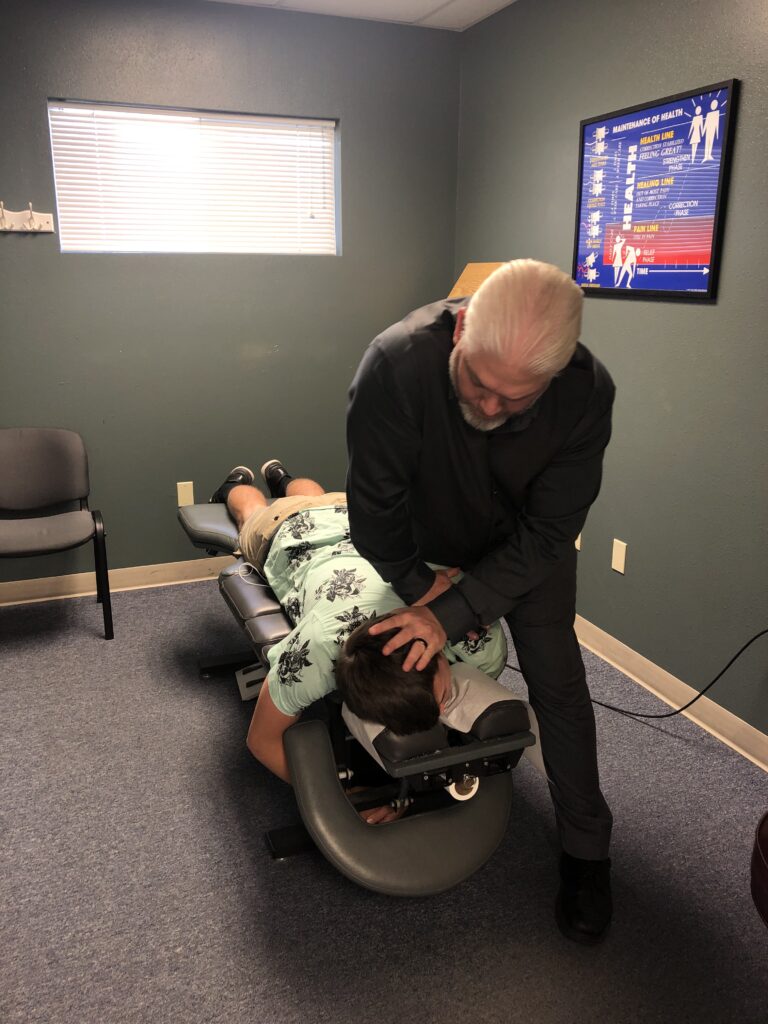

As a local chiropractor, I want to share with you the wonderful variety of natural techniques available for managing pain. You may not be aware, but there are numerous holistic approaches that can significantly enhance your overall well-being. From herbal remedies to mindfulness practices, understanding these methods is crucial in discovering what works best for your individual needs. Let’s take a closer look at these options that can potentially transform your pain management strategy and promote a healthier lifestyle. Remember, chiropractic care focuses on the body’s natural ability to heal, and incorporating these techniques can support that process effectively.
Understanding Pain and Its Causes
Pain is a multifaceted experience that your body uses to signal distress or injury, and as a chiropractor, I want to help you understand it better. It’s more than just a physical sensation; it can also influence your emotions and mental state.
There are different types of pain to consider: acute pain, which is typically short-lived and often linked to a specific injury, and chronic pain, which can linger for an extended period without a clear cause.
Your nervous system plays a crucial role in how pain is perceived, sending signals to alert you to potential harm. A variety of factors contribute to pain, including inflammation, nerve damage, and psychological stress.
Additionally, your personal history, emotional health, and even cultural background can shape how you experience pain. Understanding these factors is vital for effectively managing pain.
By recognizing what triggers your discomfort, you can take proactive steps toward relief. This might involve exploring chiropractic care and natural healing methods that focus on aligning your spine, improving your body’s function, and promoting overall wellness.
Engaging in open discussions with your healthcare provider about your experiences and concerns can lead to more tailored and effective pain management strategies. Together, we can work towards alleviating your pain and enhancing your quality of life.
Herbal Remedies for Pain Relief
As a local chiropractor dedicated to promoting natural healing, I want to share some insights on how herbal remedies can assist in alleviating pain. Many of my patients are often curious about non-invasive options to manage their discomfort, and herbal remedies can be a wonderful addition to your wellness toolkit.
There are several common herbs celebrated for their analgesic properties—these can offer relief from various types of pain. However, it’s crucial to understand the proper preparation methods and dosages to ensure safety and effectiveness.
I encourage you to consider incorporating these herbs into your routine, but always consult with a healthcare professional to discuss any potential interactions with your current treatments.
Let’s delve into some of the herbs that could be beneficial for you and highlight the precautions that should be taken when using them.
Common Herbal Pain Relievers
If you’re exploring natural methods to relieve discomfort, I want to introduce you to some common herbal pain relievers that have been valued for centuries.
As a chiropractor, I believe in a holistic approach to health, and these herbs can complement your care by providing significant relief for various types of pain.
Here are three popular options I recommend considering:
- Turmeric: This vibrant yellow spice contains curcumin, which is celebrated for its anti-inflammatory properties. It can be particularly effective in managing joint pain and arthritis, helping to reduce inflammation and improve mobility.
- Willow Bark: Often known as nature’s aspirin, willow bark has salicin, a compound that can help alleviate pain and reduce inflammation. Many patients find it beneficial for conditions such as lower back pain and headaches.
- Ginger: Renowned for its warming effects, ginger can be a soothing remedy for headaches, menstrual cramps, and muscle soreness. Its natural properties may help enhance circulation and ease discomfort.
Incorporating these herbs into your daily routine can be a great way to support your healing process and manage pain without the unwanted side effects that often accompany conventional medications.
As always, I recommend discussing any new treatments with your healthcare provider to ensure they fit well with your overall wellness plan.
Preparation and Dosage Guidelines
As a local chiropractor dedicated to your overall wellness, I want to share some valuable insights on how to effectively prepare and dose herbal remedies for pain relief. Understanding this can significantly enhance the benefits you experience from these natural treatments.
First and foremost, it’s crucial to select high-quality herbs, whether you prefer them fresh or dried. For those of you interested in making herbal teas, I recommend steeping one teaspoon of dried herbs in hot water for approximately 10 minutes. This method helps to extract the beneficial properties of the herbs.
If tinctures are more your style, be sure to follow the dosage instructions on the label, which typically suggest using between 1 to 3 dropperfuls. For those opting for capsules, adhere to the dosage indicated on the packaging, which generally ranges from 300 to 500 mg.
Consistency is key when it comes to herbal remedies. Aim to take them at the same time each day to fully reap their benefits. I also encourage you to keep a journal to document your progress. This way, you can note what works best for you and make adjustments to your dosages as necessary.
Safety and Side Effects
As a chiropractor, I often explore the benefits of natural healing methods, including herbal remedies for pain relief.
However, it’s crucial to prioritize your safety and be aware of potential side effects when considering these options. Not every herbal treatment is appropriate for everyone, and some may interact with your current medications or lead to unwanted reactions.
Here are three important safety tips to keep in mind:
- Allergic Reactions: Before trying any new herb, it’s essential to ensure you’re not allergic. Some individuals may experience skin rashes or respiratory issues when exposed to certain herbs.
- Medication Interactions: Be cautious with herbs, such as St. John’s Wort, which may affect how your prescription medications work. They can either lessen their effectiveness or intensify side effects, so it’s wise to consult with a healthcare provider.
- Dosage Concerns: Using herbs excessively can be harmful. It’s important to adhere to recommended dosages and seek guidance from a healthcare professional if you’re uncertain about how much to take.
As you consider incorporating herbal remedies into your wellness routine, I’m here to help guide you in making safe and informed choices.
Your health and safety are my top priorities!
The Power of Essential Oils
As a chiropractor, I want to introduce you to the remarkable benefits of essential oils in managing pain and promoting overall wellness. These plant-based extracts can serve as a natural and effective tool in your healing journey.
For instance, oils like lavender, peppermint, and eucalyptus can be specifically targeted to address areas of discomfort you might be experiencing. If you suffer from headaches, inhaling peppermint oil or applying it—after diluting it with a carrier oil—directly onto your temples can provide significant relief.
For those dealing with muscle soreness, a soothing blend of eucalyptus oil mixed with a carrier oil can be massaged into the affected areas to alleviate pain.
In addition to topical applications, consider incorporating aromatherapy into your daily routine. Diffusing essential oils in your home can create a peaceful environment, promoting relaxation and reducing stress levels, which is vital for overall health.
Just remember, it’s important to dilute essential oils with a carrier oil before applying them to your skin, as they can be quite potent.
Integrating essential oils into your lifestyle not only helps ease physical discomfort but also enhances your emotional well-being. I encourage you to explore different scents and discover which ones resonate with you, as they can play a supportive role in your chiropractic care and holistic health journey.
Mindfulness and Meditation Techniques
As a local chiropractor, I want to introduce you to some valuable techniques that can help you manage pain naturally.
Practicing mindfulness and meditation can be incredibly beneficial alongside your chiropractic care. Breathing exercises are particularly useful; they help to calm both your mind and body, which can enhance the effectiveness of your treatments.
Additionally, guided visualization can transport you to a serene mental space, allowing you to experience relief from discomfort. Together, these techniques can play a significant role in your overall pain relief journey, supporting the healing process we work on in our sessions.
Let’s explore how integrating these practices can enhance your health and wellness!
Breathing Exercises Benefits
As a local chiropractor, I want to share with you the incredible benefits of incorporating breathing exercises into your wellness routine. Many of my patients aren’t familiar with how these simple techniques can complement chiropractic care and support natural healing.
By focusing on your breath, you can activate your body’s relaxation response, leading to a range of positive outcomes. Here are three key advantages you might experience by including breathing exercises in your daily life:
- Pain Relief: Many patients find that controlled breathing can significantly reduce their sensations of pain. By promoting relaxation and diverting your focus away from discomfort, breathing exercises can enhance the effectiveness of your chiropractic adjustments.
- Stress Reduction: Deep breathing engages your parasympathetic nervous system, which can lower cortisol levels and create a profound sense of calm. This is particularly beneficial for those dealing with stress-related conditions, allowing your body to heal more effectively.
- Improved Mental Clarity: Regular practice of breathing techniques can sharpen your concentration and boost mindfulness. This not only helps you stay present but also makes it easier to navigate daily challenges, enhancing your overall quality of life.
Guided Visualization Practices
As a chiropractor dedicated to your overall wellness, I want to introduce you to the powerful benefits of guided visualization practices. These techniques can serve as a fantastic complement to chiropractic care, helping you enhance your physical and emotional well-being.
By visualizing a peaceful scene or a healing process, you can divert your attention from pain and stress, allowing your body to relax and heal.
Imagine this: as you close your eyes and take deep breaths, picture yourself in a calming environment—a beautiful beach or a tranquil forest. Engage your senses; feel the sun’s warmth on your skin, listen to the soothing sounds of waves lapping at the shore, or inhale the fresh scent of pine trees.
This practice not only promotes relaxation but can also alter your perception of pain. Incorporating guided visualization into your routine can help train your mind to respond differently to discomfort, empowering you to manage pain more effectively.
As your chiropractor, I encourage you to explore this natural healing technique alongside your chiropractic adjustments. Together, we can enhance your overall wellness and improve your quality of life.
Physical Therapies: Yoga and Stretching
As a local chiropractor, I want to share some valuable insights about the benefits of incorporating physical therapies like yoga and stretching into your wellness routine.
These practices can play a significant role in alleviating pain and enhancing your overall well-being. Here’s how they can support your health:
1. Improved Flexibility: Engaging in regular stretching can significantly increase your range of motion, which is crucial in preventing injuries.
When your muscles and joints are flexible, it helps relieve tension and discomfort, making daily activities much more enjoyable.
2. Strengthened Muscles: Many yoga poses require you to activate various muscle groups, fostering increased strength and stability throughout your body.
This additional strength can help support your spine and improve your posture, which is essential for maintaining a healthy musculoskeletal system.
3. Enhanced Mindfulness: Both yoga and stretching emphasize the importance of focusing on your breath and being aware of your body.
This mindfulness can help you better manage pain by changing your perception of it and reducing stress levels, which often contribute to discomfort.
Incorporating these physical therapies into your daily life can empower you to take charge of your pain management and embrace a healthier lifestyle.
Acupuncture and Acupressure
As a local chiropractor, I want to introduce you to some powerful alternatives for pain relief that you may not be familiar with—acupuncture and acupressure.
These methods tap into your body’s natural healing abilities and can complement the chiropractic care I provide.
Acupuncture involves the insertion of thin needles into specific points on your body. This technique helps stimulate the flow of energy, or “qi,” which can alleviate various types of pain, such as back pain, migraines, and arthritis.
I understand that the thought of needles can be intimidating, but many patients report feeling a deep sense of relaxation during and after their sessions.
If you’re hesitant about needles, acupressure might be the perfect alternative. This technique uses finger pressure on the same points as acupuncture to relieve tension and pain.
The best part is that you can easily learn acupressure techniques to practice at home, targeting areas that feel sore or tight.
Both acupuncture and acupressure can enhance your overall well-being, reduce stress, and promote relaxation—benefits that align perfectly with chiropractic care.
Dietary Changes for Pain Management
As a local chiropractor, I want to share how dietary changes can significantly enhance your health and help manage pain effectively. Many patients are surprised to learn that the foods we eat can influence inflammation and how our bodies respond to pain.
Here are three dietary adjustments that I recommend considering:
- Boost Your Omega-3 Fatty Acids: Incorporating foods like salmon, walnuts, and flaxseeds into your diet can make a real difference. Omega-3 fatty acids are known for their anti-inflammatory properties, which can help reduce pain levels and support your overall well-being.
- Embrace Antioxidant-Rich Foods: Foods such as berries, leafy greens, and nuts are excellent sources of antioxidants. These nutrients work to combat oxidative stress in your body and can significantly lower inflammation, contributing to pain relief.
- Reduce Processed Foods and Sugar: I often advise patients to limit their intake of refined sugars and processed foods. These items can contribute to increased inflammation, which can exacerbate pain. By making this change, many find they experience a reduction in discomfort.
By embracing these dietary changes, you can support your body’s natural healing processes and complement the chiropractic care you receive.
Let’s work together toward a healthier, pain-free life!
Lifestyle Modifications for Long-Term Relief
As your local chiropractor, I want to share some valuable insights on how lifestyle modifications can lead to long-term relief from pain, complementing the chiropractic care we provide.
One of the most effective strategies is to incorporate regular physical activity into your daily routine. Simple movements like walking or practicing yoga can significantly enhance your mood and alleviate discomfort.
In addition, establishing a consistent sleep routine is crucial. Quality sleep is essential for your body’s recovery process, and it can greatly influence your overall well-being.
Managing stress is another vital component of pain relief. Techniques such as mindfulness meditation or deep breathing exercises not only help reduce pain but also contribute to a healthier mindset and lifestyle.
It’s also important to focus on your hydration levels. Maintaining proper hydration while limiting alcohol and caffeine intake can prevent exacerbation of pain.
Surrounding yourself with supportive friends and family is equally beneficial, as strong social connections play a crucial role in managing pain effectively.
Lastly, I encourage you to keep a pain diary. This tool can help you identify pain triggers and track strategies that work for you.
Conclusion
As a local chiropractor, I want to share how incorporating effective natural pain relief techniques can significantly improve your well-being and help manage discomfort. Many patients are unfamiliar with the holistic approaches available, so let’s explore some options together.
Herbal remedies and essential oils can be excellent supplements to chiropractic care, providing additional relief and promoting overall health. Mindfulness practices, such as meditation and breathing exercises, can also enhance your body’s ability to cope with pain and stress. Additionally, physical therapies, including chiropractic adjustments and targeted exercises, play a crucial role in restoring balance and function to your body.
It’s important to consider dietary and lifestyle changes as part of your journey toward long-term relief. The foods you eat and your daily habits can significantly impact your pain levels and overall health. Remember, your path to a pain-free life is unique. I encourage you to take the time to explore these natural methods and discover what resonates best with you. Together, we can empower you to live your life fully and comfortably.