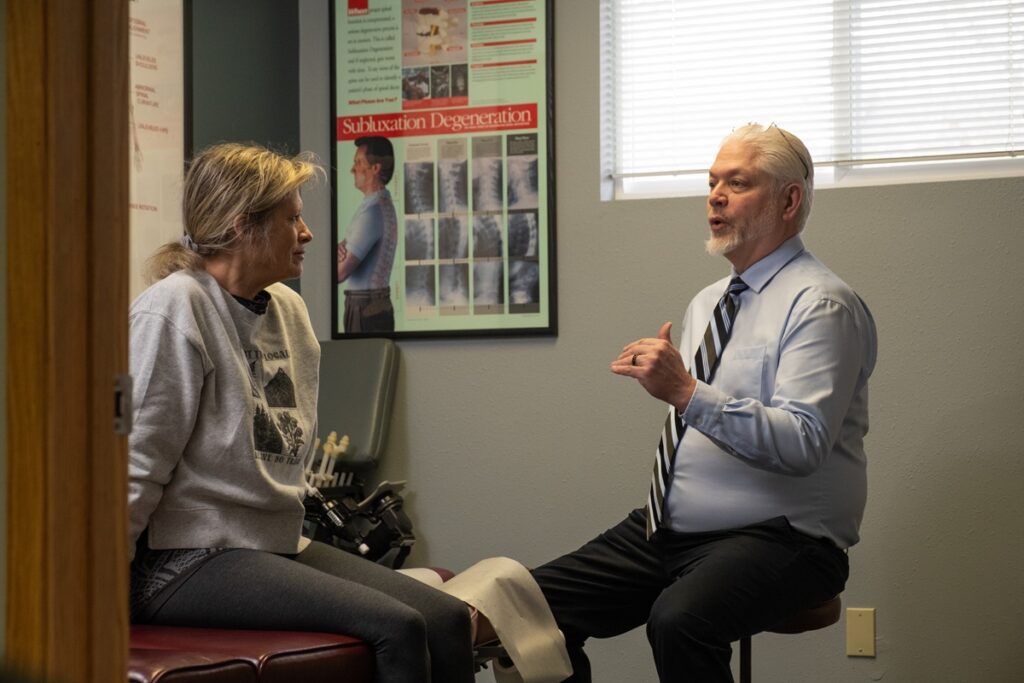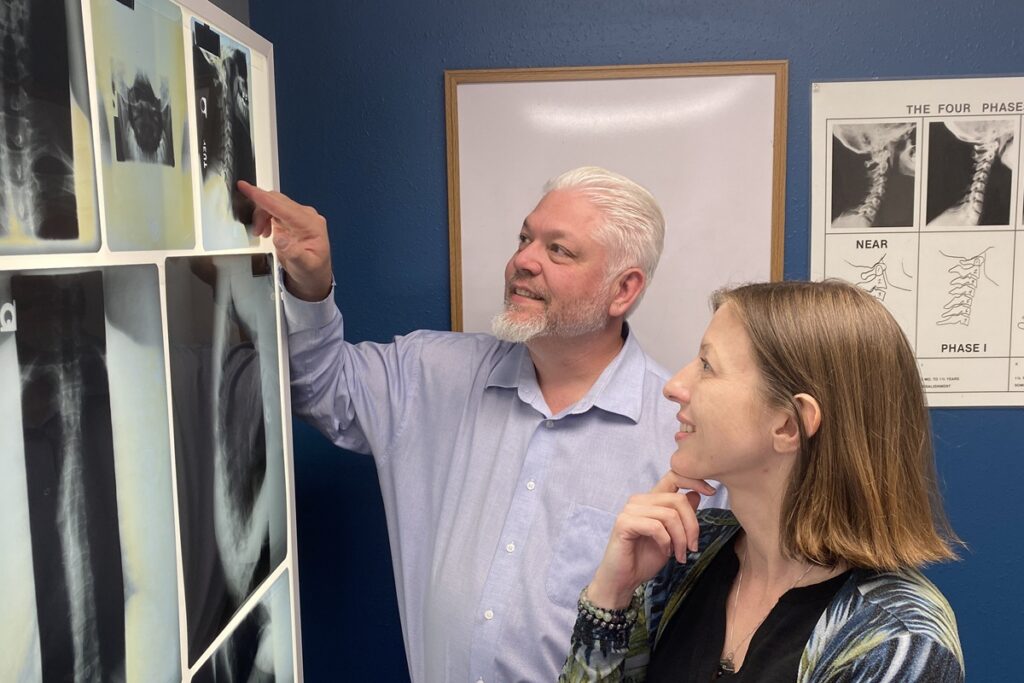

As a local chiropractor, I understand that navigating chronic pain can be incredibly daunting. However, I want to share with you how chiropractic care, combined with some lifestyle adjustments, can pave the way for effective relief. You might be surprised to find that integrating regular physical activity and a nutritious diet is just the starting point. Chiropractic adjustments can help realign your spine, alleviate tension, and enhance your body's natural healing abilities.
Additionally, exploring complementary therapies such as massage or acupuncture may uncover new avenues for relief that you haven't considered. It's crucial to recognize the connection between emotional health and pain perception—this insight can significantly alter your approach to managing discomfort. So, what specific chiropractic strategies can we implement together to help you regain control over your health and well-being? Let's discuss how we can work as a team to create a tailored plan that suits your needs.
Understanding Chronic Pain
Chronic pain is a multifaceted issue that affects millions of individuals every day, and as a local chiropractor, I want to help you understand it better. While many people view pain as a direct response to an injury or illness, chronic pain can linger long after the original source has healed. It can manifest in various sensations—sharp, dull, or throbbing—and its intensity can fluctuate unpredictably, which can be both frustrating and exhausting.
It's important to recognize that chronic pain goes beyond just the physical experience. It can significantly impact your emotional health, leading to feelings of anxiety, depression, or isolation. You may find yourself steering clear of activities you once loved, which can heighten feelings of sadness or frustration. Understanding chronic pain fully means acknowledging that it affects not only your body but also your mind and everyday life.
As a chiropractor, I encourage you to consider the biological, psychological, and social elements involved in your pain. Conditions such as arthritis, fibromyalgia, or nerve damage can contribute to chronic pain, and everyone experiences it in their unique way. You might discover that your pain is influenced by factors like stress, changes in weather, or even how well you're sleeping. By learning about these connections, you can gain a sense of empowerment in managing your pain.
Knowledge is a crucial component of effective treatment. By understanding your condition better, you can advocate for yourself and explore various natural healing options. Chiropractic care, for instance, focuses on the relationship between your spine and nervous system, which can significantly influence pain levels.
Together, we can develop a tailored approach to help you find relief and improve your overall quality of life.
Lifestyle Modifications
As a local chiropractor, I want to emphasize how making lifestyle modifications can significantly enhance your chronic pain management.
By incorporating regular exercise into your routine and adopting healthy eating habits, you can improve your overall well-being and alleviate discomfort.
These changes not only support your body's natural healing processes but also empower you on your journey to pain relief.
Let's delve into how these adjustments can complement chiropractic care and lead to a healthier, more balanced life.
Exercise and Physical Activity
As a local chiropractor, I want to share how engaging in regular exercise and physical activity can significantly improve your ability to manage chronic pain. I understand that many of you may feel hesitant to begin an exercise routine, but I assure you that even small amounts of movement can lead to noticeable benefits.
Focus on activities that you find enjoyable—whether it's a gentle walk, swimming, or practicing yoga—these can help alleviate stiffness and enhance your overall flexibility.
Begin your journey slowly and gradually increase your activity level. This allows your body to adapt without feeling overwhelmed. Consistency is crucial; try to incorporate some form of exercise into your daily routine.
Simple changes, like choosing the stairs over the elevator or incorporating gentle stretches throughout your day, can make a significant impact.
Always listen to your body. If you notice an increase in pain, it's essential to modify your routine accordingly.
Additionally, I recommend considering a consultation with a physical therapist who can develop a personalized exercise plan that aligns with your specific needs and capabilities. Together, we can work towards improving your overall well-being through natural healing and chiropractic care.
Healthy Eating Habits
As a chiropractor, I understand that nutrition is a vital component in managing chronic pain and promoting your overall well-being. By embracing healthy eating habits, you can significantly reduce inflammation, strengthen your immune system, and enhance your body's ability to heal naturally.
I encourage you to focus on incorporating whole foods into your diet, such as fresh fruits, vegetables, lean proteins, and whole grains. These nutrient-dense options are packed with essential vitamins and minerals that can help alleviate pain.
It's also important to limit your intake of processed foods, sugary snacks, and refined carbohydrates, as these can trigger inflammation and exacerbate pain. Instead, consider including foods rich in omega-3 fatty acids—like fatty fish, walnuts, and flaxseeds—in your meals. These foods are known for their powerful anti-inflammatory properties.
Additionally, incorporating spices such as turmeric and ginger can't only enhance the flavor of your dishes but also provide natural pain relief benefits.
Don't forget the importance of staying hydrated. Drinking plenty of water is crucial for maintaining joint lubrication and supporting all bodily functions.
Lastly, I recommend listening to your body. Keeping a food diary can help you identify any specific foods that may worsen your pain, allowing you to adjust your diet accordingly.
By making these mindful dietary choices, you'll not only improve your ability to manage chronic pain but also boost your energy levels and enhance your overall quality of life.
Physical Therapy Options
Chiropractic care offers a range of effective options for managing chronic pain, helping you regain mobility and enhance your quality of life naturally. One of the central aspects of chiropractic treatment is personalized adjustment techniques. These techniques focus on realigning the spine and joints, which can relieve pressure on nerves, reduce pain, and improve overall function.
During your initial consultation, I'll assess your specific condition and develop a tailored plan that addresses your unique needs, ensuring you progress safely and effectively.
Another valuable component of chiropractic care is soft tissue therapy. This hands-on approach involves techniques to manipulate muscles and fascia, helping to alleviate muscle tension and stiffness, providing a holistic method to enhance your well-being.
If you find traditional exercise challenging due to pain, consider exploring rehabilitative exercises that I can guide you through. These exercises are designed to strengthen your body, improve flexibility, and increase your endurance while being mindful of your comfort levels.
In addition to adjustments and exercises, we may incorporate therapeutic modalities such as heat, cold therapy, or electrical stimulation into your treatment plan. These methods can help to reduce inflammation, relieve pain, and support the healing process.
Education is a crucial part of chiropractic care. I'll provide you with insights on proper body mechanics and ergonomics, empowering you to prevent future injuries and manage your pain more effectively.
Mind-Body Techniques
As a local chiropractor, I want to share some insights about how chiropractic care goes beyond just physical adjustments. We recognize the significant connection between your mind and body, especially when it comes to managing chronic pain. Incorporating mind-body techniques into your pain relief journey can truly enhance your overall well-being.
One powerful method is mindfulness meditation. By practicing mindfulness, you can train your mind to stay present, which can help you detach from the sensations of pain. This shift in focus not only reduces stress and anxiety—common companions of chronic pain—but can also lead to a more positive outlook on your healing process.
Deep breathing exercises are another valuable tool. When you engage in deep breathing, you activate your body's relaxation response. This can lower muscle tension and improve your ability to tolerate pain. I encourage you to incorporate these exercises into your daily routine to take back control over your discomfort.
Guided imagery is also worth considering. This technique involves visualizing calming scenes or positive outcomes, providing a mental distraction from pain. By engaging your imagination, you can create a peaceful mental space that promotes relaxation and helps alleviate discomfort.
Practices like yoga and tai chi are excellent as they combine gentle movement with a focus on mindfulness. These activities not only improve flexibility and strength but also foster a sense of calm and balance in your mind.
Lastly, I want to highlight the benefits of journaling. Taking the time to write about your experiences with pain can help you process your emotions and identify triggers. This reflection can empower you to manage your pain more effectively.
Nutritional Approaches
As a local chiropractor, I want to emphasize the significant role nutrition plays in managing chronic pain.
What you eat can truly impact your healing journey. By incorporating anti-inflammatory foods and essential nutrients into your diet, along with staying well-hydrated, you can support your body in its recovery and help alleviate discomfort.
Let's take a closer look at how these nutritional strategies can aid in your quest for relief and overall wellness.
Embracing these changes can complement your chiropractic care and enhance your body's natural healing capabilities.
Anti-inflammatory Foods
As a local chiropractor, I often emphasize the importance of diet in managing chronic pain and supporting overall health. Incorporating anti-inflammatory foods into your daily meals can significantly enhance your pain management efforts. These foods work to reduce inflammation within your body, which is often a major factor in chronic pain conditions.
I recommend filling your plate with a variety of fruits and vegetables, particularly those high in antioxidants, such as berries, spinach, and kale. Not only are these colorful foods delicious, but they also deliver vital nutrients that combat inflammation.
Healthy fats are another essential component of an anti-inflammatory diet. Consider including sources of omega-3 fatty acids, which are found in fatty fish like salmon and mackerel, as well as walnuts and flaxseeds. These healthy fats are celebrated for their anti-inflammatory properties and can make a significant difference in how you feel.
Whole grains, like brown rice, quinoa, and oats, are also beneficial, as they provide fiber that supports digestive health and can help mitigate inflammation.
Don't overlook the power of spices! Turmeric and ginger are especially potent anti-inflammatory agents, so I encourage you to sprinkle them on your meals for an extra health boost.
Additionally, using olive oil as your primary cooking oil can be a wise choice, as it contains beneficial compounds that help reduce inflammation.
Essential Nutrients for Healing
As a local chiropractor, I often emphasize the importance of proper nutrition in the healing process, especially for those dealing with chronic pain. Many people overlook how essential nutrients are for recovery, but they play a vital role in helping your body function effectively.
For instance, vitamin C is crucial for collagen formation and tissue repair, which is vital for recovery. Vitamin D is another important nutrient, known for its anti-inflammatory properties, which can greatly benefit those suffering from pain. Omega-3 fatty acids, commonly found in fish and flaxseed, are fantastic for reducing inflammation and supporting joint health, making them a great addition to your diet.
Don't underestimate the power of magnesium either; it supports muscle function and can help relieve cramps and tension that often accompany chronic pain. Zinc is also key, as it aids in immune function and wound healing, making it essential for anyone on a healing journey.
Incorporating a variety of colorful fruits and vegetables into your meals ensures you obtain these necessary nutrients, as they're packed with powerful antioxidants that can help combat oxidative stress.
Furthermore, B vitamins, particularly B12 and folate, contribute significantly to energy production and nervous system health. By focusing on a balanced diet rich in these vital nutrients, you can create an environment conducive to healing.
Hydration and Pain Relief
As a local chiropractor, I want to emphasize the importance of hydration in managing chronic pain, which is often an overlooked aspect of your overall health. When your body is dehydrated, it can lead to issues such as muscle cramps, fatigue, and increased sensitivity to pain—all of which can complicate your recovery and well-being.
Drinking enough water is crucial because it helps your body function effectively, which can significantly reduce discomfort. Proper hydration also plays a key role in delivering essential nutrients to your cells, which is vital for healing.
If you're experiencing inflammation or recovering from an injury, sufficient fluid intake can aid in flushing out toxins and minimizing swelling, ultimately helping to alleviate your pain.
I recommend aiming for at least eight 8-ounce glasses of water each day, though individual hydration needs can vary. Factors such as your level of physical activity, the climate you live in, and any existing health conditions can influence how much water you should be drinking.
Additionally, incorporating hydrating foods like fruits and vegetables into your diet can be beneficial. It's also important to be cautious with caffeinated beverages, as they can contribute to dehydration.
If you find it challenging to drink plain water, you might consider herbal teas or electrolyte-rich drinks as alternatives.
Alternative Therapies
As a local chiropractor, I want to introduce you to the world of alternative therapies for managing chronic pain. These approaches often emphasize holistic healing, addressing both the body and mind, which can be incredibly beneficial for your overall well-being.
One method you might consider is chiropractic care itself. This involves hands-on spinal manipulation and other techniques to ensure your body is aligned properly, which can relieve muscle tension and improve mobility. Many patients experience significant pain relief and enhanced function after just a few sessions.
In addition to chiropractic adjustments, I often recommend complementary practices like yoga and meditation. Yoga incorporates physical postures, breathing exercises, and mindfulness, which can enhance your flexibility and strength while providing stress relief. Even if you're new to yoga, starting with simple stretches can lead to noticeable improvements in your comfort levels.
Meditation is another valuable tool in pain management. By dedicating just a few minutes each day to mindfulness practice, you can change how you perceive pain, making it easier to cope with daily challenges.
Herbal remedies can also play a role in your healing journey. For instance, turmeric and ginger are known for their anti-inflammatory properties and may help alleviate pain. However, I always advise my patients to consult with me or their healthcare provider before adding any new supplements to their routine.
Lastly, don't overlook the benefits of massage therapy. This hands-on practice can effectively relieve muscle tension and promote relaxation, further supporting your pain management efforts.
Support and Resources
As a local chiropractor, I understand that managing chronic pain can feel overwhelming, but you don't have to face it alone. Engaging with effective support and resources can significantly improve your journey toward relief and healing. Connecting with individuals who share similar experiences can provide not only empathy but also practical advice and motivation. Support groups, whether in your community or online, can offer a nurturing environment where you can share your challenges and triumphs.
In addition to peer support, consider the benefits of professional resources. Chiropractic care, along with other complementary therapies like physical therapy and counseling, can provide personalized strategies for managing your pain. As a chiropractor, I focus on addressing the root causes of discomfort through natural healing techniques, spinal adjustments, and lifestyle modifications. Together, we can explore various treatment options tailored to your specific needs, ensuring you feel informed and empowered in your choices.
I also encourage you to seek out educational resources related to chronic pain management. There are many books, podcasts, and webinars that focus on holistic approaches to health and wellness. Understanding your condition can be a powerful tool in taking control of your healing journey. Organizations dedicated to chronic pain support, such as the American Chronic Pain Association, can also provide valuable insights and resources.
Self-care plays a crucial role in your recovery. Incorporating practices like mindfulness, meditation, or yoga into your daily routine can promote balance and tranquility. These techniques not only enhance your physical well-being but can also provide mental clarity and emotional stability.
Lastly, don't hesitate to reach out to your friends and family. They can be invaluable support systems when you need encouragement. Sharing your experiences with loved ones fosters deeper understanding and strengthens your support network.
Conclusion
As your local chiropractor, I want to emphasize how incorporating effective solutions into your daily routine can greatly assist in managing chronic pain. By making simple lifestyle modifications and exploring the benefits of chiropractic care, you can take significant steps toward improving your well-being.
Physical therapy options, alongside chiropractic adjustments, can enhance your mobility and reduce discomfort. Additionally, I encourage you to explore mind-body techniques like mindfulness and meditation, which can help you better manage pain and stress.
Nutrition plays a crucial role in your overall health, so consider adopting a balanced diet that supports your body's healing processes. Alternative therapies, such as acupuncture or massage, can also provide relief and complement your chiropractic care.
Building a strong support system is vital; know that you are not alone in this journey. Stay informed about your options and be proactive in your approach to health—together, we can find effective ways to alleviate your pain and enhance your quality of life. Remember, chiropractic care is here to empower you on your path to wellness.