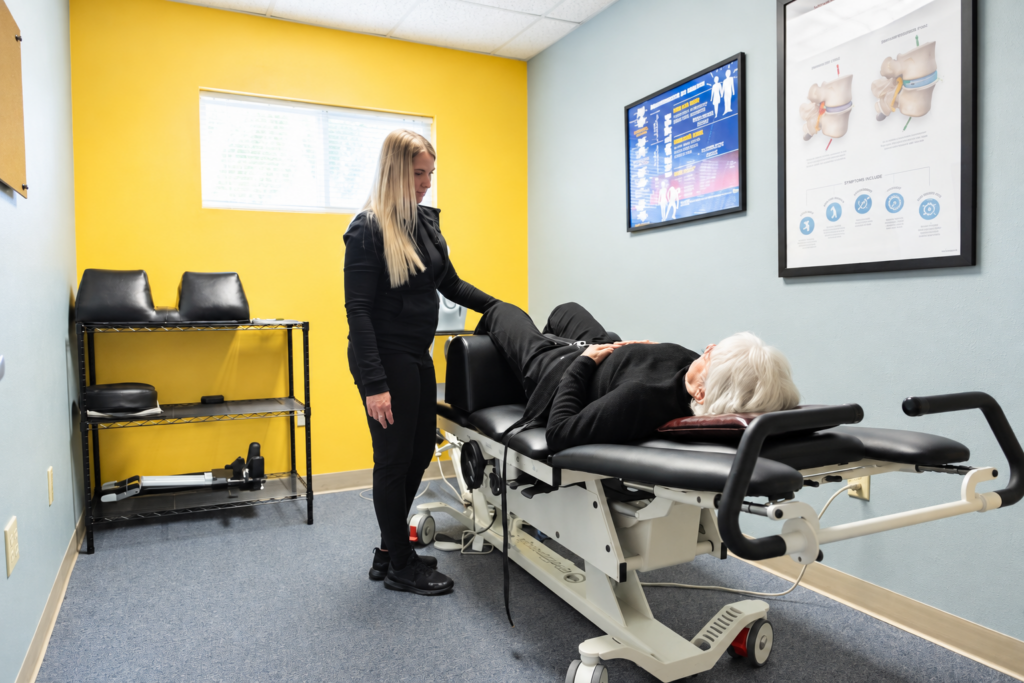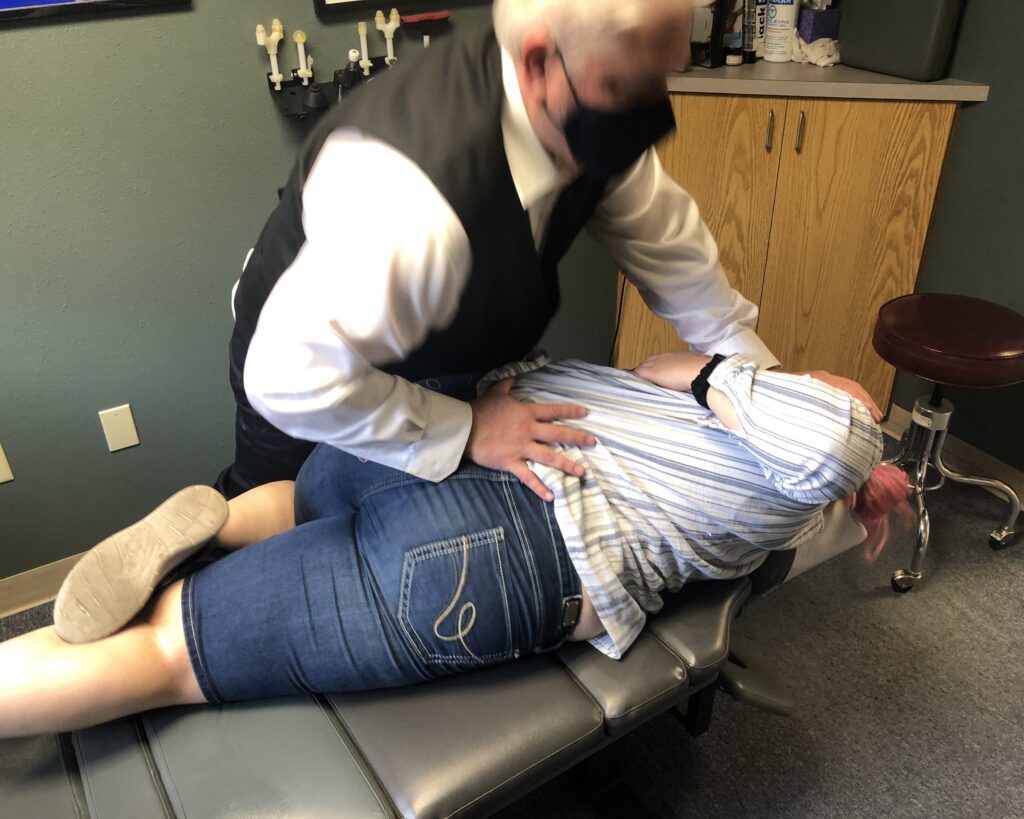

When you experience an athletic injury, navigating the recovery process can seem overwhelming. As a local chiropractor, I want to assure you that there are effective steps you can take to enhance your healing journey. Understanding immediate care techniques is crucial, but so is the role of chiropractic care in your rehabilitation.
Chiropractic adjustments can help realign your body, relieve pain, and improve mobility, which are all essential for a successful recovery. Moreover, incorporating proper nutrition into your healing process can significantly enhance your recovery—something many people overlook.
What if you could customize your recovery approach to ensure optimal results? By exploring these natural healing strategies, together we can work towards a stronger and healthier you. Let’s delve into how chiropractic care can make a difference in your recovery journey.
Understanding Common Athletic Injuries
As a local chiropractor, I want to help you understand some common athletic injuries and how you can approach recovery naturally. Many athletes encounter injuries like sprains, strains, fractures, and tendonitis, and knowing about them is essential for healing.
Let’s start with sprains, which occur when ligaments are stretched or torn, often in the ankle or knee. Strains, on the other hand, affect your muscles or tendons, and are usually found in areas like the back or hamstrings.
Fractures refer to breaks in the bones, which can vary in severity from hairline cracks to complete breaks, often resulting from high-impact activities. Lastly, tendonitis is the inflammation of tendons, commonly affecting the elbow, shoulder, or knee, and it typically develops gradually due to repetitive use.
Recognizing the signs of these injuries—such as pain, swelling, or restricted movement—can empower you to take action. When you understand what’s going on in your body, you can adopt proactive measures to support your recovery.
At my chiropractic practice, we focus on natural healing methods to help you recover from these injuries effectively. By staying informed about these common conditions, you can set yourself up for a smoother recovery journey and prevent future injuries.
The Importance of Immediate Care
As a local chiropractor, I want to emphasize the importance of immediate care when it comes to athletic injuries. If you ever find yourself injured, seeking timely treatment is crucial for a swift recovery.
The first step is to have an assessment to gauge the severity of your injury. This allows us to create a tailored treatment plan that aligns with your specific needs.
In addition to our chiropractic techniques, I recommend starting with the RICE method—Rest, Ice, Compression, and Elevation. These steps are fundamental in minimizing further damage and can significantly impact your healing process.
By addressing your injury promptly with both chiropractic care and these initial steps, we can work together to promote natural healing and restore your health efficiently.
Timeliness of Treatment
As a local chiropractor, I want to emphasize the crucial role of immediate care in your recovery from athletic injuries. Timely treatment is essential, as it can significantly reduce the risk of long-term damage.
When you sustain an injury, acting quickly is vital—it helps minimize inflammation and prevents complications that could arise later on. The sooner you seek care, the better your chances of returning to your sport without ongoing issues.
In chiropractic care, prompt treatment often focuses on relieving pain and stabilizing the injured area, both of which are crucial for your healing journey.
If you delay seeking care, you may experience increased pain, longer recovery times, and the risk of developing chronic conditions that could keep you sidelined for an extended period.
It’s important to remember that your body needs immediate support after an injury, and prioritizing timely chiropractic treatment is key to ensuring a faster and healthier return to your athletic activities.
Let’s work together to get you back to doing what you love!
Initial Assessment Techniques
As a local chiropractor, I’m here to guide you through the important first steps after you seek care for an injury. The initial assessment is a crucial part of understanding the extent of your injury and charting your path to recovery.
First, take a close look at the injured area. Are you noticing any swelling, bruising, or unusual shapes? These signs can give us insight into what might be happening beneath the surface. Pay attention to any pain—where it’s located and how intense it feels.
Next, let’s evaluate your range of motion and strength. Gently test how well you can move the injured area. This is vital, as it helps us understand any limitations you might have. Make sure to communicate any sensations you experience during this process, as this feedback is incredibly valuable.
If you’re uncertain about anything, I encourage you to consult with a trained chiropractic professional. We can provide a detailed assessment and help develop a tailored treatment plan that fits your needs.
It’s also a good idea to document your findings during this assessment. This information can be very helpful as we make treatment decisions together.
RICE Method Application
As a local chiropractor, I want to share an effective method for managing athletic injuries that you may not be familiar with—it’s called the RICE method, which stands for Rest, Ice, Compression, and Elevation. This approach can significantly aid in your recovery and help you get back to your active lifestyle.
First, it’s crucial to give your body the rest it needs. Allowing the injured area to recover without further strain is vital in preventing additional damage.
Next, applying ice is a simple yet powerful way to reduce swelling and numb any pain you may be experiencing. I recommend icing the area for about 15-20 minutes every hour to get the best results.
In addition to ice, compression is an important step. By wrapping the injured area with an elastic bandage, you provide necessary support that can help minimize swelling. This can make a noticeable difference in how you feel.
Lastly, elevating the injured area above heart level can enhance blood flow and reduce inflammation, which is essential for healing.
Remember, the sooner you start implementing the RICE method, the better your chances are for a swift recovery. Consistent application of these techniques, especially within the first 48 hours of the injury, is key for optimal healing.
If you’re new to chiropractic care, I encourage you to explore how we can support your recovery journey naturally. Don’t hesitate to reach out with any questions or concerns!
Innovative Rehabilitation Techniques
As a local chiropractor, I want to share some innovative rehabilitation techniques that can significantly aid in your recovery from injuries, helping you get back to your daily activities and hobbies more quickly and effectively.
These methods focus on natural healing and are gentle on your body. Here are three techniques I recommend:
1. Aquatic Therapy: This approach involves exercising in water, which provides a supportive environment for your joints. The buoyancy of the water minimizes stress on your body while allowing you to move freely.
This can be especially beneficial for regaining strength and flexibility without the pain you might experience on land.
2. Cryotherapy: You may have heard of cryotherapy, which involves exposing your body to cold temperatures. This technique is known to reduce inflammation and promote faster healing.
Many athletes utilize cryotherapy for its ability to soothe sore muscles and improve recovery times, making it a valuable tool for anyone dealing with injuries.
3. Electrical Stimulation: This method uses electrical impulses to stimulate muscle contractions. It can be incredibly effective for building strength and speeding up the recovery process after an injury.
Electrical stimulation is particularly helpful for re-educating muscles that may have weakened during your healing journey.
If you’re interested in exploring these techniques further, I encourage you to reach out.
Together, we can create a personalized rehabilitation plan that aligns with your needs and promotes natural healing.
The Role of Nutrition in Recovery
As a local Chiropractor, I want to emphasize the vital role nutrition plays in your recovery from athletic injuries. Many people overlook how what they eat can significantly impact their healing process. Proper nutrition not only fuels your body but also enhances its natural repair mechanisms, leading to a quicker recovery.
I encourage you to focus on a balanced diet that includes lean proteins, healthy fats, and whole grains. Proteins are essential for repairing damaged tissues, while healthy fats can help mitigate inflammation, a common issue during the healing process.
Incorporating a variety of fruits and vegetables into your meals is also crucial. These foods are rich in antioxidants, which help combat oxidative stress and support your overall health. Additionally, staying well-hydrated is key; water plays a vital role in circulation and nutrient transport, both of which are necessary for efficient healing.
Timing your meals can make a difference too. Consuming a mix of protein and carbohydrates shortly after your injury can help jumpstart your recovery. If you’re unsure about how to structure your meals, I recommend consulting with a nutritionist who can create a personalized meal plan tailored to your specific recovery needs.
By prioritizing your nutrition, you’re giving your body the best possible chance to heal effectively and return to your sport even stronger than before.
Mental Health and Athletic Performance
As a local chiropractor, I want to emphasize that nutrition is just one aspect of recovering from athletic injuries; your mental health is equally vital for both your performance and healing process. A positive mindset can greatly enhance your resilience and determination, helping you to navigate setbacks more effectively.
Here are three important ways to prioritize your mental health during your recovery journey:
- Incorporate Mindfulness Practices: Consider engaging in meditation or breathing exercises. These techniques can help reduce stress levels and improve your overall focus, which is essential for recovery.
- Establish Realistic Goals: I recommend breaking your recovery process into smaller, manageable milestones. This approach not only helps you stay motivated but also gives you a sense of achievement as you progress.
- Build a Support Network: It’s crucial to connect with coaches, teammates, or even a mental health professional. Sharing your feelings and experiences can provide valuable perspective and encouragement during your recovery.
Remember, your mental health is a key component of the healing process, and addressing it can lead to a more effective recovery and improved athletic performance.
If you have any questions about how chiropractic care can support your recovery, don’t hesitate to reach out!
Incorporating Physical Therapy
As a local chiropractor, I want to emphasize the importance of incorporating physical therapy into your recovery plan. This approach can significantly accelerate your healing process.
With personalized rehabilitation programs designed to meet your unique needs, you can’t only recover more effectively but also reduce the risk of future injuries.
By focusing on specific strategies tailored to your body, you can improve your overall athletic performance and enjoy staying active for longer.
Understanding how chiropractic care and natural healing work together can empower you on your journey to optimal health.
Benefits of Physical Therapy
Recovering from athletic injuries can be a daunting journey, but as a local chiropractor, I want to share the essential benefits of chiropractic care that can significantly enhance your healing process.
Embracing chiropractic treatment not only accelerates recovery but also helps you regain strength and mobility. Here are three key benefits you can expect:
- Pain Relief: Chiropractors utilize a range of techniques, including spinal adjustments and soft tissue therapies, to alleviate pain, allowing you to concentrate on your recovery without the burden of discomfort.
- Enhanced Flexibility: Through specific adjustments and rehabilitation exercises, we can improve your flexibility, which plays a crucial role in preventing future injuries and maintaining overall health.
- Functional Independence: Chiropractic care equips you with the knowledge and techniques to perform daily activities safely and effectively, empowering you to regain confidence as you return to your sport.
Incorporating chiropractic care into your recovery plan is a proactive approach to restoring your body’s natural function and achieving peak performance.
Let’s work together to help you heal naturally!
Tailored Rehabilitation Programs
As a local chiropractor, I want to emphasize the importance of tailored rehabilitation programs in your recovery from athletic injuries. Many people aren’t aware that chiropractic care can play a crucial role in healing and restoring your body’s function.
By collaborating with a chiropractor, you can create a personalized rehabilitation plan that specifically addresses your unique needs, goals, and the nature of your injury. This individualized approach means you won’t be stuck following a one-size-fits-all routine. Instead, you’ll engage in targeted exercises and therapies designed to promote healing and strengthen the areas affected by your injury.
Regular assessments are a key part of this process. Your chiropractor will monitor your progress and make necessary adjustments to your treatment plan, ensuring that you stay on track and avoid any setbacks.
Incorporating techniques such as spinal adjustments, manual therapy, stretching, and strength training can significantly enhance your recovery process. Ultimately, a customized rehabilitation program through chiropractic care empowers you to return to your sport not only healed but also stronger and more resilient than ever.
This proactive approach sets the stage for your long-term success in both athletic performance and overall well-being.
Injury Prevention Strategies
As your local chiropractor, I want to emphasize the importance of integrating natural healing practices into your wellness routine to effectively prevent injuries.
By prioritizing your physical health, you can enhance your overall performance and well-being. Here are three key strategies I recommend:
- Regular Check-Ups: It’s beneficial to schedule regular assessments with a chiropractor. These evaluations can help identify any underlying issues or imbalances in your body, allowing us to address them before they result in injuries.
- Personalized Rehabilitation Plans: I encourage you to collaborate with me to create a tailored rehabilitation plan that focuses on your unique strengths and weaknesses. This plan will include specific exercises designed to strengthen areas that may be more susceptible to injury.
- Incorporating Flexibility Work: Don’t overlook the importance of flexibility training. Incorporating stretching and mobility exercises into your routine can significantly enhance your range of motion and help alleviate muscle tension, ultimately reducing the risk of injuries.
The Benefits of Cross-Training
As a local chiropractor, I want to share the significant benefits of cross-training, especially for those recovering from athletic injuries. Cross-training allows you to engage different muscle groups, which can be incredibly helpful in avoiding further strain on an injured area.
When you find yourself sidelined due to an injury, it’s crucial to maintain your fitness levels, and cross-training offers a fantastic way to achieve this. Incorporating activities like swimming, cycling, or yoga can help keep your heart rate up while providing your injured body part with the necessary time to heal.
This approach not only keeps you active but also reduces the risk of re-injury by preventing overuse of specific muscles or joints, as you’re varying your workout routine. Furthermore, staying active in various ways promotes not just physical health but also mental well-being. Engaging in different activities can boost your spirits and keep your motivation high during the recovery process.
Additionally, cross-training can help you build overall strength and flexibility, which will be beneficial when you return to your primary sport. Embracing cross-training as part of your recovery can aid in the healing process and set you up for a stronger comeback.
Preventative Measures for Future Injuries
As a local chiropractor, I want to emphasize the significance of taking proactive measures to prevent future injuries, especially while you’re in recovery. Many people overlook this crucial aspect of healing, but being proactive can make a substantial difference in avoiding re-injury.
Here are three essential steps I recommend:
- Strengthen Your Muscles: It’s vital to focus on strengthening the muscles around the injured area. By doing so, you provide essential support that can significantly reduce the risk of future injuries. Strengthening exercises tailored to your needs can enhance your recovery and overall stability.
- Prioritize Flexibility: Incorporating regular stretching and mobility exercises into your routine is essential. Improved flexibility can enhance your range of motion and help you avoid strains. As a chiropractor, I often guide patients in developing personalized stretching routines that align with their recovery goals.
- Listen to Your Body: Your body communicates with you, so it’s important to pay attention to any signs of discomfort or fatigue. Ignoring these signals can lead to overuse injuries. I encourage my patients to rest when necessary and avoid pushing their limits too soon.
Understanding your body’s cues is a key part of the healing process.
Success Stories: Athletes Who Overcame Injuries
As a local chiropractor, I understand that many athletes, and even those who engage in recreational activities, face the daunting task of recovering from injuries. However, there are numerous inspiring examples that illustrate the power of resilience and determination in the healing process.
Take, for example, Adrian Peterson, who made an incredible comeback to the NFL after suffering a severe knee injury. His unwavering commitment to rehabilitation and recovery demonstrates how hard work can lead to remarkable results. This isn’t just a story of physical recovery; it’s about the mental strength that accompanies it.
Similarly, look at Lindsey Vonn, who faced multiple injuries throughout her career yet still managed to return to the slopes. Her journey proves that setbacks don’t define an athlete’s potential; rather, it’s how they respond to those challenges that matters.
These stories highlight an essential aspect of recovery: the importance of mindset. In chiropractic care, we focus not only on the physical healing of injuries but also on nurturing a positive mental attitude towards recovery.
By incorporating natural healing techniques and supportive care, we empower our patients to overcome obstacles in their athletic pursuits.
When you encounter challenges, remember that resilience can lead to incredible achievements—both in sports and in everyday life. With the right support, perseverance, and a proactive mindset, you can overcome your own setbacks and thrive.
As your chiropractor, I’m here to guide you on that journey to recovery and well-being.
Conclusion
As a local chiropractor, I want to emphasize how incorporating holistic recovery strategies can greatly enhance your healing process after an athletic injury. It’s essential to understand the significance of immediate care—this is where chiropractic adjustments can help realign your body and reduce pain. Additionally, exploring innovative rehabilitation techniques, such as manual therapy and targeted exercise regimens, can effectively support your recovery.
Nutrition also plays a crucial role in healing. Fueling your body with the right nutrients can accelerate recovery and restore your strength. Don’t overlook the mental aspect of recovery; maintaining a positive mindset is vital. Stay motivated, challenge yourself, and remember that with commitment and a natural healing approach, you can emerge from this experience even stronger. Together, we can create a tailored recovery plan that addresses your unique needs and helps you get back to doing what you love.