
When you experience a sports injury, it's vital to explore the various treatment options available to guarantee a swift and effective recovery. You might consider initial strategies like rest and ice therapy, but there's much more to the process. From physical therapy techniques that restore mobility to alternative treatments that enhance overall well-being, each option plays a role in your recovery journey. As you weigh these choices, you may find yourself questioning what combination will work best for you—let's examine how each approach can contribute to your healing.
Understanding Sports Injuries
Sports injuries can happen to anyone, whether you're a weekend warrior or a seasoned athlete. Understanding the nature of these injuries is vital for effective treatment and prevention.
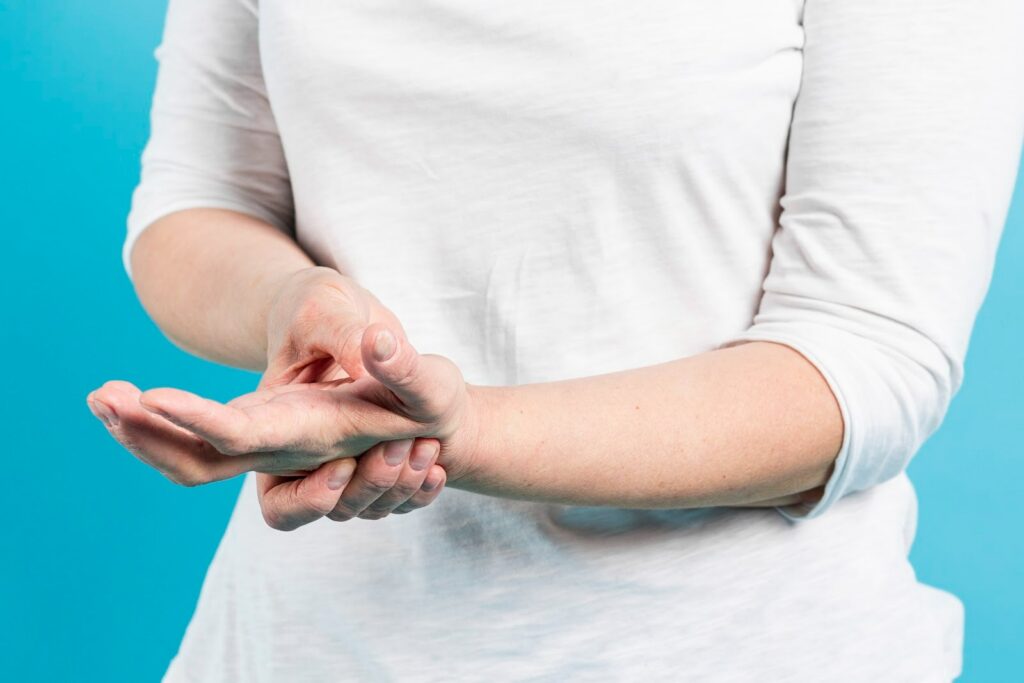
Sports injuries typically fall into two categories: acute and chronic. Acute injuries occur suddenly, often due to a specific event, such as twisting an ankle while running or colliding with another player. You might feel immediate pain, swelling, or a loss of function in the affected area.
On the other hand, chronic injuries develop gradually over time, often resulting from repetitive stress on muscles, tendons, or joints. If you notice persistent pain in your knees or shoulders after frequent training, it could be a sign of a chronic injury. Recognizing the type of injury you're dealing with is essential, as it shapes your approach to treatment.
Another key aspect of understanding sports injuries is recognizing the risk factors involved. These factors can include poor conditioning, inadequate warm-up routines, improper techniques, or even the type of equipment you use.
Be mindful of how these elements affect your body during physical activity.
Rest and Recovery
Rest and recovery play an essential role in healing from sports injuries and preventing future issues. When you experience an injury, your body needs time to repair itself. Skipping rest can lead to prolonged pain, increased inflammation, and even re-injury. So, prioritizing rest is fundamental.
Listening to your body is key during this phase. If you're feeling fatigued or sore, give yourself permission to take a break. Depending on the severity of your injury, rest could mean complete immobilization or simply scaling back your activity levels.
Don't underestimate the power of sleep, either; it's during this time that your body works hard to heal, repairing muscles and tissues.
You might also want to incorporate active recovery techniques. Gentle movements, such as walking or stretching, can promote blood flow and help reduce stiffness without putting too much strain on your injury. Hydration is another essential aspect of recovery. Drinking enough water supports nutrient delivery to your muscles and helps flush out toxins.
Lastly, consider the psychological aspect of rest. It's normal to feel anxious about losing progress or falling behind in your training. However, remember that taking the time to heal now can lead to better performance later on.
Embrace this period as an opportunity to recalibrate your training goals and strengthen your mind-body connection. With proper rest and recovery, you'll set yourself up for a successful return to your sport.
Physical Therapy Techniques
When you're recovering from a sports injury, physical therapy techniques play an essential role in your rehabilitation.
Manual therapy approaches can help relieve pain and restore mobility, while strengthening and conditioning techniques build the support your body needs to prevent future injuries.
Let's explore how these methods can get you back on your feet and performing at your best.
Manual Therapy Approaches
Manual therapy approaches in physical therapy play a crucial role in treating sports injuries by focusing on hands-on techniques to relieve pain and restore mobility. These methods include joint mobilization, soft tissue manipulation, and myofascial release, all designed to improve function and reduce discomfort.
When you're recovering from a sports injury, a skilled physical therapist will assess your specific needs and tailor the manual therapy to address your unique situation. They'll use their hands to apply pressure, stretch muscles, and manipulate joints, which can help alleviate pain and enhance circulation. This not only speeds up your recovery but also guarantees that you regain proper range of motion.
You might feel immediate relief after a session, but the benefits can extend far beyond that. Regular manual therapy can help prevent future injuries by addressing muscle imbalances and improving overall body mechanics.
It's important to communicate openly with your therapist about your pain levels and any specific concerns you have during your sessions. With commitment and the right manual therapy techniques, you'll be on the path to returning to your favorite sports activities sooner than you think.
Strengthening and Conditioning Techniques
After experiencing a sports injury, focusing on strengthening and conditioning techniques is key to regaining your strength and preventing future issues.
These techniques help rebuild the muscles around the injured area, enhancing stability and endurance. You'll want to start with low-impact exercises that promote healing without causing further damage.
Incorporate resistance training using bands or weights, gradually increasing intensity as you progress. This approach not only strengthens the injury site but also improves overall muscle function.
Don't forget to add flexibility exercises like stretching or yoga to enhance your range of motion and prevent stiffness.
Conditioning is equally important. Incorporate aerobic exercises, such as cycling or swimming, to boost your cardiovascular fitness while minimizing stress on your injury.
Focus on balance training as well, which can improve coordination and reduce the risk of re-injury.
Medication Options
Managing pain and inflammation is essential in the recovery from sports injuries, and medication options play a considerable role in this process. When you're dealing with discomfort, it's important to evaluate various medications that can help alleviate your symptoms. Over-the-counter (OTC) pain relievers like ibuprofen and acetaminophen are often the first line of defense. These medications can reduce both pain and inflammation, allowing you to gradually return to your sport.
If your pain persists, you might need to consult a healthcare professional for prescription options. Nonsteroidal anti-inflammatory drugs (NSAIDs) are frequently prescribed for more severe cases. They work similarly to OTC medications but may be stronger and more effective for chronic conditions. Your doctor can guide you on the appropriate dosage and duration to guarantee safe usage.
In some cases, you might benefit from corticosteroid injections, which can provide quick relief from inflammation, especially for injuries affecting joints. However, these aren't a long-term solution and should be used judiciously.
Additionally, muscle relaxants can help if you're dealing with muscle spasms or tightness due to your injury. Remember to discuss any pre-existing conditions or medications you're taking with your doctor to avoid adverse interactions.
Ultimately, medication options are just one piece of your recovery puzzle. Combining them with proper rest, rehabilitation, and other treatments can greatly enhance your healing process, helping you get back to the activities you enjoy as quickly and safely as possible.
Ice and Heat Therapy
When dealing with sports injuries, knowing when to use ice or heat can make a big difference in your recovery.
Ice therapy helps reduce swelling and numb pain, while heat therapy increases blood flow and relaxes tight muscles.
Understanding these benefits can help you choose the right treatment for your specific injury.
Benefits of Ice Therapy
Ice therapy, often referred to as cryotherapy, can work wonders for treating sports injuries. When you apply ice to an injured area, it constricts blood vessels, which helps reduce swelling and inflammation. This is particularly useful right after an injury occurs, as it can prevent further damage and speed up your recovery.
Using ice can also numb the pain, allowing you to feel more comfortable and continue with your daily activities. You'll find that it's especially effective for acute injuries, like sprains and strains. Applying ice for 15 to 20 minutes at a time, several times a day, is generally recommended. Just make sure to wrap the ice in a cloth to protect your skin.
Additionally, ice therapy can help decrease muscle spasms, which often accompany injuries. By reducing muscle tension, you'll promote relaxation and enable better mobility as you heal.
Advantages of Heat Therapy
Heat therapy offers numerous advantages for treating sports injuries, promoting healing and comfort in ways that complement ice therapy. When you apply heat to an injured area, it helps increase blood flow, which accelerates the healing process. This method is particularly effective for muscle strains and stiffness, making it a valuable tool in your recovery arsenal.
Here are some key benefits of heat therapy:
- Increases blood circulation: Enhanced blood flow delivers essential nutrients and oxygen to the injured area.
- Relieves muscle tension: Heat relaxes tight muscles, improving mobility and reducing discomfort.
- Soothes pain: The warmth can alleviate pain levels, making it easier for you to engage in rehabilitation exercises.
- Promotes flexibility: Applying heat before stretching can enhance flexibility and prepare your muscles for activity.
- Reduces stress: The comforting sensation of heat can help reduce overall stress and improve your mood during recovery.
Incorporating heat therapy into your treatment routine can greatly boost your recovery, providing both physical and mental advantages.
Just remember to alternate between heat and ice therapy for ideal results.
Rehabilitation Exercises
Rehabilitation exercises play an indispensable role in your recovery from sports injuries, helping to restore strength, flexibility, and function. After an injury, your body needs a structured approach to regain its previous capabilities, and targeted exercises are a critical part of this process.
Initially, you'll focus on gentle movements to enhance mobility without placing too much strain on the injured area. These exercises can help reduce stiffness and improve blood flow, promoting healing.
As you progress, you'll gradually increase the intensity and complexity of your workouts. This progression is essential for rebuilding strength and preventing future injuries.
Incorporating strength training into your rehabilitation plan is equally important. Resistance exercises, tailored to your specific injury, will help rebuild muscle strength and support the joints involved in your sport.
Additionally, don't underestimate the importance of flexibility exercises. Stretching helps maintain a full range of motion, ensuring that your muscles and joints function effectively when you return to your sport.
Balance and coordination exercises are also indispensable. They not only help you regain your athleticism but also reduce the risk of re-injury by improving your overall body awareness.
It's crucial to consult with a physical therapist or a qualified professional to develop a personalized rehabilitation program that suits your specific needs.
Chiropractic Care
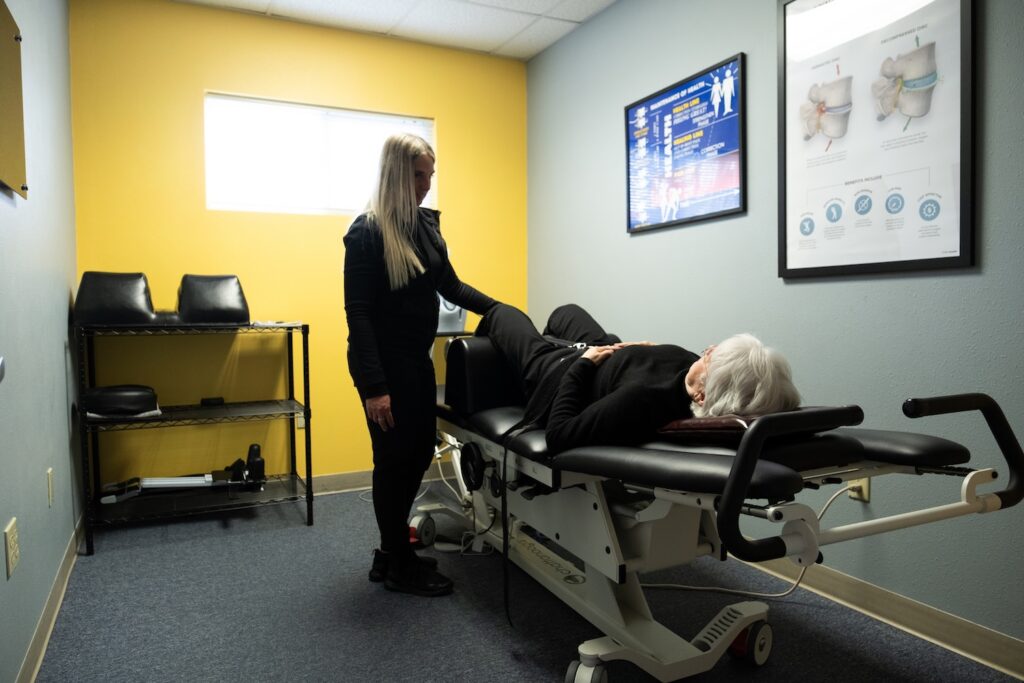
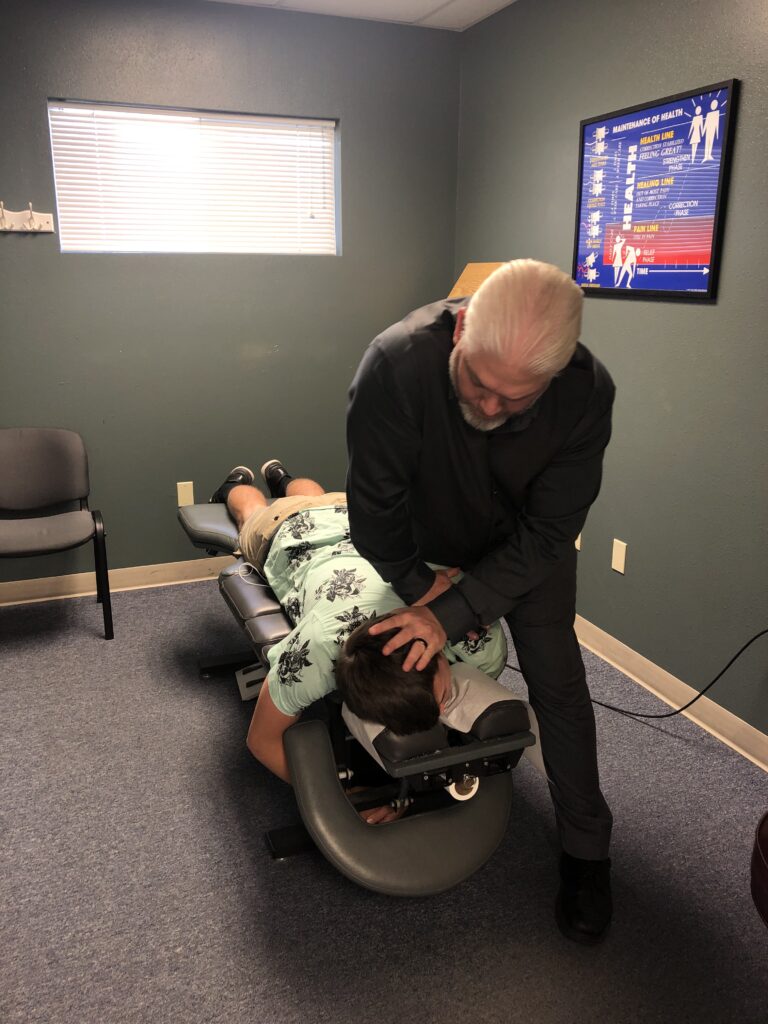
As you work on your rehabilitation exercises, consider incorporating chiropractic care into your recovery plan. This holistic approach focuses on the spine and musculoskeletal system, aiming to restore proper alignment and function. Many athletes find that chiropractic care not only alleviates pain but also enhances overall performance.
Chiropractors use various techniques, including spinal adjustments and soft tissue therapies, to promote healing and mobility. By addressing misalignments, they help your body function more efficiently, which is vital for your recovery.
Here are some benefits of chiropractic care for sports injuries:
- Pain Relief: Chiropractic adjustments can greatly reduce pain in injured areas, allowing you to focus on your rehabilitation.
- Improved Mobility: Regular sessions can enhance your range of motion, making it easier to perform rehabilitation exercises effectively.
- Injury Prevention: By ensuring proper alignment, chiropractic care helps prevent future injuries, keeping you active and healthy.
- Enhanced Performance: Many athletes report improved performance after chiropractic treatment, as it optimizes body mechanics.
- Holistic Approach: Chiropractors often incorporate lifestyle advice, nutrition, and exercise recommendations tailored to your specific needs.
Integrating chiropractic care into your recovery process can be a game-changer. It complements your rehabilitation exercises, speeding up your recovery and getting you back in the game stronger than ever.
Don't hesitate to consult with a qualified chiropractor to discuss how their services can fit into your overall treatment plan.
Surgical Interventions
Surgical interventions may become necessary when conservative treatments fail to provide relief for sports injuries. If you've tried physical therapy, rest, or medications without success, it might be time to contemplate surgery. This approach aims to repair damaged tissues, realign bones, or stabilize joints, allowing you to return to your favorite activities.
Common surgical procedures for sports injuries include arthroscopy, ligament reconstruction, and tendon repair. During arthroscopy, a small camera is inserted into your joint to help the surgeon visualize the issue and repair it through tiny incisions. This minimally invasive technique often results in quicker recovery times and less scarring.
Ligament reconstruction, especially in cases like a torn ACL, involves replacing the damaged ligament with a graft. This surgery can restore stability to your knee, allowing you to resume high-impact sports.
Tendon repair may be necessary for injuries like Achilles tendon tears, where the surgeon reconnects the torn ends to promote healing.
After surgery, rehabilitation is vital. You'll likely need to follow a structured program to regain strength and flexibility. Consult with your surgeon and physical therapist to develop a tailored plan to get you back on the field safely.
Alternative Treatments
When traditional medical approaches fall short, many athletes turn to alternative treatments for sports injuries. These methods can provide relief, enhance recovery, and even prevent future injuries.
While not a substitute for professional medical advice, alternative treatments can complement your rehabilitation efforts.
One popular option is acupuncture, which involves inserting thin needles into specific points on the body to alleviate pain and promote healing. Many athletes find it effective for addressing chronic issues and reducing inflammation.
Another widely used treatment is chiropractic care, focusing on spinal alignment and overall body function, which can improve mobility and reduce discomfort.
Here are some alternative treatments you might consider:
- Massage Therapy: Helps reduce muscle tension, improve circulation, and enhance flexibility.
- Herbal Remedies: Natural supplements can aid healing and provide anti-inflammatory benefits.
- Physical Therapy Techniques: Methods like myofascial release or kinesiology taping can be beneficial.
- Yoga and Stretching: Improves flexibility, balance, and mental focus, helping to prevent injuries.
- Heat and Cold Therapy: Using heat to relax muscles and cold to reduce swelling can be very effective.
Before trying any alternative treatments, it's crucial to consult with a healthcare professional. They can guide you in finding the most suitable options for your specific needs.
Ultimately, integrating these alternative treatments into your recovery plan can enhance your performance and help you get back to the sports you love.
Conclusion
In summary, managing treatment options for sports injuries can feel overwhelming, but you've got plenty of paths to explore. By prioritizing rest, using ice and heat therapy, and engaging in rehabilitation exercises, you can set the stage for a strong recovery. Don't hesitate to seek professional help through physical therapy or chiropractic care, and consider alternative treatments for added support. Remember, addressing injuries early on can keep you in the game and prevent future setbacks.