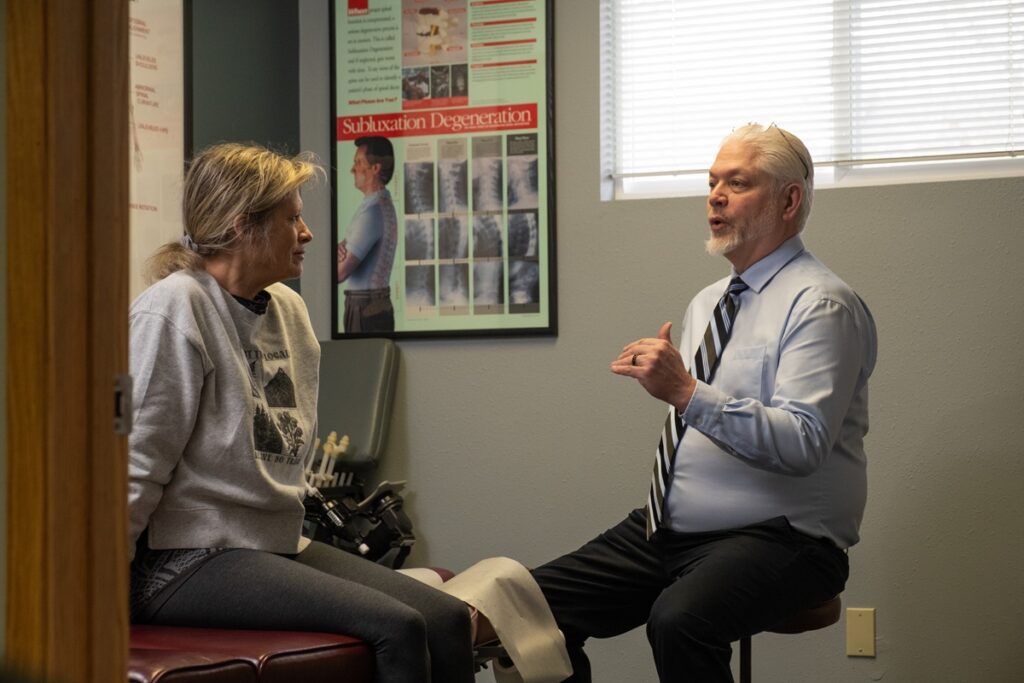

As a local chiropractor, I want to emphasize the importance of gentle techniques in the early stages of your child's life. These approaches can greatly influence their emotional and physical development. By tuning into your child's cues and responding with nurturing practices, you are laying a strong foundation of trust and security. Techniques such as gentle adjustments, skin-to-skin contact, and soft touch can enhance bonding and promote relaxation for both you and your child.
As you consider these methods, you may be curious about how specific chiropractic strategies can further support your child's growth and emotional stability. For instance, gentle spinal adjustments can help relieve tension and promote better sleep, which is crucial for a developing child. Additionally, incorporating gentle stretches and movement into your daily routine can encourage healthy physical development.
What other gentle approaches, including chiropractic care, could you integrate into your daily life to support your child's well-being? I'm here to help you explore these options and ensure your little one thrives.
Understanding Infant Cues
Understanding and recognizing your baby's cues is just as important for their health as regular chiropractic care is for your overall well-being. Just like your body communicates its needs through various signs, your little one has their own ways of expressing what they require to feel comfortable and secure.
Pay attention to signs of hunger, such as lip smacking or rooting. When your baby turns their head toward your hand, it's a clear indication they're ready to eat, similar to how your body signals when it's time for nourishment. While crying can often indicate hunger, it can also signify discomfort or fatigue. Just as different types of pain in your body can reflect various issues, each cry from your baby has its own distinct rhythm and pitch that can help you understand their needs better.
Body language is also critical. An arched back or clenched fists can signal distress, much like how you might react to physical discomfort. Conversely, cooing and smiling are signs of contentment, indicating that your baby feels safe and happy in their environment. When your baby gazes at you or makes eye contact, it's a way of engaging with you, much like how you connect with your chiropractor during a visit.
Timing is essential in this process. Just as timely adjustments can improve your health, responding promptly to your baby's cues reinforces their understanding that their needs are important. This response builds trust and strengthens your bond, similar to how consistent chiropractic care fosters a healthy relationship between your body and mind.
The power of gentle touch can't be underestimated. Just as chiropractic adjustments can soothe discomfort in your body, gentle strokes or holding your baby can help calm them when they're upset. Creating a calm environment, with dim lighting and soft sounds, can facilitate deeper connections for both of you, akin to the tranquil atmosphere found in a chiropractic office that promotes healing.
As you become more attuned to your baby's signals, you may find that parenting becomes more intuitive, much like how regular chiropractic care enhances your awareness of your own body. This journey of understanding can make your interactions with your baby richer and more fulfilling, just as it does with your own health journey.
Responsive Parenting Practices
As a chiropractor, I understand the importance of listening to your body's signals, much like a parent tuning into an infant's needs.
When you respond promptly to discomfort or tension, you foster an environment of healing and well-being.
Let's delve into how recognizing these signals can enhance your overall health and wellness journey through chiropractic care and natural healing methods.
Understanding Infant Signals
Understanding infant signals is crucial not only for nurturing a strong bond but also for ensuring their physical comfort and well-being. As a chiropractor, I want to emphasize the importance of recognizing and responding to your infant's cues, which can lead to a healthier, more balanced development.
Infants communicate mainly through body language, facial expressions, and sounds, and by paying attention to these signals, you can provide the support they need for optimal growth.
Here are some common infant signals to be aware of:
- Crying: This is often the clearest signal that something is wrong. It could indicate hunger, discomfort, or a desire for attention. As a chiropractor, I encourage parents to consider whether their infant may be experiencing discomfort due to misalignments in their spine or tension in their muscles.
- Facial Expressions: A smile often signifies happiness, while a furrowed brow may indicate distress. By observing these subtle changes, you can gain insight into their emotional state and physical comfort. Understanding these expressions can help you decide when to seek gentle chiropractic care to alleviate any physical discomfort.
- Body Movement: Fidgeting or arching their back might suggest discomfort or tension, while relaxed limbs typically indicate contentment. If you notice your baby frequently displaying signs of discomfort, gentle chiropractic adjustments can help realign the spine and release tension, promoting overall relaxation and health.
Encouraging Emotional Connection
As a chiropractor, I understand the importance of fostering emotional connections, not just for adults but also for the little ones in our lives. When it comes to parenting, being responsive to your child's needs can significantly enhance their overall well-being, including their physical health.
Responding promptly to your child's cues—whether they're expressing hunger, discomfort, or a need for reassurance—helps establish a sense of security, which is vital for their development. Just as I encourage my patients to listen to their bodies, it's crucial for parents to engage with their children.
Simple actions like making eye contact, smiling, and speaking in a soothing voice can make your child feel valued and understood. Pay attention to their signals; when they coo or smile, respond enthusiastically. This kind of interaction is much like the adjustments I perform to encourage better communication within the body. It builds trust and emotional bonds that are essential for healthy development.
Creating comforting routines can also promote quality time together. Whether it's reading a story or singing a lullaby, these moments strengthen your connection. Remember, holding them close during such activities provides essential physical touch that fosters emotional bonding.
It's also important to be aware of your own emotional state. Just as I emphasize the importance of a balanced body for physical health, maintaining a calm and positive demeanor can help your child feel secure.
The Power of Touch
As a local chiropractor, I want to share the incredible importance of touch in early development, particularly for infants and toddlers. Touch plays a crucial role in how your little ones begin to navigate and understand their environment. Skin-to-skin contact, gentle caresses, and soothing strokes aren't just about bonding; they're essential for emotional and physical growth.
When you hold, cuddle, or massage your child, you're conveying powerful messages that foster a sense of love and security. Beyond emotional reassurance, the benefits of touch are supported by research indicating that gentle touch can help regulate an infant's heart rate, improve sleep patterns, and even enhance their immune system.
By integrating touch into your daily interactions, you're laying a strong foundation for healthy development. Here are some simple ways you can harness the power of touch in your routine, which can also complement chiropractic care:
- Skin-to-skin contact: This practice is particularly beneficial for newborns. Holding them close against your skin not only fosters a sense of safety but also promotes overall well-being, which is key in chiropractic health.
- Gentle massage: Taking a few moments each day to massage your infant or toddler can be incredibly soothing. It relaxes them while simultaneously strengthening your bond and promoting proper spinal alignment, which is essential for their growth and development.
- Playful interactions: Engage in tickling, gentle hugs, or playful wrestling. These activities not only bring joy but also help develop your child's motor skills and enhance their body awareness, both of which are important aspects of chiropractic care.
Creating a Calm Environment
Creating a calm environment for your infant or toddler is essential for their emotional and physical well-being, and it's something I often emphasize in my practice as a chiropractor. A serene atmosphere can significantly contribute to your child's overall health, promoting a sense of safety and security that can positively influence their behavior and development.
To start, declutter the space around your child. A tidy area minimizes distractions and encourages relaxation, which is crucial for their nervous system to function optimally.
Lighting also plays a pivotal role in establishing tranquility. Soft, natural light is ideal, so consider using curtains that filter bright sunlight during the day. In the evenings, transition to dim, warm lighting to signal it's time to wind down. This gentle lighting helps create a soothing ambiance that allows your child to relax, which is important for their spinal health and overall well-being.
Sound is another critical factor in creating a calming environment. Keep the volume on televisions or radios low, and aim to minimize loud noises. Incorporating soft background music or nature sounds can enhance the peaceful atmosphere, benefiting both your child and your household's overall stress levels.
Temperature is also significant. Ensure the room is at a comfortable temperature, as extremes can lead to irritability. Dressing your child in layers allows for easy adjustments based on the room's climate, fostering a more relaxed state.
Finally, consider incorporating calming scents such as lavender or chamomile. Using essential oil diffusers or lightly scented pillows can create a soothing olfactory environment, which can enhance relaxation and support your child's emotional balance.
Gentle Sleep Techniques
As a chiropractor, I understand the importance of a calm and nurturing environment for your child's overall well-being, including their sleep health. Gentle sleep techniques can play a crucial role in helping your infant or toddler achieve restful sleep while also supporting their physical development.
To start, it's essential to establish a consistent bedtime routine. This routine should signal to your child that it's time to wind down. Activities such as bathing, reading a book, or singing a lullaby help create a peaceful atmosphere, and consistency in these practices promotes a sense of security, which is vital for a healthy sleep routine.
Incorporating gentle sleep associations can also be beneficial. Items like a favorite blanket or a soft toy can provide comfort as they settle down for the night. Holding your child close during this time allows them to feel your warmth and reassurance, fostering a sense of safety that can enhance their ability to relax and fall asleep.
Consider the auditory environment as well. Utilizing soothing sounds or a white noise machine can create a calming backdrop, masking any disruptive household noises and helping your child to unwind.
Here are a few additional tips to further enhance these gentle sleep techniques:
- Stick to a Schedule: Aim to put your child to bed at the same time each night. This regularity helps regulate their internal clock, which is crucial for their overall health.
- Create a Cozy Sleep Space: Ensure the sleeping area is dark, quiet, and at a comfortable temperature. A well-prepared sleep environment invites relaxation and restorative sleep.
- Be Patient: Remember that every child is unique, and it may take some time to discover the sleep techniques that resonate with your little one.
Mindful Communication Strategies
When it comes to communicating with infants and toddlers about their health, employing mindful strategies can significantly enhance their understanding and comfort.
As a chiropractor, I find that active listening is crucial—taking the time to truly hear what they're expressing, even if it's through their body language or facial expressions. It's essential to pay attention to these nonverbal cues, as they often convey more than words can.
Additionally, using simple language when explaining concepts about their body and the benefits of chiropractic care can help build trust and a stronger connection.
These mindful communication techniques not only foster a greater understanding of their health but also nurture a sense of security and well-being in your little ones as they explore the world around them.
Active Listening Techniques
As a local Chiropractor, I want to emphasize how active listening can significantly impact your overall wellness and healing journey. Just like the way we engage with infants and toddlers to foster communication and emotional connection, active listening in our practice helps us understand your unique health needs.
When we truly listen to your concerns and experiences, it not only builds trust but also supports your path toward recovery and optimal health.
Here are some active listening techniques I incorporate in my practice:
- Get on the same level: I ensure that our conversations are comfortable and approachable, allowing you to feel at ease discussing your health. This helps create a safe space for open dialogue about your symptoms and treatment goals.
- Use reflective listening: I often paraphrase or summarize what you share with me. Whether you're describing pain or other health issues, this shows that I'm fully engaged in your concerns and encourages you to elaborate on your experiences.
- Stay present: In our sessions, I make it a priority to eliminate distractions, allowing us to focus entirely on your health and wellness. When you know I'm fully attentive, it reinforces the importance of your health journey and empowers you to communicate openly.
Nonverbal Cues Importance
Understanding nonverbal cues is vital for effective communication, not just with infants and toddlers, but also in the context of chiropractic care. Just like young children are sensitive to body language, our bodies communicate with us through various signals. As a chiropractor, it's essential to recognize these signals to enhance your healing journey.
When you visit a chiropractor, the way you carry yourself—your posture and movements—can convey a lot about your physical state. For instance, if you're hunched over or favoring one side, it may indicate discomfort or misalignment. By being aware of these cues, we can better address your needs and tailor our approach to your treatment.
Additionally, your responses during treatment matter. If you grimace or seem tense, it can signal that a technique may not be suitable for you. On the other hand, a relaxed demeanor or a nod can show that you're comfortable and receptive to the adjustments being made.
In chiropractic care, consistent communication is key. Just as a child might respond positively to a wave or a smile, you might respond well to specific verbal cues or gentle reminders to breathe and relax during an adjustment.
By being mindful of both verbal and nonverbal cues, we create a healing environment where you feel understood and supported.
Ultimately, recognizing and responding to these signals allows us to strengthen your health and wellness journey together, fostering a deeper connection between you and your chiropractor.
Simple Language Use
Using simple language is really important when talking to young children, especially during their chiropractic visits. When you speak clearly, it helps them understand what's going on, which makes the visit feel easier for them. Young kids are learning to talk, so it's best to use easy words.
Here are some helpful tips for communicating with them:
- Keep it Short: Use short and clear sentences. Instead of saying, "We're going to check your spine today," say, "Let's look at your back!"
- Use the Same Words: If you say words like "gentle touch" or "soft hands," use those same words each time. This helps kids connect what the words mean to what you do.
- Use Familiar Words: Try using words they know, like "tickle" or "hug." This helps them feel safe and comfortable during the visit.
Positive Discipline Approaches
When it comes to nurturing the development of infants and toddlers, positive discipline approaches resonate similarly with the principles of chiropractic care and natural healing. Just as we focus on fostering a healthy spine and body without resorting to invasive methods, this discipline emphasizes teaching rather than punishing, helping our little ones understand the impact of their actions while building a strong, trusting bond with caregivers.
Begin by establishing clear, realistic expectations for behavior. Much like how children benefit from a consistent routine in their physical activities, knowing what's expected of them leads to more positive responses.
Utilize positive reinforcement to acknowledge good behavior. A simple praise like "Great job sharing your toy!" can be as uplifting for a child as a gentle adjustment can be for their back.
When challenging behaviors arise, consider redirecting their attention rather than scolding. For example, if a toddler is climbing inappropriately, gently guide them toward a safer activity. This approach not only ensures their safety but helps them learn about appropriate boundaries, similar to how we educate our patients about maintaining a healthy lifestyle without inducing fear or anxiety.
Modeling behavior is crucial, much like how we demonstrate proper posture and movement. Children learn by observing, so when you exhibit kindness, patience, and respect, they're more likely to mimic those behaviors.
Responding calmly during difficult moments can create an environment of understanding, akin to the supportive atmosphere we strive for in our practice.
Finally, fostering open communication is key. Even young children can benefit from discussing their feelings, which parallels how we encourage patients to express their concerns about their health.
Use simple language to convey your understanding of their emotions, reinforcing their ability to articulate what they feel, much like we guide our patients in expressing their needs for a healthier spine and body.
Encouraging Exploration Safely
As a local chiropractor, I want to highlight the importance of fostering a healthy environment for your little ones, where exploration and movement can thrive safely.
Encouraging infants and toddlers to explore their surroundings not only sparks their curiosity and learning but also lays a solid foundation for their physical development. By creating a safe and stimulating space, you can help promote healthy movement patterns and prevent potential injuries.
Here are some strategies to consider:
- Establish Safe Play Areas: Designate specific zones in your home that are filled with age-appropriate toys and materials. Ensure these areas are free from hazards, allowing your child to explore freely. This promotes healthy movement and supports proper spinal alignment as they crawl, walk, and play.
- Engage Actively: Supervision is key when your child is exploring. Actively engage with them by asking questions about their activities and showing interest in their discoveries. This not only keeps them safe but also encourages a sense of confidence and curiosity, which is essential for healthy development.
- Promote Independent Problem-Solving: When your toddler faces challenges, resist the urge to intervene immediately. Allow them the opportunity to navigate obstacles on their own. This experience is crucial for developing their problem-solving skills, which can contribute to overall well-being and resilience.
By fostering a safe and encouraging environment for exploration, you're not only supporting your child's growth but also promoting their physical health and well-being.
As a chiropractor, I'm here to help guide you in creating a foundation for a lifetime of healthy movement and exploration.
Building Emotional Connections
Building strong emotional connections with your little ones isn't only vital for their overall development but can also play a significant role in their physical health. As a chiropractor, I understand that emotional well-being is closely linked to physical well-being, and creating a nurturing environment is key. When children know they're supported and understood, it fosters a sense of security that can positively impact their physical health and posture.
One of the best ways to cultivate this bond is through consistent, loving interactions that help manage stress and promote relaxation. When you respond promptly to your child's needs—whether they're hungry, tired, or upset—you help them feel valued, which can alleviate physical stress that may affect their spine and overall posture.
Engagement is essential for both emotional and physical development. Spend quality time playing with your toddler or observing your infant during daily activities. Make eye contact, smile, and use a warm tone. These interactions not only reinforce your presence but also encourage healthy physical alignment as they learn to move and explore.
Establish routines that include activities like reading a story before bedtime or enjoying a snack together, allowing your child to unwind and physically relax.
Don't underestimate the importance of physical touch. Gentle hugs, cuddles, and holding hands convey love and security, which can help lower stress levels that might contribute to tension in the body. When children feel safe, they're more likely to explore their environment confidently, which promotes physical activity and healthy development.
Encourage them to express their emotions, and validate their feelings with phrases like "I see you're feeling sad; it's okay to cry." This can help prevent physical manifestations of emotional distress, such as tension headaches or back pain.
Lastly, remember that building these connections takes time and consistency, much like chiropractic care. Celebrate small milestones in your child's emotional growth, and know that every loving interaction strengthens not only your bond but also lays the groundwork for a healthy emotional and physical life.
If you have any questions about how emotional well-being can impact physical health, feel free to ask during your next visit!
Conclusion
As a local chiropractor, I want to emphasize the importance of incorporating gentle techniques in your interactions with infants and toddlers. These approaches can significantly enhance their emotional and physical well-being. By being attuned to their cues and creating a calm environment, you are fostering a nurturing space for their growth and development.
The power of gentle touch, mindful communication, and positive discipline not only strengthens your bond with your child but also instills a sense of security and love. Chiropractic care, when applied with care and gentleness, can support your child's natural healing processes and overall well-being.
Embrace these gentle practices, and you'll likely see your little one thrive as they explore the world around them with newfound confidence. Remember, a strong foundation in their early years lays the groundwork for healthy growth throughout their lives.