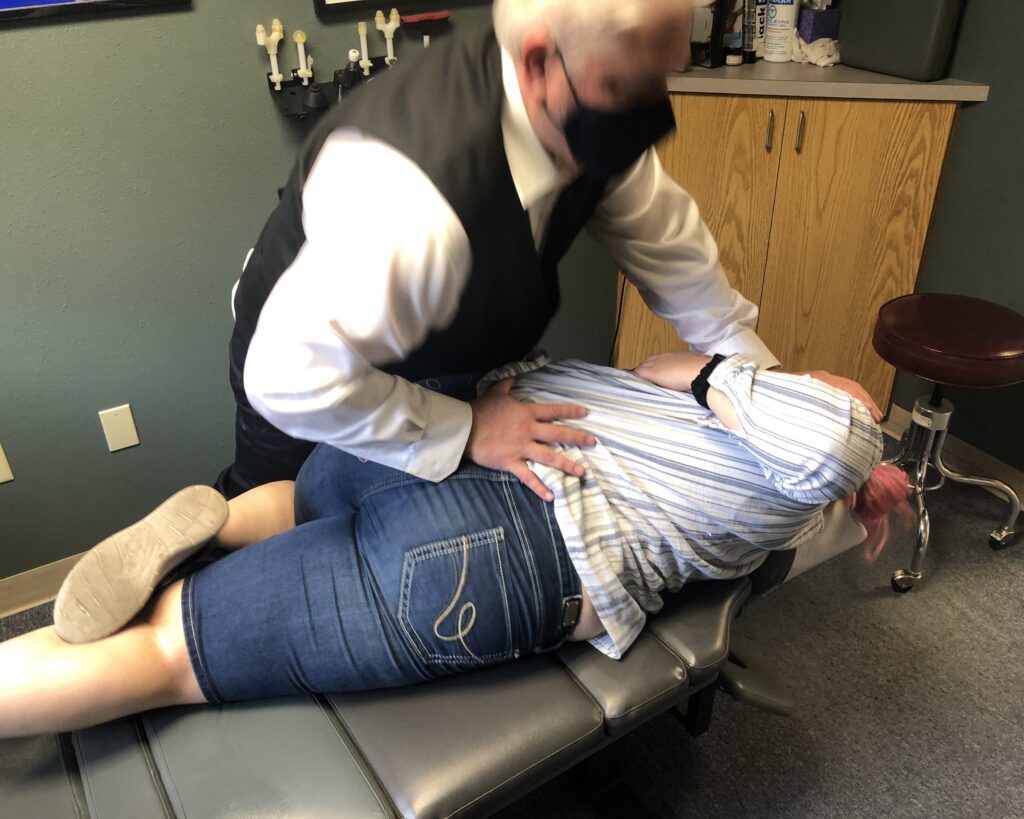

As a chiropractor, I find it fascinating to delve into how ancient healing practices, such as Ayurveda and Traditional Chinese Medicine, have influenced the integration of therapy into holistic medicine. Over time, we've seen the limitations of conventional medicine and how they've prompted a shift towards treating the whole person—body, mind, and spirit. This transformation didn't happen overnight; it was shaped by pivotal figures and philosophies that expanded our understanding of health.
For instance, the idea that health is more than just the absence of disease has roots in these ancient practices, and it's a principle that guides chiropractic care today. We focus on balancing the body's systems and enhancing overall well-being, rather than just addressing symptoms.
I encourage you to consider the pivotal moments and concepts that have driven this evolution and how they continue to influence modern approaches, including chiropractic care. By understanding this history, you can appreciate how holistic methods can complement your health journey.
Ancient Healing Practices
As a local chiropractor, I want to share how ancient healing practices have deeply influenced not just holistic medicine, but also the way we approach care in our office. Many people may not realize that modern chiropractic techniques draw inspiration from these time-honored traditions. Across different cultures, whether it's Ayurveda in India or Traditional Chinese Medicine, the belief in the interconnectedness of body, mind, and spirit has always been a cornerstone of health.
In my practice, I emphasize treating the whole person rather than just focusing on isolated symptoms. For example, in Ayurveda, maintaining a balance within the body's energies, called doshas, is critical for overall wellbeing. Here, we consider not only your physical discomfort but also your emotional and spiritual health, guiding you towards a more harmonious life.
Similarly, in Traditional Chinese Medicine, concepts like Qi (life force) and the balance of yin and yang encourage us to view wellness as a complex interplay of various factors rather than a straightforward issue of sickness versus health.
When you explore the methods we use, such as spinal adjustments, soft tissue therapies, and lifestyle recommendations, you'll see parallels with ancient practices like herbal remedies and meditation. These approaches remind us that healing extends beyond just treatments; it's about fostering a connection with your body and understanding its signals.
The Rise of Holistic Medicine
As a local chiropractor, I want to share with you the rising interest in holistic medicine and how it relates to your journey toward better health and wellness. More and more people are recognizing the value of an integrative approach to healthcare, which goes beyond conventional treatments and focuses on the whole person—mind, body, and spirit.
Here are some key factors that may resonate with your own experiences and desires for a more personalized healthcare approach:
- Increased Awareness: You might be becoming more informed about the limitations of traditional medicine and the benefits of treating the entire person. Chiropractic care emphasizes the importance of spinal health and how it impacts overall well-being.
- Chronic Disease Prevalence: With chronic conditions becoming more common, you may be looking for sustainable solutions that provide more than just symptom relief. Chiropractic care aims to address the root causes of discomfort and promote long-term health.
- Mental Health Focus: The growing awareness of mental health issues encourages you to consider emotional and psychological well-being as essential components of your overall health. Chiropractic adjustments can help relieve tension and stress, contributing to a more balanced emotional state.
- Natural Remedies: You may find yourself drawn to natural treatments and therapies that align with your values. Chiropractic care is a drug-free, non-invasive option that focuses on your body's innate ability to heal itself.
- Cultural Shifts: As our society embraces diverse healing traditions, you might feel more open to exploring various modalities. Chiropractic care integrates well with other holistic practices, providing a comprehensive approach to health.
As you learn more about chiropractic care, you'll discover that it's not just about alleviating pain; it's about fostering wellness and balance in every aspect of your life.
This holistic perspective empowers you to take charge of your health, encouraging a proactive approach that prioritizes prevention and overall well-being. Embracing chiropractic practices can lead you toward a deeper understanding of what it truly means to be healthy.
Key Philosophical Foundations
As a local chiropractor, I want to take a moment to share some key philosophical foundations that guide my practice and the principles of chiropractic care. At the core of what we do is a deep belief in the body's innate ability to heal itself. This understanding highlights the importance of maintaining a balanced nervous system, which is crucial for your overall health and well-being.
Chiropractic care emphasizes a holistic approach, recognizing that our physical, emotional, and social lives are all interconnected. I encourage you to think of health not just as the absence of pain, but as a dynamic state influenced by your lifestyle choices, the environment around you, and your mental attitude. This perspective allows us to go beyond merely treating symptoms; we aim to uncover and address the underlying causes of your health concerns.
Another fundamental principle of chiropractic philosophy is vitalism. This concept suggests that there's a vital force or energy within your body that promotes healing and wellness. My goal is to support and enhance this natural healing process instead of interfering with it, helping your body function at its best.
Additionally, the philosophy of subluxation is crucial in our approach. Subluxations are misalignments in the spine that can disrupt the flow of nerve signals and lead to various health issues. By correcting these subluxations, we work together to restore proper function, allowing your body to harness its innate ability to heal itself.
I invite you to explore chiropractic care as a means to enhance your well-being and embrace a holistic approach to your health.
Influential Figures in Therapy
As a local chiropractor, I want to share how various influential figures in the field of therapy have shaped our understanding of healing, particularly in relation to chiropractic care and holistic well-being.
These pioneers have paved the way for modern approaches that consider not just the mind, but also the body and spirit in the healing process.
Here are a few key figures whose insights resonate with the principles of chiropractic care:
- Carl Rogers: His emphasis on empathy and unconditional positive regard aligns with how we approach patient care, ensuring that each individual feels heard and valued during their healing journey.
- Sigmund Freud: While primarily known for psychoanalysis, his focus on the unconscious mind reminds us that emotional and psychological factors can significantly influence physical health and wellness.
- Aaron Beck: His work in cognitive therapy underscores the importance of reframing negative thought patterns, which can be crucial for patients dealing with chronic pain and stress, as a positive mindset can enhance recovery.
- Marsha Linehan: By creating Dialectical Behavior Therapy, she integrates mindfulness techniques, which we also incorporate in chiropractic care to help patients manage pain and promote overall wellness.
- Bessel van der Kolk: His focus on trauma and its effects highlights the importance of addressing not just physical symptoms but also emotional and psychological aspects of health, which is central to chiropractic philosophy.
By understanding these influential figures and their contributions, we can appreciate how chiropractic care fits into a broader spectrum of natural healing and wellness.
We aim to support your journey towards holistic health, considering every facet of your being.
Integrative Approaches in the 20th Century
In the 20th century, we witnessed a remarkable shift in how people perceive health and wellness, particularly with the emergence of holistic practices. As a chiropractor, I want to emphasize the importance of understanding this evolution.
Pioneering therapists introduced innovative techniques that not only focused on symptoms but also aimed to address the whole person—mind, body, and spirit.
With the growing popularity of complementary medicine, it became evident that integrating different approaches could significantly enhance the healing process. Chiropractic care, in particular, plays a vital role in this integration. It emphasizes the importance of spinal health and its connection to the nervous system, which can impact your overall well-being.
By combining chiropractic adjustments with other natural healing methods, we can foster a more comprehensive approach to health. This isn't just about alleviating pain; it's about promoting a balanced lifestyle that encourages your body's innate ability to heal itself.
I invite you to explore these integrative approaches with me, as we work together to enhance your health and wellness journey.
Rise of Holistic Practices
As a local chiropractor, I've seen firsthand how holistic practices have gained momentum over the years. In the 20th century, more and more individuals began to recognize the importance of a comprehensive approach to health and wellness. It's not just about alleviating symptoms but rather understanding and nurturing the whole person—mind, body, and spirit.
This shift has paved the way for a range of practices that emphasize a more integrated view of health.
Several key factors have fueled this rise in holistic approaches, and I'd like to share them with you:
- Awareness of the Mind-Body Connection: More people are recognizing how mental and physical health are intertwined. Stress and emotional well-being can significantly impact physical health, and chiropractic care plays a vital role in addressing these connections.
- Alternative Therapies on the Rise: Practices like acupuncture, yoga, and meditation have gained popularity, complementing chiropractic care by promoting overall wellness and balance.
- Natural Remedies: There's a growing interest in using natural remedies, including adjustments to diet and lifestyle, which can enhance the effectiveness of chiropractic treatments and promote healing.
- Cultural Exchange: Eastern philosophies have influenced Western approaches, encouraging a more holistic view of health that aligns with what we practice in chiropractic care.
- Empowerment of Patients: Today, more individuals are taking charge of their health. Chiropractic care encourages this empowerment by providing patients with the tools and knowledge they need to make informed decisions about their well-being.
This blend of factors has transformed the healthcare landscape, inviting you to explore options that prioritize your overall well-being.
As you delve into holistic practices, you may find that they resonate with a balanced approach to health, focusing not only on healing but also on prevention.
I'm here to guide you on this journey, helping you discover how chiropractic care can be an integral part of your holistic health experience.
Pioneering Therapists and Techniques
As you begin to understand the journey of holistic medicine, it's important to highlight some of the pioneering therapists and techniques that have significantly influenced integrative approaches, especially in chiropractic care.
One notable figure is Dr. Andrew Weil, who emphasized the importance of blending traditional healing practices with modern scientific insights. His work illustrates how the mind and body work together in the healing process, which is a fundamental concept in chiropractic care.
Another influential contributor is Dr. Herbert Benson, who introduced the idea of the relaxation response. His integration of mindfulness and stress reduction techniques into healthcare has inspired many practitioners, including chiropractors, to incorporate these practices into their treatment plans for better patient outcomes.
Additionally, the contributions of methods like homeopathy and acupuncture have been pivotal. Pioneers like Dr. Samuel Hahnemann and acupuncturists such as Dr. Richard Tan have demonstrated that ancient healing techniques can effectively complement conventional medical practices. This is similar to how chiropractic care seeks to address the root causes of discomfort and promote overall wellness.
These trailblazers and their techniques have challenged traditional healthcare models, advocating for a more holistic understanding of health. Their efforts have helped pave the way for a more integrated approach to wellness, one that values the connection between physical, emotional, and spiritual health—a principle that's central to chiropractic care.
Embracing these ideas can lead to a healthier, more balanced life.
Popularity of Complementary Medicine
The rise of complementary medicine, particularly chiropractic care, over the last century has significantly transformed the healthcare landscape. More and more individuals are embracing integrative approaches to wellness, recognizing the benefits of therapies that work alongside conventional medicine.
As a chiropractor, I've seen firsthand how this shift is driven by a desire for holistic care that nurtures the entire person—mind, body, and spirit.
Let me share some reasons why chiropractic care and other complementary therapies have gained popularity:
- Increased Awareness: With more information available about various therapies, you can now explore options beyond traditional treatments, including chiropractic adjustments that promote overall health.
- Patient Empowerment: Many people are taking charge of their health and seeking out therapies that align with their personal beliefs and values. Chiropractic care puts you in control and encourages active participation in your wellness journey.
- Dissatisfaction with Conventional Medicine: Some individuals have experienced frustration with conventional treatments, leading them to look for alternatives that offer a more personalized and effective approach to healing, such as chiropractic care.
- Scientific Research: As more studies validate the effectiveness of chiropractic and other complementary therapies, confidence in these approaches continues to grow, making them a credible option for many seeking relief from pain and discomfort.
- Cultural Shifts: Changing societal attitudes towards health and wellness inspire you to consider a variety of healing modalities, including the benefits of chiropractic care as a natural and non-invasive option.
This evolving landscape of healthcare is creating a more inclusive environment for healing, and I'm here to guide you in understanding how chiropractic care can be an integral part of your wellness journey.
Together, we can explore how natural healing can enhance your overall quality of life.
Modern Developments and Trends
As a local chiropractor, I want to share some insights into the exciting advancements in holistic medicine and how they relate to your health. In recent years, we've seen a remarkable shift towards recognizing the importance of the interconnectedness of the body, mind, and spirit. Many healthcare professionals are now adopting a multidisciplinary approach, which combines traditional medical practices with various therapies, including chiropractic care, acupuncture, mindfulness, and cognitive behavioral therapy.
This transformation is largely driven by a growing demand for patient-centered care that prioritizes not just physical health, but also mental and emotional well-being. At our clinic, we aim to provide integrated treatment plans that involve collaboration among healthcare providers, including chiropractors, psychologists, nutritionists, and other alternative medicine practitioners. This team approach ensures we thoroughly understand your needs and create a supportive environment for your healing journey.
With the rise of telehealth, accessing chiropractic care and other therapies has become even easier. You can engage with healthcare professionals from the comfort of your own home, making it more convenient to prioritize your health.
Research continues to support the benefits of holistic approaches to health. Studies show that practices such as chiropractic adjustments, yoga, and meditation can significantly reduce stress and improve overall health outcomes.
We're also seeing a trend towards personalized medicine, where treatments are tailored to your specific preferences and conditions. This customization promotes greater engagement and satisfaction in your healthcare experience.
As you learn more about these developments, you may also discover innovative training programs for healthcare professionals that bridge the gap between conventional and holistic practices. The landscape of holistic medicine is evolving, and it's all about recognizing the importance of nurturing every aspect of your well-being.
As your chiropractor, I'm here to help guide you through this journey towards better health and a more balanced life.
The Future of Holistic Integration
As a local chiropractor, I want to share how the integration of holistic practices in healthcare can truly transform your approach to wellness.
As we move forward, you'll notice that combining conventional medicine with natural healing methods, like chiropractic care, can greatly enhance your overall health experience. This evolution encourages a deeper understanding of your well-being, emphasizing the connection between your mind, body, and spirit.
Here are several key trends that you can expect to see in the future of holistic integration:
- Personalized Treatment Plans: We'll focus on creating tailored therapies that fit your unique needs and preferences, ensuring that you receive care that resonates with you.
- Interdisciplinary Collaboration: I'll work alongside other healthcare professionals to ensure you receive comprehensive care, addressing all aspects of your health.
- Technology Integration: With the help of wearable devices and health apps, you'll be able to monitor your wellness journey, empowering you to make informed decisions about your health.
- Increased Accessibility: Holistic therapies, including chiropractic care, will become more widely available, allowing you to explore alternative treatments alongside traditional options.
- Focus on Prevention: We'll emphasize preventive care, helping you take proactive steps to maintain your health before issues arise.
As you engage with these holistic approaches, I believe you'll feel more empowered and involved in your health decisions.
The future of holistic integration won't only enhance your treatment options but also foster a stronger connection between you and your healthcare providers.
Conclusion
As a chiropractor, I want to emphasize the importance of integrating therapy into holistic medicine—a practice that has a profound history rooted in the belief that our body, mind, and spirit are all interconnected. When you begin to explore these ancient wisdoms alongside modern advancements, you'll discover how various influential figures and evolving philosophies have contributed to a more comprehensive approach to healthcare.
In our chiropractic practice, we focus on more than just alleviating symptoms. We aim to nurture your overall well-being, addressing the root causes of discomfort and promoting balance in your life. By adopting this holistic perspective, you're not only investing in your health today but also paving the way for a healthier, more balanced future for yourself and your loved ones. Let's work together to unlock your body's natural healing potential!