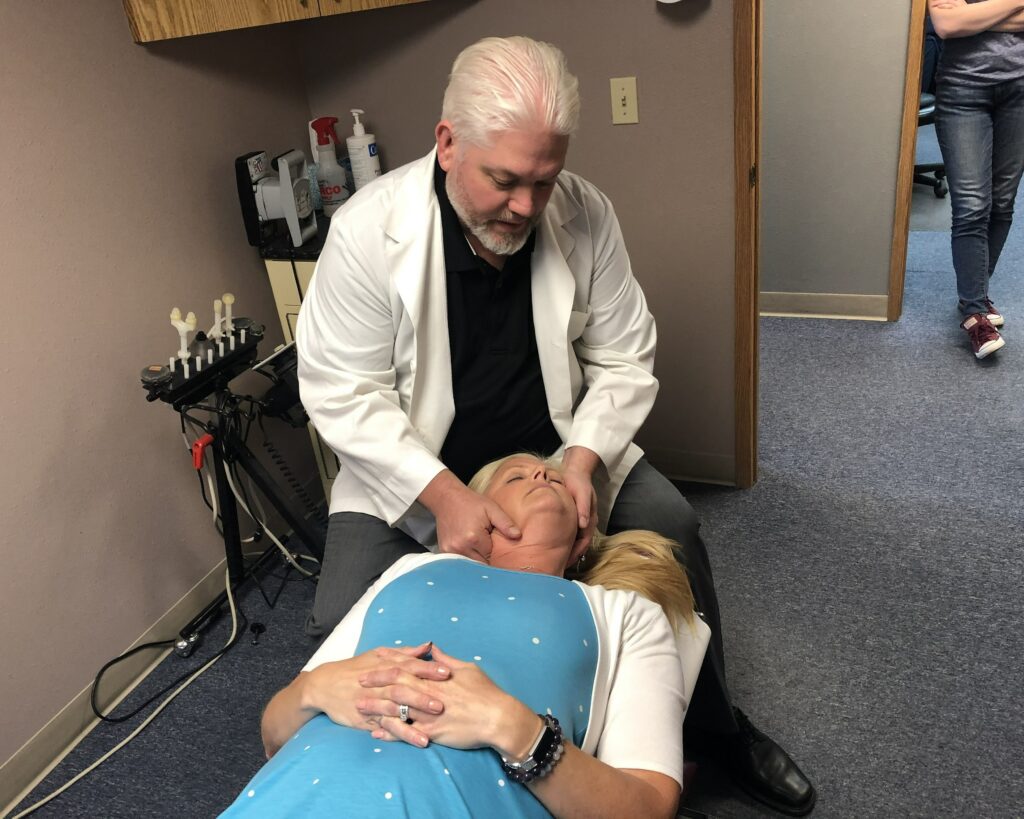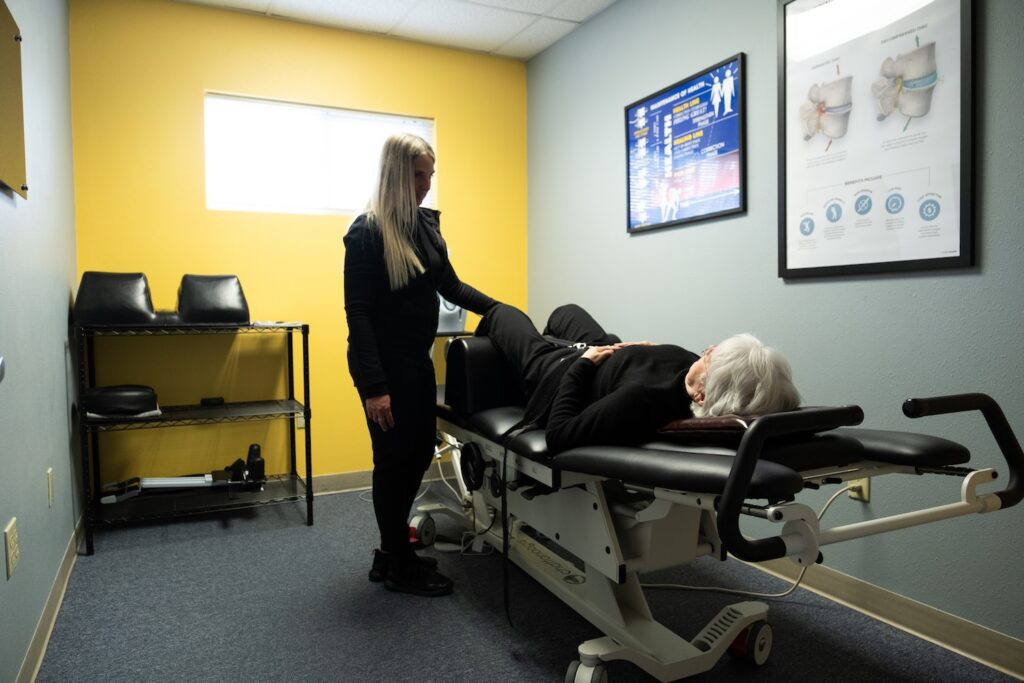

When it comes to managing back pain, you might find that a one-size-fits-all approach just doesn't cut it. Personalized plans address your unique triggers and needs, making a significant impact on your recovery journey. By identifying specific factors contributing to your discomfort, these tailored strategies can empower you to engage in effective exercises and therapies. But what exactly does a successful personalized plan entail, and how can it transform your experience with back pain? Exploring these elements could lead you to a more effective path to relief.
Understanding Back Pain Causes
Back pain can stem from a variety of causes, making it essential to understand what's behind your discomfort. You might find that your pain arises from muscle strains, which can happen due to lifting heavy objects or poor posture. If you've been sitting for long hours without proper support, your back muscles can become fatigued and tight, leading to pain.
Another common cause is herniated discs, where the cushioning between your vertebrae slips out of place, putting pressure on nearby nerves. This can result in sharp pain, numbness, or tingling that radiates down your legs.
You might also experience back pain from conditions like arthritis, which causes inflammation in your joints, or sciatica, where the sciatic nerve gets compressed, leading to debilitating pain.
In some cases, back pain can also result from more serious underlying medical issues, such as infections or tumors, although these are less common. Psychological factors like stress and anxiety can also contribute to muscle tension, making your pain feel worse.
Finally, your lifestyle choices play a role too. Lack of exercise, poor nutrition, and obesity can all put extra strain on your back.
Understanding these various causes helps you pinpoint what might be triggering your pain, guiding you toward the right approach for relief. By identifying the specific factors at play, you're better equipped to tackle the issue head-on and find effective solutions.
Benefits of Personalized Treatment
Tailoring your treatment for back pain can greatly enhance your recovery experience. When you choose a personalized plan, you're not just following a one-size-fits-all approach; you're addressing your unique needs and circumstances. This focused attention often leads to faster relief and a more effective recovery process.
One major benefit of personalized treatment is that it allows for an extensive understanding of your specific pain triggers. By identifying what exacerbates your discomfort, you can avoid certain activities or movements that might worsen your condition. This proactive approach empowers you to take control of your healing.
Another advantage is the ability to integrate various therapies that suit you best. Whether it's physical therapy, chiropractic care, or alternative treatments, a personalized plan can include the methods that resonate with you. This enhances your motivation to stick with the plan, leading to better outcomes.
Additionally, personalized treatment considers your lifestyle and preferences, making it easier to adhere to the regimen. You're more likely to commit to exercises or activities that you enjoy, which can considerably improve your overall well-being.
Finally, personalized plans often involve regular check-ins with your healthcare provider. This ongoing communication guarantees that your treatment evolves based on your progress, making sure that you're always on the right path.
Ultimately, a tailored approach not only alleviates back pain but also promotes a healthier, more active lifestyle, giving you the tools needed for long-term relief.
Components of a Personalized Plan
Creating a personalized plan for back pain starts with individual assessment techniques to understand your unique situation.
From there, you'll follow tailored exercise regimens designed specifically for your needs.
Finally, ongoing progress monitoring guarantees you're on the right track and can adjust your plan as needed.
Individual Assessment Techniques
When addressing back pain, it's important to conduct a thorough individual assessment to identify specific factors contributing to your discomfort. This process often begins with a detailed medical history. You'll discuss any previous injuries, chronic conditions, or lifestyle choices that might play a role in your pain.
Next, a physical examination can help pinpoint areas of tension or weakness in your back and surrounding muscles. Your healthcare provider may assess your range of motion, strength, and posture. Don't hesitate to express any concerns during this evaluation, as your feedback is vital.
In addition, diagnostic imaging, like X-rays or MRIs, can provide deeper insights into structural issues affecting your spine. These images help identify problems such as herniated discs or spinal stenosis, guiding your treatment plan.
Finally, understanding your daily activities and stress levels is important. You might keep a journal to track when your pain worsens or improves, revealing patterns that can inform your personalized plan.
Tailored Exercise Regimens
Incorporating a tailored exercise regimen is essential for managing back pain effectively. When you engage in personalized exercises designed specifically for your needs, you're more likely to strengthen the muscles supporting your spine and improve your overall mobility. A customized routine considers your unique condition, fitness level, and pain triggers, ensuring that you're not exacerbating your discomfort.
Start by focusing on low-impact activities that promote gentle stretching and strengthening. Exercises like yoga, swimming, and specific core-strengthening moves can help alleviate pain while enhancing flexibility. A physical therapist or fitness professional can guide you in selecting the right exercises, ensuring they align with your goals and limitations.
As you progress, it's vital to gradually increase the intensity and complexity of your workouts. This progression helps build endurance and strength without risking injury. Remember to listen to your body—if something doesn't feel right, modify or skip that movement.
Incorporating a balanced mix of aerobic, strength, and flexibility exercises will create a well-rounded regimen that directly targets your back pain while promoting overall health.
With consistency and commitment, you can experience significant relief and improved quality of life.
Ongoing Progress Monitoring
Monitoring your progress is essential for ensuring that your personalized back pain management plan remains effective. Regular assessments help you track improvements and adjust your strategy as needed.
Here are four key components of ongoing progress monitoring:
- Pain Journaling: Keep a daily log of your pain levels, activities, and any treatments. This helps you and your healthcare provider identify patterns and triggers.
- Physical Assessments: Schedule regular check-ins with your therapist or doctor. They can evaluate your range of motion, strength, and posture, providing valuable feedback on your progress.
- Goal Setting: Establish short-term and long-term goals. These objectives will keep you motivated and give you a clear direction. Adjust them as you progress to reflect your evolving needs.
- Feedback Loops: Communicate openly with your healthcare team. Share your experiences, concerns, and any changes in your condition. Their insights can guide necessary adjustments to your plan.
Case Studies and Success Stories
Let's explore some real-life recovery experiences that highlight the effectiveness of tailored treatment approaches for back pain.
You'll see how specific strategies have led to significant success metrics and positive outcomes for individuals just like you.
These stories not only inspire but also provide valuable insights into what might work for your situation.
Tailored Treatment Approaches
Many individuals suffering from back pain have found relief through personalized treatment plans that cater to their unique needs.
Tailored treatment approaches not only address the specific causes of pain but also consider your lifestyle, preferences, and goals. Here are some key elements that have contributed to successful outcomes:
- Comprehensive Assessments: Practitioners perform detailed evaluations, including physical exams and imaging studies, to pinpoint the exact source of your discomfort.
- Customized Exercise Regimens: Personalized exercise plans focus on strengthening weak areas, improving flexibility, and promoting overall spinal health, ensuring you engage in safe and effective movements.
- Targeted Pain Management: Treatments can include a mix of physical therapy, acupuncture, and medication tailored to your pain level and response, providing a multifaceted approach to relief.
- Ongoing Support and Adjustments: Regular follow-ups allow your healthcare provider to modify your plan based on progress, ensuring you're always on the right track to recovery.
Real-Life Recovery Experiences
Personalized treatment plans have proven effective for countless individuals battling back pain, and real-life recovery experiences highlight their impact.
Take Sarah, for instance. After struggling with chronic pain for years, she found relief through a customized regimen that combined physical therapy and mindfulness practices. Within weeks, she noticed significant improvements, allowing her to return to her favorite activities.
Then there's Mark, an avid golfer who faced debilitating discomfort every time he swung a club. His tailored plan focused on strengthening core muscles and improving flexibility. With consistent effort, he not only reduced his pain but also improved his game, experiencing newfound joy on the course.
You might also relate to Jason, who had a desk job that exacerbated his back issues. His personalized approach included ergonomic adjustments at work and regular stretching exercises. As a result, he regained mobility and felt more energized throughout the day.
These stories demonstrate how individualized plans can transform lives. By addressing your unique needs and challenges, you can pave your path toward recovery and enjoy a better quality of life.
Success Metrics and Outcomes
While some individuals might doubt the effectiveness of personalized treatment plans for back pain, numerous case studies reveal significant success metrics and outcomes.
When tailored specifically to your needs, these plans often lead to remarkable improvements in both physical and emotional well-being.
Here are four compelling success metrics from real-life cases:
- Pain Reduction: Many patients report a decrease in pain levels by 50% or more within the first few weeks of starting their personalized plan.
- Increased Mobility: Individuals often experience a marked improvement in their range of motion, allowing them to return to daily activities that were once difficult or impossible.
- Enhanced Quality of Life: Beyond physical relief, many patients note enhanced emotional health, with reduced anxiety and depression related to chronic pain.
- Sustained Results: Follow-up studies show that most patients maintain their improvements over six months to a year, demonstrating the long-term effectiveness of personalized treatment.
Lifestyle Changes for Pain Relief
When it comes to alleviating back pain, simple lifestyle changes can make a significant difference. You don't have to overhaul your entire routine; small adjustments can lead to major improvements.
Start by evaluating your posture. Whether you're sitting at a desk or standing in line, maintaining proper alignment can relieve pressure on your spine. Remember to take breaks and stretch regularly, especially if you're in a sedentary job.
Incorporating regular physical activity is another vital change. Aim for at least 30 minutes of moderate exercise most days of the week. Activities like walking, swimming, or yoga can strengthen your core muscles, providing better support for your back. If you're unsure where to start, consider consulting a fitness professional who can guide you based on your specific needs.
Next, pay attention to your sleep habits. Verify you're using a supportive mattress and pillow, which can help maintain your spine's natural curvature during sleep. Establish a consistent sleep routine, aiming for at least 7-9 hours of restful sleep each night.
Lastly, evaluate your nutrition. A balanced diet rich in anti-inflammatory foods can help reduce pain. Focus on incorporating fruits, vegetables, whole grains, and healthy fats into your meals.
Staying hydrated is also essential, as it helps maintain the elasticity of your spinal discs.
Long-Term Strategies for Wellness
To sustain your back health over the long haul, it's crucial to build a thorough wellness plan that fits seamlessly into your lifestyle. This isn't just about managing pain; it's about preventing it and enhancing your overall wellness.
Here are four strategies you can incorporate into your daily routine to promote a healthier back:
- Regular Exercise: Strengthening your core muscles is important for supporting your back. Engage in low-impact activities like swimming, walking, or yoga at least three times a week.
- Posture Awareness: Pay attention to your posture throughout the day. Whether you're sitting at a desk or lifting objects, practicing proper alignment can greatly reduce strain on your back.
- Ergonomic Adjustments: Invest in ergonomic furniture and tools. A good chair, desk, and even keyboard can make a world of difference in how your back feels while you work or relax.
- Mindfulness and Stress Management: Stress can lead to muscle tension, which exacerbates back pain. Incorporate mindfulness practices such as meditation or deep-breathing exercises into your routine to help manage stress levels.
Conclusion
Incorporating personalized treatment plans can greatly relieve your back pain. By understanding your unique triggers and needs, you can engage in tailored exercises and therapies that truly work for you. As you progress, regular follow-ups guarantee your plan adapts to your improvements, keeping you motivated. Embracing lifestyle changes and long-term wellness strategies will further enhance your quality of life. Take charge of your recovery journey, and experience the relief you deserve!