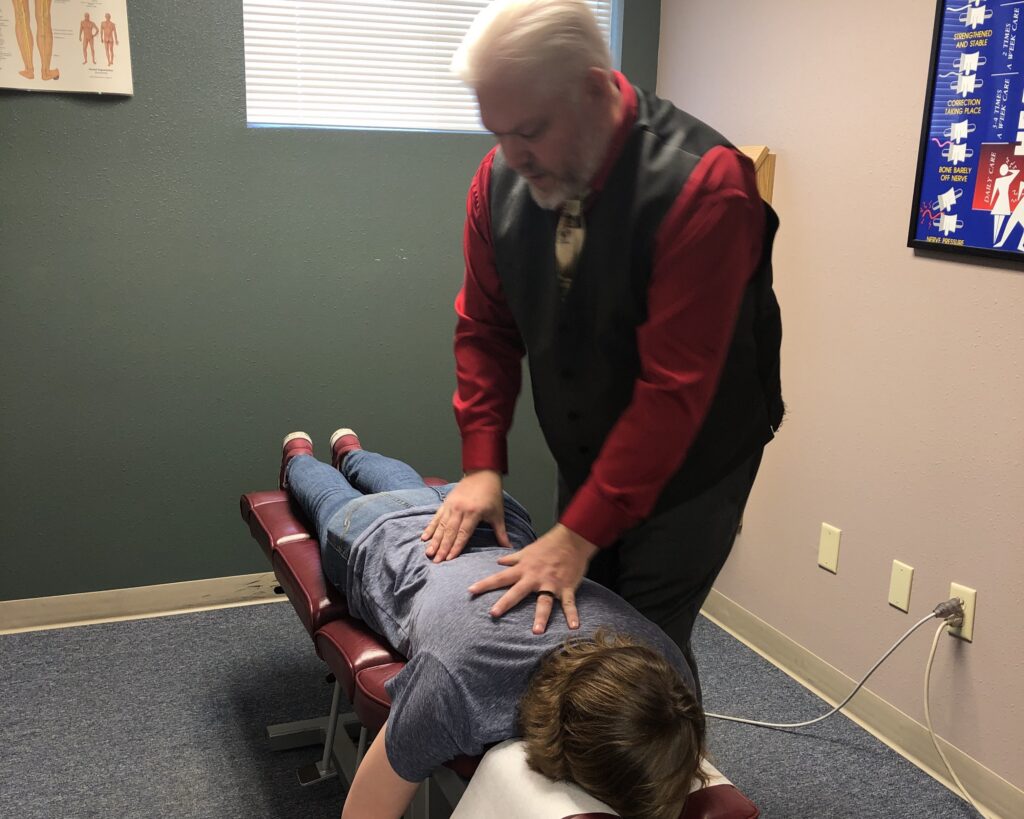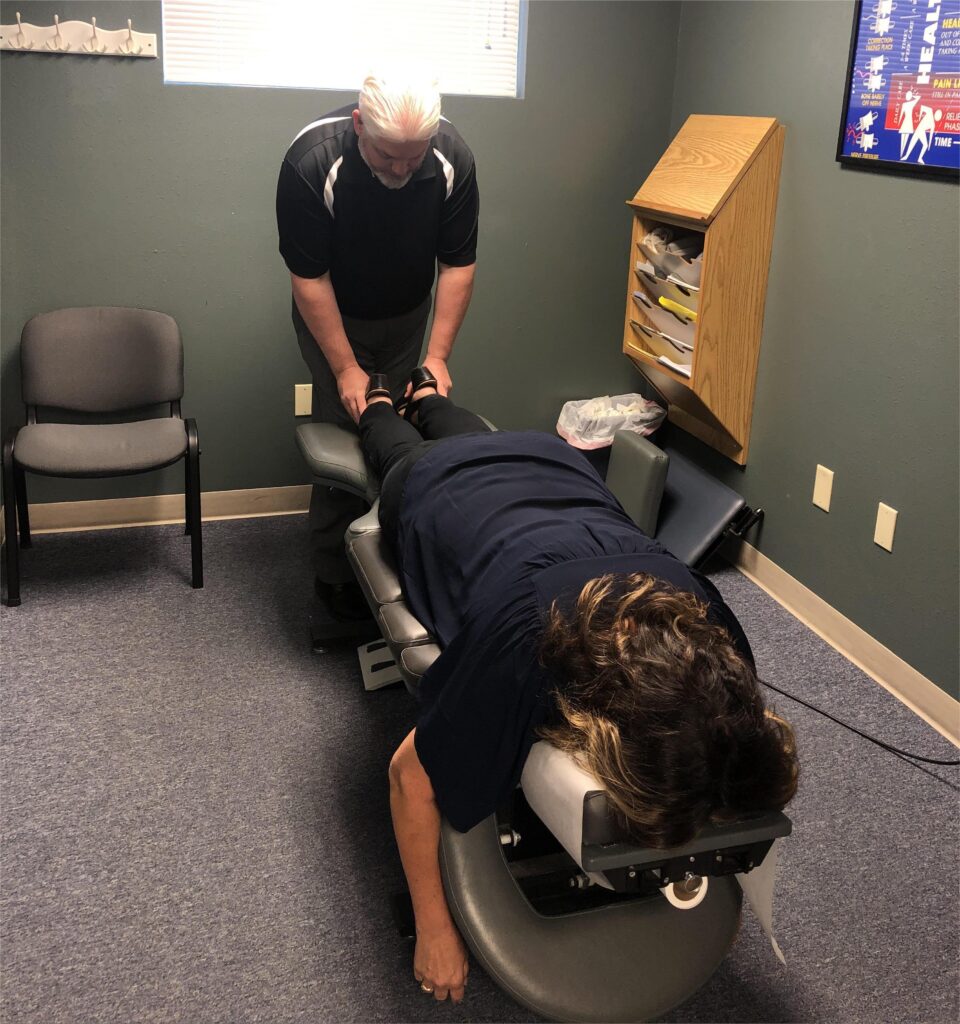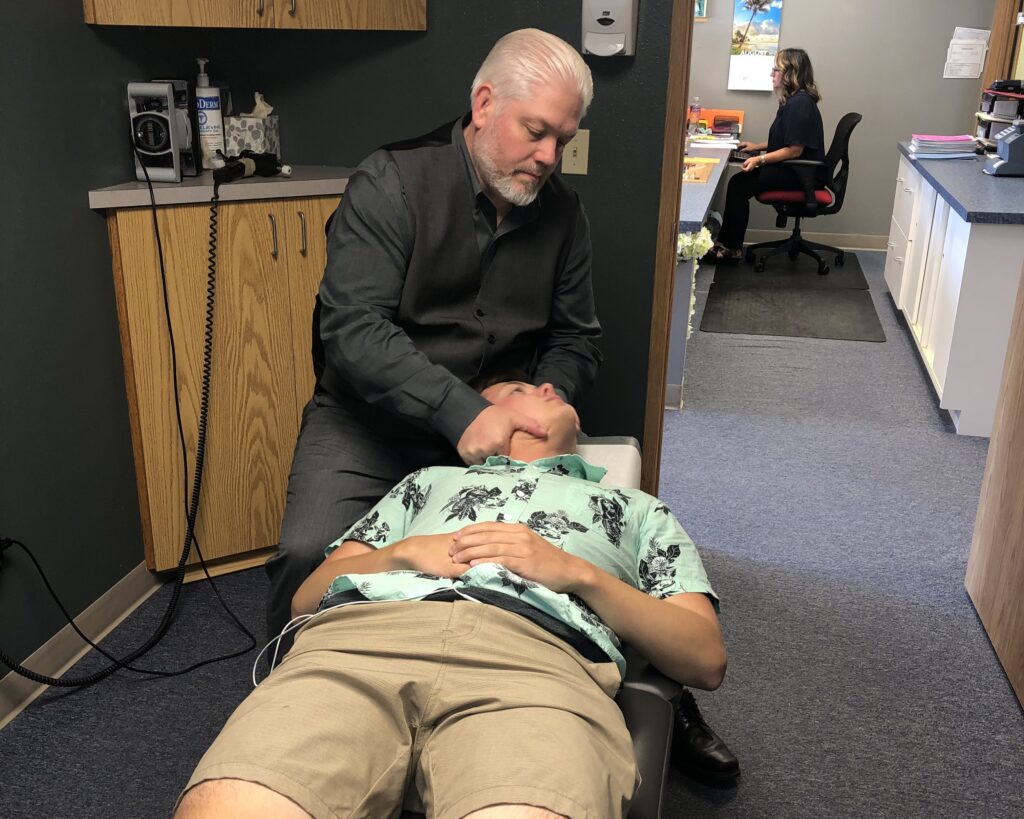

As a local chiropractor, I want to emphasize the importance of understanding the long-term outcomes when it comes to managing back pain. A comprehensive approach tailored to your individual needs can significantly improve your recovery journey. Chiropractic care, in conjunction with physical therapy, proper medication, and healthy lifestyle changes, can play a pivotal role in your healing process.
However, the path to wellness doesn’t stop there. It’s crucial to consider additional factors that can enhance your recovery and help you maintain a pain-free life. These may include regular chiropractic adjustments, ergonomic assessments of your work and home environments, and ongoing education about body mechanics. By embracing a holistic approach to your back pain management, you can pave the way for lasting relief and improved overall well-being.
Understanding Back Pain: Causes and Types
As a local chiropractor, I want to help you understand back pain, its causes, and the different types so that you can manage it effectively. Back pain can arise from a variety of factors, such as muscle strain, injuries, or underlying conditions like herniated discs and arthritis. Identifying the source of your pain is crucial, as it allows us to address the issue with appropriate chiropractic care and natural healing methods.
There are two primary types of back pain that I often encounter: acute and chronic. Acute pain typically lasts less than three months and usually follows a specific incident, like lifting a heavy object improperly. Chronic pain, however, lingers for three months or longer and may not have an obvious cause. Understanding which type of pain you’re experiencing can significantly influence your treatment plan.
Moreover, it’s important to recognize whether your pain is localized or radiating. Localized pain is confined to one area, while radiating pain can extend into other parts of your body, which may indicate nerve involvement. By understanding these distinctions, you’ll be better prepared to seek the right treatment and make informed choices on your path to recovery.
In our practice, we focus on natural healing techniques, including spinal adjustments, to help alleviate your back pain and restore your overall well-being.
The Role of Physical Therapy in Recovery
Managing back pain can be daunting, but incorporating chiropractic care into your recovery plan can lead to remarkable improvements. As a local chiropractor, I want to share how our approach can help you regain mobility and strength naturally.
Here’s how chiropractic care benefits you:
- Pain Relief: Through spinal adjustments and targeted therapies, we work to alleviate pain and reduce inflammation, addressing the source of your discomfort.
- Strengthening: Our tailored exercises focus on strengthening your core and back muscles, providing better support for your spine and enhancing your overall stability.
- Improved Flexibility: We incorporate stretching routines to enhance your flexibility, which is essential for smooth movement and reducing stiffness in your back.
- Education: I prioritize educating my patients about proper posture and body mechanics, equipping you with the knowledge to prevent future injuries and maintain your well-being.
Medication Options for Managing Pain
As a chiropractor, I understand that many people prefer natural methods for managing back pain. While chiropractic care focuses on holistic approaches to healing, it’s important to recognize that medication can also play a role in providing relief and supporting your recovery journey.
Over-the-counter options like acetaminophen and nonsteroidal anti-inflammatory drugs (NSAIDs) can be effective at reducing pain and inflammation. However, if these methods don’t alleviate your discomfort, it may be worth discussing with your doctor the possibility of stronger medications, such as muscle relaxants or opioids, which are typically recommended for short-term use.
Additionally, topical treatments like creams or patches can offer targeted relief by applying them directly to the painful area. It’s crucial to follow your healthcare provider’s instructions regarding any medication, as improper use can lead to unwanted side effects or dependency.
While medication can provide immediate relief, I encourage you to view it as just one aspect of a comprehensive approach to managing back pain. Chiropractic care, along with lifestyle adjustments, exercises, and other natural therapies, can promote long-term healing and well-being.
Always keep an open line of communication with your healthcare team about your pain levels and the effectiveness of any treatments, so we can work together to adjust your plan and ensure the best possible outcomes for your health.
The Importance of Lifestyle Changes
As a local chiropractor, I want to emphasize how vital lifestyle changes can be in managing your back pain.
By incorporating regular exercise and making nutritious food choices, you can significantly strengthen your body and enhance your overall well-being.
These adjustments aren’t just about alleviating pain; they can profoundly improve your quality of life.
Embracing these changes can complement the chiropractic care I provide and support your journey toward natural healing.
Together, we can create a holistic approach to your health that empowers you to live pain-free.
Exercise and Physical Activity
As a local chiropractor dedicated to your well-being, I want to emphasize the importance of incorporating exercise and physical activity into your daily routine, especially when it comes to managing back pain.
Regular movement isn’t just about staying fit; it plays a crucial role in strengthening your body, enhancing flexibility, and improving your posture—all of which are vital for spinal health.
Here are four key benefits of exercise that I encourage you to consider:
- Strengthening: Focusing on your core and back muscles provides essential support to your spine, helping to prevent further injury and alleviate pain.
- Flexibility: Engaging in stretching exercises can help maintain your range of motion and alleviate stiffness, making daily activities easier and more comfortable.
- Endurance: Participating in aerobic activities boosts blood flow throughout your body, which aids in the healing process and can significantly reduce pain over time.
- Mental Health: Exercise is a natural stress-reliever. It releases endorphins that help alleviate stress and anxiety often associated with chronic pain, promoting a more positive outlook on your recovery journey.
Incorporating these elements into your life not only supports your physical health but also enhances your overall quality of life.
As your chiropractor, I’m here to help guide you through this process and create a personalized plan that fits your needs.
Nutrition and Diet Choices
As a local chiropractor, I want to emphasize that just as exercise is vital for managing back pain, your nutrition and diet choices play a significant role in your recovery and overall health.
A balanced diet, particularly one rich in anti-inflammatory foods, can aid in reducing pain and promoting healing. I recommend incorporating a variety of fruits, vegetables, whole grains, lean proteins, and healthy fats into your meals.
Hydration is also crucial; water helps maintain the health of your spinal discs, which is essential for overall spinal function.
It’s important to steer clear of processed foods, excessive sugar, and unhealthy fats, as these can lead to increased inflammation and weight gain, both of which can worsen back pain.
If you’re unsure where to start, consider consulting with a nutritionist who can provide personalized dietary advice.
By making these dietary adjustments, you can enhance your ability to manage back pain and improve your overall well-being.
Alternative Therapies: What Works?
As a local chiropractor, I want to share some insights about alternative therapies that can effectively relieve back pain. Many patients have found various approaches beneficial, depending on their unique circumstances.
Here are four therapies worth considering:
- Acupuncture: This ancient method involves the insertion of fine needles into specific points on the body. Many individuals experience enhanced pain relief and a deep sense of relaxation through this practice.
- Chiropractic Care: This is where I come in! Regular chiropractic adjustments can help realign your spine, reduce tension, and improve mobility. Many patients report significant improvements in their back pain after just a few sessions.
- Massage Therapy: Targeted massage can work wonders by relieving tight muscles and enhancing circulation. This can lead to a noticeable reduction in pain and discomfort.
- Yoga: Incorporating gentle stretching and strengthening poses into your routine can greatly improve flexibility and build core strength. This not only alleviates current pain but also helps prevent future issues.
While not every alternative therapy is a one-size-fits-all solution, exploring these options can lead you to the relief you’ve been searching for.
Psychological Factors in Back Pain Management
As your local chiropractor, I want to emphasize that while physical issues are often the focus when discussing back pain, the psychological aspects are just as important in managing your discomfort. Your thoughts, feelings, and stress can significantly affect how you experience and cope with pain.
For instance, if you frequently feel anxious or down, it might intensify your pain, making it more challenging for you to find relief.
In our practice, we recognize the value of addressing these psychological factors alongside physical treatment. Techniques like cognitive-behavioral therapy (CBT) and mindfulness can be beneficial in helping you manage the emotional aspects of pain.
By working on negative thought patterns, you can lighten the emotional load that comes with your discomfort.
Additionally, connecting with support groups or discussing your feelings with a therapist can equip you with effective coping strategies.
Remember, holistic healing involves not just addressing the physical symptoms but also nurturing your mental well-being.
Together, we can create a comprehensive approach to your back pain management that considers both body and mind.
The Impact of Surgery on Long-Term Outcomes
As a local chiropractor, it’s essential to help you understand how surgery for back pain can impact your long-term health and wellness.
While some individuals may find relief through surgical options, many don’t experience the benefits they hoped for.
Here are four important factors to consider when evaluating your choices:
1. Success Rate: Certain surgical procedures, such as discectomies, have shown positive outcomes for some patients.
However, the success of surgery can vary greatly from person to person, and it’s crucial to explore all available options.
2. Recovery Time: The recovery period following surgery can span from weeks to months, during which you may face limitations in your daily activities and overall quality of life.
Chiropractic care, on the other hand, often promotes quicker recovery and a return to normal function.
3. Complications: Surgery carries inherent risks, including the possibility of complications like infections or nerve damage.
These risks can potentially worsen your condition, whereas chiropractic adjustments focus on natural healing and minimizing further injury.
4. Post-Surgery Care: To achieve lasting relief after surgery, ongoing rehabilitation and lifestyle modifications are often necessary.
Chiropractic care can complement your recovery by addressing underlying issues and promoting overall wellness through a holistic approach.
Creating an Individualized Care Plan
As a local chiropractor, I want to emphasize the importance of creating a personalized care plan tailored specifically to your unique needs and circumstances.
This journey begins with a thorough evaluation of your health and lifestyle. Together, we’ll set achievable goals that not only align with your daily activities but also empower you to take charge of your wellness.
Regularly monitoring your progress is key to ensuring that your care plan remains effective and adaptable. As we work together, we’ll make necessary adjustments to enhance your healing journey.
Assessing Patient Needs
As a local chiropractor, I want to help you understand how we can effectively assess your needs to create a personalized care plan for managing back pain.
It’s important to recognize that each person’s situation is unique. Here are some key steps I take in my practice:
- Conduct a thorough medical history: I’ll ask you about the onset, duration, and nature of your back pain, as well as any previous treatments you may have tried. This information helps me understand your specific situation better.
- Evaluate physical function: We’ll assess how your pain impacts your daily activities and mobility. Understanding the limitations you face allows us to tailor your care plan to improve your quality of life.
- Identify psychosocial factors: I’ll consider how stress, anxiety, or depression may be affecting your pain experience. These emotional factors can play a significant role in your overall health and well-being.
- Discuss personal goals: I encourage you to share your goals for treatment. Whether it’s returning to work, participating in your favorite hobbies, or simply being able to enjoy daily activities without discomfort, knowing your objectives helps us work together effectively.
By taking these steps, we can create a comprehensive and individualized approach to your back pain management that aligns with your needs and goals.
Let’s work together to help you achieve a healthier, more active life!
Setting Realistic Goals
As your local chiropractor, I want to emphasize the importance of setting realistic goals for managing your back pain effectively.
It’s crucial to start by identifying what you aim to achieve through chiropractic care—whether that’s alleviating pain, enhancing mobility, or improving your overall quality of life.
To make these goals more attainable, we can break them down into smaller, manageable steps. For example, instead of trying to jump straight back into your pre-pain activities, we can set a specific level of activity for you to aim for each week.
This gradual approach allows your body to adapt and recover more effectively.
I encourage you to involve me in this goal-setting process. With my expertise in chiropractic care and natural healing, I can help tailor your objectives to fit your unique needs and circumstances.
It’s important to remember that progress in healing takes time, and there may be occasional setbacks along the way.
Staying flexible and adjusting your goals as needed is part of the journey.
By focusing on achievable milestones, you’ll not only keep your motivation high but also create a clearer pathway to effectively managing your back pain.
Together, we can work towards helping you feel better and live a more active, fulfilling life.
Monitoring Progress Regularly
As you begin your journey to manage back pain, it’s crucial to regularly monitor your progress to ensure your personalized care plan is working effectively.
In chiropractic care, we believe that understanding your symptoms and how you respond to treatments is key to making informed adjustments that keep you on track.
Here are four important steps to help you in this process:
- Keep a Pain Diary: Make it a habit to jot down your pain levels, what seems to trigger your discomfort, and any relief measures you try each day. This will help you identify patterns and communicate effectively with your chiropractor.
- Schedule Regular Check-Ins: It’s important to meet with your chiropractor consistently to discuss your progress. These check-ins allow us to assess how your body is responding to treatment and make necessary adjustments to your care plan.
- Adjust Goals as Needed: Based on the insights you gather, we can work together to adjust your treatment goals. This ensures that your care remains aligned with your current state and any changes in your condition.
- Incorporate Feedback: Your experiences are valuable! Sharing your feedback with your chiropractic team helps us tailor your treatment plan more effectively, ensuring that we address your specific needs and preferences.
Monitoring Progress and Adjusting Treatments
As a local chiropractor, I want to emphasize the importance of monitoring your progress when managing back pain. It’s crucial to regularly assess how you’re feeling and make adjustments to your treatment plan as needed. By keeping an eye on your symptoms, pain levels, and any changes in your mobility, you can work together with me to make informed decisions about your care.
I encourage you to use a journal or an app to document your experiences, including what seems to help relieve your pain and what may be making it worse.
If you find that you’re not experiencing much improvement, please bring this to my attention. We can explore modifying your treatment plan, which may involve different chiropractic techniques, exercises, or even complementary approaches like acupuncture.
It’s important to remember that each person responds uniquely to treatments; what may work wonders for one individual mightn’t be the best fit for you.
Regular check-ins with me as your chiropractor are essential in this journey. By actively participating in your treatment plan and being open about your progress, we can enhance your overall quality of life and work towards effectively managing your back pain through natural healing methods.
Together, we can find the right approach that suits your needs.
Future Directions in Back Pain Research
As your local chiropractor, I want to help you understand the exciting advancements in back pain research that can enhance your healing journey. Here are some key areas we’re focusing on that can shape our approach to your care:
- Personalized Treatment Plans: We’re moving towards customizing your treatment based on your unique genetic makeup, lifestyle habits, and environmental factors. This means your care will be tailored specifically to you, making it more effective.
- Embracing Technology: With the rise of wearable devices and telemedicine, we can now monitor your pain levels and track your progress more efficiently. This allows for timely adjustments to your treatment plan, ensuring you receive the best care possible.
- Collaborative Care: The best outcomes often come from a team approach. By working alongside other healthcare professionals—like physiotherapists and psychologists—we can create a comprehensive strategy that addresses all aspects of your well-being.
- Focus on Long-Term Results: We’re committed to ongoing research that examines the long-term effectiveness of various treatment strategies. This means we’re not just looking for quick fixes; we want to ensure that your recovery is sustainable over time.
Conclusion
As a local chiropractor, I want to share with you how managing back pain can truly be personalized to meet your individual needs. Chiropractic care offers a holistic approach that combines spinal adjustments, physical therapy, and lifestyle modifications to enhance your overall well-being. By focusing on the root cause of your pain rather than just masking the symptoms, we can work together to create a comprehensive treatment plan that fits your lifestyle.
Incorporating regular chiropractic adjustments alongside lifestyle changes, such as exercise and ergonomics, can significantly improve your long-term outcomes. It’s essential to keep track of your progress and maintain open communication with your healthcare team, including your chiropractor, to make necessary adjustments to your care plan.
By embracing natural healing methods and taking a proactive role in your health, you can not only reduce pain but also foster a healthier and more active future. Together, we can empower you to live a life free from the limitations of back pain.