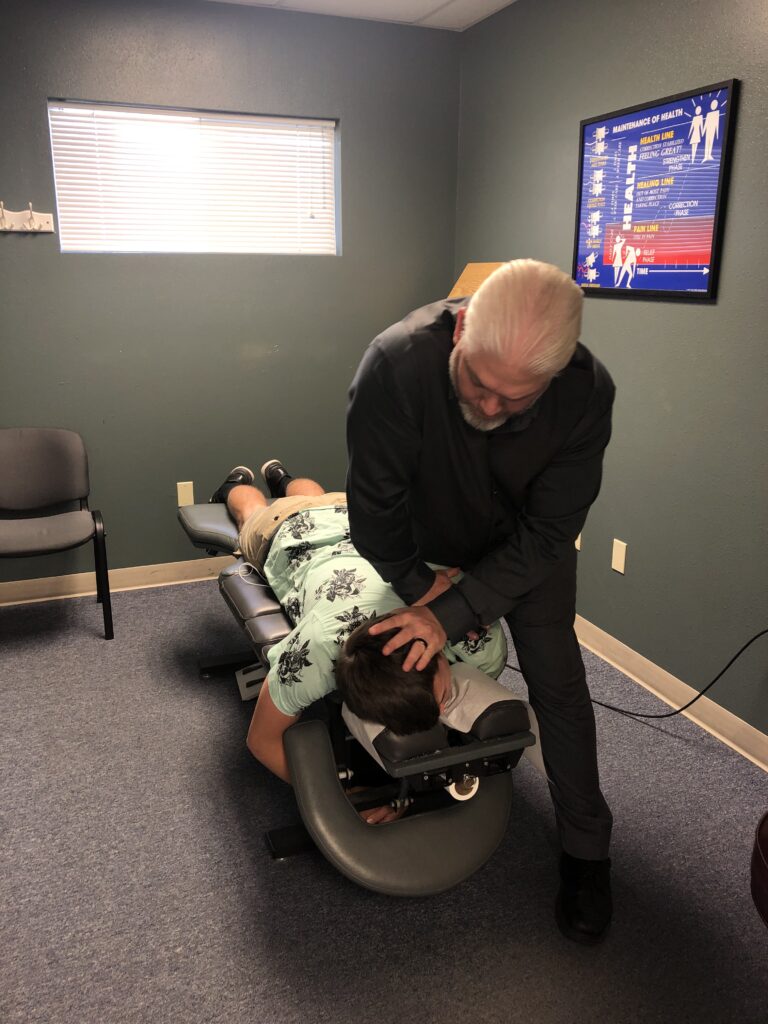

When it comes to managing ADHD symptoms in children, it's important to remember that each child is unique in their experience with the condition. As a chiropractor, I see the value in a holistic approach that encompasses not just spinal health, but overall well-being. Establishing consistent routines and promoting open lines of communication are essential steps. It's also crucial to understand how your child processes information; this insight can guide you in tailoring strategies that improve both their focus and emotional health.
So, what specific chiropractic techniques and lifestyle choices can you incorporate to support your child's health? A combination of gentle spinal adjustments, which can enhance nervous system function, along with mindfulness practices and nutritional guidance can create a comprehensive support system. Collaborating with parents, teachers, and other caregivers is vital to ensure that your child receives well-rounded care that addresses their individual needs. By adopting these natural healing methods, you can help your child thrive amidst the challenges of ADHD.
Understanding ADHD in Children
Understanding ADHD in children is crucial for parents and caregivers, and as a local chiropractor, I believe it's important to address this from a holistic perspective. Recognizing the unique challenges these children face can empower you to support their needs more effectively. ADHD, or Attention-Deficit/Hyperactivity Disorder, can present in various ways, such as inattention, hyperactivity, and impulsivity. By understanding these symptoms, you can better identify when a child may be struggling.
Children with ADHD often have trouble focusing on tasks or following instructions. They may appear restless, fidgeting or squirming frequently. Impulsivity may lead to interruptions in conversations or difficulty waiting their turn during activities. It's essential to understand that these behaviors aren't simply the result of misbehavior; rather, they indicate that these children experience and process the world in unique ways.
It's also important to recognize that ADHD isn't a consequence of poor parenting or lack of discipline. This disorder has biological roots, often influenced by genetics and brain chemistry. As a chiropractor, I see the value in understanding the body's nervous system and how it can impact behavior. Misalignments in the spine can affect nerve function and overall well-being, which may play a role in how children with ADHD express their symptoms.
By fostering an environment that acknowledges these challenges, you can help children develop coping strategies and skills. Open communication is vital; encourage children to express their feelings and frustrations. Additionally, establishing structured routines can provide a sense of security while still allowing for flexibility.
Ultimately, understanding ADHD in children equips you to be a more effective advocate, whether at home or in educational settings. Through a combination of chiropractic care, education, and supportive environments, we can make a significant difference in the lives of these children. Embracing a holistic approach can lead to improved health and well-being for both children and their families.
The Role of Compassionate Care
As a local chiropractor, I want to emphasize the importance of compassionate care when it comes to managing ADHD symptoms in children.
Understanding their emotional needs is crucial for their overall well-being. By fostering trusting relationships, we can create a safe environment where children feel comfortable expressing themselves.
Moreover, utilizing positive reinforcement strategies can significantly enhance their confidence and behavior.
Chiropractic care, combined with a compassionate approach, can be a natural way to support your child's health and emotional development.
Understanding Emotional Needs
When it comes to supporting children with ADHD, it's essential to recognize their emotional needs, and as a chiropractor, I see the profound connection between emotional well-being and physical health.
Children with ADHD often navigate a complex range of emotions, from frustration to anxiety, which can manifest in their overall well-being. By understanding and addressing these emotional aspects, we can provide holistic support that encourages them to thrive.
Creating a nurturing environment where children feel safe to express themselves is vital. Here are some emotional needs to consider:
- Validation: It's important to acknowledge their feelings. Let them know it's perfectly normal to feel overwhelmed, and that their emotions are valid.
- Empathy: Show that you understand their struggles. This connection can be incredibly reassuring for them, reinforcing that they aren't alone in their journey.
- Consistent Support: As a chiropractor, I strive to provide a reliable presence in their healthcare. This consistency helps reassure children that they've someone in their corner while facing their challenges.
- Encouragement: Celebrate their achievements, no matter how small. Recognizing their progress can significantly boost their self-esteem and motivate them to keep moving forward.
Building Trusting Relationships
Building trusting relationships with your patients is essential for helping them feel secure and supported in their journey towards wellness, especially when it comes to understanding chiropractic care. Creating an environment of compassion and understanding encourages patients to express their concerns and questions openly.
Start by actively listening to what they say; make eye contact and show genuine interest in their health stories. This simple act can make a significant difference in how they perceive you as a safe and reliable practitioner.
Consistency is also key in chiropractic care. Patients thrive when they know what to expect, so establishing a clear treatment plan can help build trust. Be reliable in your actions and responses; your predictability fosters a sense of safety.
When patients see you remain calm and patient during challenging discussions about their health, it reinforces your commitment to their well-being.
Additionally, it's important to validate their feelings about their health struggles. Acknowledge their concerns without judgment, letting them know it's okay to feel uncertain or overwhelmed by their conditions.
Sharing your own experiences or the stories of other patients can help normalize their feelings and show that everyone faces challenges on the path to health.
Encouraging Positive Reinforcement
Positive reinforcement is an essential aspect of supporting overall well-being, particularly for children managing conditions like ADHD. As a local chiropractor, I believe in fostering an encouraging and nurturing environment that can significantly enhance your child's confidence and motivation.
When you acknowledge your child's efforts and successes, no matter how small, it helps them feel valued and understood. This approach not only boosts their self-esteem but also encourages them to engage more positively with tasks, which can complement the benefits of chiropractic care.
To effectively implement positive reinforcement in daily life, consider these strategies:
- Celebrate Small Wins: Recognize every achievement, even the minor ones, as this reinforces their progress and contributes to a positive mindset.
- Use Verbal Praise: Offer specific compliments that highlight what your child did well, which can bolster their self-image and motivation.
- Create Reward Systems: Develop a chart or token system where they can earn rewards for positive behavior and accomplishments, making the experience fun and engaging.
- Stay Consistent: Consistency in your reinforcement helps your child understand which behaviors are encouraged, creating a stable foundation for their growth.
Incorporating these strategies alongside chiropractic care can lead to a holistic approach to your child's health and development, promoting not only physical wellness but also emotional and psychological resilience.
Establishing Routines and Structure
Creating a structured environment can greatly benefit both children and adults in managing their health and wellness, especially for those dealing with ADHD. Just as establishing routines can provide predictability for children, incorporating regular chiropractic care can help individuals achieve a balanced lifestyle.
Establishing a consistent schedule for chiropractic adjustments, alongside time dedicated to exercise, nutrition, and relaxation, can enhance overall well-being. When patients know what to expect from their care, they're less likely to feel overwhelmed by their health challenges.
Visual aids, such as wellness charts or health checklists, can be invaluable tools. These can serve as reminders for patients to stay on track with their chiropractic appointments, stretching routines, or other self-care practices. For instance, a daily health checklist could include tasks like doing prescribed exercises, staying hydrated, and practicing good posture. This not only reinforces healthy habits but also fosters independence in managing one's health.
It's also essential to allow for flexibility within this structure. While routines are important, life can be unpredictable. If you need to reschedule an appointment or adjust your wellness plan, communicate openly with your chiropractor. They can help you understand the reasons for changes and assist you in adapting your approach, which builds resilience and teaches you that adjusting to new circumstances is part of the healing journey.
Set realistic expectations and celebrate small successes in your health journey. If you consistently follow your chiropractic care plan for a month, acknowledge your commitment with self-praise or a small reward. This positive reinforcement encourages you to maintain your health routine.
Lastly, involvement in your care process is crucial. Don't hesitate to share your thoughts when discussing your health goals and treatment plan with your chiropractor. When you feel a sense of ownership over your wellness journey, you're more likely to adhere to the recommendations provided.
Effective Communication Strategies
Effective communication is a vital aspect of understanding the needs of our patients, especially those who may feel overwhelmed by health concerns. As a chiropractor, I believe in creating an open and welcoming environment where you feel comfortable discussing your health and wellness.
Here are some effective strategies I encourage for enhancing communication about chiropractic care and natural healing:
- Listen actively: I prioritize your feelings and concerns by giving you my full attention during our discussions. I make sure to nod and provide verbal affirmations to show that I'm engaged and invested in your health journey.
- Be clear and concise: I strive to use simple language and straightforward explanations when discussing treatment options. Lengthy details can be confusing, so I break down complex concepts into manageable steps that are easy to understand.
- Encourage questions: I welcome your questions and encourage you to engage in a dialogue about your health. This not only helps clarify any uncertainties but also reassures you that your thoughts and concerns are valued.
- Use non-verbal cues: I pay close attention to body language and facial expressions, both yours and mine. Sometimes, emotions and understanding are conveyed more effectively through gestures than through words.
By incorporating these strategies into our interactions, I aim to improve the way we communicate about your health.
Remember, patience is essential. It may take time to fully process the information we discuss, so I encourage you to take the time you need.
By building a strong communication foundation, we empower you to express your health concerns more effectively, leading to better understanding and relationships.
With consistent practice, you may notice a positive shift in how you interact with your health and wellness, fostering a nurturing atmosphere for your overall growth and healing.
Positive Reinforcement Techniques
As a local chiropractor, I want to share how positive reinforcement techniques can't only improve your child's behavior and motivation but can also play a significant role in your overall well-being.
Just as we reward and encourage desirable behaviors in children, we can also apply these principles to our health practices. By consistently recognizing and reinforcing the positive changes in your body through chiropractic care, you create a supportive environment for healing and recovery.
Incorporating these techniques into your daily routine can transform your approach to health.
For instance, celebrating small victories after a chiropractic adjustment, like improved mobility or reduced pain, reinforces the positive effects of your treatment.
Let's explore how you can effectively implement these supportive strategies for a healthier lifestyle, enhancing both your physical and emotional well-being.
Rewarding Desired Behaviors
As a local Chiropractor, I understand that managing ADHD symptoms in children can be a complex journey, but I believe that natural healing methods can play a vital role in this process. One effective approach is rewarding desired behaviors through positive reinforcement techniques, which can significantly enhance your child's well-being.
By acknowledging and reinforcing positive actions, you not only encourage those behaviors but also help boost your child's self-esteem. Here are some effective ways to implement positive reinforcement:
- Immediate Praise: When you see your child demonstrating good behavior, recognize it right away. This immediate acknowledgment reinforces the action and helps them make the connection between their behavior and positive feedback.
- Reward Systems: Consider creating a fun points or sticker chart where your child can earn rewards for specific positive behaviors. This visual representation can motivate them to strive for good behavior consistently.
- Small Tokens: Celebrate achievements with small rewards, such as a favorite snack, extra playtime, or even a family activity. These gestures reinforce the idea that positive behavior is recognized and appreciated.
- Family Involvement: Encourage the entire family to engage in celebrating your child's successes. This creates a supportive and loving environment, making your child feel valued and understood.
By utilizing these positive reinforcement techniques, you can help your child understand which behaviors are desirable while fostering a sense of self-worth.
The goal is to focus on the positive aspects of their actions, creating an atmosphere where they feel encouraged to continue making good choices. As you consistently reward these desired behaviors, you'll not only enhance your child's self-esteem but also contribute to managing ADHD symptoms in a natural and holistic way.
Consistent Praise Strategies
Recognizing the importance of consistent care and support can greatly enhance your experience in chiropractic treatment and natural healing. When you acknowledge your body's efforts to heal and respond to therapy, no matter how small the progress, it boosts your confidence in the healing process and encourages you to continue with your care.
Make your self-acknowledgment specific; instead of just saying, "I'm feeling better," try saying, "I'm really pleased with how my back feels after my adjustments this week." This clarity helps you understand exactly what aspects of your treatment are beneficial.
Using a consistent approach is essential in your healing journey. Schedule regular appointments and set aside time each day to focus on your wellness routine, whether that includes stretches, exercises, or mindfulness practices. This regularity reinforces the connection between your actions and your overall well-being.
Remember to stay genuine in your self-assessment—your body can sense when you're being inauthentic, so ensure your reflections are heartfelt.
Additionally, consider implementing a wellness tracking system alongside your chiropractic sessions. You can create a journal or chart where you can note improvements and set goals for your health. This combination of self-reflection and tangible progress can be highly effective.
Finally, be patient and stay positive. It may take time for your body to adjust to chiropractic care, but with consistent support and self-recognition, you'll start to thrive and manage your health more effectively.
Creating a Supportive Environment
Creating a supportive environment for children with ADHD is essential, and as a chiropractor, I understand how important holistic approaches can be for managing such conditions. Thoughtful adjustments in their daily surroundings can significantly impact their ability to focus and thrive.
By fostering an atmosphere that caters to their unique needs, we can help them manage their symptoms more effectively.
Here are some practical strategies that I recommend:
- Establish Routines: Just like our bodies thrive on consistent chiropractic care, children with ADHD often benefit from structured daily routines. Consistency in their schedule helps them know what to expect, reducing anxiety and distractions that can interfere with their focus.
- Minimize Distractions: Creating a designated workspace free from clutter and noise is crucial. Just as we aim to reduce physical stressors on the spine, minimizing visual and auditory distractions allows your child to concentrate better on their tasks.
- Incorporate Breaks: Encouraging short, regular breaks during homework or study sessions is beneficial. This not only helps manage energy levels but also prevents burnout, similar to how we recommend breaks during chiropractic adjustments to avoid overstressing the body.
- Use Visual Aids: Tools such as charts, checklists, and timers can serve as effective reminders. Visual aids can help your child stay organized and understand what they need to accomplish, much like how we use diagrams to explain spinal health.
By integrating these strategies into your child's routine, you can create a nurturing environment that supports their well-being and enhances their ability to manage ADHD symptoms naturally.
Tailoring Interventions to Individual Needs
When addressing ADHD symptoms, it's essential to develop individualized treatment plans that reflect your child's specific needs.
As a chiropractor, I believe in a holistic approach to health that includes collaboration with teachers, therapists, and caregivers to create a robust support network.
By customizing interventions, we can help empower your child to flourish in different settings.
Chiropractic care can play a vital role in this process by promoting overall well-being and enhancing neurological function, which may positively influence your child's ability to manage ADHD symptoms.
Together, we can work towards a healthier, more balanced life for your child.
Personalized Treatment Plans
A personalized treatment plan is crucial for effectively managing ADHD symptoms in children, and as a chiropractor, I believe in the power of natural healing approaches to support this process. Each child with ADHD presents unique characteristics, and their treatment should be tailored to address their individual needs, strengths, and challenges.
By customizing interventions to suit your child's specific situation, we can enhance their ability to thrive both academically and socially.
Here are some key components to consider when developing a personalized treatment plan from a chiropractic perspective:
- Assessment of Symptoms: Regular assessments of your child's posture, spinal alignment, and overall physical health can help identify specific issues that may affect their behavior and performance.
- Goal Setting: Establish clear, achievable goals that focus on improving focus, impulse control, and overall well-being. Chiropractic care can play a role in enhancing these areas by promoting better nervous system function.
- Intervention Strategies: Incorporate a combination of chiropractic adjustments, exercises, and lifestyle recommendations that best suit your child's needs. This holistic approach can help improve their physical health and support their mental clarity.
- Ongoing Monitoring: Continuously track your child's progress through regular chiropractic visits and adjust the treatment plan as necessary to ensure it remains effective. This helps to create a supportive environment for their growth and development.
Collaborative Support Systems
As a local chiropractor, I want to share how effective management of conditions like ADHD can benefit from a holistic, collaborative approach that incorporates natural healing methods.
Just as we tailor chiropractic care to fit each individual's unique needs, working together with teachers, mental health professionals, and family members can create a consistent support system that promotes well-being.
Open communication with your child's school is vital. By collaborating with teachers, we can ensure that accommodations are made to create a supportive learning environment.
Regular check-ins allow parents and educators to stay informed about your child's progress and any necessary adjustments, fostering an atmosphere conducive to learning.
Involving mental health professionals, such as therapists, is also important. They can provide tailored coping strategies and behavioral techniques that align with your child's specific symptoms.
By monitoring the effectiveness of these strategies, we can work together to make necessary changes, ensuring that your child receives the best care possible.
Connecting with other parents or support groups can also enhance this journey. Sharing experiences and resources can provide additional insights and encouragement.
Remember, our aim is to create a network that supports your child holistically, addressing their emotional, social, and academic needs effectively.
Through this collaborative approach, you're better equipped to help your child navigate their ADHD journey, while also considering natural healing methods that chiropractic care can offer to support overall health and wellness.
Collaborating With Educators
Collaboration with educators can play an essential role in managing ADHD symptoms in children, much like how a chiropractor collaborates with patients to enhance their overall well-being.
When we work together with teachers and school staff, we can create a supportive environment that fosters your child's learning and growth. Educators can offer valuable insights into your child's behavior, just as I can provide guidance on natural healing strategies that cater to their unique needs.
Here are some ways you can effectively collaborate with educators, paralleling how we can approach chiropractic care:
- Share Information: Open communication is vital. Just as I encourage patients to share their health history, you should inform teachers about your child's diagnosis, strengths, and challenges to help them better understand your child's specific needs.
- Develop an Individualized Education Plan (IEP): If your child qualifies, an IEP can set clear goals and accommodations—similar to a personalized treatment plan in chiropractic care. Collaborate with educators to ensure it's regularly updated and reflects your child's progress, much like we adjust treatment plans based on patient feedback.
- Request Regular Check-ins: Setting up periodic meetings with educators to discuss your child's progress is akin to follow-up appointments in chiropractic care. This ongoing dialogue ensures everyone stays aligned and can address any emerging issues promptly.
- Involve Your Child: Encourage your child to express their feelings and thoughts about school. Just as I believe patients should be active participants in their healing journey, involving your child can empower them and provide educators with critical insights into their experience.
Encouraging Healthy Lifestyle Choices
Creating a supportive environment for your child is essential, and as a local chiropractor, I want to highlight how natural healing and healthy lifestyle choices can significantly impact their well-being, especially if they're dealing with ADHD symptoms.
One critical aspect to consider is nutrition. A balanced diet that includes plenty of fruits, vegetables, whole grains, and lean proteins can enhance your child's mood and concentration levels. By focusing on whole foods, you can help limit the consumption of processed foods and sugary snacks that may contribute to hyperactivity and inattention.
Physical activity is another vital component of a healthy lifestyle. Regular exercise not only benefits physical health but also plays a crucial role in managing ADHD symptoms. It helps in the production of neurotransmitters like dopamine and serotonin, which can improve focus and mood. Aim for at least 30 minutes of moderate exercise most days—this could be anything from biking to engaging in sports or even dancing together at home. Finding activities your child enjoys will keep them motivated and engaged.
Sleep is equally important in managing ADHD. Establishing a consistent bedtime routine is key to ensuring your child gets the restorative sleep they need. Aim for 9-11 hours of quality sleep each night, as insufficient sleep can exacerbate ADHD symptoms.
Lastly, it's essential to minimize screen time. Excessive use of electronics can lead to overstimulation and distract your child from concentrating on important tasks. Setting clear boundaries around screen use and promoting more interactive and outdoor activities can foster a healthier balance.
As a chiropractor, I believe in the power of natural healing and the role that a holistic approach can play in enhancing your child's health. By focusing on nutrition, physical activity, sleep, and mindful screen time, you can create a nurturing environment that supports your child's overall well-being.
Seeking Professional Support
When navigating the complexities of ADHD, exploring chiropractic care can offer a unique and holistic approach to support your child's well-being. As a chiropractor, I focus on the interconnectedness of the body and mind, aiming to enhance overall health and function without relying solely on medication. Through gentle adjustments and natural healing techniques, we can work together to help your child manage their symptoms more effectively.
Consider these key benefits of incorporating chiropractic care into your child's routine:
- Natural Healing: Chiropractic adjustments can improve nervous system function, which may help reduce ADHD symptoms and enhance focus.
- Holistic Approach: Chiropractic care emphasizes treating the whole person, addressing not just the symptoms but also the underlying causes of discomfort and distraction.
- Stress Relief: Regular chiropractic care can alleviate physical tension and stress, promoting a calmer state of mind that may benefit your child's behavior and emotional regulation.
- Family Wellness: Chiropractic care is suitable for the entire family, providing a supportive environment where everyone can learn about health and wellness together.
Building a strong relationship with your chiropractor is essential for achieving the best results. Frequent visits and open discussions about your child's progress will help tailor the treatment plan to their evolving needs.
Don't hesitate to reach out to a local chiropractor who understands ADHD and can offer a supportive, natural path to wellness. Embracing chiropractic care is a proactive step towards helping your child thrive both physically and mentally.
Conclusion
As a local chiropractor, I want to share how compassionate care can significantly impact managing ADHD symptoms in children. By establishing structured routines and fostering clear communication, we can create an environment that supports their growth and development. It's essential to tailor interventions to meet their unique needs, and working closely with educators helps build a strong support network.
In addition to chiropractic care, I encourage families to consider healthy lifestyle choices, including proper nutrition and regular physical activity, as these can play a vital role in overall well-being. Professional support, such as counseling or therapy, can also complement chiropractic treatments.
By embracing these holistic strategies, we can empower children with ADHD to navigate their challenges confidently and resiliently. Together, we can make a meaningful difference in their lives.