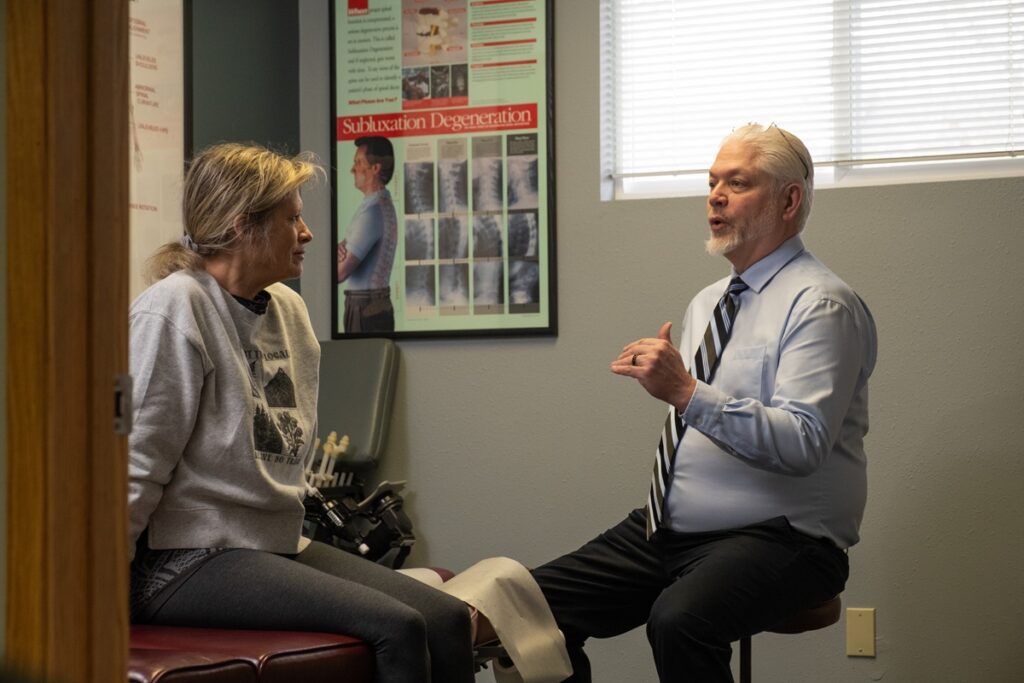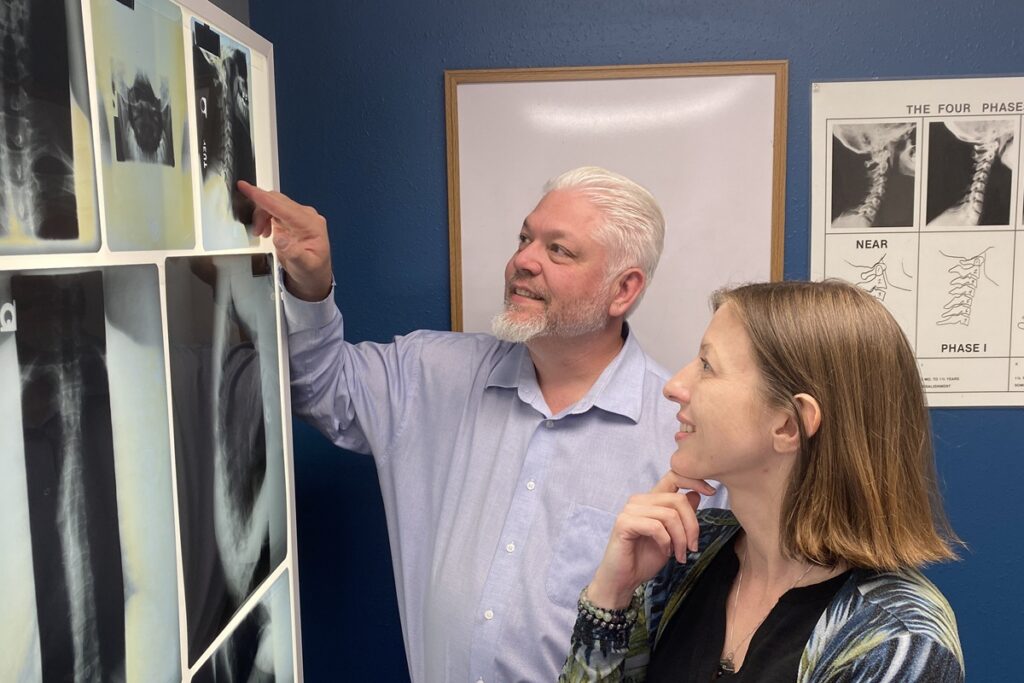

As a local Chiropractor, I want to emphasize that managing back pain sustainably is about more than just seeking quick relief. It’s essential to delve into the root causes of your discomfort and make holistic adjustments in your daily life. This includes improving your posture, which can greatly alleviate strain on your back, and incorporating core-strengthening exercises that support your spine.
However, it’s not just about physical changes. Your nutrition and mental well-being are equally important in this journey. I encourage you to consider how your diet impacts inflammation and overall health, as well as the role of stress management in your pain levels.
To create a comprehensive plan for lasting relief, think about integrating regular chiropractic adjustments to keep your spine aligned, along with lifestyle modifications that promote overall wellness. Together, we can explore effective strategies tailored to your individual needs for a healthier, pain-free life.
Understanding the Causes of Back Pain
As a local chiropractor, I want to help you understand the various causes of back pain so that you can effectively manage it and improve your overall well-being.
Back pain can arise from several underlying issues, such as muscle strains, ligament sprains, or herniated discs. Often, poor lifting techniques or sudden awkward movements can trigger acute pain, while chronic discomfort may result from repetitive stress or degenerative conditions over time.
Your lifestyle choices significantly impact your back health. If you lead a sedentary lifestyle or carry excess weight, you may be putting more strain on your back muscles and spine than necessary. Additionally, stress can cause muscle tension, worsening any existing pain you may experience. Conditions like arthritis or sciatica can also contribute to your discomfort, which may require specialized attention.
Understanding these causes is crucial for creating a personalized management plan. By identifying the factors specific to your situation, you can take proactive steps to alleviate your pain. This may include adjusting daily habits, seeking professional chiropractic advice, or incorporating exercises designed to strengthen your back.
The Importance of Posture
As a chiropractor, I want to emphasize the critical role that posture plays in managing back pain. Many individuals may not realize that poor alignment can lead to significant discomfort and strain on the body. Understanding how slouching or hunching affects your spine is key to making positive changes.
Let me share some practical tips for improving your posture, which can be instrumental in alleviating your back pain. By making simple adjustments in your daily routine, you can promote better alignment and enhance your overall well-being.
Effects of Poor Posture
As a local chiropractor, I want to emphasize just how crucial your posture is for your overall health and well-being. Many people tend to overlook the importance of maintaining good posture, but it can significantly impact your daily life.
When you find yourself slouching or hunching over, you mightn’t notice the strain you’re putting on your muscles and joints. This can lead to a range of issues, including:
- Increased back and neck pain
- Reduced lung capacity, making it harder to breathe deeply
- Poor circulation, which can contribute to feelings of fatigue
If left unaddressed, these issues can accumulate and affect not only your physical health but also your mood and productivity.
By becoming more aware of your posture, you can take proactive steps to prevent these negative consequences. Simple adjustments can lead to significant improvements in how you feel each day.
As your chiropractor, I encourage you to focus on your posture as part of a holistic approach to your health. Together, we can work on strategies to enhance your posture and, in turn, your overall quality of life.
Your body will thank you for it!
Tips for Better Alignment
As a local chiropractor, I want to share some essential tips for achieving better alignment, which is crucial for your overall health and well-being.
First and foremost, being mindful of your posture during daily activities can make a significant difference. When you sit, ensure your feet are flat on the floor and your back is straight against the chair. If you spend time at a desk, it’s important to adjust your monitor to eye level to help prevent slouching, which can lead to discomfort.
When standing, try to distribute your weight evenly on both feet, engaging your core muscles for added support. This simple adjustment can significantly improve your posture and reduce strain on your spine.
As you move—whether walking or lifting—maintain a neutral spine. A good rule of thumb is to bend your knees instead of your back when lifting heavy objects. This technique helps protect your spine and prevents injury.
Additionally, wearing supportive footwear can greatly contribute to proper alignment and support your body throughout the day.
I also encourage you to incorporate stretches and strengthening exercises into your routine. These can enhance your flexibility and provide the necessary support for your spine.
By being mindful of your posture and making these small adjustments, you can reduce the risk of back pain and improve your overall health.
Strengthening Your Core Muscles
As a local chiropractor, I want to emphasize the importance of strengthening your core muscles for maintaining a healthy back and overall stability. A strong core provides essential support for your spine, which can significantly reduce the risk of discomfort and pain.
Many people may not realize how interconnected core strength is with spinal health, but it’s true!
Let’s discuss some effective exercises that can enhance your core strength and help keep your back in optimal condition. By incorporating these exercises into your routine, you can promote natural healing and improve your overall well-being.
Importance of Core Strength
As a local chiropractor, I often emphasize the importance of developing core strength for managing back pain and promoting overall health. Many people may not realize that a strong core is vital for providing stability and support to your spine.
When your core muscles are well-developed, they help distribute weight evenly across your body, which can significantly reduce strain on your back. This focus on core strength not only enhances your posture but also improves your overall movement efficiency.
It’s important to understand that this isn’t just about looking good; it’s about building a solid foundation for your body that can lead to long-term wellness.
Here are a few key benefits of enhancing your core strength that I’d like you to consider:
- Enhanced Stability: A strong core helps stabilize your body, which is essential in reducing the risk of injuries, especially during physical activities.
- Improved Posture: By strengthening your core, you can maintain proper alignment in your spine, which alleviates unnecessary pressure and discomfort.
- Increased Functionality: Strengthening your core makes everyday movements easier and safer, allowing you to engage in activities you love without the burden of pain.
Incorporating core-strengthening exercises into your routine can be a game-changer for your health and well-being.
As your chiropractor, I’m here to guide you on this journey toward a stronger, healthier you!
Effective Core Exercises
As a local chiropractor, I want to emphasize the importance of building core strength for not just improving your posture and stability, but also for enhancing your overall well-being. Incorporating effective core exercises into your routine can play a significant role in managing back pain sustainably.
One of the best exercises to start with is the plank. This exercise engages multiple muscle groups at once. I recommend holding the plank position for 20-30 seconds, ensuring that you maintain proper form throughout.
Next, consider trying bird-dogs. Begin on all fours and extend one arm and the opposite leg simultaneously, then switch sides. This exercise not only strengthens your core but also improves your balance, which is crucial for injury prevention.
Bridges are another excellent addition to your routine. While lying on your back, lift your hips up while squeezing your glutes. This exercise helps strengthen the lower back and glute muscles. Aim for three sets of 10-15 repetitions to reap the benefits.
Lastly, don’t overlook the dead bug exercise. While lying on your back, alternate between extending one arm and the opposite leg. This movement encourages coordination and core stability.
Remember, consistency is key. I recommend performing these exercises three times a week to see the best results in managing your back pain naturally.
Incorporating Stretching and Flexibility Exercises
As a local chiropractor, I want to share how incorporating stretching and flexibility exercises into your daily routine can be a natural and effective way to alleviate back pain and enhance your overall mobility.
Many people aren’t aware that these exercises play a crucial role in releasing muscle tension and improving your range of motion, which can make everyday activities much easier and more enjoyable.
Here are a few effective stretches that I often recommend to my patients:
- Cat-Cow Stretch: This dynamic stretch is excellent for warming up your spine and relieving tension in your back. It helps promote spinal flexibility and encourages proper posture.
- Child’s Pose: This restorative position stretches your lower back while promoting relaxation. It’s a great way to unwind and release tension accumulated throughout the day.
- Hamstring Stretch: Tight hamstrings can contribute to back pain, so taking the time to stretch them can offer significant relief and support your overall back health.
I encourage you to incorporate these stretches into your daily routine, holding each position for 20-30 seconds.
Take your time; focus on your breathing and listen to your body’s signals.
Consistency is essential—making stretching a regular part of your routine can lead to long-term benefits and a healthier back.
If you have any questions or need personalized guidance, don’t hesitate to reach out. Your journey toward better back health is important to me!
Exploring Alternative Therapies
As a local chiropractor, I want to share with you some effective strategies for managing back pain that go beyond traditional methods. While stretching and flexibility exercises are great starting points, exploring alternative therapies can provide you with additional relief and support.
One popular option is acupuncture, which focuses on specific points in your body to alleviate pain and promote healing. Many of my patients have found significant relief through this ancient practice.
Another valuable approach is massage therapy, which can help reduce tension and improve circulation in your back, ultimately leading to enhanced comfort.
Chiropractic care itself is a key component of a holistic approach to back pain management. My focus is on spinal alignment, which plays a crucial role in relieving discomfort and improving overall function.
I encourage you to consider integrating chiropractic adjustments into your routine as a way to support your body’s natural healing processes.
Furthermore, practices like yoga and tai chi can enhance your flexibility and strength while incorporating mindfulness and breathwork into your daily life. These gentle movements can complement your chiropractic care and help you achieve a balanced lifestyle.
Lastly, herbal remedies and supplements may also be beneficial, but it’s important to consult with a healthcare professional before introducing any new treatments.
By combining these alternative therapies with chiropractic care, you can create a comprehensive and sustainable approach to managing your back pain effectively.
I’m here to guide you on this journey to better health and well-being.
Making Ergonomic Adjustments
As a local chiropractor dedicated to helping you manage and alleviate back pain, I want to emphasize the importance of making ergonomic adjustments in your workspace and daily activities. Many people are unaware that the way we set up our environments can significantly impact our spinal health.
First, let’s take a closer look at your workspace. It’s crucial that your chair offers proper support for your lower back, allowing your spine to maintain its natural curve. Your feet should be flat on the floor to ensure stability and comfort. Additionally, position your computer monitor so that the top of the screen is at eye level. This simple adjustment can prevent unnecessary strain on your neck and shoulders.
Here are some practical steps you can take to enhance your ergonomic setup:
- Chair Height: Make sure your chair height allows your knees to form a 90-degree angle. This position helps to alleviate pressure on your lower back.
- Keyboard Position: Your keyboard should be positioned at elbow height. This adjustment minimizes strain on your arms and wrists, promoting a more relaxed posture.
- Frequent Breaks: I recommend taking short breaks every hour. Stand up, stretch, and walk around to keep your muscles engaged and prevent stiffness.
By implementing these ergonomic adjustments, you can significantly reduce discomfort and foster a healthier posture throughout your day.
The Role of Nutrition in Back Health
As a local chiropractor, I want to emphasize that while many of you may be aware of physical treatments for relieving back pain, the importance of nutrition in supporting your spinal health can’t be overlooked.
What you eat plays a significant role in managing inflammation and building muscle strength—both of which are crucial for a healthy back.
I encourage you to incorporate anti-inflammatory foods into your diet, such as fatty fish, nuts, and leafy greens. These foods can help mitigate pain and swelling, making a noticeable difference in how you feel.
It’s also vital to ensure you’re getting enough calcium and vitamin D, as these nutrients are essential for maintaining bone health. You can find these in dairy products, fortified foods, or through supplements if needed.
Additionally, don’t underestimate the importance of magnesium, which can be sourced from seeds, whole grains, and legumes. This mineral supports muscle function and relaxation, helping to alleviate tension in your back.
Staying properly hydrated is another key factor—water is essential for maintaining the health of your spinal discs, which act as cushions between the vertebrae.
Aim for a balanced diet that promotes overall wellness, as carrying excess weight can put additional strain on your back.
By prioritizing good nutrition alongside your chiropractic care, you can build a strong foundation for lasting back health and potentially reduce your pain.
Building a Sustainable Pain Management Routine
As your local chiropractor, I want to help you build a sustainable pain management routine that will effectively support your back health.
It’s important to understand that managing back pain isn’t just about temporary relief; it requires a holistic approach that focuses on consistency and balance in your everyday life.
Here are some key elements I recommend incorporating into your daily routine:
- Regular Exercise: Engaging in low-impact activities, such as swimming or walking, is vital for strengthening your back muscles and enhancing flexibility. These exercises can help alleviate pain and prevent further injury.
- Mindfulness Practices: I encourage you to explore mindfulness techniques like yoga or meditation. These practices can significantly reduce stress and improve your body’s response to pain, promoting overall well-being.
- Ergonomic Adjustments: Take a moment to evaluate your workspace and daily activities. Making ergonomic adjustments is crucial for maintaining proper posture and reducing strain on your back. This could mean adjusting your chair, desk height, or how you lift objects throughout your day.
By integrating these strategies into your lifestyle, you can create a comprehensive pain management routine that not only addresses your current discomfort but also fosters long-term health.
Conclusion
As your local chiropractor, I want to share some essential strategies that can greatly aid in managing back pain sustainably. Many people may not be aware of how important posture is in our daily activities. By being mindful of your posture and making small ergonomic adjustments at your workstation or home, you can significantly reduce strain on your back.
It’s also crucial to strengthen your core muscles, as they play a vital role in supporting your spine. Incorporating exercises that target these muscles into your routine can help alleviate discomfort and prevent future issues.
Furthermore, I encourage you to consider the impact of nutrition and mindfulness practices on your overall wellness. A balanced diet can promote healing and reduce inflammation, while mindfulness techniques can help you manage stress, which often exacerbates pain.
Remember, consistency is key. By integrating these approaches into your daily life, you’ll not only find relief from back pain but also enhance your overall quality of life. Take control of your back health today, and don’t hesitate to reach out for personalized guidance and support on your journey to wellness!