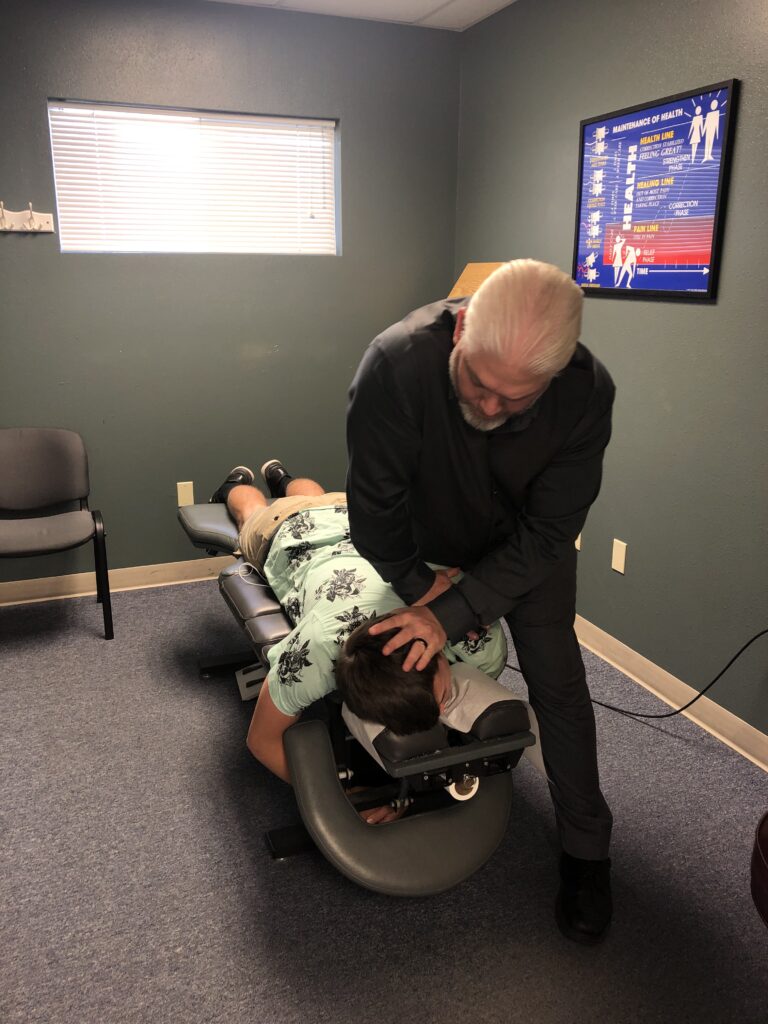

Managing pain can often feel overwhelming, but as a local chiropractor, I want to share with you some effective natural techniques that can help you find relief. Many patients have found that incorporating practices like mindfulness and physical therapy into their routine significantly improves their pain experience.
Additionally, treatments such as acupuncture and making dietary adjustments can lead to surprising relief. Each of these methods offers unique benefits that can enhance your overall well-being. Understanding these approaches not only empowers you but also allows you to take control of your pain management journey.
As you explore these techniques, consider how they might resonate with your personal health goals. I’m here to guide you through this process and help you discover the best options for your individual needs. Let’s work together to find the right combination of natural healing practices that can support your journey to a pain-free life.
Mindfulness and Meditation
As a local chiropractor, I want to share with you the power of mindfulness and meditation in managing pain. Many people view these practices simply as relaxation techniques, but they can significantly enhance your overall well-being, especially when it comes to pain management.
By focusing your attention and being fully present in the moment, mindfulness can help you shift your perception of pain. Instead of allowing discomfort to dominate your life, embracing mindfulness encourages a sense of acceptance and awareness. This approach can be particularly beneficial in conjunction with chiropractic care.
When you engage in meditation, you train your mind to observe thoughts and sensations without judgment. This practice can help you detach from the emotional weight of pain, ultimately reducing its intensity. Incorporating techniques such as deep breathing and visualization can further enhance your ability to cope with discomfort, complementing the adjustments and treatments we provide in our clinic.
Additionally, regular mindfulness practice can lower stress and anxiety levels, which often worsen physical pain. By integrating mindfulness into your daily routine, you arm yourself with effective tools to confront pain and promote healing naturally.
Physical Therapy and Exercise
As a local chiropractor, I want to share how physical therapy and exercise can transform your experience with pain management.
These natural approaches not only help strengthen your body but also improve your flexibility and alleviate discomfort.
By incorporating targeted exercises into your routine, you can support your healing process and enhance your overall well-being.
Let’s delve into the specific benefits of physical therapy and the types of exercises that can promote a healthier, pain-free life.
Benefits of Physical Therapy
As a local chiropractor, I want to share with you the incredible benefits of physical therapy, especially if you’re dealing with chronic pain or recovering from an injury.
Physical therapy is a holistic approach that complements chiropractic care, helping you regain strength, flexibility, and mobility, so you can enjoy your daily activities without discomfort.
When you work with a licensed physical therapist, they create personalized treatment plans that cater specifically to your needs. This tailored approach not only targets your pain but also equips you with techniques to prevent future injuries, promoting long-term health and wellness.
Moreover, physical therapy can significantly improve your posture and balance, which can help reduce the risk of falls and other injuries.
You’ll also notice an uplift in your mental well-being as regular sessions foster a sense of accomplishment and empowerment.
Incorporating physical therapy into your care plan is a valuable step in your journey toward pain management and overall health.
Together, we can explore natural healing methods that support your body’s innate ability to heal and thrive.
Exercise Types for Pain
As a local chiropractor, I want to share how finding the right types of exercise can significantly aid in managing pain, particularly when paired with chiropractic care. Engaging in low-impact activities such as swimming and cycling can be incredibly beneficial, as they minimize stress on your joints while simultaneously improving your strength and flexibility.
Integrating practices like yoga or Pilates into your routine can further enhance your body awareness and promote relaxation, both of which are vital for effective pain relief. Stretching exercises are equally important, as they help maintain mobility and reduce tension in your muscles.
If you’re experiencing chronic pain, I highly recommend collaborating with a physical therapist or a chiropractor to create a personalized exercise plan that suits your specific needs. We can guide you through safe movements that help you build strength without aggravating your pain.
Remember, consistency is crucial. It’s essential to find activities that you genuinely enjoy and look forward to, as this will help keep you motivated on your journey toward pain management and overall well-being.
Embracing a holistic approach to your health can result in meaningful improvements in your quality of life.
Acupuncture and Acupressure
As a local chiropractor, I want to introduce you to some effective natural solutions for managing pain that you may not be familiar with—acupuncture and acupressure.
These ancient practices can be incredibly beneficial, especially when conventional methods haven’t provided the relief you need.
Acupuncture involves the insertion of fine needles into specific points on the body. This process helps to enhance energy flow and reduce pain, and many patients find it surprisingly relaxing, even if they’re initially apprehensive about the needles.
It’s a gentle way to promote healing and alleviate discomfort.
On the other hand, acupressure is a technique that applies pressure to those same points using your fingers.
What’s great about acupressure is that it’s easy to learn and can be done anywhere, anytime.
By simply pressing on certain points for a few minutes, you can effectively target issues like headaches, back pain, or muscle tension.
Many of my patients have reported significant pain relief and overall improved well-being through these methods.
Whether you opt for acupuncture or acupressure, both can serve as valuable tools in your pain management toolbox.
They empower you to take control of your comfort and enhance your quality of life.
If you’re curious about how these techniques can fit into your wellness journey, I’d love to discuss them with you and explore the best options for your individual needs.
Herbal Remedies and Supplements
As a chiropractor, I often emphasize the importance of natural healing methods for managing pain and promoting overall wellness. Herbal remedies and supplements can be a valuable addition to your pain management plan. They offer a holistic approach that can complement chiropractic care.
Here are three well-regarded options that I recommend considering:
- Turmeric: This golden spice is celebrated for its potent anti-inflammatory properties. The active compound, curcumin, can be particularly beneficial for reducing pain related to conditions such as arthritis and muscle soreness. Incorporating turmeric into your diet may help support your recovery process.
- Ginger: While many people know ginger for its ability to settle an upset stomach, it also has remarkable anti-inflammatory effects. This makes it a great option for alleviating pain, especially in cases of osteoarthritis. Adding ginger to your meals or taking it as a supplement may help ease discomfort in your joints.
- Willow Bark: Historically used for centuries, willow bark contains salicin, which works similarly to aspirin in relieving pain. It can be particularly effective for headaches and lower back pain, making it a useful supplement alongside your chiropractic treatments.
Before you start any herbal remedy, I highly recommend discussing it with a healthcare professional, especially if you’re currently taking medications.
It’s crucial to ensure that these natural options are safe and effective for your specific health needs.
Hot and Cold Therapy
As your local chiropractor, I want to introduce you to the benefits of hot and cold therapy, a simple yet effective method for managing pain and enhancing your healing process.
When you apply heat to an area, it increases blood flow, relaxes tight muscles, and alleviates stiffness. A warm towel or heating pad can work wonders for sore muscles or chronic pain that you may be experiencing. Just remember to limit your heat application to avoid skin irritation.
On the flip side, cold therapy is equally valuable. It numbs the area, helping to reduce inflammation and swelling. Ice packs or cold compresses are especially beneficial for acute injuries, like sprains or strains. Always wrap the ice in a cloth to protect your skin from frostbite.
For optimal results, consider alternating between hot and cold therapy. This technique stimulates circulation, which can accelerate your recovery.
Whether you’re dealing with a long-standing issue or a recent injury, incorporating hot and cold therapy into your self-care routine can significantly improve your comfort and overall well-being.
As always, if you have any questions or need personalized advice, feel free to reach out during your next visit!
Massage Therapy
If you’re seeking a natural way to alleviate pain, I encourage you to explore massage therapy as part of your wellness journey. This hands-on technique can significantly help in relieving tension, lowering stress levels, and fostering relaxation.
By working on your muscles and soft tissues, massage therapy serves as an effective method for discomfort relief.
Here are three essential benefits of incorporating massage therapy into your pain management strategy:
- Enhanced Blood Circulation: Massage promotes improved blood flow, which brings vital oxygen and nutrients to your muscles, aiding in quicker recovery and healing.
- Decreased Muscle Tightness: Applying targeted pressure can help ease tight muscles, thus relieving pain and enhancing your flexibility.
- Natural Endorphin Production: Massage encourages your body to release endorphins—natural pain relievers that can elevate your mood and contribute to an overall sense of well-being.
Integrating massage therapy into your routine can be a valuable asset in managing pain through natural means.
I recommend considering regular sessions to truly experience the benefits for yourself. As your local chiropractor, I believe in a holistic approach to health, and I’m here to support you on this path to wellness.
Dietary Adjustments and Nutrition
As a local Chiropractor, I want to emphasize the significant role that your diet plays in managing pain and enhancing your well-being.
Many may not realize that what you eat can greatly influence your discomfort levels. By incorporating anti-inflammatory foods and omega-3 fatty acids into your meals, along with staying well-hydrated, you can actively support your body in reducing pain.
These dietary adjustments aren’t just about nutrition; they’re an essential part of your natural healing journey.
Let’s delve into how these changes can complement your chiropractic care and improve your overall health.
Anti-Inflammatory Foods
As a local chiropractor, I understand that many of my patients may not be familiar with the benefits of incorporating anti-inflammatory foods into their daily diet.
These foods play a crucial role in reducing pain and enhancing your overall well-being, which can complement the chiropractic adjustments and therapies you receive in our office.
By supporting your body’s healing processes, these foods can help you achieve optimal health.
Here are three essential categories of anti-inflammatory foods that I recommend including in your meals:
1. Fruits and Vegetables: Prioritize options like berries, leafy greens, and cruciferous vegetables such as broccoli and kale.
These are rich in antioxidants and vitamins that help reduce inflammation and support your body’s natural healing mechanisms.
2. Whole Grains: Incorporate whole grains like quinoa, brown rice, and oats into your diet.
These foods are high in fiber and essential nutrients, which can help lower inflammation and promote better digestive health, ultimately enhancing your body’s response to chiropractic care.
3. Nuts and Seeds: Make room for nuts and seeds in your snacks and meals.
Almonds, walnuts, and flaxseeds are packed with healthy fats and nutrients that encourage a balanced inflammatory response, contributing to your overall health and recovery.
By integrating these anti-inflammatory foods into your diet, you can support your chiropractic treatment and foster a healthier, more resilient body.
If you have any questions about how nutrition can play a role in your healing journey, feel free to ask during your next visit!
Omega-3 Fatty Acids
As a local chiropractor, I’m here to help you understand how certain dietary choices can significantly enhance your overall health and well-being, particularly when it comes to managing pain and inflammation.
One crucial element to consider is incorporating omega-3 fatty acids into your diet. These essential fats, which you can find in foods like salmon, walnuts, and flaxseeds, are known for their powerful anti-inflammatory properties.
By adding omega-3s to your meals, you may experience a reduction in joint pain and stiffness, which can be especially beneficial if you’re dealing with conditions like arthritis.
I recommend including fatty fish in your diet a couple of times a week, or you might try using flaxseed oil in your salad dressings for an easy boost. If fish isn’t your preference, omega-3 supplements are also available and can be a convenient alternative.
Making these simple dietary adjustments not only supports your pain relief journey but also contributes to your overall health and well-being.
Hydration Importance
As a local chiropractor, I want to emphasize the critical role that proper hydration plays in managing pain and supporting your overall health. Many of my patients may not realize how interconnected hydration is with their bodily functions.
When you maintain adequate hydration, your body operates more smoothly, which can significantly alleviate discomfort. On the other hand, dehydration can lead to issues like muscle cramps, headaches, and fatigue, all of which can intensify pain.
Here are three compelling reasons to make hydration a priority in your daily routine:
- Improved Joint Lubrication: Staying well-hydrated is crucial for keeping your joints lubricated. This lubrication helps to minimize stiffness and discomfort, making it easier for you to move freely.
- Enhanced Nutrient Delivery: Drinking enough water is vital for transporting essential nutrients to your cells. This process supports healing and recovery, especially if you’re undergoing chiropractic treatments aimed at improving your overall wellness.
- Better Toxin Elimination: Hydration plays a key role in flushing out toxins from your body. By drinking plenty of water, you can help reduce inflammation and pain, which are often the culprits behind discomfort.
I encourage you to drink enough water throughout the day and to think about incorporating hydrating foods—such as fruits and vegetables—into your diet for even greater health benefits.
Staying hydrated is a simple yet powerful step you can take toward a healthier, pain-free life.
Conclusion
As a local chiropractor, I want to share with you seven natural techniques that can help you manage pain and enhance your overall well-being. By integrating practices such as mindfulness, exercise, and dietary adjustments into your daily routine, you can support your body’s natural healing process. Additionally, therapies like acupuncture and massage can provide targeted relief for specific areas of discomfort.
It’s important to tune into your body and discover what methods work best for you. Chiropractic care is all about adopting a holistic approach to health, focusing on the interconnectedness of your body’s systems. With commitment to these techniques and a collaborative effort toward your wellness, you can take charge of your pain and significantly improve your quality of life. Remember, you don’t have to face this journey alone—I’m here to guide you every step of the way.