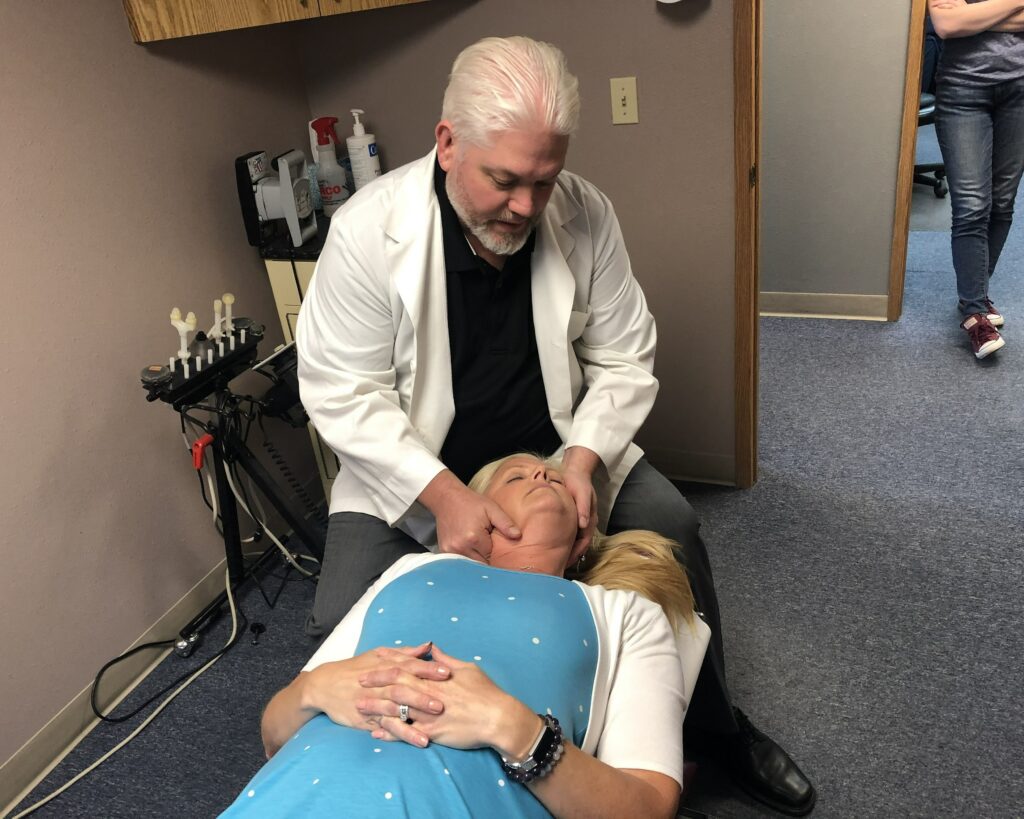

You might be surprised to learn how chiropractic care can naturally enhance your relaxation. By focusing on spinal health, gentle adjustments not only alleviate pain but also help release built-up tension in your body. When paired with mindful techniques like deep breathing and proper posture, the results can be even more profound. But there's more to it than just adjustments and breathing—certain lifestyle changes can greatly impact your overall stress levels. Curious about how to create a calming environment that complements your chiropractic experience?
Understanding Chiropractic Care
Chiropractic care focuses on the relationship between your spine and overall health. This holistic approach emphasizes how spinal alignment affects your body's function and well-being. When your spine is misaligned, it can lead to various health issues, ranging from pain to impaired organ function. By correcting these misalignments, known as subluxations, chiropractors help restore your body's natural balance.
You've probably heard about adjustments, the primary technique used in chiropractic care. During an adjustment, a chiropractor applies precise, controlled force to specific joints in your spine. This process helps improve mobility, reduce pain, and enhance the nervous system's function. It's a non-invasive, drug-free method aimed at promoting ideal health.
Understanding chiropractic care also means recognizing the importance of preventative measures. Regular check-ups can help you identify potential issues before they develop into more significant problems. Your chiropractor will work with you to develop a personalized plan that addresses your specific needs, lifestyle, and health goals.
Chiropractors often focus on educating you about maintaining a healthy spine through posture, ergonomics, and exercise. They may provide guidance on stretches and strengthening exercises, which can support your spine's health and function.
Benefits of Chiropractic Adjustments
When you receive chiropractic adjustments, you're likely to experience a range of benefits that can enhance your overall well-being. These adjustments target misalignments in your spine, promoting better health and function. Here are some key benefits you can expect:
- Pain Relief: Chiropractic adjustments can considerably reduce pain in your back, neck, and joints. By aligning your spine, you relieve pressure on nerves and tissues, leading to less discomfort.
- Improved Mobility: Regular adjustments help restore range of motion in your joints. You'll find it easier to perform daily activities and enjoy your favorite hobbies without restrictions.
- Enhanced Posture: Poor posture can lead to various health issues, including chronic pain. Chiropractic care encourages proper alignment, which improves your posture, making you feel more confident and energized.
- Better Sleep Quality: Many people report improved sleep patterns after receiving chiropractic adjustments. By alleviating pain and tension, you'll find it easier to relax and enjoy restful nights.
Incorporating chiropractic adjustments into your wellness routine can lead to a healthier, more balanced life.
You'll not only feel the immediate benefits but also develop long-term improvements in your physical and mental well-being.
Consider scheduling an appointment with a chiropractor to experience these advantages for yourself. You deserve to feel your best!
Stress Reduction Techniques
When you're feeling overwhelmed, incorporating stress reduction techniques can make a big difference.
Breathing exercises can calm your mind, while mindfulness practices enhance the benefits of chiropractic care.
Let's explore how these approaches can help you find balance and relaxation in your daily life.
Breathing Exercises Benefits
Breathing exercises offer a powerful way to reduce stress and promote relaxation. By focusing on your breath, you can create a calming effect that helps you manage anxiety and tension.
Here are some key benefits you'll experience when incorporating breathing exercises into your routine:
- Lowered Heart Rate: Slow, deep breathing signals your body to relax, which can help decrease your heart rate and lower blood pressure.
- Improved Focus: Concentrating on your breath can clear your mind, enabling you to focus better on the present moment and reducing racing thoughts.
- Enhanced Mood: Practicing breathing techniques can stimulate the release of endorphins, which are natural mood lifters that help combat stress.
- Increased Energy: Deep breathing increases oxygen flow to your body, helping you feel more energized and alert.
Integrating these exercises into your daily life doesn't require much time or space.
Whether you're at home, work, or even on the go, taking a few moments to focus on your breath can make a significant difference in your stress levels, paving the way for a more relaxed and centered you.
Mindfulness and Chiropractic Integration
Integrating mindfulness with chiropractic care can amplify your stress reduction efforts, enhancing both mental and physical well-being.
When you practice mindfulness alongside your chiropractic sessions, you become more aware of your body and its sensations. This heightened awareness helps you identify areas of tension and stress, allowing you to address them more effectively.
Start by incorporating mindfulness techniques during your chiropractic visits. Focus on your breath and visualize the release of tension as your chiropractor works on your spine. This connection deepens your relaxation and maximizes the benefits of the adjustment.
After your session, continue practicing mindfulness in your daily life. Set aside a few minutes each day for meditation, mindful walking, or simply being present in the moment.
Breathing Exercises and Alignment
When you practice deep breathing techniques, you're not just calming your mind; you're also promoting better posture and alignment.
Focusing on your breath helps you become more aware of how your body is positioned, allowing for a more relaxed state.
Mindfulness through breath can greatly enhance your overall relaxation experience.
Deep Breathing Techniques
Amidst the hustle and bustle of daily life, finding moments to center yourself can be transformative.
Deep breathing techniques are a powerful way to promote relaxation and enhance your overall well-being. By focusing on your breath, you can reduce stress and create a sense of calm.
Here's how to get started with deep breathing exercises:
- Find a Quiet Space: Choose a comfortable spot where you won't be disturbed. This helps you focus solely on your breathing.
- Sit or Lie Down Comfortably: Position yourself in a way that feels relaxing. You can sit cross-legged or lie flat on your back.
- Inhale Deeply: Breathe in slowly through your nose, allowing your abdomen to rise. Aim for a count of four seconds.
- Exhale Fully: Release your breath through your mouth, letting your body relax with a count of six seconds.
Repeat this cycle for a few minutes.
Integrating deep breathing techniques into your daily routine can greatly improve your mental clarity and emotional balance, helping you navigate life's challenges with ease.
Posture and Alignment
Deep breathing techniques not only improve relaxation but also highlight the importance of good posture and alignment. When you practice deep breathing, you naturally engage your core muscles and align your spine. This connection between breath and posture can greatly enhance your overall well-being.
To get the most out of your deep breathing exercises, pay attention to your alignment. Sit or stand tall, with your shoulders relaxed and your chin parallel to the ground. This position helps open your chest, allowing for deeper, more effective breaths. As you inhale, visualize your breath filling your lungs and expanding your ribcage. When you exhale, consciously release any tension in your body, especially in your neck and shoulders.
Incorporating regular check-ins on your posture throughout the day can also improve relaxation. Whether you're working at a desk or lounging on the couch, make sure your body is aligned correctly. Simple adjustments can prevent discomfort and stress, making it easier to maintain a calm state of mind.
Mindfulness and Relaxation
Mindfulness plays a crucial role in relaxation, especially when combined with effective breathing exercises and proper alignment. By practicing mindfulness, you can enhance your overall well-being and reduce stress levels.
Here are some practical steps to incorporate mindfulness into your daily routine:
- Deep Breathing: Take a moment to focus on your breath. Inhale deeply through your nose, hold for a few seconds, then exhale slowly through your mouth. Repeat this several times to calm your mind.
- Body Scan: Sit or lie down comfortably. Close your eyes and mentally scan your body from head to toe. Notice any tension or discomfort, and consciously release it.
- Posture Check: Verify your spine is aligned. Sit or stand tall, with your shoulders relaxed and your head aligned over your spine. This promotes relaxation and helps with deep breathing.
- Mindful Movement: Incorporate gentle stretches or yoga into your routine. Focus on how your body feels with each movement to cultivate mindfulness and promote relaxation.
Incorporating Massage Therapy
Incorporating massage therapy into your chiropractic care can enhance your overall relaxation and wellness. When combined, these two practices work synergistically to relieve tension, improve circulation, and promote a greater sense of calm. If you're already seeing a chiropractor, consider adding regular massage sessions to your routine for maximum benefits.
Massage therapy targets soft tissues in your body, including muscles, tendons, and ligaments. By addressing these areas, you can alleviate pain and discomfort that might be affecting your mobility and overall well-being. It's a great complement to chiropractic adjustments, as both therapies focus on restoring balance and harmony within your body.
You might find that after receiving a chiropractic adjustment, a massage helps to maintain that newfound alignment. The gentle pressure and manipulation from a massage can assist in relaxing your muscles, making it easier for your chiropractor to perform adjustments.
Additionally, massage therapy can reduce the buildup of stress hormones like cortisol, allowing your body to heal and recharge more effectively.
As you explore this combination, communicate with both your chiropractor and massage therapist about your specific needs and goals. They can tailor treatments to address any particular areas of tension or discomfort.
Importance of Posture
Good posture plays an essential role in your overall health and well-being. When you maintain proper alignment of your spine and body, it can lead to numerous benefits that enhance your daily life.
Whether you're sitting at a desk, standing, or engaging in physical activities, being mindful of your posture can make a considerable difference.
Here are four key reasons why good posture is important:
- Reduces Pain: Proper posture helps alleviate strain on your muscles and ligaments. This can considerably reduce neck, back, and shoulder pain, allowing you to move freely and comfortably.
- Improves Breathing: When you sit or stand upright, your diaphragm can function more effectively. This allows for deeper, fuller breaths, which can help you feel more relaxed and energized.
- Boosts Confidence: Good posture not only affects how you feel physically but also impacts your mental state. Standing tall can boost your confidence and make you feel more assertive in social situations.
- Enhances Focus: When you're aligned correctly, your body can function more efficiently. This can lead to improved concentration and productivity, helping you stay engaged with tasks throughout the day.
Stretching for Relaxation
Regularly stretching can be a powerful tool for relaxation and stress relief. When you incorporate stretching into your daily routine, you're not only enhancing your flexibility but also encouraging your body to release tension. This simple practice can help alleviate stress and promote a sense of calm.
Start by setting aside a few minutes each day to focus on your body. Find a quiet space where you can comfortably stretch. Begin with gentle stretches targeting major muscle groups, like your neck, shoulders, and back. As you stretch, pay attention to your breath; inhaling deeply helps increase the benefits of each movement.
Incorporate stretches like the cat-cow pose or neck rolls to alleviate tightness. These movements help release endorphins, your body's natural feel-good chemicals, which can notably improve your mood.
You might also consider using a foam roller or massage ball to target specific areas of tension. By applying pressure to tight spots, you can further enhance relaxation. Remember, it's important to listen to your body; don't push yourself too hard. Stretching should feel good, not painful.
As you become more attuned to your body's needs, you'll likely find that regular stretching reduces overall stress and enhances your well-being.
Whether you're at home, at work, or even on the go, a few moments of stretching can provide the relief you need, making it easier to approach your day with a clear mind and relaxed body.
Creating a Calm Environment
Creating a calm environment is just as essential as incorporating stretching into your routine for relaxation. Your surroundings can greatly impact your mood and stress levels.
By making a few simple adjustments, you can create a space that promotes tranquility and enhances the benefits of your chiropractic care. Here are four effective ways to cultivate that serene atmosphere:
- Declutter: Remove unnecessary items from your space. A tidy environment can reduce visual distractions and help you feel more at ease.
- Adjust Lighting: Use soft, warm lighting instead of harsh overhead lights. Lamps with dimmers or candles can create a soothing ambiance that encourages relaxation.
- Incorporate Nature: Bring in plants or flowers. The presence of greenery can improve air quality and provide a calming effect. Even a small succulent can make a difference.
- Play Soft Music: Background music can greatly influence your mood. Opt for calming tunes or nature sounds to create a peaceful backdrop for your relaxation time.
Lifestyle Tips for Stress Relief
Stress relief is essential for maintaining overall well-being, and integrating simple lifestyle changes can make a significant difference.
Start by prioritizing regular physical activity. Whether it's a brisk walk, yoga, or dancing, moving your body releases endorphins that elevate your mood and reduce stress. Aim for at least 30 minutes of exercise most days of the week.
Next, pay attention to your diet. Fueling your body with nutritious foods helps stabilize your energy levels. Incorporate plenty of fruits, vegetables, whole grains, and lean proteins. Don't forget to stay hydrated; dehydration can lead to increased stress levels.
Establish a consistent sleep routine. Aim for 7-9 hours of quality sleep each night. Create a calming pre-sleep ritual, such as reading or meditating, to prepare your mind for rest. Reducing screen time before bed can also improve sleep quality.
Make time for hobbies and activities that bring you joy. Whether it's painting, gardening, or playing an instrument, engaging in enjoyable activities helps distract you from stressors and fosters relaxation.
Finally, practice mindfulness techniques. Incorporate meditation, deep breathing exercises, or even short moments of gratitude into your daily routine. These practices can ground you and help you respond to stress with greater resilience.
Conclusion
Incorporating chiropractic care into your relaxation routine can make a world of difference. By focusing on spinal health, practicing mindfulness, and creating a serene environment, you can greatly reduce stress and enhance your overall well-being. Remember to prioritize good posture, regular stretching, and consider adding massage therapy for added benefits. Embrace these natural ways to relax, and you'll not only feel better physically but also enjoy a greater sense of calm in your daily life.