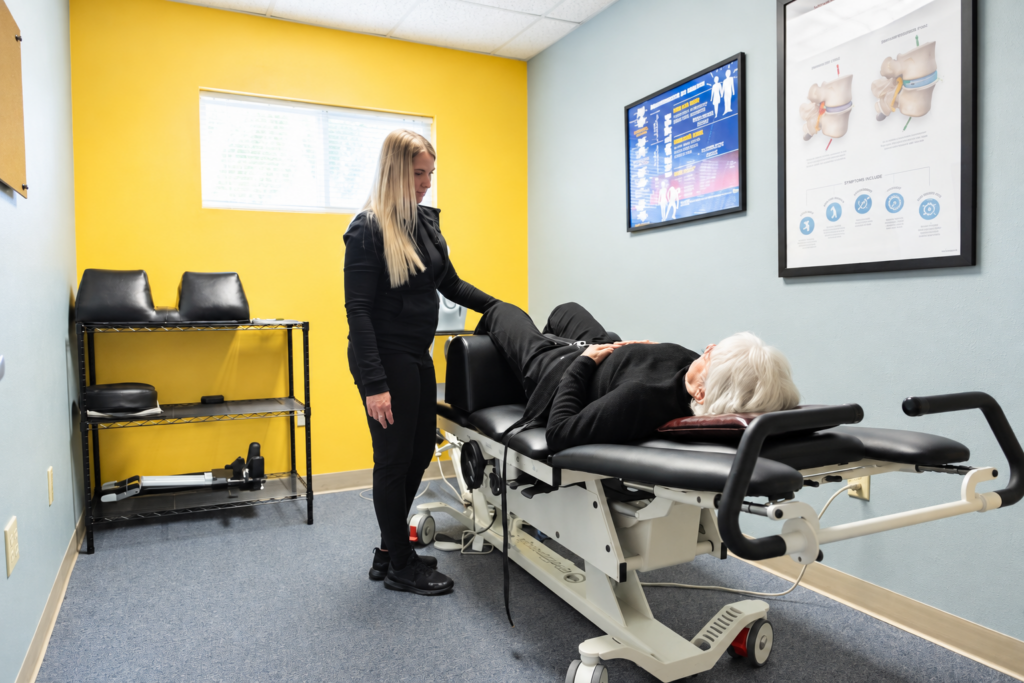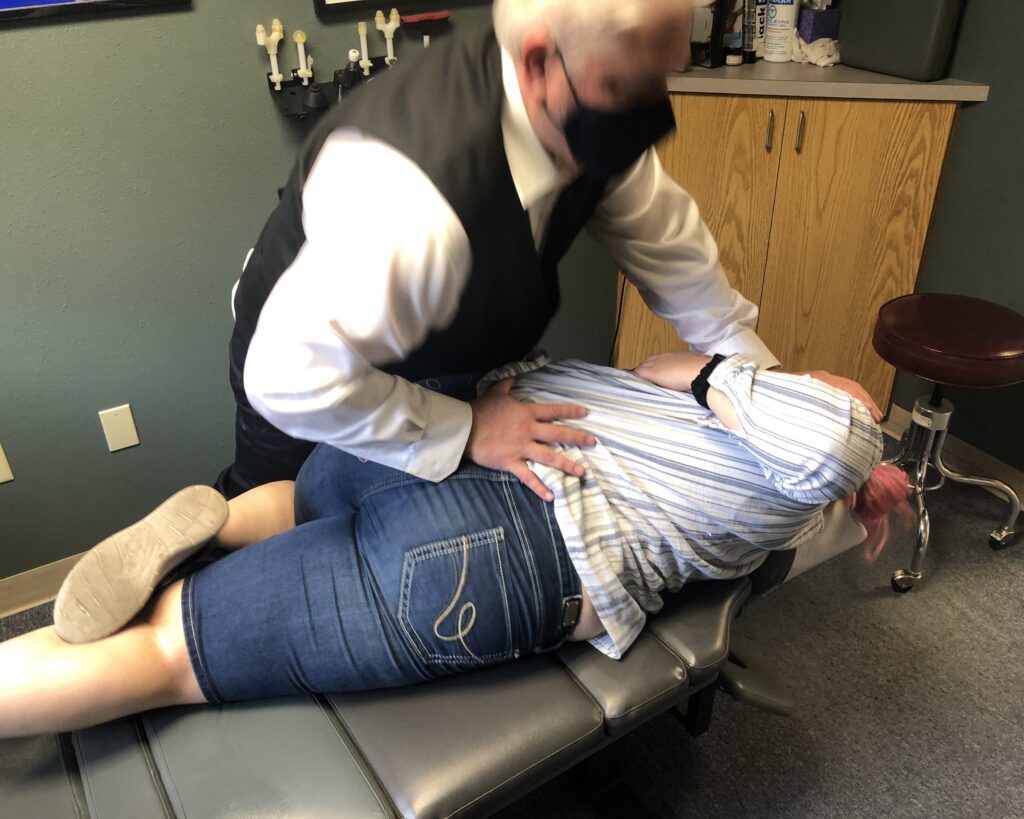

As a local chiropractor, I want to share some valuable insights on finding relief from neurological disorders through natural healing methods. Many people may not realize that chiropractic care can play a significant role in improving your overall well-being and managing these conditions. We offer a variety of treatment options, from spinal adjustments to holistic therapies, each designed to address your unique needs.
Chiropractic care focuses on the connection between the spine and the nervous system, and by ensuring proper alignment, we can help alleviate many symptoms associated with neurological disorders. You may find that certain natural approaches resonate with you more than others, depending on your specific situation and health goals.
Understanding these effective strategies is crucial, and exploring chiropractic care could be a key step in your journey towards better health. If you're curious about how natural healing can support your well-being, let's discuss some of the most beneficial treatments that you might consider as part of your recovery plan.
Medication Options
As a local chiropractor, I want to share some insights about managing neurological disorders through natural healing and alternative approaches. While many people rely on medications to manage symptoms and improve their quality of life, there are also holistic options that might complement or even enhance your treatment plan.
Chiropractic care focuses on the connection between the spine and the nervous system. By optimizing spinal alignment and function, we can potentially support neurological health. For example, if you're experiencing seizures related to epilepsy, chiropractic adjustments may help improve communication within the nervous system, which could contribute to better overall brain function.
If you're dealing with mood fluctuations, such as those associated with depression, chiropractic care can also play a role. By alleviating physical tension and promoting relaxation through spinal adjustments, we may help stabilize your mood naturally.
For patients with conditions like multiple sclerosis, incorporating chiropractic care could assist in maintaining mobility and reducing discomfort. While we can't modify the disease itself, our goal is to support your body in functioning at its best, potentially enhancing the effectiveness of other treatments you may be receiving.
Pain management is another area where chiropractic care shines. Many individuals with neuropathy or migraines find relief through targeted adjustments and therapies that promote healing in the body without relying solely on medications. By addressing the root causes of pain, we can help improve your daily functioning and overall well-being.
It is essential to communicate openly with your healthcare provider about your chiropractic care and other holistic options. Just as with medications, consistency is key. Regular chiropractic visits can help maintain the benefits you gain, and we can work together to adjust your care plan based on your progress and needs.
Ultimately, exploring chiropractic care and natural healing can empower you on your journey to reclaim control over your health and improve your quality of life. Embracing a comprehensive approach can lead to a more balanced and fulfilling lifestyle.
Physical Therapy
Understanding the advantages of chiropractic care can be transformative for managing neurological disorders. Through specific adjustments and holistic techniques, chiropractic treatment aims to improve your body's alignment, mobility, and overall function. These enhancements can significantly elevate your quality of life and daily activities.
When you visit a chiropractor, they'll assess your individual needs and develop a customized care plan tailored to your unique condition. This personalized approach ensures that you're addressing the most critical areas affecting your health. You may focus on techniques that promote spinal health and nervous system function, which can be particularly beneficial if you're experiencing symptoms like muscle tightness or reduced range of motion.
In addition, chiropractic care often incorporates methods such as spinal manipulation, soft tissue therapy, and rehabilitation exercises. These strategies can help alleviate discomfort, enhance muscle function, and retrain your body for more efficient movement. As you advance through your treatment, you may find a growing sense of empowerment in your physical capabilities.
Regularity is vital; attending consistent sessions and practicing recommended exercises at home will yield the best outcomes. Your chiropractor will provide guidance on proper techniques and safety measures to ensure you're performing movements correctly during your sessions.
Lastly, it's essential to recognize the mental benefits of chiropractic care. It can help diminish feelings of isolation and frustration commonly linked with neurological disorders. By setting and achieving health goals, you'll not only enhance your physical well-being but also foster improvements in your mental health.
Occupational Therapy
Chiropractic care plays a vital role in supporting individuals with neurological disorders by promoting overall well-being and enhancing daily functioning. By focusing on your unique needs and health goals, chiropractors design treatment plans that help improve your body's ability to perform everyday tasks.
Whether you're recovering from a stroke, managing multiple sclerosis, or dealing with Parkinson's disease, chiropractic adjustments and therapies can significantly enhance your quality of life.
Your journey will begin with a comprehensive evaluation to identify your specific challenges and strengths. During this assessment, your chiropractor will examine your spinal alignment, nerve function, and overall physical condition.
Based on their findings, they'll create a personalized treatment plan that may involve spinal adjustments, exercises to improve mobility, and techniques to support cognitive function.
One important aspect of chiropractic care is using engaging activities to motivate you toward recovery. For instance, if cooking is a cherished activity, your chiropractor may suggest exercises that strengthen your back and arms, allowing you to move more freely in the kitchen.
They may also recommend ergonomic tools or modifications to make your cooking experience more enjoyable and less taxing on your body.
As you progress through your treatment, you'll receive continuous support to help you adapt to any changes in your health condition.
The ultimate aim is to empower you with a sense of independence and confidence in your physical abilities. By equipping you with effective strategies and natural healing methods, chiropractic care can truly transform your daily life, helping you feel more connected and engaged in your surroundings.
Cognitive Behavioral Therapy
As a local chiropractor, I want to share with you a powerful approach to managing the emotional challenges that can arise from neurological disorders—Cognitive Behavioral Therapy (CBT). While my focus is on physical health through chiropractic care, I believe it's important to consider the mind-body connection in your overall well-being.
CBT is a therapeutic method that emphasizes identifying and reshaping negative thought patterns, which can help you cope more effectively with feelings of anxiety, depression, or stress related to your condition.
When you work with a trained therapist in CBT, you'll learn practical skills that can change your thinking and lead to healthier emotional responses. This is similar to how we address physical issues in chiropractic care—by focusing on the root causes and enhancing your body's natural ability to heal itself.
In CBT sessions, various techniques such as cognitive restructuring, mindfulness, and problem-solving strategies are utilized. For example, you may recognize unhelpful thoughts like "I can't handle this." Through CBT, you can reframe this thought to something more constructive, such as "I can manage this one step at a time." This shift can empower you to tackle challenges with greater confidence, much like how we help patients build strength and resilience in their physical health.
CBT is especially beneficial for individuals with neurological disorders because it provides valuable tools to manage symptoms and improve your quality of life. It addresses immediate emotional concerns while fostering a deeper understanding of how your thoughts influence your feelings and behaviors—just as we explore how physical alignment affects overall health.
Numerous studies have shown the effectiveness of CBT in reducing anxiety and depression in people with chronic health conditions. This makes it a recommended option for those navigating the complexities of neurological disorders.
If you're interested in exploring CBT, I encourage you to consult a mental health professional to see how it can complement your journey toward better health and well-being. Remember, healing is a holistic process that involves both the mind and body.
Dietary Interventions
As a local Chiropractor, I want to share how important your diet can be when it comes to managing neurological disorders.
What you choose to eat can play a significant role in your overall brain health. By incorporating anti-inflammatory foods, nutrient-rich supplements, and maintaining proper hydration, you can support your neurological well-being naturally.
Let's delve into how these dietary interventions can enhance your health and complement the chiropractic care you receive.
Together, we can work towards improving your quality of life through a holistic approach!
Anti-inflammatory Foods
As a local Chiropractor dedicated to promoting natural healing and overall wellness, I want to emphasize the profound impact that incorporating anti-inflammatory foods into your diet can have on your neurological health and overall well-being.
Reducing inflammation is crucial, as it's often linked to various neurological disorders. By selecting the right foods, we can support not just your brain function but also enhance your quality of life.
I recommend starting with a variety of fruits and vegetables, particularly those high in antioxidants, such as berries, leafy greens, and cruciferous vegetables.
These nutrient-dense foods help combat inflammation and are packed with essential vitamins and minerals that nourish your brain.
Healthy fats are also important for your diet. Incorporate sources such as avocados, olive oil, and fatty fish like salmon.
These foods are rich in omega-3 fatty acids, which are well-known for their anti-inflammatory properties.
Additionally, nuts and seeds make for excellent snack options. They're nutrient-rich and can be easily integrated into your meals.
Don't forget about spices like turmeric and ginger; these potent ingredients offer significant anti-inflammatory benefits.
Try adding them to your cooking to maximize their health advantages.
By making these dietary changes, you can support your body's natural healing processes and enhance your overall health.
If you have any questions or would like further guidance on how to incorporate these foods into your lifestyle, feel free to reach out during your next visit!
Nutrient-Dense Supplements
As a local chiropractor dedicated to your overall health and well-being, I want to emphasize the importance of not only chiropractic care but also the role of nutrition in supporting your neurological health. Incorporating nutrient-dense supplements into your routine can significantly enhance your brain function and overall vitality.
One key area to focus on is omega-3 fatty acids. These healthy fats are known for their anti-inflammatory benefits and can play a crucial role in improving cognitive function. By including omega-3s in your diet, you're taking a proactive step toward enhancing your brain health.
Additionally, B vitamins, especially B6, B9, and B12, are vital for maintaining healthy nerve cells and reducing the risk of neurological disorders. You can find these essential nutrients in high-quality multivitamins or specific supplements designed to meet your unique needs.
Another important mineral to consider is magnesium. It supports nerve transmission and overall brain health, and many individuals are actually deficient in magnesium. Supplementing with this mineral can lead to significant improvements in your neurological well-being.
Don't forget about the power of antioxidants such as vitamins C and E. These nutrients help fight oxidative stress, which is often linked to neurological decline. By integrating these nutrient-dense supplements into your daily regimen, you're actively supporting your brain health and potentially alleviating any symptoms associated with neurological disorders.
As your chiropractor, I encourage you to explore these options and discuss them with me during your next visit. Together, we can create a comprehensive approach to your health that includes both chiropractic care and nutritional support for a healthier, happier you.
Hydration Importance
As a local chiropractor dedicated to your overall well-being, I want to emphasize the often-overlooked importance of hydration for your neurological health. Did you know that your brain is composed of about 75% water? This makes staying well-hydrated crucial for optimal cognitive function, mood stability, and mental clarity.
Even mild dehydration can hinder your brain's ability to perform tasks effectively, leading to headaches, fatigue, and irritability.
I recommend aiming for at least eight 8-ounce glasses of water each day to ensure you're properly hydrated. However, it's important to remember that everyone's hydration needs can differ based on factors like physical activity levels, climate, and individual health conditions.
Listen to your body—if you're feeling thirsty, that's your cue to drink more water.
In addition to drinking water, incorporating hydrating foods into your diet can significantly benefit your hydration levels. Foods such as cucumbers, watermelon, and oranges not only provide hydration but also deliver essential nutrients that support your health.
Also, be mindful of your intake of dehydrating beverages like caffeinated drinks and alcohol, as these can contribute to fluid loss.
At our chiropractic practice, we believe in a holistic approach to health, and proper hydration plays a vital role in your overall wellness.
Let's work together to ensure you're making choices that support both your physical and mental health!
Alternative Therapies
As a local chiropractor, I want to introduce you to some alternative therapies that can complement your care and support your neurological health.
Techniques such as acupuncture, herbal remedies, and mindfulness practices can provide significant relief and enhance your overall well-being.
Let's delve into how each of these therapies can play a role in your healing journey.
Acupuncture involves the precise insertion of needles at specific points in the body to stimulate healing and balance energy flow.
Many of my patients have reported improvements in their neurological symptoms after incorporating acupuncture into their routine.
Herbal remedies, when used appropriately, can offer natural support for your body's healing processes.
They may help reduce inflammation and promote relaxation, which can be beneficial for neurological function.
Mindfulness techniques, including meditation and deep breathing exercises, can help manage stress and improve mental clarity.
These practices not only support your emotional well-being but can also have a positive impact on your neurological health.
Acupuncture for Symptom Relief
As a local chiropractor, I want to share the benefits of acupuncture as a complementary therapy for managing symptoms associated with neurological disorders. This ancient practice involves the careful insertion of thin needles into specific points on your body, promoting balance and aiding in natural healing processes.
Many of my patients have found that acupuncture helps alleviate pain, reduce stress, and enhance their overall well-being. Research indicates that this therapy can stimulate your nervous system, leading to the release of endorphins and other neurotransmitters. This can improve your mood and decrease anxiety, which is especially beneficial for those navigating neurological conditions.
As a result, you might experience reduced muscle tension and improved blood circulation, helping to alleviate symptoms like headaches and chronic pain.
If you're considering acupuncture, it's crucial to consult with a qualified practitioner who understands your specific condition. They can customize the treatment to meet your individual needs. Many patients leave their sessions feeling relaxed and rejuvenated, making acupuncture an appealing option for symptom relief.
While it's important to note that acupuncture isn't a cure for neurological disorders, it can effectively complement other treatments you may be receiving. By integrating this therapy into your wellness routine, you could adopt a more holistic approach to managing your symptoms and enhancing your quality of life.
As your chiropractor, I'm here to support you on your journey toward better health through both chiropractic care and natural healing methods.
Herbal Remedies and Benefits
Have you ever thought about how herbal remedies can play a role in managing neurological disorders? As a chiropractor, I often emphasize the importance of natural healing methods that can support your overall well-being. Many individuals are turning to nature for relief, and I believe these options are definitely worth considering.
Herbal remedies can provide a range of benefits, including reducing inflammation, alleviating stress, and enhancing cognitive function. For instance, Ginkgo biloba is an herb that may help improve blood circulation in the brain, potentially boosting memory and cognitive clarity. Turmeric, celebrated for its anti-inflammatory properties, can combat neuroinflammation, offering relief for conditions like Alzheimer's disease.
Another noteworthy option is Ashwagandha, which may assist in reducing anxiety and promoting mental wellness.
As we explore these herbal treatments together, it's crucial to keep in mind that consulting with a healthcare professional is essential. This way, we can tailor your approach to include the right herbs and dosages that suit your individual needs. It's also important to be aware of any possible interactions with medications you might be taking.
Incorporating herbal remedies into your health routine can complement traditional chiropractic care and enhance your quality of life. By considering these natural options, you may find new ways to effectively manage your neurological symptoms.
#
Mindfulness and Meditation
Techniques
As a local chiropractor, I want to share some insights about how mindfulness and meditation techniques can be beneficial, especially for those managing neurological disorders. These practices can help you cultivate awareness and focus, which can significantly reduce the stress and anxiety often linked to these conditions.
By dedicating just a few minutes each day to mindfulness, you can create a soothing environment for your mind and body.
To begin, find a quiet space in your home or office where you won't be disturbed. Sit comfortably and take several deep breaths. As you inhale, concentrate on the sensation of air filling your lungs; as you exhale, consciously release any tension you might be holding.
If you're unsure where to start, consider using guided meditation apps or videos, as they can provide helpful structure and support during your practice.
Additionally, you can weave mindfulness into your everyday activities. For instance, when you're eating, take the time to savor each bite and notice the flavors and textures of your food. This practice not only heightens your experience but also helps ground you in the present moment, which is essential for overall well-being.
Research indicates that regular meditation can enhance brain function and improve emotional regulation, making it a valuable complement to your chiropractic treatment.
I encourage you to explore mindfulness and meditation; they could offer you the relief and clarity you've been seeking on your healing journey.
Neurostimulation Techniques
As a local chiropractor, I want to introduce you to some innovative neurostimulation techniques that can provide effective management for various neurological disorders. These methods utilize electrical impulses to modulate nerve activity, offering hope for those whose symptoms may not have responded to traditional therapies.
If you're dealing with conditions such as chronic pain, epilepsy, or Parkinson's disease, these techniques might be particularly beneficial for you.
One technique you may find interesting is transcranial magnetic stimulation (TMS). This non-invasive procedure employs magnetic fields to stimulate nerve cells in the brain, potentially alleviating symptoms of depression and anxiety. If you're looking for a natural alternative to medication, TMS could be a valuable option to explore.
Another technique that has shown promise is deep brain stimulation (DBS). This involves implanting a device that delivers electrical impulses to specific areas of the brain. DBS has been effective in managing symptoms of Parkinson's disease, including tremors and rigidity. It's important to consult with a specialist to determine if this approach is right for you.
Additionally, peripheral nerve stimulation (PNS) is gaining recognition as a method for managing chronic pain. By delivering tiny electrical pulses to targeted nerves, PNS can provide significant relief for patients who've struggled with traditional pain management strategies.
Lastly, spinal cord stimulation (SCS) is another option worth considering. This technique involves implanting a device near the spinal cord, which modulates pain signals before they reach the brain. Many patients report improved mobility and reduced pain levels with SCS.
If you're curious about neurostimulation techniques, I encourage you to discuss these options with a healthcare provider who can help you find the most suitable solutions tailored to your specific needs.
## Mindfulness and Meditation
As a local chiropractor, I want to highlight the benefits of mindfulness and meditation in managing neurological disorders.
These practices can serve as powerful tools alongside chiropractic care to help you reduce stress, improve focus, and enhance emotional regulation.
By incorporating mindfulness and meditation into your daily routine, you can support your overall well-being and promote a more balanced state of mind.
Let's delve into how these holistic techniques can complement your healing journey.
Stress Reduction Techniques
In today's fast-paced world, it's crucial to find ways to manage stress, especially if you're living with neurological disorders. Stress can worsen symptoms, which is why it's important to embrace effective stress reduction techniques.
As a chiropractor, I often emphasize the benefits of natural healing methods such as mindfulness and meditation to promote a sense of calm and well-being.
Mindfulness is a practice that encourages you to focus on the present moment. By paying attention to your thoughts and feelings without judgment, you can respond to stressors more effectively. Just dedicating a few minutes each day to mindfulness can significantly improve how you tackle everyday challenges.
Meditation is another powerful tool for achieving relaxation. I recommend trying guided meditation, where you listen to a recording that leads you through calming exercises. Additionally, practicing deep breathing can help anchor your thoughts and bring your mind to a peaceful state.
Incorporating these techniques into your daily routine can't only reduce stress but also enhance your overall health.
Enhanced Focus Benefits
As a local chiropractor, I want to share with you the incredible benefits of incorporating mindfulness and meditation into your daily routine, especially when it comes to enhancing your focus. Many people don't realize that our mental and physical health are closely interconnected. By practicing mindfulness, we can reduce stress and improve our ability to concentrate, which ultimately supports our overall well-being.
When you take the time to engage in mindfulness exercises, you become more aware of your thoughts and how they affect your body. This awareness is key to identifying distractions that can disrupt your focus. By learning to let go of these distractions, you can foster a deeper sense of concentration.
Just like how regular chiropractic adjustments can lead to lasting improvements in your physical health, consistent meditation practice can create positive changes in your brain, enhancing cognitive functions related to attention.
As you cultivate this skill, you may notice that tasks that once felt overwhelming become more manageable. With improved focus, you can face daily challenges with greater efficiency and effectiveness. The benefits of enhanced concentration extend beyond work or study; they can enrich your interactions with others and elevate your overall quality of life.
Incorporating mindfulness and meditation into your routine is a natural and effective way to boost your concentration. So, I encourage you to take just a few minutes each day to ground yourself and sharpen your focus. Trust me, it can make a world of difference in how you feel physically and mentally.
Emotional Regulation Skills
As a local chiropractor, I want to share how developing emotional regulation skills can positively influence your overall well-being, including your physical health. Many people may not realize that our emotional state can significantly impact our body, and chiropractic care can play a role in this connection.
One effective way to enhance your emotional regulation is through mindfulness and meditation. These practices can help you become more aware of your thoughts and feelings without judgment. By understanding your emotional triggers, you can learn to respond thoughtfully instead of reacting impulsively, which can lead to tension and discomfort in your body.
Meditation provides a valuable opportunity to calm your mind and focus on the present. Regular practice can help alleviate stress and anxiety, making it easier for you to navigate emotional challenges. You don't need to dedicate hours to this practice; starting with just a few minutes each day, focusing on your breath or repeating a calming mantra, can lead to significant benefits over time.
Incorporating mindfulness into your daily life can also support your emotional regulation. Simple activities like mindful eating or taking a walk can help you stay grounded and connected to your body.
When faced with difficult emotions, I encourage you to pause, take a deep breath, and observe what you're feeling. This simple shift can't only improve your emotional responses but also contribute to your physical health by reducing tension and promoting relaxation.
As your chiropractor, I'm here to support you in achieving a balanced and healthy life. By integrating mindfulness and meditation into your routine, you can enhance your emotional well-being, which in turn can lead to better physical health and a greater sense of overall wellness.
Support Groups
Support groups can be a vital resource for individuals grappling with neurological disorders, and as a local chiropractor, I want to emphasize the importance of these communities in your healing journey. When navigating the complexities of a neurological condition, it can often feel isolating, but connecting with others who share similar experiences can help break that isolation and foster a sense of belonging.
In support groups, you have the opportunity to engage with others facing comparable challenges. Sharing your experiences can be incredibly therapeutic, allowing you to express your frustrations, fears, and hopes in a supportive environment. You may discover valuable insights from fellow members who've navigated similar paths, including holistic coping strategies that have been effective for them.
Additionally, many support groups serve as a platform for education. They may invite guest speakers, such as healthcare professionals, including chiropractors like myself, to share information about treatment options, emerging research, and practical tips for managing daily life with a neurological condition. This knowledge can empower you to take an active role in your own care, complementing the chiropractic approach that focuses on natural healing and overall wellness.
The emotional support you receive from group members can also be incredibly beneficial. Realizing that you aren't alone in your struggles can significantly boost your morale and resilience. Many participants find comfort in knowing that others are there to listen, empathize, and encourage, which aligns beautifully with the supportive atmosphere we strive to create in our chiropractic practice.
If you're interested in joining a support group, I encourage you to seek out local or online options that focus on your specific disorder. Engaging with a community of individuals who understand your journey can make a remarkable difference in your pursuit of relief and healing, especially when combined with the natural healing methods we offer in chiropractic care.
Lifestyle Modifications
As a local chiropractor, I want to help you understand how effective lifestyle modifications can significantly enhance your well-being, especially when dealing with neurological disorders. You may not realize it, but making small adjustments to your daily routine can lead to profound improvements in your health and quality of life.
First and foremost, let's talk about the importance of a balanced diet. Consuming nutrient-rich foods—like fresh fruits, vibrant vegetables, whole grains, and lean proteins—provides your body with essential vitamins and minerals that support brain health. Hydration is equally critical; drinking enough water not only promotes cognitive function but also helps maintain your energy levels throughout the day.
Next, I encourage you to embrace regular physical activity. Exercise is a powerful tool that can elevate your mood, alleviate stress, and boost cognitive function. Aim for at least 150 minutes of moderate aerobic activity each week, complemented by strength training exercises. Even gentle activities such as walking or practicing yoga can have a positive impact on your overall health.
Sleep is also a crucial component of your wellness routine. Establishing a regular sleep schedule that allows for 7-9 hours of quality rest each night can do wonders for your mind and body. A well-rested mind is far better equipped to tackle daily challenges and manage symptoms effectively.
Additionally, don't overlook the benefits of stress management techniques. Incorporating mindfulness practices—like meditation or deep-breathing exercises—into your daily life can help you remain grounded and significantly reduce anxiety levels.
Finally, I'd like to emphasize the importance of maintaining social connections. Engaging with friends and family provides invaluable emotional support, which is vital for your mental health. Participating regularly in activities that bring you joy can also enhance your mood and overall sense of well-being.
As your chiropractor, I'm here to support you on your journey toward better health through natural healing and lifestyle modifications. Together, we can explore these changes to help you achieve optimal wellness.
Conclusion
As a local Chiropractor, I want to share how you can find relief from neurological disorders through a holistic approach that focuses on natural healing. Understanding the various treatment options available can significantly enhance your quality of life. Chiropractic care, combined with appropriate medication and therapies, can play a pivotal role in your recovery.
It's essential to explore how spinal adjustments and chiropractic techniques can alleviate nerve-related issues and improve overall function. Additionally, incorporating dietary changes and mindfulness practices can support your healing journey.
Don't overlook the benefits of neurostimulation techniques and the importance of connecting with support groups to share experiences and gain encouragement. Lifestyle modifications that promote your well-being are crucial, and remember, you don't have to navigate this path alone. There is a wealth of resources and community support available to help you thrive. Embrace the potential of chiropractic care and natural healing as part of your journey to relief.