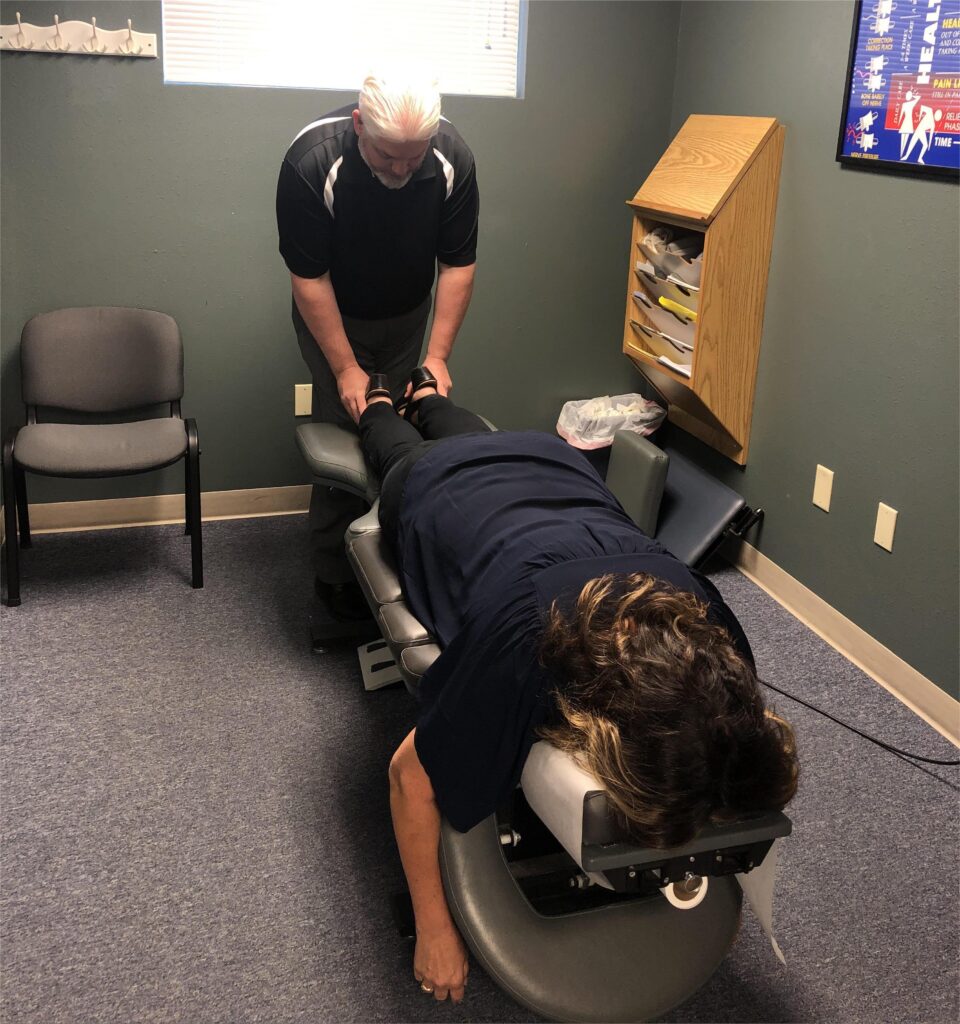

If you’re tired of relying on medications for headache relief, it’s time to consider the benefits of chiropractic care as a natural solution that addresses the root causes of your discomfort. Headaches can often stem from spinal misalignments, tension in the neck and shoulders, or poor posture. By focusing on these areas, chiropractic adjustments can help restore balance and alleviate pain without the need for medications.
In addition to chiropractic care, there are several lifestyle changes you can make that can lead to lasting headache relief. Staying well-hydrated is crucial, as dehydration can trigger headaches. Make sure you’re drinking enough water throughout the day. Nutrition also plays a vital role; a balanced diet rich in vitamins and minerals supports overall health and can help prevent headaches.
Stress management is another essential factor. Techniques such as deep breathing exercises, yoga, or meditation can help reduce tension and promote relaxation. Additionally, ensuring you have a restful sleep environment is key; aim for a consistent sleep schedule and a comfortable sleeping position to support your spine.
Curious about how chiropractic care and these adjustments can lead to a pain-free life? By prioritizing your spinal health and making these simple lifestyle changes, you can pave the way for optimal wellness and enjoy a life free from headaches. Remember, the journey to pain relief starts with a commitment to your health—embrace chiropractic care and natural solutions for a brighter, headache-free future!
Key Takeaways
Chiropractic care is an excellent option for those seeking relief from headaches without the use of medications. By focusing on spinal alignment and relieving tension, chiropractic adjustments can significantly reduce the frequency and intensity of headaches naturally.
One simple yet effective way to prevent tension headaches is to maintain good posture throughout your daily activities. Whether you’re sitting at a desk or carrying groceries, being mindful of your posture can help alleviate strain on your neck and shoulders, ultimately lowering your risk of headaches.
Incorporating regular exercise into your routine is another natural way to combat headaches. Exercise not only enhances blood circulation but also helps to reduce stress—two key factors that contribute to headache pain. Find activities you enjoy, whether it’s walking, yoga, or swimming, to make it easier to stay active.
Staying hydrated is crucial for overall health and can prevent dehydration-related headaches. Make it a habit to drink plenty of water throughout the day, and consider carrying a reusable water bottle with you to remind yourself to stay hydrated.
Establishing a consistent sleep schedule and creating a comfortable sleep environment can also make a big difference in reducing headaches caused by fatigue. Aim for a regular bedtime and wake-up time, and ensure that your bedroom is conducive to restful sleep—dark, quiet, and at a comfortable temperature.
By prioritizing these natural approaches and considering chiropractic care as your first line of defense, you can work towards a headache-free life and achieve optimal health and wellness. Remember, your spine plays a crucial role in your overall well-being, and chiropractic care can help you maintain that balance.
Understanding Headaches: Types and Triggers
Headaches can strike at any moment, often leaving you feeling overwhelmed and searching for relief. As a chiropractor, I want to emphasize the importance of understanding the types and triggers of headaches to help you manage them effectively.
Tension headaches are the most common type and can arise from stress, poor posture, or muscle tension. These headaches can often be alleviated through chiropractic care, which focuses on spinal alignment and muscle relaxation. By addressing the underlying issues, such as posture or tension in your neck and shoulders, chiropractic adjustments can help reduce the frequency and intensity of these headaches.
Migraines, which are often accompanied by nausea and sensitivity to light or sound, can also benefit from chiropractic treatment. Many individuals find that certain foods, hormonal changes, or environmental factors can trigger migraines. Keeping a headache diary can be a beneficial tool—track when headaches occur and what you were doing beforehand. This may help you identify specific triggers and allow your chiropractor to tailor your treatment plan accordingly.
Cluster headaches, although less common, are intensely painful and typically occur in cycles. While these may require a more specific treatment approach, chiropractic care can still play a role in managing the pain and discomfort associated with them.
In addition to chiropractic adjustments, here are some general tips you can incorporate into your daily life to promote wellness and minimize headaches:
- Maintain Good Posture: Pay attention to how you sit and stand throughout the day. Proper alignment can significantly impact your overall comfort and reduce the likelihood of tension headaches.
- Stay Hydrated: Dehydration can be a significant trigger for headaches. Make sure you’re drinking enough water throughout the day.
- Manage Stress: Consider incorporating relaxation techniques such as deep breathing, yoga, or meditation into your routine to help reduce stress levels.
- Get Regular Exercise: Engaging in regular physical activity can help reduce tension and improve overall body function.
- Prioritize Sleep: Ensure you’re getting enough restful sleep each night, as fatigue can contribute to headaches.
By recognizing your headache triggers and incorporating these wellness strategies, you can take proactive steps to prevent headaches from occurring. Chiropractic care is a powerful tool in your journey toward optimal health, allowing you to reclaim your days without the constant worry of pain.
The Role of Hydration in Headache Prevention
Staying hydrated is crucial for preventing headaches and maintaining overall wellness. As a chiropractor, I often see patients who suffer from headaches due to dehydration. When you don’t drink enough water, it can lead to tension in the muscles around your spine and neck, contributing to those painful episodes without you even realizing it.
Let’s explore how proper hydration can help keep those headaches at bay and support your spinal health.
- Drink Water Regularly: Aim to drink water throughout the day, rather than waiting until you feel thirsty. Keeping a water bottle handy can remind you to hydrate consistently.
- Eat Hydrating Foods: Incorporate fruits and vegetables with high water content into your meals. Foods like cucumbers, watermelon, and oranges not only hydrate you but also provide essential nutrients for your body.
- Monitor Your Hydration: Pay attention to signs of dehydration, such as dry mouth or dark yellow urine. These can be indicators that it’s time to increase your water intake.
- Chiropractic Care: Regular chiropractic adjustments can improve your spinal alignment, which can enhance your overall bodily functions, including hydration absorption. When your spine is aligned, your nervous system operates more effectively, helping to regulate your body’s hydration needs.
- Combine Hydration with Movement: Pair your hydration habits with gentle exercises or stretches that promote spinal health. Keeping your body active helps maintain proper circulation, which supports hydration at a cellular level.
Importance of Water Intake
As a local chiropractor, I want to emphasize the importance of proper hydration in achieving optimal health and wellness. Many people overlook hydration, but it plays a vital role in preventing headaches. When your body is dehydrated, it can trigger pain signals, making you more prone to headaches. By drinking enough water each day, you can support your brain function and reduce the chances of experiencing discomfort.
Here’s a straightforward breakdown of how hydration can impact headaches:
| Hydration Level | Effect on Headaches |
|---|---|
| Well-hydrated | Fewer headaches overall |
| Mildly dehydrated | Higher risk of headaches |
| Severely dehydrated | Potential for intense pain |
| Rehydrated | Relief from headache symptoms |
Incorporating hydration into your daily routine is an easy yet effective way to promote your health. Here are some tips to help you stay hydrated:
- Carry a Water Bottle: Keep a reusable water bottle with you throughout the day to remind yourself to drink water regularly.
- Set Reminders: Use your phone or a timer to remind yourself to take a water break every hour.
- Infuse Your Water: If plain water isn’t your favorite, try adding slices of fruits or herbs like lemon, cucumber, or mint for a refreshing twist.
- Eat Water-Rich Foods: Include foods like cucumbers, oranges, and watermelon in your diet, which can contribute to your overall hydration.
- Listen to Your Body: Pay attention to signs of dehydration, such as dry mouth or fatigue, and increase your water intake accordingly.
Hydration and Headache Triggers
Regularly monitoring your hydration levels can significantly impact headache triggers and overall well-being. Staying hydrated is essential for maintaining your body’s balance, which helps reduce the likelihood of headaches and supports spinal health. Here are some simple tips to ensure you’re drinking enough water and promoting your natural wellness:
- Set reminders: Consider using your phone or a hydration app to remind you to drink water throughout the day. Staying on track can be a game-changer for your health.
- Carry a water bottle: Keeping a reusable water bottle with you makes it easy to sip regularly. It’s a convenient way to ensure you’re getting enough fluids, especially if you’re out and about.
- Track your intake: Logging your daily water consumption can help you stay accountable and aware of your hydration levels. This small step can lead to big improvements in how you feel.
- Eat hydrating foods: Incorporate fruits and veggies like cucumbers, watermelon, and oranges into your diet. Not only do they taste great, but they also provide extra hydration, supporting your overall health.
Remember, proper hydration is just one piece of the puzzle for achieving optimal health.
Chiropractic care can also play a vital role in your journey towards wellness. By aligning your spine and improving nervous system function, chiropractic adjustments can enhance your body’s natural ability to heal, helping to alleviate pain and promote overall vitality. Embracing a holistic approach that includes staying hydrated and receiving chiropractic care can lead to a healthier, pain-free life.
Nutrition: Foods That Fight Headaches
When it comes to addressing headaches, incorporating certain foods into your diet can be a natural way to find relief. While chiropractic care is an excellent choice for managing pain and promoting overall wellness, the right nutrition can also play a vital role in supporting your health.
Here’s a quick guide to some of the best foods that can help fight headaches:
| Food | Benefits |
|---|---|
| Spinach | Packed with magnesium, which can help reduce muscle tension and stress |
| Salmon | Rich in omega-3 fatty acids, known for combating inflammation that can contribute to headache pain |
| Almonds | A great source of magnesium, which promotes relaxation and can help ease headache symptoms |
| Avocado | Full of potassium, essential for hydration and can help prevent headaches linked to dehydration |
| Ginger | Known for its anti-inflammatory properties and can also help reduce nausea that sometimes accompanies headaches |
Incorporating these foods into your meals can be a simple yet effective way to support your body in managing headaches. Try adding fresh spinach to your morning smoothies, enjoying a grilled salmon dish for dinner, or keeping a stash of almonds for healthy snacking throughout the day.
Stress Management Techniques for Relief
Managing stress is essential not only for preventing headaches but also for achieving overall wellness. As a chiropractor, I want to emphasize the importance of a healthy spine in your journey to stress relief.
Simple techniques like mindfulness meditation and deep breathing exercises can help calm your mind and reduce tension, but let’s not forget about the crucial role chiropractic care plays in this process.
When your spine is aligned and your nervous system is functioning optimally, your body is better equipped to handle stress. Regular chiropractic adjustments can help alleviate physical tension, improve your posture, and promote overall relaxation.
By incorporating chiropractic care into your wellness routine alongside mindfulness practices, you’ll likely notice a significant improvement in both your stress levels and your overall health.
Here are some general tips to enhance your stress management:
- Stay Active: Engage in regular physical activity, which can help release endorphins and elevate your mood.
- Prioritize Sleep: Ensure you’re getting enough restful sleep, as it’s crucial for your body to recover and manage stress effectively.
- Stay Hydrated: Drink plenty of water to keep your body functioning well and to help reduce feelings of fatigue and stress.
- Practice Good Posture: Be mindful of your posture throughout the day; maintaining good alignment can help reduce physical stress on your body.
Mindfulness Meditation Practices
Mindfulness meditation practices can play a vital role in promoting overall wellness and alleviating stress, which is often linked to headaches. By enhancing your awareness of the present moment, you can cultivate a sense of calm that contributes to reducing tension, particularly in the neck and shoulders—areas commonly affected by poor posture and spinal alignment.
Here are four simple mindfulness techniques that can complement your chiropractic care and help manage headache relief:
- Body Scan: Take a moment to focus on each part of your body. Notice any sensations or areas of tension, especially in the neck and upper back. By releasing this tension, you can support your spine’s health and overall comfort.
- Guided Visualization: Imagine a peaceful scene that brings you joy and relaxation. By immersing yourself in positive mental imagery, you can help reduce stress levels and create a more supportive environment for your body to heal naturally.
- Mindful Walking: During your walks, pay close attention to each step and the sensation of your feet connecting with the ground. This practice not only promotes mindfulness but can also improve your posture and spinal alignment, which are crucial for preventing headaches.
- Gratitude Journaling: Take a few minutes each day to write down things you’re thankful for. This shift in mindset to focus on positivity can reduce stress and improve your overall mental well-being, which is beneficial for spinal health.
Incorporating these mindfulness practices into your daily routine can significantly enhance the benefits of chiropractic care, contributing to headache relief and promoting a healthier, more balanced lifestyle.
Deep Breathing Exercises
Practicing deep breathing exercises can be an incredibly effective way to manage stress and alleviate headaches, especially when combined with chiropractic care. By concentrating on your breath, you activate your body’s natural relaxation response, which helps reduce tension and pain. Here are some simple techniques you can incorporate into your daily routine to enhance your well-being and support your spine health:
| Technique | Steps | Benefits |
|---|---|---|
| Diaphragmatic Breathing | Inhale deeply through your nose, allowing your abdomen to rise, then exhale slowly through your mouth. | Helps reduce anxiety and stress, promoting a sense of calm. |
| 4-7-8 Breathing | Inhale for 4 seconds, hold your breath for 7 seconds, then exhale for 8 seconds. | Encourages relaxation and can improve sleep quality. |
| Box Breathing | Inhale for 4 seconds, hold for 4 seconds, exhale for 4 seconds, and hold again for 4 seconds. | Enhances focus and creates a sense of calm, beneficial for overall well-being. |
Integrating these breathing exercises into your daily life can complement the benefits of chiropractic care, helping you to manage headaches more effectively. Remember, regular chiropractic adjustments can also play a significant role in reducing tension in your body and promoting optimal health. Always prioritize your spinal health and consider how natural techniques like these can enhance your journey towards a pain-free life.
The Benefits of Regular Exercise
Regular exercise can significantly help in reducing the frequency and intensity of headaches. Committing to a consistent workout routine not only enhances your physical health but also boosts your mental well-being, which can lead to effective headache relief.
As a chiropractor, I believe in the power of natural healing and would like to share some insights on how exercise can complement chiropractic care in achieving optimal health. Here are some beneficial aspects of regular exercise that can support your well-being:
- Improved Blood Circulation: Engaging in physical activity enhances blood flow throughout your body, which can help relieve tension in the head and neck areas. This is particularly beneficial for those who experience tension-type headaches.
- Stress Reduction: Exercise is a natural stress-buster. By participating in regular physical activity, you can lower the levels of stress hormones in your body and increase the production of endorphins—your body’s natural painkillers. This can be especially helpful in preventing headaches triggered by stress.
- Better Sleep: A consistent workout routine can lead to deeper and more restorative sleep. Improved sleep quality can help mitigate fatigue-related headaches, allowing you to feel more refreshed and ready to take on the day.
- Increased Resilience: Regular exercise strengthens not just your muscles but your entire body. A strong body is more resilient to headaches that may arise from physical strain, whether from poor posture or daily activities.
In addition to regular exercise, I recommend considering chiropractic care as an essential part of your wellness routine. Chiropractic adjustments can help align your spine, relieve tension, and improve overall function, which can further reduce headache occurrences.
For additional headache relief, here are some simple tips to take away:
- Stay hydrated: Dehydration can lead to headaches, so drink plenty of water throughout the day.
- Practice good posture: Maintaining a proper posture, especially while sitting at a desk, can prevent neck and back strain that contributes to headaches.
- Incorporate stretching: Gentle stretching can help release tension in your neck and shoulders, reducing headache triggers.
Exploring Acupuncture and Acupressure
While many individuals may turn to medications for quick relief from headaches, exploring holistic therapies like chiropractic care can provide effective, drug-free solutions. Chiropractic adjustments focus on realigning the spine and improving overall body function, which can significantly alleviate headache symptoms. Many patients report a marked decrease in the frequency and intensity of their headaches following regular chiropractic treatments.
In addition to chiropractic adjustments, incorporating self-care techniques can enhance your wellness journey. Simple practices such as maintaining good posture, staying hydrated, and incorporating regular stretching can help reduce tension that may lead to headaches. You can also explore gentle neck and shoulder exercises to relieve any tightness that might contribute to discomfort.
If you’re seeking a natural approach to managing headaches, consider prioritizing chiropractic care. This method not only targets the root cause of your pain but also promotes relaxation and overall well-being. Through consistent chiropractic adjustments and healthy lifestyle choices, you may discover the relief you’ve been searching for, all without the side effects associated with medications. Remember, your spine is the foundation of your health—taking care of it’s essential for achieving optimal wellness.
Essential Oils and Aromatherapy for Pain Relief
When it comes to finding relief from headaches, chiropractic care is a powerful option that addresses the root cause of pain while promoting overall wellness. However, if you’re looking for additional natural remedies, essential oils and aromatherapy can complement your chiropractic treatments effectively. Here’s how you can use them to support your journey towards optimal health:
- Peppermint Oil: Applying diluted peppermint oil to your temples can provide a cooling sensation that may help alleviate tension headaches. This can be a great addition to the spinal adjustments you receive in your chiropractic sessions.
- Lavender Oil: Inhaling lavender oil or diffusing it in your environment can enhance relaxation. It’s known for its calming properties and can work well alongside chiropractic care to reduce stress and tension that may contribute to headaches.
- Eucalyptus Oil: If sinus pressure is behind your headaches, eucalyptus oil can be a helpful ally. Add a few drops to a bowl of hot water and inhale the steam. This can help clear your sinuses and support the body’s natural healing processes.
- Chamomile Oil: Consider using chamomile oil in a warm bath or as part of a soothing massage. Its anti-inflammatory properties can promote relaxation, making it a great way to unwind after a chiropractic adjustment.
While these essential oils can provide support, remember that chiropractic care is a holistic approach to pain relief and wellness. Regular adjustments not only help manage headaches but also improve overall spinal health, which is crucial for maintaining a pain-free life.
Incorporating these oils into your routine can enhance your well-being, but always consult with your chiropractor to ensure a comprehensive approach to your health.
The Power of Mindfulness and Meditation
Have you ever thought about how mindfulness and meditation can enhance your approach to headache relief, especially when combined with chiropractic care? By tuning into your body and becoming aware of your tension, you can catch those early signs of stress before they escalate into a headache. Instead of letting stress build up, you can use simple mindfulness techniques alongside chiropractic adjustments to find relief.
Begin by creating a calm environment. Close your eyes and focus on your breath. As you inhale and exhale, allow any distracting thoughts to fade away, letting your mind relax. This practice not only helps reduce stress hormones but also promotes relaxation, which can alleviate headache symptoms.
Incorporating chiropractic care into your routine can further enhance your resilience to pain over time. Regular adjustments can improve spinal alignment, reduce nerve interference, and promote overall wellness, which studies show can help lower pain sensitivity.
Mindfulness and meditation are great tools to have in your wellness toolkit, but they work best when complemented by chiropractic care. By prioritizing your spinal health, you can manage stress more effectively and support your body’s natural ability to heal. Embrace these practices for a healthier, more balanced life without resorting to medications or surgeries.
Creating a Headache-Friendly Sleep Environment
Creating a headache-friendly sleep environment is crucial for avoiding nighttime discomfort and ensuring restorative rest. As a chiropractor, I understand the importance of a good night’s sleep in maintaining spinal health and overall wellness. By making a few simple adjustments to your sleeping space, you can enhance your sleep quality and reduce the likelihood of headaches.
- Darkness: Consider using blackout curtains to eliminate unwanted light. A dark environment can help your body produce melatonin, which is essential for deep, restorative sleep. This is especially important for spinal health since quality sleep allows your body to recover and repair.
- Cool Temperature: Aim to keep your room at a comfortable, cool temperature, ideally between 60-67°F (15-19°C). A cooler environment can help you fall into deeper sleep, allowing your body to relax and your spine to decompress, which is vital for preventing tension headaches.
- Quiet: Reducing noise can significantly improve your sleep quality. Use earplugs or a white noise machine to create a peaceful atmosphere. This tranquility allows your mind and body to relax fully, minimizing the chances of waking up with discomfort or headaches.
- Comfortable Bedding: Invest in a supportive pillow and mattress that promote proper spinal alignment. Ensuring that your neck and spine are in a good position while you sleep can alleviate strain and tension, which are common triggers for headaches. Proper support helps your body maintain its natural curve, contributing to overall health and wellness.
By focusing on these tips, you can create a sleep environment that promotes healing and helps you wake up refreshed and free from discomfort. Remember, chiropractic care can also play a vital role in maintaining your health and well-being. Regular adjustments can help keep your spine aligned, reduce tension, and support your body’s natural ability to heal itself.
Prioritize your sleep and spinal health for a happier, healthier life!
When to Seek Professional Help
Creating a peaceful sleep environment can significantly help reduce headaches, but there are times when headaches may still persist despite your best efforts. If you find that your headaches are frequent, severe, or come with other symptoms, it’s important to seek professional help. Ignoring these warning signs can lead to more complications down the line.
As a chiropractor, I want to emphasize the importance of recognizing when it’s time to consult a healthcare provider. Here are some key factors to consider:
| Symptom | Frequency | Duration |
|---|---|---|
| Severe pain | More than twice a week | Lasts more than 24 hours |
| Visual disturbances | Occurs regularly | Lasts multiple days |
| Nausea or vomiting | Accompanies headaches | Occurs frequently |
If you notice any of these symptoms, it’s crucial to talk to a professional who understands the body’s mechanics. A chiropractor can help identify the underlying cause of your headaches, often related to spinal alignment and tension in the neck and back. By addressing these issues, chiropractic care can provide natural relief and promote overall wellness without relying on medications or invasive procedures.
Here are some general tips to help manage headaches and promote a healthier lifestyle:
- Posture Matters: Pay attention to your posture, especially if you work at a desk. Proper alignment can reduce strain on your neck and spine.
- Stay Hydrated: Dehydration can trigger headaches, so make sure to drink plenty of water throughout the day.
- Regular Stretching: Incorporate gentle neck and shoulder stretches into your routine to relieve tension.
- Sleep Hygiene: Establish a consistent sleep schedule and create a calm environment to improve your sleep quality.
- Chiropractic Adjustments: Regular visits to a chiropractor can help maintain proper spinal alignment, reduce tension, and improve overall health.
Don’t suffer in silence; proactive care can lead to a better quality of life. By focusing on natural healing and wellness through chiropractic care, you can take a significant step toward alleviating your headaches and enhancing your overall health.
Conclusion
You have the power to take control of your headache relief through natural methods, and chiropractic care is a key player in this journey. By addressing spinal alignment and nervous system function, chiropractic adjustments can help alleviate tension and reduce the frequency and severity of headaches.
In addition to regular chiropractic care, focusing on hydration, nutrition, stress management, and regular exercise can tackle the root causes of headaches. Staying well-hydrated and eating a balanced diet can support overall health and prevent headaches from arising. Incorporating mindfulness practices such as deep breathing or meditation can help manage stress, which is often a trigger for headaches.
Moreover, creating a sleep-friendly environment is crucial as quality rest can greatly impact your well-being. Consider using essential oils like lavender for relaxation or ensuring your sleeping space is dark and quiet.
Remember, small lifestyle changes can lead to lasting results. Embrace these strategies alongside chiropractic care, and enjoy a pain-free life without relying on medications. Your journey to natural relief starts now, and with chiropractic support, you can achieve optimal health and wellness.