
Share this episode:
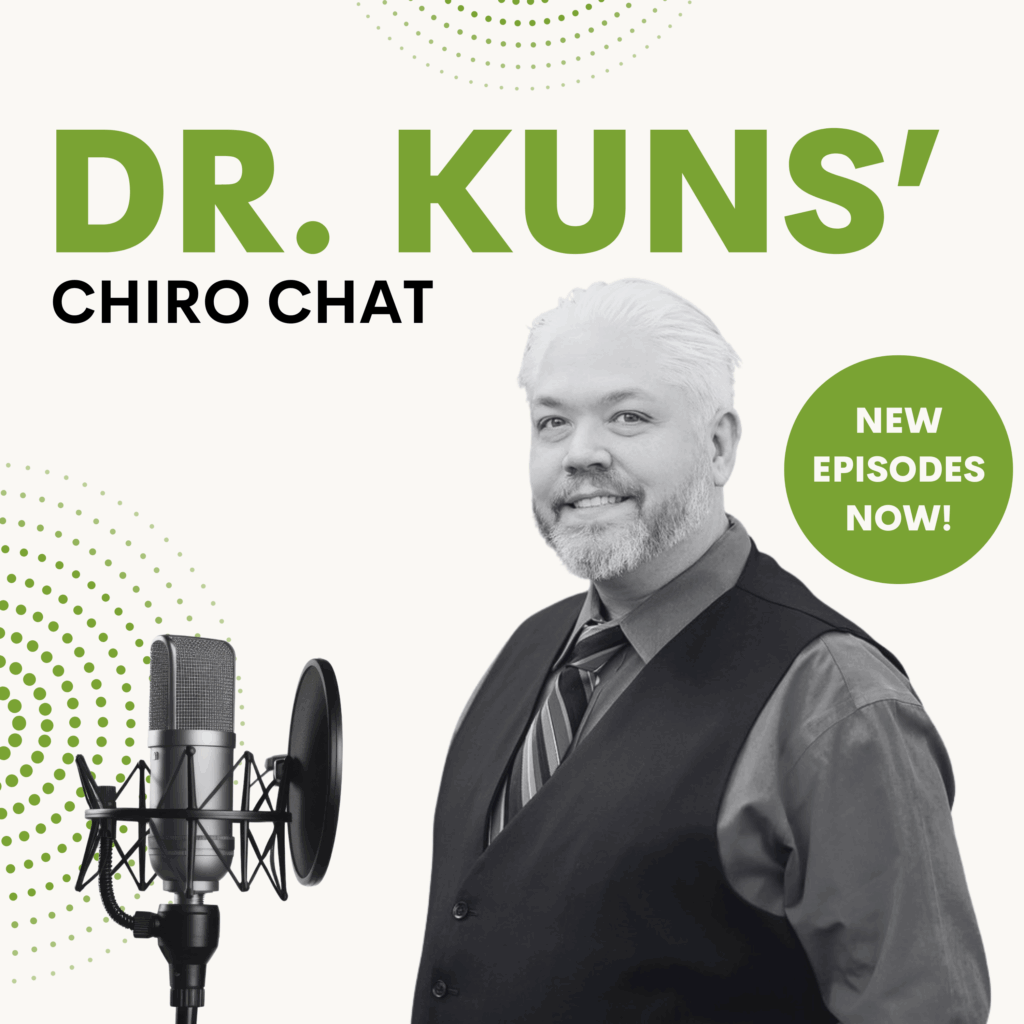
In this episode of the Kuns Chiropractic Clinic podcast, Dr. Westley Kuns tackles one of the most common concerns he hears from patients: why flexibility seems to decrease as we get older.
Dr. Kuns breaks down the physical and biological reasons behind age-related stiffness, from changes in connective tissue to reduced activity levels, in a way that is easy to understand and apply to everyday life.
Most importantly, he shares practical strategies you can start using right away to improve your flexibility and keep your body moving well at any age.
Hey there, and welcome back. I’m Doctor Westley Kuns, and you’re listening to the Kuns Chiropractic Clinic podcast, coming to you from right here in Gresham, Oregon. Today we’re talking about something I get asked about all the time in the office. And that’s flexibility. Specifically, why it seems to just disappear as we get older, and what you can actually do about it.
If you’ve ever bent down to tie your shoes and thought, wow, that used to be a lot easier, you are not alone. This is one of the most common things I hear from patients in their thirties, forties, fifties, and beyond. And the good news? A lot of it is reversible. So let’s dig in.
Here’s the thing about flexibility. It’s not just about being able to touch your toes. Flexibility is really about how well your muscles, tendons, and the tissue around your joints can lengthen and move. And as we age, a few things start working against us.
First, our connective tissue changes. The collagen in our tendons and ligaments becomes a little stiffer, a little less elastic. Think of it like a rubber band that’s been sitting in a drawer for years. It still works, but it doesn’t stretch quite the same way it used to. This is a normal biological process, but it doesn’t mean we’re stuck with it.
Second, and this is a big one, most of us simply move less as we get older. We sit more. We have desk jobs, long commutes, evening routines that involve a couch. And when we stop moving our joints through their full range of motion regularly, the body adapts by tightening things up. It’s kind of the body’s way of saying, well, if you’re not going to use it, I’ll just hold it here.
Now here’s what’s interesting. That second cause, the movement piece, is almost entirely within your control. You don’t have to accept stiffness as just part of getting older. There are real, simple things you can start doing today.
The most important one is consistent, gentle stretching. Not the aggressive kind where you’re forcing it. I’m talking about slow, sustained stretching where you ease into a position and hold it for about twenty to thirty seconds. Do that daily, even just for ten minutes in the morning, and over time you will notice a difference. Focus on the hips, hamstrings, and thoracic spine. Those are the areas that tend to tighten up the most and cause the most problems.
Another thing that makes a huge difference is staying warm before you stretch. Cold muscles don’t respond well. A short walk, a warm shower, even just moving around the house for a few minutes first can make your stretching much more effective.
And don’t overlook hydration. Your discs, your cartilage, your connective tissue all need water to stay supple and healthy. It’s simple, but it matters more than most people realize.
Now, when should you come see us? If your stiffness is paired with pain, if you feel like your range of motion is limiting what you can do day to day, or if you’ve tried stretching and things aren’t improving, that’s a really good time to get evaluated. Sometimes there’s an underlying joint restriction or a muscular imbalance that’s contributing to the tightness, and that’s exactly what we look for and work on here at Kuns Chiropractic.
Chiropractic care can help restore proper joint motion, reduce tension in the surrounding muscles, and give us a clearer picture of what’s actually going on with your body. From there we can build a plan that works for you specifically.
Flexibility isn’t just about comfort. It affects your balance, your posture, your ability to stay active, and your overall quality of life. Taking care of it now is one of the best investments you can make in your long-term health.
Alright, that’s a wrap for today. Thank you so much for spending a few minutes with me. If you have questions or you’d like to schedule a visit, give us a call or stop by. We are right here in Gresham and we would love to help you feel and move better. I’m Doctor Westley Kuns, and I’ll talk to you next time.

Dr. Kuns is likeable and knows his stuff!! Front desk lady and Dr. Kuns assistant are lovely humans!!!! I recommend this clinic to anyone who needs chiropractic care!!!!!! 100%!!!!

Dr. Kuns is amazing! I go in once a month for maintenance adjustments and have felt better ever since. Easy to get in and out. Friendly staff and very accommodating. Highly recommend.

Very friendly and welcoming! Always fast and efficient and very easy to schedule. Been to a many a chiropractor and really found a solid on in Dr. Kuns.

My first appt with Dr. Kuns was great! I was in a lot of pain and had mobility issues going in. I texted them over the weekend and they were able to get me in quickly on Monday afternoon.<br><br>The front desk staff was lovely. They gave me a quick tour of the practice as I walked to meet the doctor. Dr Kuns was very thorough, taking imaging and walking me through what he was looking for and how he was diagnosing the issue. I was in and out in about 20 minutes with immediate relief. I will definitely be back for regular adjustments and I highly recommend Dr. Kuns and his team!

Kuns has taken care of me for a couple different issues that I have delt with in my neck and in my spine over the past few year's. He Is excelent, professional and has a great staff in the office.

Wonderful life-changing clinic. I had extreme pain down my left arm for weeks. Doctor said get massages, didn't help. Went to see Dr. Kuns, he checked me over, took x-rays, and determined I had a pinched nerve. Left my first visit with him with 30% less pain!!! So awesome to feel better. Every visit has left me feeling closer to normal. Really appreciate his approach to healing me up. His team is caring and efficient, they all rock. Thank you!

Great clinic, staff and service. Would highly recommend.

I originally discovered Dr.Kuns from a social media ad and thankfully he was in network for my insurance. I appreciate the conversation and how comfortable everyone in this office is, as well as being able to fit me in for an adjustment lasy minute really helps. 10/10 recommend 👌

I have been seeing a chiropractor since age 6 and doctor kunes for at least 10 years and in every aspect this man is the apppitome of a great physician that truly cares for your well-being and improving your quality of life<br>I recommend him to everyone I can

Fantastic staff and "doc" is the best. We have been using Kuns Chiropractic since 2000. Dr. Kuns was a Godsend then and still is today. Working through a myriad of back and leg problems as a result of auto accidents was not easy, but Dr. Kuns and staff made the experience first rate. Periodic maintenance to help with endurance bike rides has been beneficial time and time again. Highly recommend them as the last chiropractic clinic you will ever need.

Decades of pain from service related injuries. He knew exactly what to do. After a couple of months, I was pain free for the first time. Thank you.

Been going there for years everyone on staff is lovely and helpful, getting set up and treated is a fast and smooth process everything is explained well and Dr.Kun is friendly and knowledgeable treatment is much more affordable than I ever thought professional medical help could be one of th3 best decisions of my life