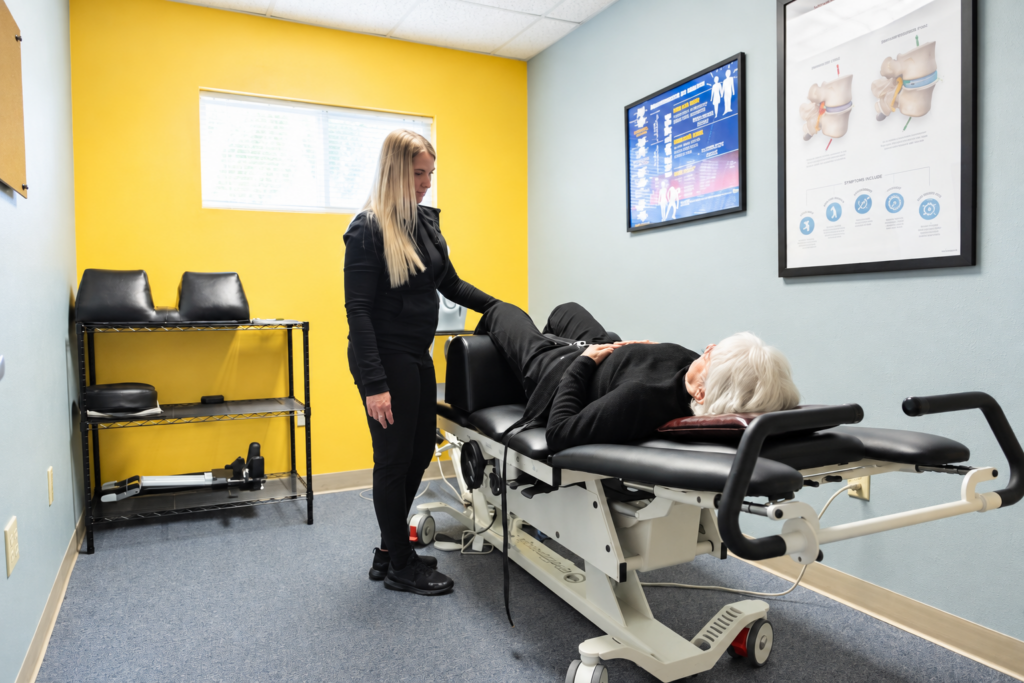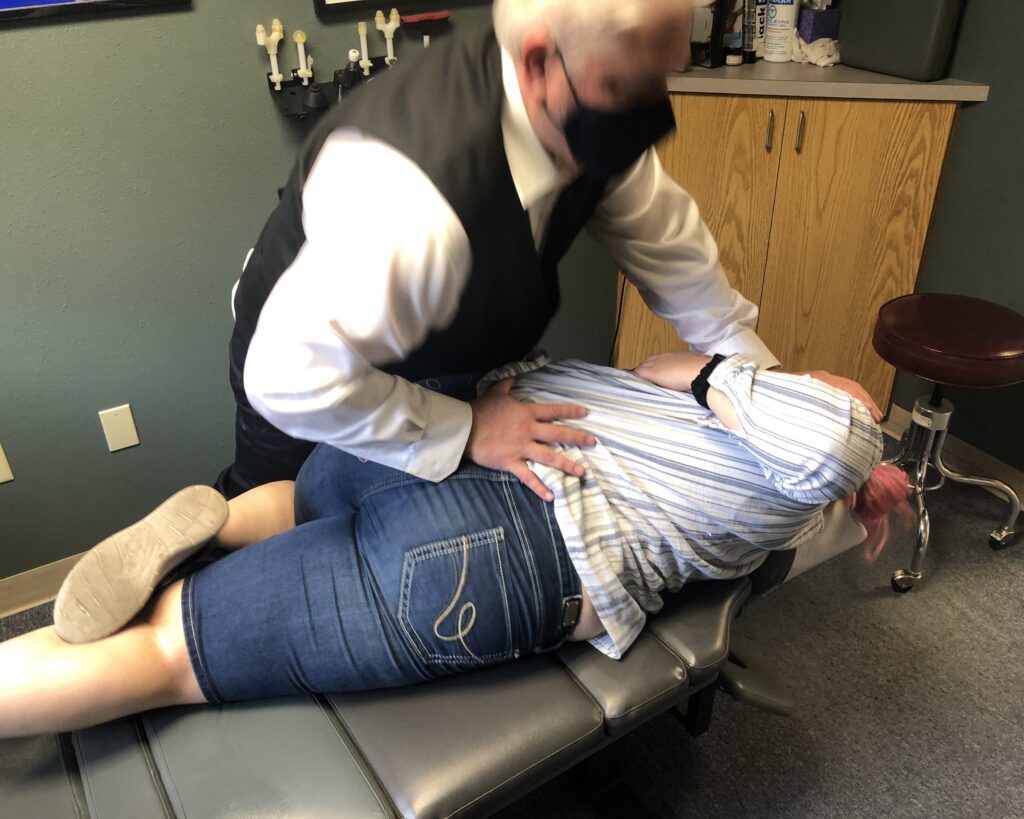

As your local chiropractor, I want to share an important message: the everyday choices you make can significantly influence your risk of developing chronic pain. It's often easy to overlook the connection between our daily habits and our pain levels, but by understanding these factors, you can take proactive steps to safeguard your health.
Nutrition, exercise, stress management, and quality sleep are all crucial components that contribute to your overall well-being. For instance, a balanced diet can reduce inflammation, while regular physical activity strengthens your muscles and supports your spine. Managing stress is also vital, as it can lead to tension and discomfort in your body. Lastly, ensuring you get restorative sleep is essential for healing and recovery.
Are you curious about how to effectively incorporate these strategies into your life? I'm here to guide you through practical steps that can help you create a balanced lifestyle. Together, we can work on minimizing your chances of experiencing chronic pain and enhance your quality of life through natural healing methods. Let's embark on this journey towards better health together!
Understanding Chronic Pain
Understanding chronic pain is crucial for effective management, and as your local chiropractor, I'm here to help you navigate this journey. Chronic pain is defined as persistent discomfort that lasts longer than three months, often extending beyond the typical healing time for injuries. It encompasses more than just a physical sensation; it can significantly impact your emotional and mental well-being. Acknowledging this complex nature is vital for your overall health.
When considering chronic pain, it's important to recognize that it can arise from various conditions, such as arthritis, fibromyalgia, or nerve damage. Unlike acute pain, chronic pain isn't always tied to a specific injury, making it challenging to identify its origin. This unpredictability can lead to feelings of frustration, especially when you're seeking relief.
Your experience with chronic pain is personal and unique, influenced by your history, lifestyle choices, and emotional state. What may provide relief for one person mightn't work for you. This is why it's essential to connect with your body's signals. Observe how pain impacts your daily activities, relationships, and mood, and look for any emerging patterns.
Being proactive in your health journey is key. I encourage you to seek knowledge about your condition and engage in open conversations with healthcare professionals who understand the intricacies of chronic pain.
As a chiropractor, I can provide you with tailored strategies to address your specific needs. Don't hesitate to explore a range of natural pain management techniques, including chiropractic adjustments, physical therapy, and mindfulness practices, to discover what works best for you.
Identifying Risk Factors
As a local chiropractor, I want to take a moment to educate you about chronic pain and the various risk factors that can increase your chances of experiencing it. Understanding these factors is key to prevention and management, and I'm here to help guide you through this.
First, let's talk about age. As we age, the likelihood of developing chronic pain often increases. This is typically linked to the natural wear and tear on our bodies, along with age-related conditions such as arthritis. It's never too early to start considering how to maintain your body's health as you age.
Your medical history is another important aspect to consider. If you've had previous injuries or surgeries, you may be more prone to chronic pain, especially if those incidents involved significant trauma. Additionally, certain conditions like diabetes or fibromyalgia can also heighten your risk. If you have a history of these conditions, it's essential to be proactive about your health.
Psychological factors are equally significant. If you have experienced anxiety, depression, or high levels of stress, these can influence how you perceive and experience pain. Addressing these mental health challenges can be a crucial part of managing pain.
Lifestyle choices play a vital role as well. A lack of physical activity can lead to muscle weakness and poor flexibility, both of which increase the risk for chronic pain. On the other hand, a sedentary lifestyle can contribute to weight gain, which puts additional stress on your joints.
I encourage you to reflect on your daily habits, including your sleep patterns. Poor sleep quality can exacerbate pain and create a cycle of discomfort.
Lastly, we can't ignore the role of genetics. If chronic pain runs in your family, you may have a higher risk of experiencing it yourself. By identifying these risk factors, you can take proactive steps to protect your health.
As a chiropractor, I believe in a holistic approach to wellness. By recognizing what increases your chances of chronic pain, you can work towards mitigating these risks through natural healing methods, lifestyle changes, and regular chiropractic care. Together, we can help you strive for a healthier, pain-free life.
Maintaining a Healthy Lifestyle
As a local chiropractor, I want to emphasize the importance of maintaining a healthy lifestyle to prevent chronic pain.
It's vital to make balanced nutrition choices, as the food you consume plays a significant role in your overall health. Incorporating regular physical activity is also crucial; it keeps your body strong and flexible, reducing the risk of pain.
Additionally, employing stress management techniques can help you maintain a calm mind and body, further enhancing your well-being.
By adopting these healthy habits, not only can you improve your quality of life, but you can also significantly minimize your risk of experiencing chronic pain.
Balanced Nutrition Choices
As a local chiropractor, I want to emphasize the importance of balanced nutrition choices for your overall health and wellbeing. Your body and mind thrive when you fuel them with a variety of nutritious foods. By prioritizing a well-rounded diet, you ensure that your body receives the essential nutrients necessary for optimal function and healing.
Incorporating a colorful array of fruits, vegetables, whole grains, lean proteins, and healthy fats into your meals is vital. Each of these food groups contributes significantly to your physical and mental health, which can enhance the effectiveness of chiropractic care.
Starting your day with a wholesome breakfast—such as oatmeal topped with fresh fruit or a nutrient-dense smoothie—sets a positive tone for your day. When it comes to lunch and dinner, aim for vibrant plates filled with a balanced mix of proteins and vegetables.
And remember, healthy snacking is important too! Options like nuts, yogurt, and sliced veggies can provide you with energy while keeping your calorie intake in check.
Hydration is another essential component of balanced nutrition. Drinking plenty of water throughout the day not only helps maintain your energy levels but also supports your body's natural healing processes.
It's important to limit excessive sugars and processed foods, as these can lead to inflammation and other health issues that may hinder your recovery and contribute to chronic pain.
As you prioritize your nutrition, you're taking a significant step toward enhancing your chiropractic care experience and supporting your journey to better health.
Regular Physical Activity
As a local chiropractor, I want to emphasize that balanced nutrition choices are essential for your overall health, but they truly shine when combined with regular physical activity. Engaging in consistent exercise not only strengthens your body but also significantly boosts your mental well-being.
By keeping your body active, you're taking proactive steps to prevent chronic pain and support your spine and joints.
Here are four effective ways to incorporate regular physical activity into your daily routine:
- Morning Walks: Begin your day with a brisk 30-minute walk. This simple activity not only energizes you but also improves circulation, which is vital for spinal health.
- Strength Training: Incorporate resistance exercises at least twice a week. Building muscle is crucial as it supports your joints and spine, reducing the risk of injuries and pain, which I often see in my practice.
- Flexibility Routines: Don't overlook the importance of flexibility! Including yoga or stretching sessions in your schedule can greatly enhance your flexibility. This helps prevent stiffness and discomfort in your muscles and joints, contributing to better overall alignment.
- Fun Activities: Find activities that you enjoy, such as dancing, swimming, or playing sports. When you have fun, you're more likely to stick with your routine, which is key for maintaining good spinal health and overall well-being.
Stress Management Techniques
As a local chiropractor, I want to emphasize the importance of managing stress for your overall well-being and how it can impact both your physical and mental health. Stress can accumulate in our bodies, leading to muscle tension and heightened sensitivity to pain. To help you navigate this, I've compiled some effective stress management techniques that align with natural healing principles.
Firstly, I encourage you to explore mindfulness practices, such as meditation or deep-breathing exercises. These techniques can help you ground your thoughts and alleviate anxiety. Even dedicating just a few minutes each day to these practices can significantly enhance your mental state.
Additionally, consider incorporating yoga into your routine. This practice merges physical movement, breath control, and meditation, all of which promote relaxation and can complement the benefits of chiropractic adjustments.
Another key aspect of managing stress is effective time management. By prioritizing your tasks and breaking them down into smaller, achievable steps, you can avoid feeling overwhelmed. Remember to schedule regular breaks throughout your day; stepping away for a moment can refresh your mind and boost your productivity, ultimately contributing to your overall health.
Lastly, don't underestimate the power of a strong support network. Engaging in open conversations with friends or family about your stressors can be incredibly relieving. Sharing your feelings not only lightens the emotional burden but also fosters connections that can enhance your mental health.
As your chiropractor, I believe that taking care of your mental health is just as crucial as caring for your physical body. By incorporating these stress management techniques into your life, you can pave the way for a healthier, more pain-free existence.
Let's work together to support your journey to wellness!
Incorporating Regular Exercise
As your local chiropractor, I want to emphasize the importance of incorporating regular exercise into your daily routine. Engaging in physical activity can significantly diminish your chances of experiencing chronic pain.
There are a variety of exercises we can explore together that align with your lifestyle and preferences, which makes it easier for you to stay active. By establishing a consistent workout regimen, you not only improve your overall physical health but also contribute to long-term pain prevention.
Benefits of Regular Exercise
As a local chiropractor, I want to share with you the remarkable benefits of regular exercise and how it can play a vital role in your overall health and well-being, particularly in reducing the risk of chronic pain.
Engaging in consistent physical activity isn't just about staying fit—it's a proactive approach to maintaining your body's health. Here are four essential benefits of incorporating regular exercise into your daily routine:
- Improved Flexibility: Regular exercise, especially stretching and mobility work, enhances your flexibility. This increased range of motion makes everyday activities easier and significantly lowers the risk of injury.
- Increased Strength: Strength training is crucial for building muscle support around your joints and bones. This added support can help prevent painful conditions like arthritis and alleviate back discomfort, allowing for a more active lifestyle.
- Enhanced Mood: Exercise is a natural mood booster! It stimulates the release of endorphins, which can uplift your spirits and help manage stress. Since stress is often linked to chronic pain, maintaining a positive mood can be a powerful tool in pain management.
- Better Sleep: Engaging in regular physical activity helps to regulate your sleep patterns. Quality sleep is essential for recovery and can significantly reduce your perception of pain, leading to better overall health.
By understanding and embracing these benefits, you can take significant steps towards a healthier and pain-free life.
Types of Exercises
As a local chiropractor, I want to share with you the importance of incorporating a variety of exercise types into your routine for optimal health and to help prevent chronic pain. Many individuals often think of exercise as only high-intensity workouts, but there's so much more to it.
Firstly, let's talk about aerobic exercises. Activities like walking, swimming, or cycling are fantastic ways to elevate your heart rate, improve circulation, and boost your endurance. These low-impact exercises can make daily tasks easier and less painful, which is essential for your overall well-being.
Next, we've strength training, which is crucial for building muscle. Using weights or resistance bands helps support your joints by providing them with better stability. I recommend engaging in strength training sessions two to three times a week, ensuring that you're targeting all major muscle groups. This not only helps in pain prevention but also enhances your body's natural ability to heal.
Flexibility and balance exercises are equally important. Practices such as yoga or tai chi not only improve your range of motion but also play a significant role in injury prevention. Regular stretching can alleviate tightness and enhance your overall mobility, which is vital for maintaining a healthy spine and joints.
Lastly, consider incorporating low-impact options like Pilates into your fitness routine. These exercises are excellent for strengthening your core and improving posture without placing excessive strain on your body.
By combining these various types of exercises, you can create a comprehensive fitness program that helps keep chronic pain at bay.
Remember to always listen to your body and adjust your activities as needed. A balanced and enjoyable exercise regimen is key to supporting your health and wellness. As your chiropractor, I'm here to guide you on this journey to natural healing and optimal physical health.
Creating a Routine
As a local chiropractor, I want to emphasize the importance of establishing a routine that includes consistent exercise for maintaining your health and preventing chronic pain. Engaging in regular physical activity not only strengthens your muscles and enhances flexibility but also significantly boosts your overall well-being.
Here are four essential steps to help you create an effective exercise routine tailored to your needs:
- Set a Schedule: It's crucial to designate specific days and times for your workouts. Treat these appointments like important commitments—your health deserves that level of priority.
- Choose Activities You Enjoy: Finding joy in your exercise is key. Whether it's dancing, hiking, swimming, or cycling, selecting activities that you genuinely enjoy will increase your likelihood of sticking with your routine.
- Start Small and Progress Gradually: If you're new to exercise, it's best to begin with shorter sessions, around 10-15 minutes a day. As your body adapts, you can gradually increase both the duration and intensity of your workouts. This approach helps prevent injury and makes the process more enjoyable.
- Track Your Progress: Keeping a journal or using an app to log your workouts can be incredibly beneficial. Not only does it allow you to monitor your advancements, but celebrating small victories along the way can serve as a powerful motivator to keep you on track.
By integrating these steps into your routine, you'll be on your way to enhancing your health and well-being, supporting the natural healing processes your body is capable of, and ultimately reducing the risk of chronic pain.
Practicing Stress Management
As a local Chiropractor, I want to emphasize the often-overlooked role that stress plays in your overall health, particularly when it comes to chronic pain. Many people don't realize that stress can trigger a series of physiological responses in your body, including the release of hormones that lead to muscle tension, inflammation, and discomfort. By effectively managing stress, you can significantly lower your risk of developing chronic pain.
The first step in stress management is identifying your personal stressors. Take some time to observe the situations or challenges in your daily life that elevate your stress levels. Once you're aware of these triggers, you can create targeted strategies to address them.
One effective technique is deep breathing. When stress begins to rise, pause for a moment and take a deep breath in through your nose, hold it for a few seconds, and then exhale slowly through your mouth. This simple practice can help calm both your mind and body.
Incorporating regular physical activity is also crucial. Exercise not only boosts your physical health but also releases endorphins—natural chemicals that enhance your mood. Whether you prefer going for a walk, dancing, or practicing yoga, aim to engage in at least 30 minutes of your favorite activity most days of the week.
Additionally, mindfulness practices, like meditation or journaling, can be incredibly beneficial for reducing stress and increasing self-awareness.
Don't underestimate the power of support. Reach out to friends, family, or professionals who can offer encouragement and guidance.
As your chiropractor, I'm here to help you understand how stress impacts your body and to support you in your journey toward better health. By prioritizing stress management, you're not only working to prevent chronic pain but also enhancing your overall well-being.
Prioritizing Sleep Quality
As a local chiropractor, I often emphasize the importance of quality sleep for your overall health and well-being, particularly in preventing chronic pain. Many people don't realize that insufficient sleep can lead not only to fatigue but also to an increased risk of developing pain conditions.
Here are some tips to help you prioritize your sleep quality:
- Establish a Consistent Sleep Schedule: I recommend going to bed and waking up at the same time every day. This consistency helps align your body's internal clock, making it easier for you to fall asleep and stay asleep throughout the night.
- Create a Calming Bedtime Routine: Consider incorporating relaxing activities into your pre-sleep routine. Gentle stretches, meditation, or reading a book can signal to your body that it's time to wind down. This practice can also help alleviate any tension built up during the day.
- Enhance Your Sleep Environment: Your bedroom should be a sanctuary for rest. Keep the space cool, dark, and quiet to promote better sleep quality. You might find that blackout curtains, earplugs, or a white noise machine can block out distractions and create a more conducive sleeping environment.
- Limit Exposure to Screens Before Bed: The blue light emitted by screens can disrupt your ability to fall asleep. I suggest turning off all devices at least an hour before bedtime to help your mind relax and prepare for restorative sleep.
Utilizing Proper Ergonomics
As a chiropractor, I want to emphasize the importance of proper ergonomics in preventing chronic pain, especially for those of you who spend long hours at a desk or in front of a computer.
Let's start with your workspace setup. It's crucial to adjust your chair and desk height so that your feet can rest flat on the ground, and your knees are at a 90-degree angle. Keeping your thighs parallel to the floor not only promotes good posture but also aids in blood circulation and reduces strain on your back.
Next, pay close attention to your monitor placement. It should be at eye level and about an arm's length away to keep your neck in a neutral position. This will help prevent unnecessary tension and discomfort. If you notice yourself leaning forward or squinting, it's a sign you need to reassess your setup.
Your keyboard and mouse should be positioned close enough to allow for easy access without requiring you to stretch, ideally at the same height as your elbows.
Let's not overlook your wrists! Using a wrist rest or ensuring your hands float just above the keyboard can significantly reduce the risk of repetitive strain injuries.
Also, remember to take regular breaks every 30 to 60 minutes. Stand up, stretch, and move around a bit. Simple stretches can alleviate muscle tension and boost circulation.
Lastly, consider investing in an ergonomic chair that supports your lower back and encourages good posture. If you're working from home, creating an appropriate workstation can make a significant difference in your comfort and overall well-being.
By incorporating these ergonomic principles into your daily routine, you can create a workspace that not only enhances your productivity but also minimizes the risk of developing chronic pain.
As your chiropractor, I'm here to help you understand the benefits of natural healing and how proper ergonomics can play a vital role in your health.
Seeking Professional Guidance
Even with the best ergonomic practices in place, there may be times when you experience discomfort or pain. If this occurs, it's crucial to seek professional guidance to address these issues effectively.
As a chiropractor, I'm here to help you understand how chiropractic care can assist in identifying underlying problems and developing a personalized plan for relief and prevention.
Here are four steps to take when considering chiropractic care:
- Identify Symptoms: Start by tracking when and where you feel pain. Is it during specific activities or after extended time at your desk? This information is vital for us to understand your situation and tailor our approach to your needs.
- Explore Chiropractic Care: Chiropractic care focuses on the body's musculoskeletal system, particularly the spine. If you're dealing with discomfort, a chiropractor can provide insights on how adjustments and holistic methods can improve your overall health and well-being.
- Schedule a Consultation: Don't hesitate to reach out and schedule an appointment. Early intervention is key to preventing minor discomfort from developing into chronic pain. During our initial consultation, we'll discuss your symptoms, lifestyle, and any previous treatments you've tried.
- Commit to Your Care Plan: After our assessment, it's important to follow through with the recommended treatment plan. This may include spinal adjustments, therapeutic exercises, and lifestyle changes designed to enhance your daily activities and promote healing.
Chiropractic care is a natural approach to health that can empower you to live pain-free.
Let's work together to find the relief you deserve!
Conclusion
As a local chiropractor, I want to share how adopting a holistic approach to your health can significantly help in preventing chronic pain. Emphasizing balanced nutrition is crucial—what you eat directly impacts your body's ability to heal and function properly. Staying active with regular exercise not only strengthens your muscles but also enhances your overall well-being.
Managing stress is equally important, and incorporating mindfulness practices can make a big difference. Additionally, don't overlook the vital role of quality sleep and proper ergonomics in your daily activities; these factors are essential for maintaining a healthy spine and preventing discomfort.
If you're unfamiliar with chiropractic care, know that I am here to guide you in tailoring your pain management strategies to your specific needs. By taking these steps and considering natural healing methods, you can enhance your well-being and work toward a healthier, pain-free life. Let's embark on this journey together!