
As a local chiropractor, I want to emphasize the importance of preventing chronic pain for a healthier lifestyle. Have you ever thought about how your daily choices—such as what you eat, how much you move, and how you manage stress—can significantly impact your well-being? By participating in our quiz, you can identify specific risk factors that may be affecting you and discover personalized strategies for prevention.
Understanding the connection between these lifestyle elements and your overall health can be incredibly empowering. As you explore your habits, you might uncover surprising insights that could lead you to rethink your approach to pain management. Remember, chiropractic care and natural healing methods can play a crucial role in maintaining your health and preventing chronic pain. Let's work together to help you achieve a pain-free life!
Understanding Chronic Pain
Chronic pain can feel like an uninvited guest, intruding on your daily life and leaving you feeling exhausted. It's not just a physical sensation; it encompasses emotional and social aspects that can affect your overall well-being. Unlike acute pain, which is a clear warning sign of injury or illness, chronic pain lingers for months or even years, often without a clear cause. You may experience a range of symptoms that vary in intensity, making it difficult to predict how you'll feel from one day to the next.
As a chiropractor, I want to help you understand that chronic pain can originate from various conditions, such as arthritis, fibromyalgia, or even nerve damage. Furthermore, emotional stress and mental health issues can play a significant role in exacerbating physical discomfort. This interplay between the mind and body complicates your journey toward relief, but it also opens up avenues for holistic solutions.
Listening to your body and recognizing your limits is essential. When dealing with chronic pain, you may need to adjust your daily routines and activities. This could involve prioritizing rest, incorporating relaxation techniques, or considering gentle exercise options like yoga or swimming.
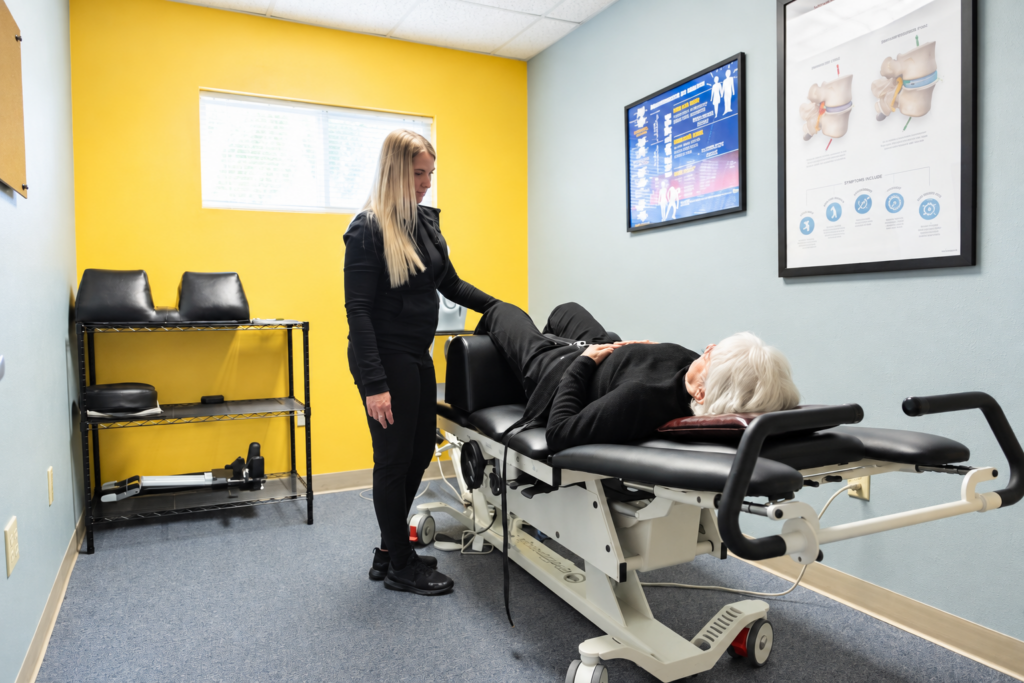
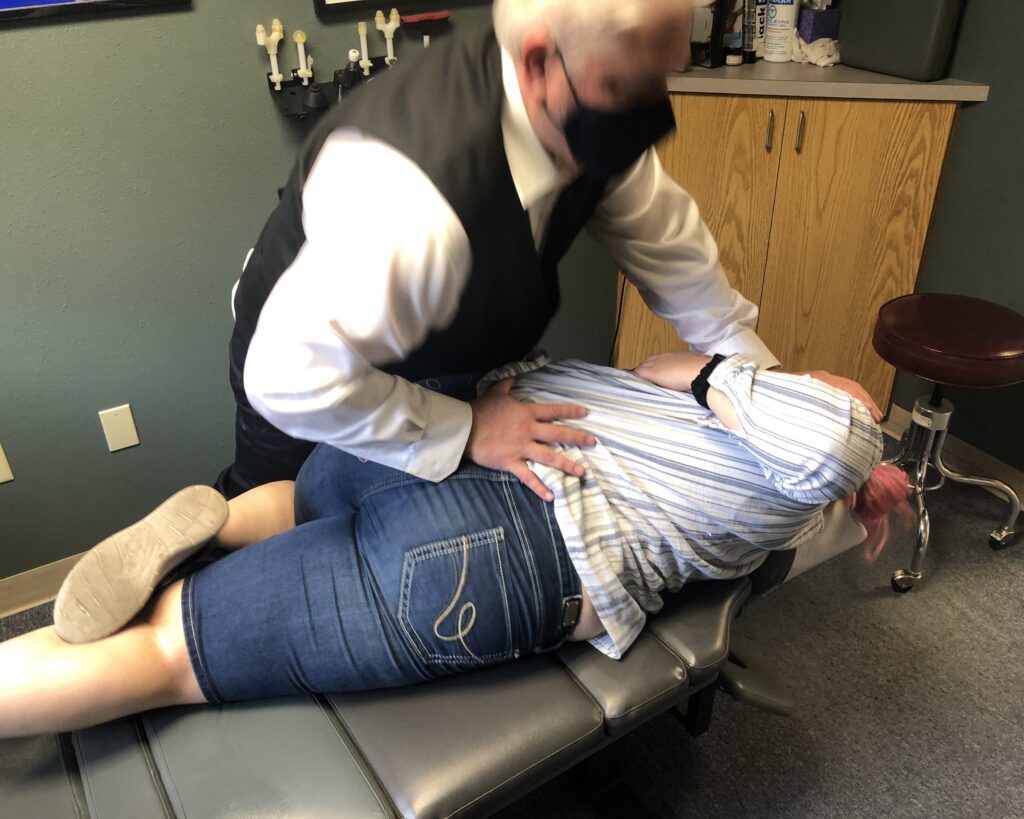
Chiropractic care focuses on the body's natural ability to heal itself, and we can work together to develop a personalized plan that may include spinal adjustments, exercises, and lifestyle modifications to help manage your pain.
Educating yourself about pain management strategies is vital. In addition to chiropractic adjustments, we can explore complementary therapies and lifestyle changes that support your healing journey. Remember, you're not alone in this; many people are navigating similar paths toward recovery.
Common Risk Factors
As a local chiropractor, I want to help you understand the complexities of chronic pain and the common risk factors that can lead to its development. Recognizing these factors is essential for taking proactive steps toward prevention and enhancing your overall well-being.
One significant risk factor is age. As we grow older, the likelihood of experiencing chronic pain increases due to the natural wear and tear on our bodies and the potential onset of age-related conditions. It's important to be mindful of this as you age, as it can impact your quality of life.
Genetics also play a crucial role in your pain susceptibility. If you have family members who've dealt with chronic pain or conditions like arthritis, you may find yourself at a higher risk. It's beneficial to be aware of your family history, as it can guide your approach to maintaining your health.
Your mental health is another vital aspect to consider. Conditions such as depression and anxiety can amplify pain sensations, making it more challenging to manage discomfort. If you're experiencing stress or emotional difficulties, it's worth addressing these issues, as they can contribute to a greater likelihood of developing chronic pain.
Additionally, past injuries can set the stage for ongoing pain. Whether it's a significant injury from sports or a surgical procedure, the affected area may be more prone to chronic pain. This is where chiropractic care can be particularly helpful in promoting healing and restoring function.
Certain medical conditions, such as diabetes or fibromyalgia, can also increase your risk for chronic pain. These conditions require effective management, and as your chiropractor, I can work with you to develop a holistic approach to alleviate your symptoms.
Finally, gender can influence pain experiences as well. Research shows that women often report chronic pain more frequently than men. Understanding this can help us tailor our approach to your individual needs.
By identifying these risk factors, you can focus on areas that may require attention. Early intervention, including chiropractic care and natural healing techniques, can significantly reduce your chances of developing chronic pain and improve your overall quality of life.
If you have any questions or would like to discuss your individual situation, I'm here to help!
Lifestyle Choices to Consider
As a local chiropractor, I want to share some insights on how mindful lifestyle choices can significantly influence your risk of developing chronic pain. It's essential to take a closer look at your daily habits and make changes that can enhance your overall well-being.
First and foremost, let's talk about your diet. Consuming a balanced diet that includes plenty of fruits, vegetables, whole grains, and lean proteins can be incredibly beneficial. These foods help reduce inflammation and support your body's natural healing processes.
On the contrary, processed foods that are high in sugar and unhealthy fats can lead to increased inflammation and discomfort, which is something we definitely want to avoid.
Next, regular physical activity plays a crucial role in maintaining your health. I recommend aiming for at least 150 minutes of moderate exercise each week. Simple activities like walking, swimming, or cycling can help you maintain a healthy weight while strengthening your muscles and improving flexibility.
This is important in preventing pain and discomfort. However, it's vital to listen to your body—don't overexert yourself, and make sure to include rest days in your routine to allow your body to recover.
Let's not forget about sleep; it's a cornerstone of recovery and pain management. Strive for 7 to 9 hours of quality sleep each night. Establishing a calming bedtime routine can help you relax and prepare for restorative sleep.
Lastly, managing stress is essential. Chronic stress can lead to muscle tension and worsen pain. Incorporating mindfulness practices such as meditation or yoga into your daily routine can significantly reduce your risk of pain.
Finding effective ways to relax and unwind is a key aspect of maintaining not just your physical health, but your emotional well-being as well.
How the Quiz Works
As your local chiropractor, I want to share an engaging way for you to evaluate your risk factors for chronic pain through a simple quiz. This tool is designed to help you reflect on various aspects of your lifestyle and health that can influence your well-being.
You'll answer a series of straightforward questions focusing on your physical activity, sleep quality, stress levels, and overall health history. Each response will provide valuable insights into your habits and potential vulnerabilities.
Throughout the quiz, you'll encounter easy-to-understand questions, such as how frequently you exercise or how often you feel stressed in your day-to-day life. These inquiries are crafted to give us a comprehensive view of your current situation, which plays a significant role in your risk for developing chronic pain.
Upon completion of the quiz, I'll analyze your answers to identify any patterns or areas of concern. This analysis sheds light on specific risk factors that may require more attention.
It's important to note that this quiz isn't meant to diagnose or predict chronic pain; rather, it's a way to raise awareness and encourage proactive health measures.
After you receive your results, you'll have a clearer picture of your current health status. This newfound understanding can empower you to make informed decisions about your lifestyle and well-being.
By participating in this quiz, you're taking an important first step toward recognizing your risk factors, which can lead to better health decisions and ultimately help in preventing chronic pain.
Tips for Prevention
As a local chiropractor dedicated to your health and well-being, I want to emphasize the importance of taking proactive steps to prevent chronic pain. Understanding your risk factors is just the beginning; implementing healthy habits in your daily life can make a significant difference.
Here are some tips to help you on your journey to a pain-free lifestyle:
- Stay Active: Engaging in regular physical activity is crucial for strengthening your muscles and enhancing flexibility. I recommend aiming for at least 150 minutes of moderate exercise each week. Choose activities that you genuinely enjoy, such as walking, swimming, or dancing, to help keep you motivated and consistent.
- Practice Good Posture: Proper posture is key, whether you're working at a desk or lifting objects. It's essential to be mindful of your body mechanics to prevent unnecessary strain, especially on your back and neck. Consider investing in ergonomic furniture and making small adjustments to your workspace that promote better alignment.
- Manage Stress: Chronic stress can manifest as muscle tension and pain in the body. I encourage you to incorporate relaxation techniques into your daily routine, such as deep breathing exercises, meditation, or yoga. Additionally, dedicating time to pursue hobbies or engage in relaxing activities can greatly enhance your overall well-being.
By integrating these habits into your life, you can take significant strides toward preventing chronic pain and improving your health naturally.
If you have any questions or would like to explore chiropractic care as a part of your wellness journey, feel free to reach out. Your health is my priority!
Conclusion
As your local chiropractor, I invite you to take our quiz as a proactive measure in your journey to prevent chronic pain. Gaining an understanding of your individual risk factors is crucial, and it allows us to tailor lifestyle recommendations that can significantly improve your overall well-being. Remember, even small adjustments in your diet, physical activity, and stress management can lead to remarkable enhancements in your daily life. By empowering yourself with the insights from the quiz, you can start to implement effective strategies that resonate with your unique needs. A healthier, pain-free life is entirely achievable—let's embark on this journey together!