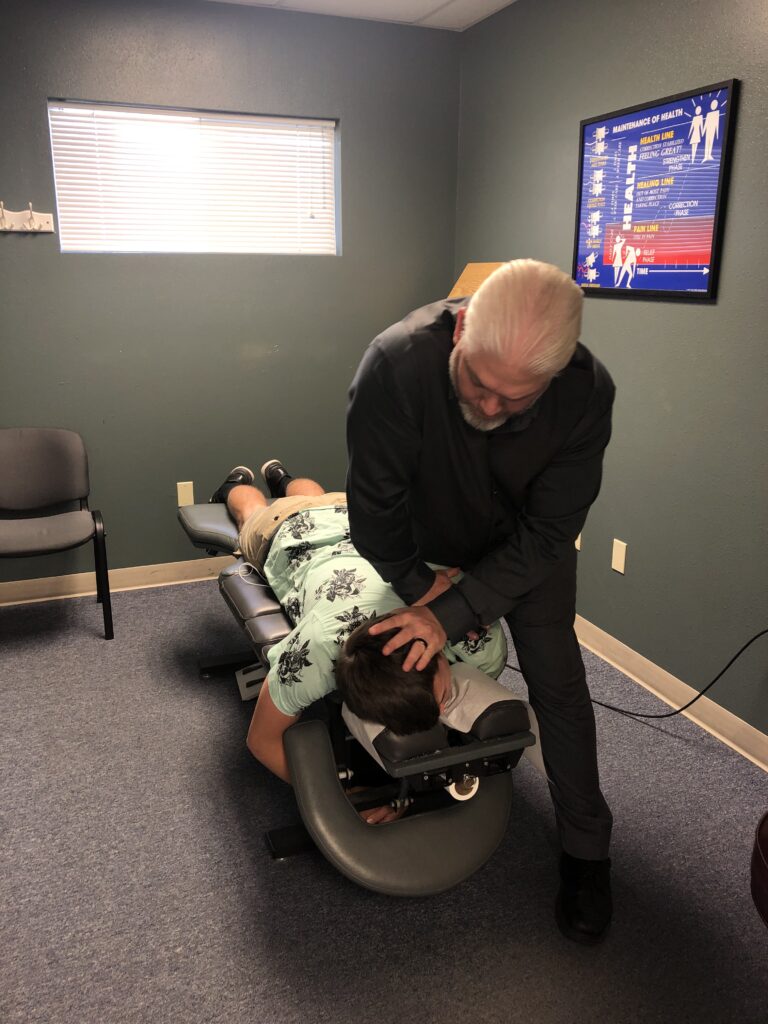

As a local chiropractor, I understand that dealing with back pain can significantly impact your daily life. Many people believe that finding relief is a complicated process, but I want to assure you that there are proven techniques that can yield substantial benefits. By focusing on improving your posture and integrating specific exercises and therapies, we can address the underlying causes of your discomfort.
It's important to know that simple adjustments in your daily habits can lead to lasting relief from back pain. For example, maintaining proper alignment while sitting or standing can alleviate strain on your back. Additionally, targeted exercises can strengthen the muscles that support your spine, further reducing pain and preventing future issues.
By incorporating chiropractic care into your routine, you can experience a transformation in not just your back health, but your overall well-being. I encourage you to explore these natural healing methods and take the first step towards relief. Together, we can develop a personalized plan that fits your needs and helps you reclaim your quality of life. What steps are you ready to take to begin this journey toward a pain-free existence?
Understanding Back Pain Causes
As a local chiropractor, I want to help you understand the many factors that can contribute to back pain. It's important to recognize that discomfort in your back can arise from a range of causes, and understanding these origins is the first step toward effective relief.
One common source of back pain is muscle strain, often resulting from heavy lifting or sudden awkward movements. If you've recently lifted furniture or engaged in physical activities without proper warm-ups, you might've overstressed your back muscles. This can lead to discomfort that might feel quite debilitating.
In addition to muscle strain, there are underlying medical conditions that can contribute to your back pain. For instance, herniated discs can press on nearby nerves, causing significant discomfort. If you've experienced an injury recently, I encourage you to consult with a healthcare professional to rule out any serious issues. Conditions like arthritis can also lead to chronic pain, so being aware of your medical history is essential.
Another frequent cause of back pain is poor ergonomics, especially for those of you who spend long hours seated at a desk. You may notice that your pain worsens after extended periods in front of a computer. Simple habits such as slouching or maintaining one position for too long can take a toll on your spine, leading to discomfort that could be alleviated through proper alignment and ergonomic adjustments.
It's also important to consider the role of psychological factors in your back pain. Stress and anxiety can manifest physically, resulting in muscle tension in your back. If you're feeling overwhelmed, exploring relaxation techniques or practices, such as chiropractic care, may help ease that tension and promote overall well-being.
Importance of Good Posture
As your local chiropractor, I want to emphasize the importance of good posture for your overall back health.
Proper alignment is crucial in reducing strain on your spine, which can lead to a range of discomforts if neglected.
By adopting simple techniques to maintain good posture, you can experience significant improvements in your well-being, including reduced pain and discomfort.
Let's discuss how you can enhance your posture and the positive effects it can have on your back health.
Benefits of Proper Alignment
As a local chiropractor, I want to emphasize the importance of proper alignment for your overall well-being. Many people may not realize that maintaining good posture is a key factor in achieving this alignment. When you sit or stand correctly, your body weight is distributed evenly, which helps to minimize strain on your muscles and joints. This balance can alleviate existing discomfort and also serve as a preventative measure against future pain.
With proper posture, your body operates more efficiently, allowing you to move freely and carry out daily activities with greater ease. One of the often-overlooked benefits of proper alignment is its positive impact on your breathing. When your spine is in alignment, your ribcage can expand more fully, which enhances lung capacity. This increase in oxygen flow can lead to higher energy levels and improved focus, helping you feel more alert throughout your day.
Additionally, good posture has the power to boost your confidence. Standing tall not only improves your physical presence but also communicates self-assurance and professionalism to those around you.
Moreover, maintaining proper alignment is crucial for supporting the natural curves of your spine, which can significantly reduce the risk of developing chronic back problems. By prioritizing good posture and alignment, you're making a valuable investment in your long-term health and well-being.
This proactive approach can help you enjoy an active lifestyle without the limitations that often accompany back pain. Remember, even small adjustments can lead to significant improvements in your health, paving the way to a healthier, pain-free life. Don't hesitate to reach out if you're looking for guidance on how to achieve and maintain proper alignment!
Techniques for Maintaining Posture
As a local chiropractor, I want to emphasize the importance of maintaining proper posture throughout your day. Your posture not only affects your physical comfort but also plays a crucial role in your overall health and well-being.
Here are three effective techniques you can incorporate into your daily routine to help you maintain good posture:
- Ergonomic Workspace Setup: It's vital to create a workspace that supports your body properly. Ensure that your chair provides adequate support, your desk is at a comfortable height, and your computer monitor is positioned at eye level. This arrangement helps prevent unnecessary strain on your neck and back.
- Core Engagement: A strong core is essential for supporting your spine. Incorporating exercises like planks and bridges into your fitness regimen can significantly enhance your core strength. When your core is engaged, it allows you to maintain an upright posture more naturally, reducing the risk of discomfort and injury.
- Regular Breaks and Movement: If you find yourself sitting for extended periods, set a timer to remind you to take a break every 30 minutes. Stand up, stretch, and move around. This practice not only relieves muscle tension but also helps reset your posture, promoting better alignment.
By following these techniques, you can contribute to your body's natural healing process and improve your overall posture.
Impact on Back Health
As your local chiropractor, I want to emphasize the crucial role that strong posture plays in your back health. Many people aren't aware that maintaining proper posture can prevent a variety of back-related issues. When you sit or stand correctly, you help align your spine, which reduces unnecessary strain on your back muscles and ligaments. This alignment not only alleviates pain but also improves your overall mobility and flexibility.
It's easy to fall into the habit of slouching or leaning forward, but this can put added pressure on your spine over time, potentially resulting in chronic back pain and even long-term damage. By being mindful of your posture and making simple adjustments, you can significantly lower these risks. Engaging your core, keeping your shoulders back, and ensuring your feet are shoulder-width apart are all effective changes that can make a big impact on your back health.
Additionally, good posture enhances circulation and boosts your breathing, which contributes to your overall well-being. You'll likely notice that when you maintain proper posture during everyday activities—whether at work or at home—your energy levels and focus improve.
I encourage you to take a moment throughout your day to check in with your body. With consistent practice, you can cultivate habits that support your back health and enhance your quality of life. Remember, chiropractic care is here to support you on this journey to better health!
Effective Stretching Techniques
As a local chiropractor, I often see patients struggling with back pain, and I want to share some effective stretching techniques that can truly make a difference in your journey toward relief.
Stretching isn't just about increasing flexibility; it's a vital practice that helps reduce tension in your back muscles, enhancing your posture and overall comfort. By integrating a few simple stretches into your daily routine, you can significantly alleviate your back pain and improve your quality of life.
Here are three stretching techniques I recommend:
- Knees-to-Chest Stretch: Begin by lying on your back with your knees bent. Gently draw one knee toward your chest and hold it there for 20-30 seconds. Afterward, switch to the other leg and repeat. This stretch is excellent for releasing tension in your lower back while also stretching your hips.
- Cat-Cow Stretch: Start in a tabletop position on your hands and knees. Inhale deeply as you arch your back, lifting your head and tailbone to the ceiling (this is the Cow Pose). Then, exhale as you round your back, tucking your chin and pelvis (this is the Cat Pose). Continue to alternate between these two positions for several breaths. This dynamic movement not only enhances flexibility but also promotes mobility in your spine, which is essential for maintaining a healthy back.
- Child's Pose: Kneel on the floor and sit back onto your heels. Extend your arms forward and lower your torso down between your thighs. Hold this position for about 30 seconds, focusing on slow, deep breaths. Child's Pose is a restorative stretch that helps ease tension in your back and encourages relaxation.
Incorporating these stretches into your daily routine can be a powerful way to manage back pain naturally.
As your chiropractor, I encourage you to embrace these techniques to help you lead a more active and pain-free life. Remember, caring for your back is an essential part of your overall health and well-being.
Strengthening Core Muscles
As a local chiropractor, I want to emphasize the importance of strengthening your core muscles for back pain relief. Many people may not realize that your core isn't just about achieving a toned abdomen; it encompasses all the muscles surrounding your abdomen, back, and pelvis. By focusing on strengthening these muscles, you can create a solid foundation that provides essential support for your spine, helping to prevent future discomfort.
I often recommend starting with basic core exercises that are easy to incorporate into your daily routine. Planks and bridges are excellent starting points that require no special equipment and can be done almost anywhere. For the plank, aim to hold the position for 20-30 seconds at first, gradually increasing the duration as your strength improves.
When performing bridges, lie on your back, bend your knees, and lift your hips towards the ceiling while squeezing your glutes at the top.
It's also crucial to include rotational movements in your core routine. Exercises such as Russian twists or standing trunk rotations can significantly enhance your overall stability and coordination. I advise trying to include these core-strengthening exercises at least three times a week for optimal results.
As you start to feel stronger, consider incorporating variations or more challenging exercises like stability ball rollouts or hanging leg raises. However, it's important to listen to your body. If any movement feels uncomfortable or causes pain, please modify the exercise or consult with me for guidance.
Incorporating core strengthening into your lifestyle not only aids in alleviating current back pain but also serves as a protective measure against future issues. A strong core fosters better posture and reduces strain on your back, allowing you to enjoy a more active and fulfilling life without the worry of discomfort.
As your chiropractor, I'm here to support you on this journey to better health and wellness.
Heat and Cold Therapy
As a local chiropractor, I want to share some insights about managing back pain using heat and cold therapy—two effective techniques that can significantly enhance your comfort and healing process.
When you experience back pain, applying heat can be incredibly beneficial. It helps relax tight muscles and improves blood circulation, which can promote healing in the affected area.
On the other hand, cold therapy is excellent for reducing inflammation and numbing sharp pain, especially after any activity that may have aggravated your discomfort.
Understanding how to use these therapies effectively can greatly improve your relief efforts. For instance, use heat for muscle relaxation before engaging in activities, and apply cold therapy afterward to manage any resulting pain or swelling.
By incorporating these natural healing methods into your routine, you can support your recovery and maintain a healthier back.
If you have any questions or need guidance on how to implement these therapies, feel free to reach out to our office!
Benefits of Heat Therapy
As a local chiropractor, I want to share how heat therapy can be a valuable tool in alleviating back pain and promoting natural healing. Many patients may not be familiar with the benefits of incorporating heat into their recovery routine, but it can truly make a difference.
Here's how heat therapy can help you:
1. Muscle Relaxation: Heat therapy is great for loosening up tight muscles, which can be especially beneficial after a long day of sitting or following a workout.
When your muscles are relaxed, it allows for greater mobility and can significantly reduce stiffness, making it easier to carry out your daily activities.
2. Enhanced Blood Flow: Applying heat causes your blood vessels to expand, which improves circulation throughout the affected area.
This enhanced blood flow is essential as it brings vital nutrients and oxygen to your tissues, helping to speed up the healing process.
3. Pain Relief: The comforting warmth of heat therapy can provide immediate relief from discomfort.
It works by interrupting the pain signals that travel to your brain, allowing you to feel more at ease. This can transform your experience, making everyday tasks much more manageable and enjoyable.
Incorporating heat therapy into your wellness routine can complement the chiropractic care I provide, helping you achieve optimal health and a pain-free life.
If you have any questions about how to effectively use heat therapy, feel free to ask during your next visit!
Cold Therapy Techniques
As a local chiropractor, I want to share with you the benefits of cold therapy techniques for managing back pain and reducing inflammation. When you apply cold to an affected area, it helps to constrict blood vessels, numb the pain, and decrease swelling. Simple tools like ice packs, gel packs, or even a bag of frozen vegetables wrapped in a towel can be quite effective.
Just remember, to avoid frostbite, don't place ice directly on your skin. For optimal results, I recommend applying cold therapy for 15 to 20 minutes at a time, multiple times a day—especially after activities that may put strain on your back.
Additionally, while it can be beneficial to alternate between cold and heat therapy, I advise sticking to cold therapy during the first 48 hours following an injury. If you're experiencing chronic pain, using cold therapy before engaging in physical activities or exercises that may aggravate your back can be very helpful.
This practice can minimize discomfort and help keep you active. It's important to listen to your body; if the cold sensation becomes too intense or uncomfortable, don't hesitate to take a break.
Benefits of Physical Therapy
As a local chiropractor, I want to share how chiropractic care can significantly alleviate back pain and improve your overall mobility. If you're experiencing discomfort, working with a chiropractor can provide you with personalized strategies that focus on your specific needs.
Here are some key benefits you might discover:
1. Enhanced Strength and Flexibility: Chiropractic adjustments can help realign your spine and improve the function of your nervous system, which in turn supports your muscles.
We also incorporate exercises to strengthen your back and core, which can lead to a noticeable reduction in pain. Additionally, flexibility exercises are essential to maintain a healthy range of motion, helping to prevent stiffness and discomfort.
2. Education on Body Mechanics: Understanding how your body works is crucial in managing pain and preventing future injuries.
In chiropractic care, we focus on educating you about proper posture and body mechanics, which can help you avoid movements that might worsen your condition. This knowledge empowers you to make informed choices in your daily activities.
3. Customized Treatment Plans: Every patient is unique, and as your chiropractor, I'll develop a tailored treatment plan that addresses your individual situation.
This plan may include spinal adjustments, specific exercises, and holistic approaches like nutritional advice or lifestyle changes to promote healing and wellness.
Through chiropractic care, you can take significant steps towards feeling better and enhancing your quality of life.
Let's work together to find the best path for your healing journey.
Alternative Pain Management
As a local chiropractor, I understand that many people may not be familiar with chiropractic care and the various natural healing methods available for managing back pain. While chiropractic adjustments can significantly relieve discomfort and promote healing, there are several alternative pain management strategies that can enhance your recovery journey.
One of the most recognized alternatives is acupuncture. This ancient technique involves placing thin needles at specific points on your body to stimulate energy flow, often resulting in reduced pain and improved mobility after just a few sessions. Many of my patients have found acupuncture to be a valuable addition to their pain relief regimen.
Another effective option is massage therapy. A trained massage therapist can work on tense muscles and improve circulation, which often leads to relaxation and a decrease in pain levels. Regular massage therapy not only helps with immediate relief but also contributes to your overall well-being and recovery.
You may also want to explore herbal remedies and dietary supplements. Natural substances like turmeric, ginger, and willow bark are known for their anti-inflammatory properties and might help alleviate your discomfort. However, it's essential to consult with your healthcare provider before starting any new supplements to ensure they're safe and effective for your specific situation.
Incorporating mind-body practices such as yoga and meditation can be incredibly beneficial as well. These techniques not only improve flexibility and strength but also provide tools for managing stress, which can significantly impact how you perceive pain. Embracing mindfulness practices can lead to a more comprehensive approach to your pain management.
Lastly, I encourage considering cognitive-behavioral therapy (CBT). This therapeutic approach helps you shift negative thought patterns about pain and empowers you to develop better coping strategies.
By integrating these alternative pain management methods into your routine alongside chiropractic care, you can create a tailored plan for back pain relief that meets your unique needs.
Together, we can explore these options and find the best combination for your recovery. Your journey to feeling better starts here!
Lifestyle Changes for Prevention
As your local chiropractor, I want to share some valuable insights on how simple lifestyle changes can significantly reduce your risk of developing back pain. By incorporating these healthy habits into your daily routine, you can't only strengthen your back but also improve your posture and enhance your overall well-being.
Here are three effective changes to consider:
1. Stay Active: Engaging in regular exercise is crucial for maintaining a strong back. I recommend aiming for at least 30 minutes of moderate activity most days of the week. Low-impact exercises such as walking, swimming, or cycling are particularly beneficial as they strengthen your back muscles without placing excessive strain on them.
Remember, staying active isn't just about preventing pain; it's about promoting long-term health.
2. Improve Your Posture: It's essential to be mindful of how you sit, stand, and lift objects throughout your day. Maintaining a neutral spine while sitting or standing can significantly reduce unnecessary stress on your back.
When lifting, always bend your knees and keep the item close to your body. If you spend a lot of time at a desk, consider investing in an ergonomic chair, and don't forget to take frequent breaks to stretch and move around.
Good posture is key to preventing back pain and ensuring your spine stays healthy.
3. Maintain a Healthy Weight: Carrying excess weight can place additional stress on your spine and back muscles. By adopting a balanced diet and keeping an eye on your caloric intake, you can achieve and maintain a healthy weight.
Focus on incorporating whole foods, lean proteins, and abundant fruits and vegetables into your meals to nourish your body and support your spine.
By implementing these lifestyle changes, you can take proactive steps toward protecting your back and overall health.
If you have any questions or need personalized advice, feel free to reach out to my office. Together, we can work towards a healthier, pain-free life!
Conclusion
As a local chiropractor, I want to share how incorporating proven techniques into your daily routine can significantly alleviate back pain and enhance your overall well-being. One of the key aspects of chiropractic care is promoting good posture. This simple adjustment can make a world of difference in how your back feels.
Additionally, engaging in regular stretching and strengthening exercises is essential. These activities not only support your spine but also help to maintain flexibility and strength, reducing the likelihood of future pain. I often recommend specific exercises tailored to your individual needs.
Another effective method we use in chiropractic care is heat and cold therapy. These treatments can provide immediate relief and help reduce inflammation.
It's also important to consider options like physical therapy, which can work alongside chiropractic treatments to further enhance your recovery. Lifestyle changes, such as incorporating ergonomic furniture or adjusting your daily activities, can make a significant impact on your back health.
Prioritizing your back health today is crucial. By taking these steps, you set a strong foundation for a more active and pain-free future. Together, we can work towards achieving your health goals through natural healing and personalized care.