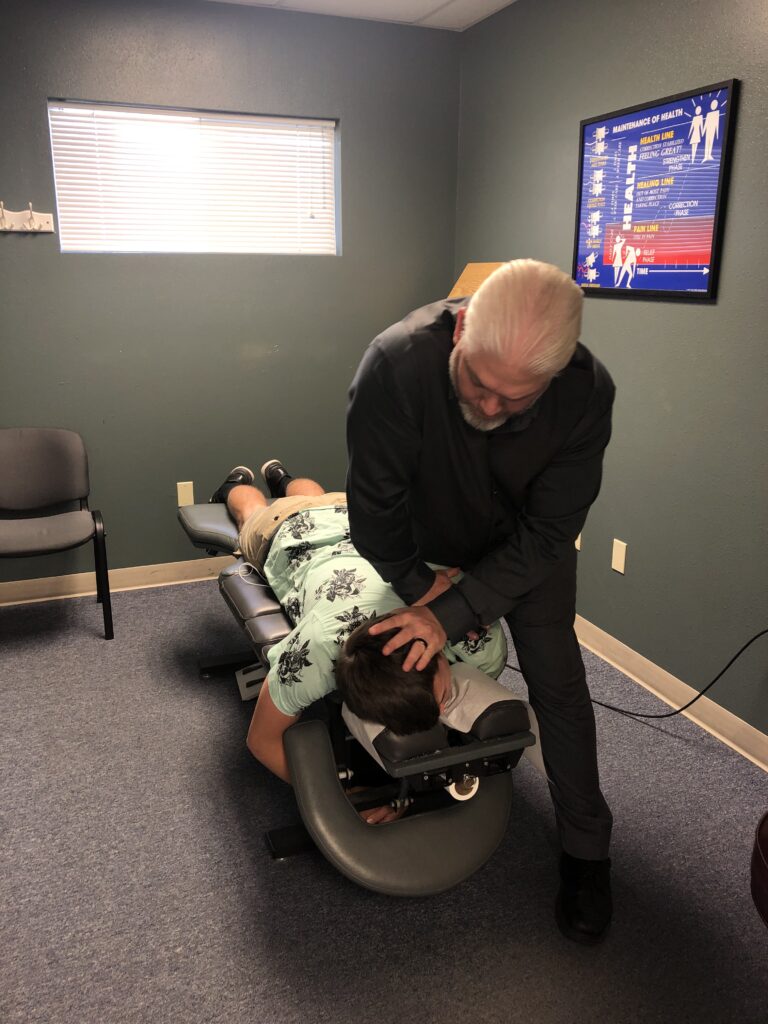

As a local chiropractor, I want to assure you that if you’re dealing with posture-related back pain, you are certainly not alone. Many individuals experience this discomfort in their daily lives, but I’m here to tell you that relief is attainable. Through simple changes in your workspace and the incorporation of targeted exercises, you can achieve remarkable improvements.
It’s important to understand that proper techniques and the right tools play a vital role in your healing process. So, what can you do to embark on your journey toward better posture and lasting pain relief? Let’s delve into some effective solutions that can truly transform how you feel.
Chiropractic care focuses on aligning your spine and improving your overall musculoskeletal health. By addressing the root causes of your pain, we can help restore balance to your body. Additionally, I encourage you to consider ergonomic adjustments to your workstation and specific exercises designed to strengthen your posture.
Together, we can explore a holistic approach to your well-being that prioritizes natural healing and empowers you to live a pain-free life. Let’s take those crucial first steps toward a healthier you!
Understanding Posture-Related Back Pain
As a local chiropractor, I want to help you understand how your posture can impact your back health. Many of us lead busy lives where we often find ourselves slouching or sitting for extended periods without proper support. This poor alignment can place significant stress on your spine and the surrounding muscles, leading to discomfort and pain. You may experience pain that radiates from your lower back up to your shoulders, often accompanied by stiffness.
To better grasp this issue, consider how your body functions. When you sit in a slouched position, your muscles must work harder to maintain an upright posture, which can lead to fatigue over time. This ongoing imbalance can contribute to chronic discomfort, making everyday activities more challenging.
The good news is that you can take steps to alleviate this pain and improve your posture. Begin by being mindful of your sitting habits; ensure you have proper support for your back and engage your core muscles.
It’s also essential to take regular breaks to stretch your body and relieve tension. By implementing these small changes, you’ll likely notice a significant reduction in strain on your back, enhancing your overall well-being.
The Importance of Ergonomics in Your Workspace
As a local chiropractor, it’s important for me to emphasize the significance of creating an ergonomic workspace to maintain a healthy back and overall well-being. Many of my patients are unaware that the way they set up their work environment can greatly affect their spinal health.
First and foremost, adjusting your chair height is crucial. You want to ensure that your feet are flat on the floor and your knees are level with your hips. This simple adjustment can help prevent unnecessary strain on your lower back.
Your desk height is equally important; your elbows should be bent at a 90-degree angle when typing. This alignment helps to minimize tension in your shoulders and wrists, which are often common areas of discomfort.
Next, let’s talk about your computer monitor. Position it at eye level to avoid straining your neck. Many people tend to hunch over their screens, which can lead to long-term issues. If you’re using a laptop, I recommend utilizing a separate keyboard and a stand to achieve the optimal height for your screen.
Additionally, keep items you use frequently within easy reach. Overreaching can put undue stress on your back and shoulders.
It’s also vital to remember to change your position regularly and take breaks throughout your day. This not only helps relieve any built-up tension but also contributes to improved focus and productivity.
Creating an ergonomic workspace isn’t merely about comfort; it plays a direct role in your overall health and productivity. By prioritizing these adjustments, you can support your back and enhance your work experience, which is something I strive to educate all my patients about.
Taking these steps can make a significant difference in how you feel both at work and in your daily life.
Key Exercises to Strengthen Your Back and Core
As a local chiropractor, I want to emphasize the importance of a strong back and core for maintaining good posture and preventing pain. Incorporating specific exercises into your daily routine can greatly enhance your overall well-being.
Let’s start with planks. This exercise engages your entire core while providing much-needed stabilization for your back. I recommend aiming for three sets and holding each plank for 30 seconds. This simple yet effective exercise can help build a strong foundation for your spine.
Next, I suggest adding bridges to your regimen. This exercise targets your lower back and glutes. To perform a bridge, lie on your back with your knees bent, and lift your hips until your body forms a straight line from your shoulders to your knees. Try to complete three sets of 10 to 15 repetitions. This won’t only strengthen your back but also enhance the stability of your pelvis.
Incorporating supermans into your routine is another beneficial move. Lie face down and lift both your arms and legs off the ground simultaneously. Hold this position for a few seconds, then lower back down. Aim for three sets of 10 repetitions. This exercise focuses on strengthening the muscles along your spine, which is vital for a healthy back.
Finally, let’s not overlook the importance of rows. This exercise is great for strengthening the upper back muscles. You can use resistance bands or weights to perform rows, which can help counteract the effects of prolonged sitting or slouching.
By committing to these exercises, you won’t only build strength but also improve your posture and alleviate back pain effectively.
Stretching Techniques for Improved Flexibility
As a local chiropractor, I want to emphasize the importance of incorporating stretching techniques into your daily routine to improve flexibility and enhance your overall mobility.
It’s crucial to start with some dynamic stretches, such as arm circles and leg swings. These movements aren’t only great for warming up your muscles but also help prepare your body for more intensive stretching, reducing the risk of injury.
After warming up, I recommend transitioning to static stretches, like the hamstring stretch and the cat-cow pose. Hold each stretch for about 20-30 seconds while focusing on your breathing. This practice aids in releasing tension in your muscles and enhances your range of motion, which is vital for maintaining a healthy spine and body.
Additionally, don’t overlook the importance of stretching your back. Incorporate exercises like the spinal twist and child’s pose to address any posture-related tightness you might be experiencing.
By regularly practicing these stretches, you’ll likely notice significant improvements in your flexibility, making daily activities easier and alleviating discomfort.
The Role of Mindfulness and Body Awareness
As a local chiropractor, I want to share how mindfulness and body awareness can play a crucial role in managing back pain.
When you learn to tune into your body’s signals and practice breathing techniques, you can significantly improve your overall well-being.
By incorporating daily mindfulness practices, you can stay more attuned to your body’s needs, which makes it easier to identify and address any discomfort you may be experiencing.
Understanding these concepts is essential in your journey towards natural healing and pain relief.
Together, we can work on strategies that not only alleviate your back pain but also enhance your quality of life.
Understanding Body Signals
As a local chiropractor, I want to share an important insight with you—your body is always communicating its needs through various signals. Many people may not realize it, but these signals are vital indicators of your health and well-being.
By paying attention to how your body feels, especially in terms of posture, you can catch potential issues before they develop into more serious, chronic pain.
For instance, after spending long hours sitting, do you notice any discomfort in your muscles? Or perhaps you feel tension building in your neck and shoulders during stressful situations? These sensations are your body’s way of alerting you to take action.
By practicing mindfulness and tuning into these signals, you can respond proactively—whether that means adjusting your posture, taking a break, or incorporating some gentle stretching exercises.
Listening to your body not only encourages better habits but also enhances your overall well-being. It can significantly reduce your risk of developing persistent back pain, which is something we see all too often in our clinic.
Breathing Techniques Benefits
As your chiropractor, I want to share the incredible benefits of breathing techniques for enhancing your body awareness and mindfulness. Many of my patients are surprised to learn how deeply connected our breath is to our physical well-being. By focusing on your breath, you can become more attuned to the signals your body is sending, such as tension or discomfort in your back and other areas.
This increased awareness empowers you to respond to your body’s needs promptly, which can significantly reduce the risk of further strain.
Incorporating deep, intentional breathing into your daily routine is an excellent way to foster relaxation. This practice can alleviate stress and tension that often contribute to back pain. As you develop this skill, you’ll also cultivate a sense of presence, helping to ground you in the moment.
This combination of heightened awareness and relaxation can lead to a more balanced posture, and over time, you may experience a significant reduction in your back pain.
I encourage you to explore these breathing techniques alongside your chiropractic care, as they can be a powerful tool in your journey towards healing and overall wellness.
Daily Mindfulness Practices
As a chiropractor, I encourage you to incorporate daily mindfulness practices into your routine, as they can significantly enhance your body awareness and overall well-being.
Mindfulness allows you to tune into your physical sensations, which is essential for recognizing tension and discomfort, especially in your back. Techniques such as meditation and mindful stretching can help you cultivate a deeper connection with your body.
Begin with just a few minutes each day, focusing on your breath and being aware of your posture. This heightened awareness can encourage you to make necessary adjustments to align your body naturally.
Over time, you may notice improvements in your posture and a reduction in pain. By embracing mindfulness, you not only promote a healthier back but also achieve greater mental clarity and emotional balance.
This holistic approach is vital in your journey towards relief from posture-related discomfort, and it’s a natural complement to chiropractic care.
Choosing the Right Chair and Desk Setup
As a local chiropractor dedicated to promoting wellness, I want to emphasize the importance of choosing the right chair and desk setup for your daily activities. This can greatly impact your comfort and productivity, as well as your overall health.
An ergonomic chair is essential; it provides the necessary support for your back and encourages proper posture, which can help alleviate strain and prevent discomfort.
When selecting your chair and desk, consider these important factors:
- Chair Height: It’s crucial that your feet rest flat on the ground or on a footrest. This helps maintain proper alignment and reduces pressure on your spine.
- Desk Height: Your elbows should be at a 90-degree angle while typing. This positioning helps prevent unnecessary strain on your shoulders and neck.
- Lumbar Support: Opt for a chair that provides adequate support for your lower back. Good lumbar support can help maintain the natural curve of your spine and prevent pain.
- Monitor Position: Your computer screen should be at or just below eye level. This ensures that you aren’t straining your neck, which can lead to discomfort and tension.
Taking the time to invest in your chair and desk setup can lead to improved posture and a reduction in back pain.
By adjusting your workspace to suit your individual needs, you may notice a significant positive change in how you feel throughout the day.
Incorporating Movement Into Your Daily Routine
As a local chiropractor, I want to emphasize the importance of incorporating movement into your daily routine for a healthy back and overall well-being. You don’t have to dedicate hours to the gym; even small adjustments to your day can lead to significant improvements.
I recommend taking short breaks every hour to stand up, stretch, or take a brief walk. If you’re at a desk for most of your day, consider using a standing desk or scheduling walking meetings to keep your body active and engaged.
Simple exercises like shoulder rolls and neck stretches can help alleviate tension and discomfort throughout your day. To help you remember, setting reminders on your phone can be a great way to stay accountable to your movement goals.
When commuting, try to take the stairs instead of the elevator, or park a bit further away to add extra steps to your day. Household chores, such as vacuuming or gardening, also provide excellent opportunities for movement.
By making movement a priority in your daily life, you’re not just alleviating back pain; you’re also boosting your energy and mood, which can make everyday tasks feel less overwhelming.
Lifestyle Changes for Long-Term Relief
As a local chiropractor, I want to emphasize the significant role that your daily habits play in managing and alleviating back pain. Many patients are surprised to learn that simple lifestyle changes can lead to long-term relief from discomfort.
Here are some practical adjustments that can enhance your posture and promote a healthier back:
- Be mindful of your posture: Whether you’re sitting at a desk or standing, paying attention to your body alignment is crucial. Proper posture can prevent strain on your spine and reduce pain.
- Strengthen your core muscles: Incorporating exercises that focus on your abdominal and back muscles is essential. A strong core provides support for your spine and can help alleviate pressure that contributes to pain.
- Stay hydrated: It’s important to drink plenty of water. Adequate hydration supports the health of your spinal discs and ensures that your body functions optimally.
- Prioritize quality sleep: A supportive mattress can make a significant difference in your sleep quality. Establishing a consistent sleep schedule will also help your body recover and rejuvenate overnight.
By making these changes, you can take proactive steps toward a healthier back and a more comfortable life.
If you have any questions or need guidance on how to implement these strategies, don’t hesitate to reach out. Your journey to relief starts with small, manageable steps!
Seeking Professional Help: When to Consult a Specialist
If you’ve been dealing with ongoing back pain that simply isn’t getting better with home treatments, it might be time to consider reaching out for professional assistance.
As a local chiropractor, I want to emphasize the importance of understanding your options when it comes to healing and the benefits of early intervention.
Chiropractic care focuses on natural healing methods that can significantly aid your recovery process.
Don’t wait until your discomfort intensifies; let’s work together to address your pain and get you back to feeling your best.
Consulting with a specialist like a chiropractor can provide you with the support and care you need to regain your health and well-being.
Recognizing Persistent Symptoms
As a local chiropractor, I understand that back pain can be a persistent issue for many.
It’s crucial to recognize when it’s time to seek professional help, especially if you’re not familiar with chiropractic care and the benefits of natural healing. If you’re experiencing ongoing symptoms, don’t hesitate to reach out to a specialist like me.
Here are some signs that indicate it might be time to get in touch:
- Your pain has lingered for more than a few weeks and hasn’t improved.
- Despite trying home remedies or resting, your discomfort continues to worsen.
- You notice numbness, tingling, or weakness in your legs, which can signal a more serious issue.
- Your daily activities, such as work or exercise, are significantly affected by your pain.
Don’t wait until the pain becomes overwhelming. Seeking early intervention can lead to effective solutions, allowing you to return to the activities you love without discomfort.
Trust your body—if something feels off, it’s essential to listen to those signs. As a chiropractor, I’m here to help you explore natural healing options that can provide relief and improve your overall well-being.
Understanding Treatment Options
As a local chiropractor, I understand how challenging it can be to deal with persistent back pain. It’s important to recognize your treatment options to find the relief you deserve. First, take a moment to assess how your pain is impacting your daily life; if it’s interfering with your activities, it could be time to seek professional help.
Chiropractic care is focused on spinal alignment, which is key to alleviating pain and promoting overall wellness. By addressing misalignments in your spine, we can help restore balance to your body, improve your posture, and strengthen your back.
Many patients find that regular chiropractic adjustments not only reduce pain but also enhance their mobility and quality of life.
In some cases, if your condition is more complex, I may recommend imaging tests to get a better understanding of any underlying issues. It’s also worth noting that chiropractic care can work synergistically with alternative therapies such as acupuncture and massage therapy, which can further support your healing journey.
If self-care methods haven’t provided the relief you seek, don’t hesitate to reach out for professional assistance. Early intervention is crucial and can significantly influence your recovery.
Together, we can develop a personalized treatment plan that addresses your unique needs and helps you on the path to better health. Remember, you don’t have to navigate this pain alone—I’m here to help!
Importance of Early Intervention
As a local chiropractor dedicated to helping our community, I want to emphasize the importance of recognizing when to seek professional help for back pain. Many people may not be aware that early intervention can drastically improve your recovery journey.
Ignoring symptoms can lead to chronic problems, so it’s crucial to be proactive. Here are some key signs that indicate it’s time to consult with a chiropractor:
- Persistent pain that lasts longer than a few days
- Pain radiating down your legs or arms, which could indicate nerve involvement
- Difficulty performing daily activities such as standing, walking, or even sitting comfortably
- Numbness or weakness in your arms or legs, which may signal an underlying issue
By addressing these symptoms early, we can work together to identify the root cause of your pain and prevent further complications.
Chiropractic care focuses on natural healing and offers tailored treatment options that can help restore your function and return you to your normal routine as quickly as possible.
Conclusion
As a local chiropractor, I want to share some effective strategies to help you find relief from posture-related back pain. One of the first steps is to create an ergonomic workspace that promotes good posture. This means adjusting your chair, desk, and computer screen to support your spine properly. Additionally, incorporating core-strengthening exercises into your routine can make a significant difference; a strong core helps to support your back and maintain proper alignment.
Mindfulness practices, such as yoga or meditation, can also play a crucial role in your healing journey. They help you become more aware of your body and posture throughout the day, which can lead to better habits. Remember, even small changes in your daily routine can result in lasting improvements in your overall well-being.
If you find that your pain continues, I encourage you to seek professional help. Chiropractic care focuses on natural healing and can be a valuable part of your recovery process. By taking these steps, you not only alleviate discomfort but also pave the way for a healthier, more active lifestyle. Let’s start this journey toward relief together!