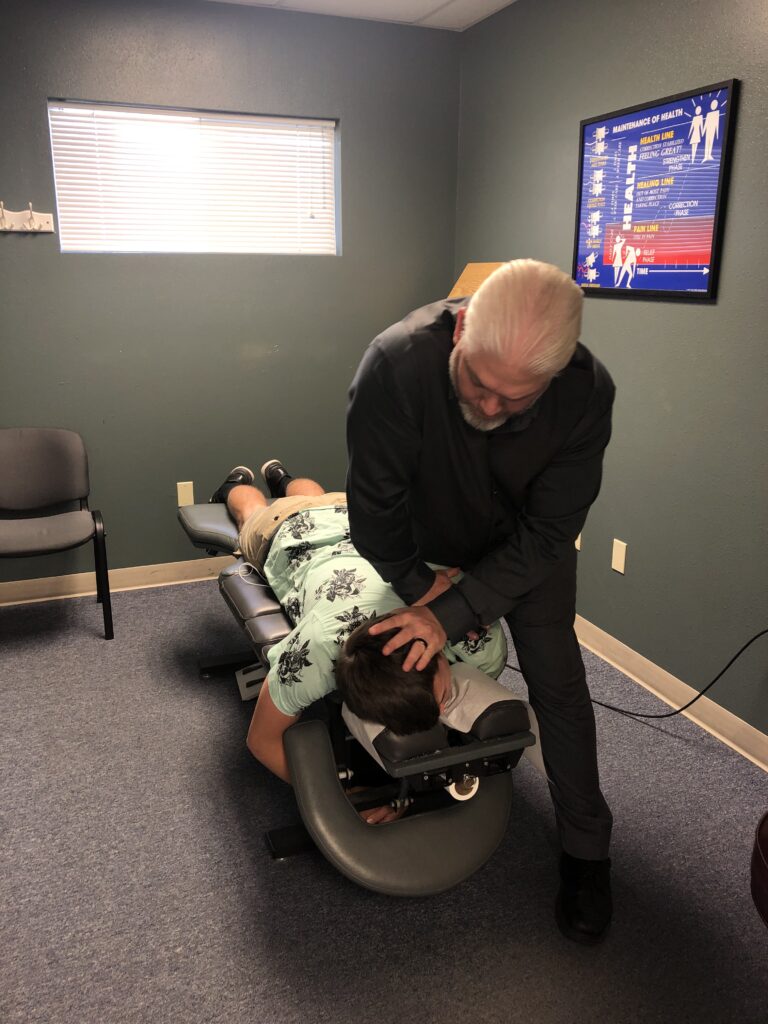

You might not realize how closely your spine and mental well-being are connected. Spinal adjustments can play a vital role in relieving anxiety by enhancing your nervous system function and reducing muscle tension. As you experience improved alignment, you may find that your stress levels decrease, leading to better focus and sleep. But how exactly do these adjustments foster such profound changes in your mental state? Understanding this connection could open up new avenues for managing anxiety more effectively.
Understanding Anxiety and Its Impact
Anxiety can greatly affect your daily life, often clouding your ability to focus and enjoy experiences. You might find yourself constantly worrying about upcoming events, feeling overwhelmed by tasks, or struggling to relax even during downtime. This persistent state of anxiety can lead to physical symptoms like headaches, tension, and fatigue, making it even harder to navigate your day-to-day responsibilities.
As you experience anxiety, it can impact your relationships and social interactions. You may withdraw from friends and family, fearing judgment or feeling like a burden. This isolation can further exacerbate your feelings of anxiety, creating a cycle that's tough to break. It's crucial to recognize the signs of anxiety and understand how they affect your life. Acknowledging that you're struggling is the first step toward seeking help and finding effective coping strategies.
Moreover, anxiety can reduce your ability to concentrate, making it difficult to complete tasks at work or school. This lack of focus can trigger feelings of inadequacy, leading to a further decline in your mental health.
You might find yourself caught in a loop of negative thoughts, which can heighten your anxiety and make it feel inescapable.
The Role of Chiropractic Care
Chiropractic care plays a significant role in addressing both physical and mental well-being. When you visit a chiropractor, you're not just seeking relief from back pain or headaches; you're also engaging in a holistic approach that can enhance your overall health.
By focusing on the alignment of your spine and nervous system, chiropractic adjustments can help improve your body's function, which in turn can alleviate anxiety and stress.
As you receive chiropractic care, you're likely to notice improvements in your physical posture and movement. This can lead to a decrease in physical discomfort, which often contributes to feelings of anxiety.
When your body feels good, your mind tends to follow suit. A well-aligned spine can also enhance nervous system function, leading to better communication between your brain and body. This connection is vital for managing stress and anxiety effectively.
Moreover, many people report feeling a sense of relaxation and calm after receiving adjustments. This feeling can be attributed to the release of tension stored in the muscles and joints, allowing you to approach daily challenges with a clearer mindset.
Regular chiropractic visits can also foster a sense of routine and self-care, both of which are essential for maintaining emotional balance.
What Are Spinal Adjustments?
Spinal adjustments are specialized techniques used by chiropractors to correct misalignments in your spine.
These adjustments not only help realign your vertebrae but also positively influence your nervous system.
Understanding the methods and effects of these adjustments can reveal how they contribute to your overall health and well-being.
Definition of Spinal Adjustments
When it comes to back health, spinal adjustments play a crucial role in maintaining overall well-being.
These adjustments are specialized techniques used by chiropractors to align your spine and improve its function. Fundamentally, a spinal adjustment involves applying controlled force to specific joints in your spine, helping to restore proper movement and alleviate discomfort.
Here are some key points about spinal adjustments:
- Realignment: They help reposition misaligned vertebrae, which can reduce pain and improve mobility.
- Nerve Function: Adjustments can enhance nerve function by relieving pressure on spinal nerves.
- Muscle Relaxation: They promote relaxation in surrounding muscles, which can help reduce tension and stress.
- Holistic Approach: Spinal adjustments support your body's natural healing processes, contributing to overall wellness.
Techniques Used in Adjustments
How can various techniques improve spinal adjustments? Different approaches cater to your specific needs and help enhance the effectiveness of your treatment.
For instance, the Diversified Technique focuses on restoring proper alignment through precise thrusts, making it a popular choice for many practitioners. You might also encounter the Gonstead Technique, which emphasizes thorough analysis and tailored adjustments to address specific issues in your spine.
Another method, the Activator Technique, uses a small handheld device to deliver gentle impulses to the spine. This technique is particularly suitable for those who may be apprehensive about manual adjustments.
If you prefer a more gentle approach, the Thompson Technique involves a drop-table system that helps reduce the force needed for effective alignment.
You may also find the Soft Tissue Technique beneficial, as it targets surrounding muscles to relieve tension before spinal adjustments.
Each technique has unique advantages, and your chiropractor will likely discuss which method suits you best based on your condition and comfort level.
Effects on Nervous System
Through precise manipulation of the vertebrae, spinal adjustments can considerably impact your nervous system. By aligning your spine, you help restore peak function to your nervous system, which translates to various physical and mental benefits.
When your spine is in alignment, your body can communicate more efficiently, reducing stress and anxiety levels.
Here are some key effects spinal adjustments have on your nervous system:
- Improved nerve function: Better alignment means less nerve interference, allowing signals to travel freely.
- Enhanced relaxation: Spinal adjustments can promote a state of relaxation, helping to lower your heart rate and reduce muscle tension.
- Reduced stress response: With improved spinal alignment, your body can better manage stress, leading to a calmer state of mind.
- Boosted immune function: A well-functioning nervous system supports your immune response, helping you ward off illnesses.
When you prioritize spinal health through adjustments, you're not just alleviating discomfort; you're also nurturing your nervous system.
This holistic approach can lead to overall better health and well-being, making it an essential aspect of your self-care routine.
How Spinal Adjustments Work
Spinal adjustments work by influencing your nervous system, which plays an essential role in how your body functions.
When your spine is aligned correctly, it can lead to significant pain relief by reducing nerve interference.
Understanding this connection can help you appreciate the benefits of regular adjustments.
Nervous System Connection
The connection between spinal adjustments and your nervous system is profound, influencing overall health in various ways. When your spine is properly aligned, it allows your nervous system to function efficiently. This alignment guarantees that the signals between your brain and body flow smoothly, reducing interference and promoting better communication.
Here are some key benefits of spinal adjustments on your nervous system:
- Enhanced brain function: Improved spinal alignment can lead to better cognitive clarity and focus.
- Balanced autonomic response: Spinal adjustments help regulate the sympathetic and parasympathetic nervous systems, reducing stress responses.
- Improved mood: By enhancing nervous system function, you may experience a decrease in anxiety and an overall uplift in emotional well-being.
- Better sleep quality: A well-functioning nervous system can contribute to more restful sleep, helping to further reduce anxiety levels.
Pain Relief Mechanism
When you receive a spinal adjustment, your body undergoes a series of changes that can greatly alleviate pain. The adjustment helps to realign your spine, which can relieve pressure on nerves and surrounding tissues. This realignment directly reduces discomfort, allowing your body to function more effectively.
Additionally, adjustments promote the release of endorphins—your body's natural painkillers. As these endorphins flood your system, you'll likely feel a sense of relief and well-being. This biochemical response not only helps with immediate pain relief but also encourages a more relaxed state, reducing anxiety linked to discomfort.
Moreover, spinal adjustments improve blood flow to the affected areas. Enhanced circulation allows nutrients and oxygen to reach injured tissues, promoting faster healing. When you're not in pain, you're more likely to engage in physical activities, further supporting your recovery.
Ultimately, spinal adjustments can create a positive feedback loop: less pain leads to more movement, which leads to further pain relief. By addressing the root causes of discomfort, you're not only finding immediate relief but also setting the stage for long-term wellness.
Connection Between Spine and Brain
Although you mightn't realize it, the connection between your spine and brain plays an important role in your overall health. Your spine houses the spinal cord, which is a crucial pathway for communication between your brain and the rest of your body. When your spine is misaligned or restricted, it can disrupt this communication, leading to various health issues, including anxiety and stress.
Here are some key points about this connection:
- Nerve Function: The spinal cord carries nerve signals, influencing how your body reacts to stress and anxiety.
- Posture Impact: Poor posture can compress nerves, affecting your mental state and overall well-being.
- Muscle Tension: Misalignments contribute to muscle tension, which can worsen anxiety symptoms.
- Holistic Approach: Addressing spinal health can lead to improved mental clarity and emotional stability.
Understanding this connection helps you appreciate the significance of maintaining a healthy spine.
When your spine is aligned, it allows for ideal nerve function, which can enhance your overall mental and physical health. Regular spinal adjustments can help guarantee that your nervous system operates efficiently, reducing the risk of anxiety and other related conditions.
Benefits of Reduced Muscle Tension
Reduced muscle tension brings a host of benefits that can greatly improve your quality of life. When your muscles are relaxed, you're likely to experience less pain and discomfort. This relief allows you to move more freely throughout your day, whether you're exercising, working, or simply going about your daily tasks.
You might also notice an increase in your overall sense of well-being. Reduced muscle tension often leads to improved mood and decreased feelings of stress. When your body isn't fighting against tightness and discomfort, your mind can focus more on positive thoughts and experiences. This shift in mindset can contribute to a more balanced emotional state, helping you handle daily challenges with greater ease.
Additionally, with less muscle tension, your sleep quality may improve. When your body is relaxed, it's easier to fall asleep and stay asleep, which can help you wake up feeling refreshed and energized. Good sleep is essential for your mental health and can further reduce anxiety levels.
Moreover, reduced muscle tension can enhance your posture and alignment. When your muscles are relaxed, they support your spine better, which can prevent strain and injury. Improved posture not only contributes to physical comfort but also positively impacts your confidence and presence in social situations.
Enhancing Nervous System Function
Ideal nervous system function plays an essential role in your overall health, and spinal adjustments can greatly enhance this important system. When your spine is aligned correctly, it allows your nervous system to communicate more effectively with the rest of your body. This improved communication can lead to numerous benefits, including better coordination, enhanced reflexes, and increased energy levels.
Here's how spinal adjustments can boost your nervous system function:
- Improved Signal Transmission: Proper spinal alignment allows nerve signals to travel without interference, ensuring your body responds efficiently to stimuli.
- Enhanced Coordination: Aligning your spine can improve your body's coordination, making daily tasks and physical activities easier and more fluid.
- Reduced Inflammation: Spinal adjustments can help reduce inflammation around the nerves, which may enhance overall nerve function and responsiveness.
- Better Stress Management: A well-functioning nervous system is vital for managing stress effectively. Spinal adjustments can help your body handle stressors more gracefully.
When you receive spinal adjustments, you're not just addressing discomfort; you're promoting an environment where your nervous system can thrive. This enhancement can lead to improved overall wellness, helping you feel more balanced and energized.
In turn, you'll notice that your body can handle challenges more effectively, supporting both your physical and mental well-being. Embracing spinal adjustments as a part of your wellness routine can set the stage for a healthier, more vibrant life.
Promoting Relaxation and Well-being
Spinal adjustments not only enhance your nervous system function but also play a significant role in promoting relaxation and overall well-being. When your spine is properly aligned, your body can better manage stress and tension. This alignment helps reduce muscle stiffness and discomfort, allowing you to feel more at ease both physically and mentally.
As tension in your body decreases, you may notice an improvement in your mood. The reduction of physical discomfort often leads to a more positive outlook on life. You might find that you're able to cope with daily stressors more effectively, making it easier to navigate challenges without feeling overwhelmed.
By facilitating relaxation, spinal adjustments can also contribute to better sleep quality. When your body is free from pain and tension, you're more likely to enjoy restful nights, which further enhances your overall well-being.
Moreover, many individuals report feeling a sense of calm and clarity after receiving spinal adjustments. This clarity can help you make better decisions and engage more fully in activities you enjoy. You may also find that you're more present in your relationships, as a relaxed state allows for deeper connections with others.
Incorporating spinal adjustments into your wellness routine can be a transformative experience. You'll likely notice not just physical benefits, but a profound shift in how you feel mentally and emotionally.
Integrating Chiropractic With Other Therapies
Integrating chiropractic care with other therapeutic approaches can greatly enhance your overall health and healing process. When you combine chiropractic adjustments with other therapies, you create a holistic treatment plan that addresses multiple aspects of your well-being.
This synergy can lead to improved results, especially when dealing with anxiety and stress.
Consider these effective combinations:
- Massage Therapy: Alleviates muscle tension and promotes relaxation, enhancing the benefits of chiropractic adjustments.
- Physical Therapy: Strengthens your muscles and improves your range of motion, working in tandem with spinal adjustments to support your body's mechanics.
- Acupuncture: Balances your energy flow and reduces stress, complementing chiropractic care for a more thorough approach to anxiety relief.
- Mindfulness Practices: Techniques like yoga and meditation can help you manage stress, making it easier for chiropractic adjustments to take effect.
By integrating these therapies with chiropractic care, you're not just focusing on spinal alignment; you're addressing the root causes of anxiety and promoting overall wellness.
This multifaceted approach can lead to quicker recovery and a greater sense of balance in your life.
Conclusion
Incorporating spinal adjustments into your routine can be a game-changer for managing anxiety. By improving spinal alignment and nerve function, you'll not only reduce tension but also promote relaxation and emotional balance. This holistic approach complements other therapies you may be exploring, creating a thorough strategy for your mental well-being. Embrace chiropractic care as an essential part of your journey toward a calmer, more focused, and healthier life. You deserve to feel your best!