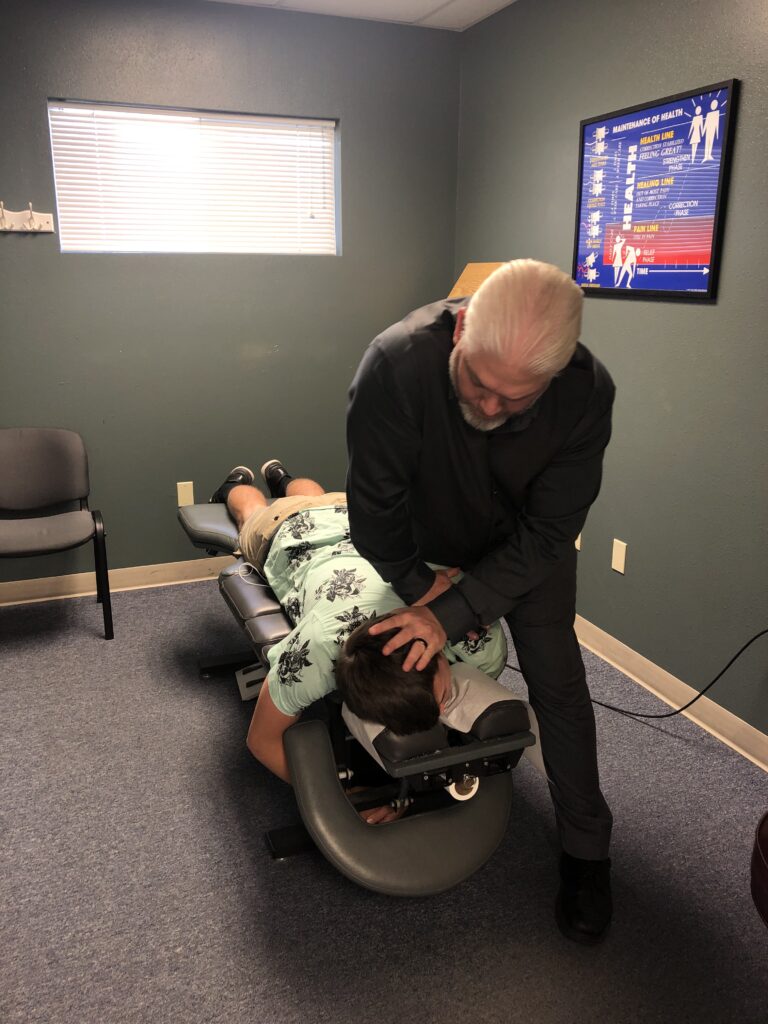

As a local chiropractor, I’ve seen firsthand how back pain from poor posture can disrupt your daily life. It’s crucial to recognize how your workspace and everyday habits can lead to discomfort. Many people are unaware of the impact that simple adjustments can have on their wellbeing. By incorporating mindful practices into your routine, you can significantly alleviate tension in your back. Let’s delve into some effective strategies that can transform your experience at work and in your daily activities. Together, we can work towards a healthier posture and a pain-free life.
Understand the Importance of Good Posture
As a chiropractor, I want to emphasize the crucial role that good posture plays in your overall health, especially when it comes to preventing and alleviating back pain. Many individuals underestimate this aspect, but maintaining proper alignment is vital for keeping your spine in a neutral position, which in turn minimizes strain on your muscles and ligaments.
It may be surprising to learn that habits like slouching or leaning forward can lead to discomfort and potentially long-term complications. By consciously working on your posture, you’re not merely making a cosmetic adjustment; you’re actively supporting your body’s natural structure.
When you sit or stand upright, your core muscles engage, allowing for even weight distribution. This balance significantly alleviates pressure on your spine, which can lead to a marked reduction in pain.
It’s essential to practice good posture in your daily activities. Whether you’re at your desk, on your feet, or moving about, aim to keep your shoulders back, your chest open, and your head aligned with your spine.
By making these adjustments a habit, you’ll likely notice a positive change in how your back feels and functions. This simple shift can enhance your daily life and overall well-being, making your experience much more enjoyable.
Set Up an Ergonomic Workspace
As a local chiropractor, I want to emphasize the importance of creating an ergonomic workspace to help alleviate back pain and boost your productivity. The way you set up your workspace can significantly impact your overall health.
Begin by adjusting your chair to provide proper support for your lower back. It’s crucial to keep your feet flat on the ground, with your knees positioned at or just below hip level. This alignment helps maintain the natural curvature of your spine.
Next, ensure your computer monitor is at eye level and about an arm’s length away. This setup can prevent unnecessary neck strain, which is a common issue I see in patients.
Your keyboard and mouse should be positioned so that your elbows rest comfortably by your sides, creating a 90-degree angle. If your feet don’t reach the ground adequately, consider using a footrest to achieve the right posture.
To further enhance your comfort, keep items you use frequently within arm’s reach to minimize stretching.
I also recommend considering a standing desk or an adjustable desk that allows you to alternate between sitting and standing throughout the day. This variety can reduce the risk of stiffness and discomfort.
By following these ergonomic guidelines, you’ll not only create a workspace that promotes comfort but also significantly lower your chances of experiencing back pain.
Practice Mindfulness and Body Awareness
As a chiropractor, I often see patients struggle with back pain, and one of the most effective ways to alleviate this discomfort is by practicing mindfulness and body awareness.
After you’ve made sure your workspace is ergonomically set up, it’s crucial to start tuning into your body and understanding how it feels throughout your day.
I encourage you to check in with yourself regularly. Pay attention to any tension or discomfort you might be experiencing in your back, and make adjustments to your posture as needed. This simple practice can go a long way in preventing pain.
Take a few moments to breathe deeply. Focus on allowing your muscles to relax with each exhale. It’s also beneficial to set reminders for yourself to change your position every hour. Whether it’s standing up or taking a short walk, these movements can significantly impact your overall comfort.
While you work, maintain awareness of your sitting position. Are you leaning forward or slouching? Engaging in mindfulness can help you recognize these habits, making it easier to correct them in real time.
Incorporate Stretching and Strengthening Exercises
As a local chiropractor dedicated to helping you achieve better health, I want to emphasize the importance of incorporating essential stretches and strengthening exercises into your daily routine to alleviate back pain.
These movements not only relieve tension in your muscles but also help build your core strength, which is crucial for providing your spine with the support it needs.
Many patients are unaware of how beneficial these exercises can be in promoting natural healing and improving overall wellness.
By integrating targeted stretches and strengthening routines, you can enhance your flexibility, reduce discomfort, and prevent future injuries.
Let’s explore some effective stretches and exercises that you can easily start today.
I’m here to guide you through this process and support your journey towards a healthier, pain-free life.
Essential Stretches for Relief
As a local chiropractor, I understand that back pain can feel overwhelming for many of you. However, incorporating essential stretches into your daily routine can significantly alleviate discomfort and promote natural healing.
Let’s start with the cat-cow stretch, which is excellent for improving spinal flexibility. To do this, kneel on all fours, arch your back upward like a scared cat, and then dip it down while lifting your head. This movement helps to mobilize your spine and relieve tension.
Next, I recommend the seated forward bend. Sit with your legs extended in front of you, and gently reach for your toes. Hold this position for 20-30 seconds. This stretch is beneficial for loosening tight hamstrings and lower back muscles, which can contribute to your discomfort.
Another effective stretch is the child’s pose. To perform this, sit back on your heels and extend your arms forward on the floor, allowing your forehead to rest down. This position promotes relaxation and stretches the lower back.
As you practice these stretches, aim to hold each one for 15-30 seconds while focusing on your breath. Consistency is crucial, so I encourage you to incorporate these stretches into your daily routine for the best results.
Strengthening Core Muscles
As a local chiropractor, I want to emphasize the importance of strengthening your core muscles for reducing back pain and enhancing overall stability. A strong core plays a crucial role in supporting your spine, which in turn helps you maintain proper posture during daily activities.
I recommend incorporating exercises such as planks, bridges, and bicycle crunches into your fitness routine. Aim for 3 sets of 10-15 repetitions for each exercise, and remember to engage your core throughout your workouts.
In addition to strengthening exercises, it’s vital to include stretching routines like the cat-cow stretch and child’s pose. These stretches not only enhance flexibility but also help relieve tension in your muscles.
Balancing strengthening with stretching promotes a comprehensive approach to core health. Consistency is key to seeing results, so I encourage you to dedicate some time each week to focus on these exercises.
As your core grows stronger, you’ll likely notice improvements in your posture and a reduction in back pain. If you have any questions about how chiropractic care can further support your journey to a healthier core, feel free to ask during your next visit!
Use Supportive Furniture and Accessories
As a local chiropractor, I want to emphasize the importance of supportive furniture in managing and alleviating back pain.
Investing in an ergonomic chair is crucial, as it helps maintain proper posture and can significantly reduce strain on your back. Additionally, ensuring that your desk is at the right height is essential to prevent unnecessary stress on your spine.
By making these thoughtful choices, you can enhance your comfort and overall well-being.
Let’s dive deeper into how these adjustments can complement the natural healing methods we practice in chiropractic care.
Ergonomic Chair Benefits
As a local chiropractor, I want to emphasize the significant benefits of investing in an ergonomic chair, especially if you find yourself sitting for extended periods.
These chairs are specifically designed to support your body’s natural alignment, which can help alleviate strain on your back and neck—common areas of discomfort for many.
When you use an ergonomic chair with proper lumbar support, you’ll likely experience a notable reduction in tension and discomfort throughout your day.
One of the key advantages of these chairs is their adjustable features, which allow you to tailor the fit to your unique body shape, ensuring your spine remains properly aligned.
Additionally, ergonomic chairs encourage movement, facilitating better blood circulation and helping to prevent stiffness that can arise from prolonged sitting.
By choosing an ergonomic chair, you’re not only enhancing your workspace but also taking an important step towards prioritizing your overall health and well-being.
Investing in this type of chair can be a pivotal decision in alleviating back pain and improving your quality of life.
I encourage you to consider how such an investment can positively impact your daily routine and overall health.
Desk Height Considerations
As a local chiropractor, I want to share some important insights about the height of your desk and how it can impact your overall well-being. Many people overlook the significance of a properly set up workspace, but an improper desk height can lead to back pain and discomfort over time.
Ideally, your desk should be at a height that allows your elbows to rest comfortably at a 90-degree angle while you type. If your desk is positioned too high, you may find yourself elevating your shoulders, which can create unnecessary tension and strain.
On the other hand, a desk that’s too low can cause you to slouch, leading to poor posture and potential long-term issues.
To create a more ergonomic workspace, consider using a chair with adjustable height or even a standing desk. These options can help you find the right fit for your body.
Additionally, incorporating accessories like keyboard trays and footrests can further enhance your posture and support spinal health.
By making these adjustments to your workspace, you can significantly reduce strain on your back and promote a more comfortable and productive workday.
Take Regular Breaks and Move Throughout the Day
As a local chiropractor, I often see patients who are unaware of how their daily habits can impact their back health. One common issue I encounter is the discomfort that arises from prolonged sitting. While it might feel comfortable in the moment, staying stationary for too long can lead to significant back pain.
To help combat this problem, I encourage you to make it a priority to take regular breaks throughout your day. A simple yet effective strategy is to set a timer for every 30 minutes. When it goes off, take a moment to stand up, stretch, or take a short walk. These brief intermissions can greatly relieve muscle tension and enhance circulation, ultimately reducing discomfort in your back.
Incorporating movement into your daily routine can be easier than you think. For instance, consider walking while you’re on the phone or opting for the stairs instead of the elevator.
Even small adjustments, like changing your sitting position or doing light stretches at your desk, can create a positive impact. Remember, staying active doesn’t mean you have to commit to a full workout; engaging in small, consistent movements throughout the day will help keep your body active and prevent stiffness.
Prioritizing these breaks is crucial, and I assure you that you’ll likely notice a significant improvement in your posture and overall back health. Taking care of your body is essential, and I’m here to support you in your journey toward a healthier spine!
Conclusion
As a local chiropractor, I want to emphasize the importance of prioritizing good posture to alleviate back pain. By making simple adjustments in your daily life, you can experience significant relief. Start by setting up an ergonomic workspace that supports your natural alignment. Practicing mindfulness can also help you become more aware of your posture throughout the day.
Incorporating stretching into your routine is essential for maintaining flexibility and reducing tension in your muscles. I encourage you to take regular breaks to move around and engage your body, as this can prevent stiffness and discomfort. By following these tips, not only will you relieve your back pain, but you’ll also promote a healthier, more productive lifestyle. Your body will thank you for it!