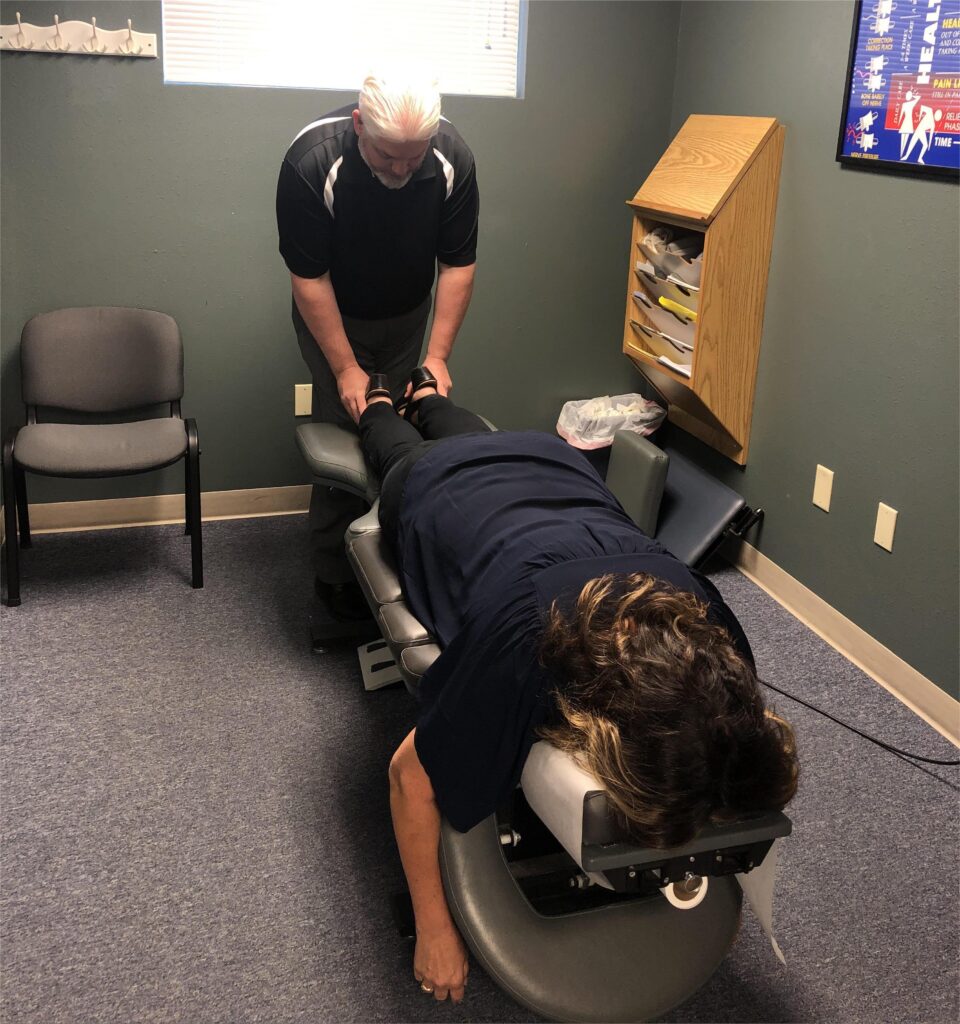

Tension headaches can be a frustrating and painful distraction in your daily life. As a chiropractor, I want to help you understand how to prevent these headaches before they start. By identifying common triggers and making simple adjustments to your routine, you can significantly reduce the frequency and intensity of tension headaches.
One of the key factors in headache prevention is hydration. Staying well-hydrated supports overall health and can help keep headache symptoms at bay. Additionally, pay attention to your posture throughout the day. Poor posture can put unnecessary strain on your spine and muscles, leading to tension headaches. Simple changes, like adjusting your workspace ergonomically or practicing good posture while sitting and standing, can make a big difference.
Another effective strategy is incorporating regular chiropractic care into your wellness routine. Chiropractic adjustments can help align your spine, relieve tension in your muscles, and improve overall function. This natural approach not only addresses the root cause of tension headaches but also promotes a healthier lifestyle.
Here are a few practical tips to help you maintain a headache-free lifestyle:
- Stay Hydrated: Aim for at least eight glasses of water a day to keep your body well-hydrated.
- Practice Good Posture: Be mindful of your posture, especially when sitting at a desk or using electronic devices.
- Take Breaks: If you’re working for long periods, take short breaks to stretch and move around to relieve tension in your muscles.
- Manage Stress: Incorporate relaxation techniques such as deep breathing, yoga, or meditation into your routine to help manage stress levels.
- Schedule Regular Chiropractic Visits: Regular adjustments can help keep your spine aligned and reduce tension that may lead to headaches.
By adopting these habits and prioritizing chiropractic care, you can pave the way for a healthier, headache-free life. Remember, prevention is key, and taking proactive steps can lead to significant relief and improved overall well-being.
Key Takeaways
Stop Tension Headaches Before They Start
As your local chiropractor, I understand how debilitating tension headaches can be. Here are some simple yet effective strategies to help you prevent these annoying headaches and promote your overall wellness.
- Keep Good Posture: Maintaining proper posture is essential for reducing muscle tension in your neck and shoulders. When you sit or stand tall, you support your spine and minimize the stress on your muscles, which can help keep headaches at bay.
- Stay Hydrated: Drinking enough water throughout the day is vital for your body’s health. Dehydration can lead to headaches, so make it a habit to sip water regularly. Proper hydration supports overall wellness and contributes to a healthy spine.
- Ergonomic Workspace: If you spend long hours at a desk, ensuring your workspace is ergonomically friendly can make a big difference. Adjust your chair, screen height, and keyboard position to promote good spinal alignment and reduce strain. Your chiropractor can provide personalized recommendations to optimize your setup.
- Stress Management Techniques: Stress is a common trigger for tension headaches. Incorporating simple techniques like deep breathing, mindfulness, or guided imagery can help you relax and reduce headache frequency. These practices not only benefit your mental health but also support your spinal health.
- Regular Chiropractic Visits: Consistent chiropractic care is one of the most effective ways to prevent tension headaches. By ensuring your spine is properly aligned, you can alleviate muscle tension and enhance your overall health. Scheduling regular visits with your chiropractor can provide ongoing support and tailored strategies for headache prevention.
By following these tips, you can take proactive steps toward preventing tension headaches and improving your overall well-being. Remember, chiropractic care is a natural and effective choice for achieving optimal health!
Understanding Tension Headaches
When you experience a tension headache, it often feels like a tight band is squeezing around your head. This discomfort usually stems from muscle tension in your neck, scalp, or jaw. You might notice a dull, aching pain that can last anywhere from a few hours to several days, making it challenging to focus or unwind. Unlike migraines, tension headaches typically don’t come with nausea or sensitivity to light, but they can still be quite disruptive to your daily life.
Understanding the nature of tension headaches is vital for managing them effectively, and chiropractic care can play a crucial role in your relief. These headaches can vary in intensity and frequency, often triggered by stress, poor posture, or extended periods of screen time. By recognizing these factors, you can become more attuned to your body’s signals and take proactive steps toward relief.
Chiropractic adjustments can help alleviate muscle tension and improve spinal alignment, which may reduce the frequency and intensity of your headaches. Additionally, maintaining good posture while sitting or standing, taking regular breaks from screens, and incorporating relaxation techniques such as deep breathing or gentle stretching can also aid in preventing tension headaches.
Common Triggers of Tension Headaches
Identifying the common triggers of tension headaches is essential for managing and preventing discomfort effectively. As a chiropractor, I believe that understanding these triggers empowers you to take proactive steps toward a healthier, headache-free life.
| Trigger | Description |
|---|---|
| Poor posture | Slouching or hunching over screens can strain your spine and muscles, leading to tension headaches. |
| Eye strain | Spending too much time on screens without proper breaks can cause your eyes and neck to work harder, triggering discomfort. |
| Stress and anxiety | Emotional pressure can create tension in your muscles, contributing to headaches. |
| Dehydration | Not drinking enough water can lead to muscle tightness and headaches. |
To combat these triggers, pay close attention to your daily habits and environment. Simple adjustments can make a significant difference. For example, ensure your workspace is ergonomically designed to support good posture. Take regular breaks to rest your eyes—consider the 20-20-20 rule: every 20 minutes, look at something 20 feet away for 20 seconds.
Staying hydrated is vital; aim for at least eight glasses of water a day. Additionally, incorporating relaxation techniques such as deep breathing or gentle stretches into your routine can help manage stress and tension, reducing the likelihood of headaches.
Chiropractic care can play a crucial role in achieving optimal health and alleviating tension headaches. By focusing on spinal alignment and muscle balance, chiropractic adjustments can help restore function and reduce stress on your body. Regular chiropractic visits can provide ongoing support for your overall wellness journey.
The Importance of Stress Management
Stress management is vital for maintaining your overall health and well-being, especially since unmanaged stress can significantly contribute to tension headaches. By prioritizing stress management, you can’t only reduce the frequency and intensity of these headaches but also enhance your quality of life.
As a chiropractor, I want to emphasize how chiropractic care can be an effective way to help manage stress and promote natural healing. Here are some key benefits of effective stress management and how chiropractic care can support you:
- Improved Focus: Regular chiropractic adjustments can help align your spine, allowing your nervous system to function optimally. This can lead to better concentration on your daily tasks and responsibilities.
- Better Sleep: Stress can disrupt your sleep patterns, but chiropractic care can help relax your body and mind, leading to more restful and restorative sleep.
- Enhanced Mood: Chiropractic adjustments can help release tension from your body, leading to fewer mood swings and a more positive outlook on life.
- Stronger Relationships: When you manage your stress levels effectively, you can communicate better and connect more deeply with others. A balanced spine can also contribute to overall emotional well-being.
- Physical Health: Lower stress levels can lead to improved cardiovascular health and reduced muscle tension. Chiropractic care can help ensure your body is functioning at its best, promoting overall physical wellness.
In addition to chiropractic adjustments, here are some general tips to help you manage stress effectively:
- Practice Deep Breathing: Take a few moments each day to engage in deep breathing exercises. This simple technique can help calm your mind and reduce stress.
- Stay Active: Regular physical activity, such as walking or stretching, can help alleviate tension and improve your mood.
- Prioritize Self-Care: Make time for activities you enjoy, whether it’s reading, gardening, or spending time with loved ones.
- Stay Hydrated and Eat Well: Nourishing your body with healthy foods and staying hydrated can significantly impact your overall stress levels.
Techniques for Relaxation and Mindfulness
When tension headaches strike, incorporating relaxation techniques can significantly improve your comfort and well-being. As a chiropractor, I often emphasize the importance of natural methods to alleviate pain and reduce stress. Breathing exercises and guided imagery are two powerful tools that can help calm your mind and ease discomfort.
Breathing exercises, such as deep belly breathing, allow you to take a moment to focus on your breath, which can promote relaxation and decrease muscle tension. Simply find a quiet space, sit or lie down comfortably, and take slow, deep breaths. Inhale through your nose for a count of four, hold for four, and exhale through your mouth for a count of six. Repeat this several times to help soothe your mind and body.
Guided imagery is another effective technique. Imagine a peaceful scene, like a beach or a serene forest, and visualize yourself in that place. Engage all your senses—think about the sounds, smells, and sensations you’d experience. This mental escape can distract you from pain and help reduce stress.
While these techniques are beneficial, it’s also important to consider the role of spinal health in overall wellness. Regular chiropractic adjustments can help maintain proper spine alignment, which is crucial for reducing tension and preventing headaches. By addressing any misalignments in your spine, chiropractic care can enhance your body’s natural ability to heal and function optimally.
Incorporating these practices into your daily routine, along with regular chiropractic care, can lead to a healthier, happier you. Remember, your body deserves the best, and choosing natural methods for pain relief is a step toward achieving that goal.
Breathing Exercises
Breathing exercises can be an incredibly effective method for relaxation and mindfulness, especially if you’re experiencing tension headaches. Focusing on your breath not only helps reduce stress but also promotes a sense of calm that can support your overall well-being. As a chiropractor, I always emphasize the importance of managing stress to foster a healthier spine and body.
Here are some simple breathing techniques you can incorporate into your daily routine:
- Inhale deeply through your nose for a count of four. This helps oxygenate your body and can ease tension.
- Hold your breath for a count of four. This brief pause allows your body to absorb the oxygen.
- Exhale slowly through your mouth for a count of six. This extended exhalation helps release built-up stress.
- Repeat this cycle for a few minutes, concentrating on your breath and allowing your mind to settle.
- If your thoughts drift, gently guide your focus back to your breathing.
Incorporating these exercises not only helps manage tension but can also prevent headaches from surfacing in the first place. Remember, a healthy spine is crucial for overall health, and practicing mindful breathing can support your chiropractic care by enhancing relaxation and reducing stress levels.
Give these techniques a try—you may be pleasantly surprised by the relief and calmness you experience!
Guided Imagery Techniques
Building on the benefits of breathing exercises, guided imagery techniques can further enhance relaxation and mindfulness, especially during episodes of tension headaches. As a chiropractor, I recommend incorporating these techniques into your wellness routine to help manage discomfort naturally.
Imagine yourself in a serene setting, like a quiet beach or a peaceful forest. Close your eyes, take a deep breath, and picture the details—listen to the gentle waves or feel the leaves rustling in the wind. Engaging your senses in this way can help shift your focus away from pain and promote a sense of calm.
You can also visualize tension melting away from your body, imagining your muscles relaxing and releasing their grip. This mental imagery, combined with chiropractic care, can enhance your body’s natural healing capabilities, allowing for greater relief from tension headaches.
By practicing guided imagery regularly, you’re training your mind to respond positively to stress, which can be incredibly beneficial when dealing with tension headaches. Coupled with regular chiropractic adjustments, you can support your spine and nervous system, promoting overall wellness.
Incorporate this technique into your daily routine alongside your chiropractic care for lasting relief and improved well-being. Remember, natural methods like these are your best allies in achieving optimal health without the need for medications or invasive procedures.
Posture Correction for Headache Prevention
To effectively prevent tension headaches, it’s essential to prioritize your posture throughout the day. As a local chiropractor, I can tell you that simple changes can lead to significant improvements in your overall well-being. Start by setting up an ergonomic workstation that supports your spine’s natural curves. Make sure your computer screen is at eye level and your chair provides proper support.
In addition to your workstation setup, incorporating daily stretching exercises can greatly benefit your spinal health. Gentle neck and shoulder stretches can relieve tension that often contributes to headaches. Remember to take regular breaks to stand up, stretch, and reset your posture.
Practicing mindful sitting techniques is also key. Keep your feet flat on the floor, your back against the chair, and avoid slouching. By being aware of your body alignment, you can significantly decrease the triggers that lead to headaches.
Most importantly, consider the benefits of chiropractic care. Regular adjustments can help maintain proper spinal alignment, reduce muscle tension, and promote overall health. This natural approach to wellness can be a game-changer in your journey to headache relief. By focusing on your posture and seeking chiropractic support, you’re taking proactive steps toward a healthier, headache-free life!
Ergonomic Workstation Setup
An ergonomic workstation setup is crucial for preventing tension headaches and promoting overall health, especially if you find yourself spending long hours at a desk.
A well-designed workspace that aligns with your body’s natural posture can significantly reduce strain on your neck and shoulders, contributing to better spinal health and overall wellness.
Here are five essential elements to consider for creating an ergonomic workstation that supports your health:
- Chair Height: Adjust your chair so that your feet rest flat on the floor, with your knees forming a 90-degree angle. This position helps maintain proper spinal alignment, reducing the risk of discomfort.
- Monitor Position: Your monitor should be at eye level and about an arm’s length away. This setup encourages you to sit up straight rather than hunching forward, which can lead to spinal issues over time.
- Keyboard and Mouse: Position your keyboard and mouse at the same level, allowing your wrists to remain straight while you type. This minimizes strain on your wrists and forearms, helping to prevent repetitive stress injuries.
- Desk Arrangement: Keep your desk organized to minimize reaching for frequently used items. Having everything within easy reach can help maintain good posture and reduce the risk of strain on your back and shoulders.
- Lighting: Ensure that your workspace is well-lit to reduce eye strain. Proper lighting can also help you maintain better posture, as you won’t have to lean closer to see your work.
Incorporating these ergonomics tips into your daily routine can’t only enhance your comfort while working but also support your spinal health and overall well-being.
Remember, chiropractic care is an excellent way to address any discomfort you may experience from poor posture or long hours at your desk.
Daily Stretching Exercises
Daily stretching exercises are an excellent way to support your overall health and wellness, particularly in reducing the risk of tension headaches. By improving posture and relieving muscle tension, these simple stretches can enhance your quality of life. As a chiropractor, I believe that incorporating these stretches into your daily routine can make a significant difference in your well-being. Here’s a quick reference table of effective stretches that can promote better spinal health and natural healing:
| Stretch | Duration | Frequency |
|---|---|---|
| Neck Stretch | 15 sec | 3 times daily |
| Shoulder Shrugs | 30 sec | 2 times daily |
| Upper Back Stretch | 20 sec | 3 times daily |
| Chest Opener | 30 sec | 2 times daily |
| Cat-Cow Stretch | 1 min | 1-2 times daily |
These stretches not only help alleviate tension but also promote better alignment of your spine, which is crucial for optimal health. Remember to breathe deeply and focus on the areas you’re stretching. Consistency is key. Integrating these simple exercises into your daily routine can empower you to take charge of your health naturally.
In addition to these stretches, here are a few general tips to enhance your wellness journey:
- Stay Hydrated: Drinking plenty of water can help keep your muscles hydrated and functioning properly.
- Mind Your Posture: Be conscious of your posture throughout the day, especially if you spend long hours sitting.
- Take Breaks: Stand up and move around every hour to keep your muscles from stiffening.
- Chiropractic Care: Regular visits to your chiropractor can help ensure your spine is aligned and functioning well, further supporting your stretching efforts.
Mindful Sitting Techniques
Practicing mindful sitting techniques is an excellent way to enhance your spinal health and significantly reduce the likelihood of tension headaches that can arise from poor posture.
As a chiropractor, I want to emphasize the importance of being aware of your body and making simple adjustments to create a supportive sitting environment.
Here are some essential tips to help you optimize your posture for better health and comfort:
- Feet Positioning: Keep your feet flat on the floor or use a footrest. This helps to maintain proper spinal alignment and reduces stress on your lower back.
- Chair Setup: Sit all the way back in your chair, utilizing lumbar support if needed. This ensures that your spine is supported, promoting a healthy curvature.
- Alignment: Align your ears with your shoulders. This positioning helps prevent neck strain, which is often a contributor to headaches and discomfort.
- Screen Height: Position your computer screen at eye level. This prevents you from leaning forward and straining your neck and upper back.
- Regular Breaks: Take regular breaks to stretch and reset your posture. Moving around and changing positions can help relieve tension and keep your body in optimal alignment.
Incorporating these mindful sitting techniques into your daily routine not only helps alleviate discomfort but also supports your overall wellness.
Remember, chiropractic care is an effective way to maintain a healthy spine and prevent issues like tension headaches.
Staying Hydrated: A Simple Solution
Staying hydrated is often overlooked, yet it plays a crucial role in maintaining overall health and preventing tension headaches. As a chiropractor, I want to emphasize that hydration is vital for your body to function optimally, including your muscles and spine. When you’re dehydrated, your body can experience increased muscle tension, which can lead to discomfort and headaches.
To keep headaches at bay and support your spinal health, aim to drink plenty of water throughout the day. It’s important not to wait until you feel thirsty; instead, make it a habit to sip water regularly. This simple practice can help your body stay balanced and reduce tension.
Consider carrying a reusable water bottle with you as a gentle reminder to stay hydrated. If plain water doesn’t excite you, feel free to add a slice of lemon or cucumber for a refreshing twist. Additionally, incorporating water-rich foods like fruits and vegetables into your diet can further enhance your hydration levels.
The Role of Regular Exercise
Incorporating regular exercise into your daily routine can significantly help reduce the frequency and intensity of tension headaches.
Exercise not only relieves stress but also promotes the release of endorphins, which enhances your overall well-being.
By making physical activity a part of your lifestyle, you can build a natural defense against headaches and support your spinal health.
Here are some simple yet effective ways to include exercise in your daily life:
- Walking: A brisk walk is a great way to clear your mind and relax your muscles. Plus, it encourages proper posture, which is vital for spinal health.
- Yoga: This practice combines gentle stretching with mindful breathing, helping to release tension in your neck and shoulders—common areas where headaches can stem from.
- Strength Training: Building muscle not only supports your body but also helps maintain proper alignment of your spine, which can reduce headache triggers.
- Swimming: The soothing effects of water can ease stress while providing a full-body workout, promoting relaxation and spinal flexibility.
- Dancing: It’s a fun way to elevate your heart rate and improve your mood, all while maintaining good spinal health through movement.
Incorporating these activities into your week not only helps combat tension headaches but also enhances your overall health and wellness.
Remember, regular chiropractic care can also play a crucial role in maintaining your spinal health and preventing headaches.
Creating a Headache-Friendly Workspace
Creating a headache-friendly workspace is essential for maintaining your overall health and well-being. One of the first steps you can take is to choose ergonomic furniture that supports your body properly. This not only helps with comfort but also promotes better posture, reducing the risk of spinal issues that can contribute to tension headaches.
Proper lighting techniques are also crucial in your workspace. Avoid harsh fluorescent lights and opt for softer, natural lighting whenever possible. This can significantly reduce eye strain and tension, allowing you to focus better and feel more relaxed.
In addition to these adjustments, remember that regular chiropractic care can play a vital role in alleviating headaches and promoting optimal health. A chiropractor can help assess your posture, spinal alignment, and overall body mechanics, providing tailored treatment that addresses the root causes of your discomfort.
By incorporating chiropractic care into your wellness routine, you can enhance your body’s natural ability to heal and function at its best.
Here are some general tips to help you create a headache-friendly workspace:
- Adjust Your Chair and Desk Height: Ensure your chair supports your lower back and that your desk is at a height where your elbows can rest comfortably at a 90-degree angle.
- Take Regular Breaks: Stand up, stretch, and walk around every hour to relieve tension and improve circulation.
- Stay Hydrated: Drinking plenty of water throughout the day can help prevent dehydration, which is a common trigger for headaches.
- Manage Stress: Incorporate relaxation techniques such as deep breathing or gentle stretches into your day to help reduce stress and tension.
Ergonomic Furniture Choices
Choosing ergonomic furniture is a fantastic way to support your health and well-being, especially when it comes to reducing the frequency and intensity of tension headaches. By promoting proper posture and comfort in your workspace, you can help alleviate strain on your spine and nervous system. Investing in the right pieces can lead to noticeable improvements in how you feel throughout the day.
Here are some essential ergonomic furniture choices to consider for a healthier work environment:
- Adjustable office chair: This type of chair offers support for your back and encourages good posture. A well-aligned spine can help reduce tension and discomfort, making it easier to focus on your tasks.
- Standing desk: Alternating between sitting and standing can relieve pressure on your spine and reduce strain on your muscles. This flexibility can be beneficial for overall spinal health and can help minimize headaches.
- Keyboard tray: A proper keyboard tray keeps your wrists in a neutral position while typing, which can prevent strain and discomfort. This small adjustment can have a significant impact on your overall comfort and productivity.
- Monitor stand: Positioning your screen at eye level is crucial in preventing neck strain. An aligned neck and spine can contribute to better overall health and diminished headache symptoms.
- Footrest: Using a footrest can promote proper foot positioning and improve circulation, which is essential for your overall well-being. This can also help reduce pressure on your lower back.
By making these ergonomic choices, you can create a workspace that’s more friendly to your health, allowing you to work comfortably and efficiently.
Remember, chiropractic care is an excellent option for maintaining a healthy spine and addressing any pain or discomfort you may experience. Regular adjustments can help ensure your body is functioning at its best, promoting natural healing and wellness.
Prioritize your health and comfort by considering these tips and integrating chiropractic care into your routine for optimal results!
Proper Lighting Techniques
With the right lighting techniques, you can significantly reduce the likelihood of tension headaches in your workspace, ultimately supporting your overall health and wellness. As a chiropractor, I understand the importance of creating an environment that promotes both physical comfort and productivity.
Start by maximizing natural light. Position your desk near a window to bask in daylight, which not only uplifts your mood but also enhances your focus. Natural light can help reduce stress on your eyes, making it easier for you to maintain good posture and spinal alignment as you work.
When it comes to artificial lighting, choose soft, warm bulbs over harsh fluorescents. These create a more inviting atmosphere and help minimize eye strain, which can contribute to headaches and discomfort. Adjust the brightness to match your tasks; overly bright setups can lead to tension in your neck and shoulders, exacerbating pain.
Consider using desk lamps with adjustable arms to direct light where you need it most, allowing you to maintain a comfortable position as you work. Additionally, be mindful of screen glare by positioning your monitors away from windows. This small adjustment can significantly decrease the strain on your eyes and neck.
Dietary Adjustments to Reduce Headaches
Making dietary adjustments can significantly reduce the frequency and intensity of tension headaches, providing you with a natural way to enhance your well-being. As a chiropractor, I believe in the power of holistic health and the importance of nourishing your body. By being mindful of what you eat and drink, you can create a more headache-friendly diet that complements your overall wellness journey.
Start with hydration; staying well-hydrated is crucial since dehydration can often trigger headaches. Additionally, incorporating foods rich in magnesium, such as spinach and nuts, may help relax blood vessels and support your nervous system.
Here are some friendly dietary tips to consider:
- Limit caffeine: While a little caffeine can be beneficial for some, too much can lead to withdrawal headaches when you cut back. Finding the right balance is key.
- Avoid processed foods: These often contain preservatives and additives that can trigger headaches. Opt for whole, natural foods whenever possible.
- Eat regular meals: Skipping meals can lead to low blood sugar, resulting in pain. Aim to have balanced meals throughout the day to maintain your energy levels.
- Increase omega-3 fatty acids: Foods such as salmon and flaxseeds are known for their anti-inflammatory properties, which can help reduce headache occurrences.
- Track your triggers: Keeping a food diary can be a simple yet effective way to identify specific foods that may be causing your headaches. This awareness can empower you to make better dietary choices.
Remember, these dietary adjustments not only support headache relief but also promote a healthier lifestyle overall. By aligning your nutrition with your wellness goals and considering chiropractic care as a part of your health regimen, you can work towards achieving optimal health and comfort.
Embrace these changes to enjoy a more comfortable, headache-free life!
When to Seek Professional Help
While many tension headaches can often be managed with lifestyle adjustments and natural remedies, there are times when seeking professional help is crucial. If your headaches happen frequently or interfere with your daily activities, it’s important to consult a healthcare provider, especially a chiropractor who specializes in spinal health. Chiropractic care can be an effective way to address the root causes of your tension headaches, focusing on spinal alignment and overall wellness.
If your headaches are getting worse, or if you experience accompanying symptoms like nausea, visual disturbances, or confusion, don’t wait to seek help. These could indicate a more serious condition that requires attention. A chiropractor can provide a thorough assessment and help determine if spinal misalignments or other issues are contributing to your pain.
If over-the-counter medications aren’t providing the relief you need or if you find yourself depending on them too frequently, it’s time to explore alternative solutions. Chiropractic care offers a natural and holistic approach to pain relief without the need for medications. Additionally, keep an eye on any changes in the pattern or intensity of your headaches, as these can be important indicators of underlying issues.
Incorporating regular chiropractic adjustments can help improve your spinal health and alleviate tension headaches over time. Remember to also practice good posture, manage stress through relaxation techniques, stay hydrated, and maintain a healthy lifestyle. By prioritizing your spinal health and seeking guidance from a chiropractor, you can discover personalized treatment options that empower you to take control of your well-being naturally.
Always remember, when it comes to your health, it’s better to be proactive!
Conclusion
By integrating these straightforward habits into your daily routine, you can significantly lower your chances of experiencing tension headaches. Staying hydrated is crucial, as water plays a key role in overall health. Incorporating magnesium-rich foods, such as leafy greens and nuts, can also contribute to muscle relaxation and reduce headache occurrences.
Stress management is essential—consider relaxation techniques like deep breathing, yoga, or meditation to help keep your mind and body in balance. Remember to pay attention to your posture throughout the day; proper alignment can prevent unnecessary strain on your neck and shoulders, which are common culprits of tension headaches. Creating a comfortable workspace, with an ergonomic chair and desk setup, can also make a big difference.
Regular chiropractic care is another powerful tool in preventing tension headaches. Chiropractors focus on spinal health and alignment, which can relieve tension and improve overall wellness. Through gentle adjustments, we can help restore proper function to your spine, promoting better nerve communication and reducing headache triggers.
Incorporating regular exercise into your routine can further enhance your wellbeing by releasing built-up tension and improving circulation. If you find that headaches persist or change, it’s important to consult a healthcare professional who understands the benefits of chiropractic care. By taking these proactive steps today, you can pave the way for a more comfortable, headache-free tomorrow!