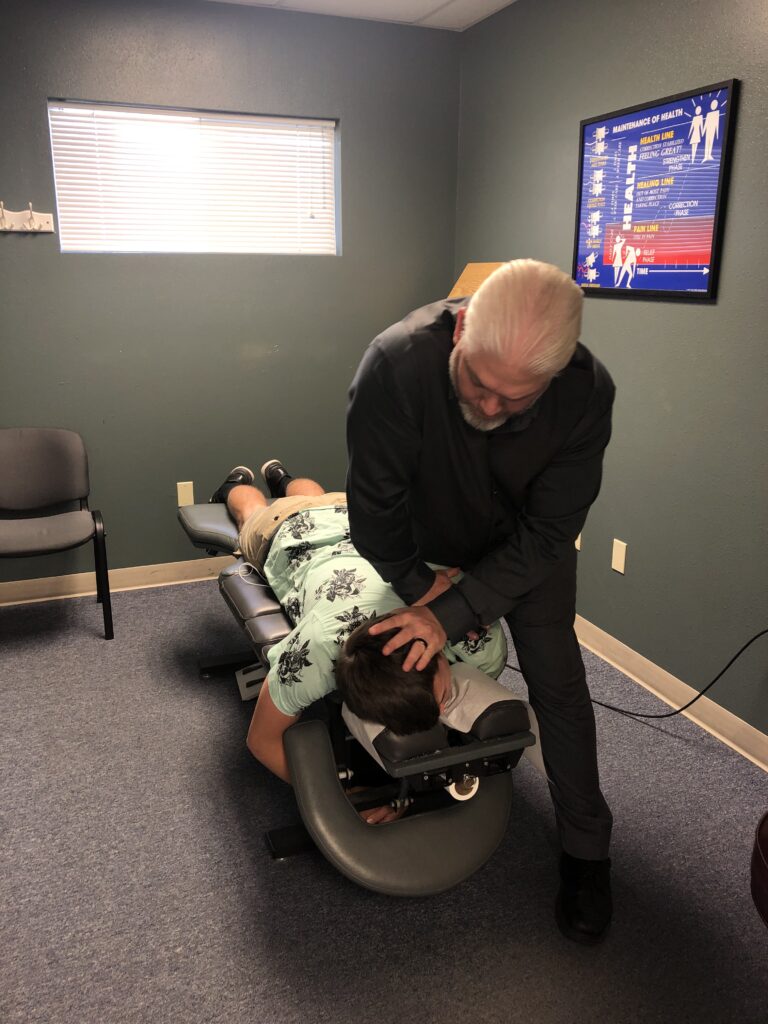

If you’re experiencing back pain, it’s important to recognize that finding lasting relief can often feel daunting. As a local chiropractor, I want to emphasize the significance of understanding the root causes of your discomfort rather than simply alleviating the symptoms. By exploring mindful movement practices, making ergonomic adjustments, and paying attention to your nutrition, we can develop a comprehensive approach to your recovery.
Let’s discuss specific strategies that might work best for you. Incorporating gentle exercises and stretches can improve flexibility and strength, while ensuring your workspace is ergonomically designed can alleviate strain on your back throughout the day. Additionally, maintaining a balanced diet can support your overall health and aid in the healing process.
Together, we can discover practical steps that enhance your well-being and foster long-term recovery from back pain through natural healing methods. Your journey to a pain-free life starts here!
Understanding the Causes of Back Pain
As a local chiropractor, I want to help you understand the various causes of back pain and how we can address them through natural healing. When you experience back pain, it’s crucial to look beyond just the discomfort and consider the underlying factors contributing to it.
One of the most common issues I see in my practice is poor posture. Many people tend to slouch or hunch over, which places unnecessary strain on your back muscles. This is something we can work on together by developing better postural habits and strengthening your core muscles.
Another factor is a sedentary lifestyle. If you’re not moving enough, your muscles can weaken, making your back more vulnerable to injury. Incorporating regular physical activity into your routine can help strengthen these muscles and support your spine.
Repetitive movements, whether they occur at work or during your favorite activities, can also lead to muscle imbalances that contribute to pain. It’s essential to recognize these patterns and make adjustments to prevent further discomfort.
In addition, I often treat patients who’ve experienced injuries from falls or accidents. These incidents can lead to acute pain, while chronic conditions like arthritis or herniated discs may require a more comprehensive approach to manage effectively.
Lastly, I want to highlight that stress and anxiety can manifest physically, often as tension in your back. Finding ways to manage stress through relaxation techniques, exercise, or chiropractic adjustments can significantly help alleviate your pain.
The Role of Mindful Movement Practices
As a local chiropractor, I want to share how mindful movement practices like yoga and stretching can significantly alleviate back pain.
Many of my patients have found that incorporating these activities into their daily routines not only enhances their flexibility but also helps create a stronger mind-body connection.
By embracing these practices, you can experience lasting relief from discomfort and establish a solid foundation for your overall health and well-being.
It’s an essential complement to chiropractic care and a natural way to support your body’s healing process.
Benefits of Yoga
As a local chiropractor, I often see patients seeking relief from back pain through traditional remedies, but I want to introduce you to an alternative approach: yoga. This practice offers a holistic method that seamlessly integrates physical movement with mental awareness.
By incorporating yoga into your routine, you can significantly enhance your flexibility, strengthen your core, and improve your posture, all of which are crucial in alleviating back pain.
Yoga encourages mindful movements that help you connect with your body on a deeper level, fostering a better understanding of where tension and discomfort may arise.
Additionally, the breathing techniques taught in yoga can be incredibly beneficial for managing stress and anxiety, both of which can amplify pain perception.
With consistent practice, many of my patients report increased body awareness and a greater sense of balance, which can complement chiropractic care effectively.
The combination of physical and mental benefits provided by yoga creates a sustainable solution for long-term back pain relief.
Importance of Stretching
As a local chiropractor, I want to emphasize the vital importance of stretching in maintaining your body’s flexibility and preventing injuries, particularly for those of you who may be experiencing back pain.
Incorporating mindful movement practices, such as stretching, into your daily routine can significantly enhance your range of motion and alleviate muscle tension.
I encourage you to dedicate just a few minutes each day to gentle stretches that focus on your back, hips, and legs. This simple practice can help ease discomfort and promote better posture, which is crucial for overall spinal health.
While you stretch, be mindful of your breath and truly listen to your body—this awareness will help you connect more deeply with your movements and enhance the benefits of your stretching routine.
Regular stretching not only helps with pain relief but also improves circulation, which is essential for healing and recovery.
By making stretching a consistent habit, many of my patients have found notable improvements in their back pain and overall well-being.
Remember, your body is designed to move, and stretching is a natural way to support its health.
If you have any questions or would like personalized stretching recommendations, don’t hesitate to reach out during your next visit!
Exploring the Benefits of Yoga for Back Pain
As a chiropractor, I often recommend incorporating yoga into your routine to enhance the mind-body connection, which can significantly alleviate back pain.
Through consistent practice, you’ll develop improved flexibility and strength, making daily activities feel more manageable and comfortable.
Mind-Body Connection
As a local chiropractor, I want to help you understand the vital connection between your mind and body, particularly in relation to back pain relief. Engaging in practices like yoga can complement your chiropractic care beautifully.
When you practice yoga, it’s not just about physical stretching; it’s about becoming attuned to your body and recognizing its signals. This heightened awareness allows you to pinpoint areas of tension and discomfort, which can enhance the effectiveness of your chiropractic adjustments.
Yoga promotes deep breathing, calming your nervous system and alleviating stress, which is often a significant factor in pain management. By concentrating on your breath and movements, you develop mindfulness—a skill that can alter your perception of pain.
Furthermore, the meditative elements of yoga can help you let go of emotional blockages that might be contributing to your discomfort, providing a holistic approach to healing.
Improved Flexibility and Strength
As your local chiropractor, I want to share how yoga can be a valuable addition to your wellness routine, especially when it comes to enhancing flexibility and strength—two key components for managing back pain.
Many people may not realize that yoga isn’t just about stretching; it also involves strengthening the muscles that support your spine. This balanced approach can help alleviate tension, improve your mobility, and lower your risk of injury.
By incorporating a variety of yoga poses, you can effectively target tight areas, enhance your posture, and promote better alignment.
As you practice yoga and develop these skills, you may notice that daily activities become easier and more comfortable. Additionally, the mindful nature of yoga promotes relaxation, which can be particularly beneficial for relieving stress-related back pain.
I encourage you to consider adding yoga to your routine as a holistic and sustainable solution for back pain relief. Together with chiropractic care, it can help you achieve a healthier and more balanced body.
How Pilates Can Strengthen Your Back
As a local chiropractor, I understand that back pain can be a frustrating hurdle for many people. One effective way to strengthen your back is by incorporating Pilates into your wellness routine. Pilates focuses on core stability, which plays a crucial role in supporting your spine.
By practicing Pilates regularly, you can engage the key muscles that help alleviate pain and prevent future issues.
Here are some of the notable benefits of Pilates for your back health:
- Improved Core Stability: It strengthens the muscles surrounding your spine, providing essential support.
- Enhanced Posture: Pilates encourages proper alignment, which can significantly reduce strain on your back.
- Increased Flexibility: The exercises promote a greater range of motion in your back, helping to relieve stiffness.
- Muscle Balance: Pilates addresses muscle imbalances that may be contributing to your pain, helping to restore harmony to your body.
- Mind-Body Connection: This practice enhances your awareness of body movements, allowing for better control and coordination.
Integrating Pilates into your routine can be a valuable complement to chiropractic care, helping you achieve a healthier and more resilient back.
The Importance of Ergonomic Adjustments
As a local chiropractor, I want to emphasize the importance of making ergonomic adjustments in your workspace to help reduce the risk of back pain. One of the first steps you can take is to ensure that your chair provides proper support for your lower back. It’s crucial that your feet rest flat on the floor to promote good posture.
Next, pay attention to the height of your desk; it should be adjusted so that your elbows are at a 90-degree angle while you’re typing. This small change can significantly reduce hunching and strain on your back.
Your computer monitor should be positioned at eye level to avoid craning your neck, which is a common cause of discomfort. If you often work on a laptop, I recommend using a stand or an external keyboard to maintain proper alignment of your body.
Remember, it’s also essential to take regular breaks to stretch and move around. Staying stationary for prolonged periods can worsen discomfort and contribute to pain.
Lastly, consider your environment. Good lighting and a clutter-free workspace can enhance both your focus and comfort.
Lifestyle Changes for Long-term Relief
As a local chiropractor, I want to emphasize how important lifestyle changes can be for achieving long-term relief from back pain. While chiropractic care plays a crucial role in alleviating discomfort, adopting healthier habits can significantly enhance your overall well-being and support your recovery.
Here are some effective lifestyle modifications I encourage you to consider:
- Stay Active: Engaging in regular exercise is essential for strengthening the muscles that support your spine. Activities like walking, swimming, or gentle yoga can be particularly beneficial.
- Maintain Good Posture: Be conscious of your posture throughout your daily activities. Whether you’re sitting at a desk, standing, or lifting objects, proper alignment can help minimize strain on your back.
- Incorporate Stretching: Make stretching a part of your daily routine. Simple stretches can increase flexibility and help alleviate tension in your back muscles, promoting better mobility.
- Prioritize Sleep: Quality sleep is vital for your body’s healing process. Ensure you have a comfortable sleeping environment and aim for adequate rest to support recovery.
- Manage Stress: Chronic stress can lead to muscle tension and exacerbate back pain. I recommend incorporating relaxation techniques such as meditation, deep breathing exercises, or yoga into your routine to help manage stress levels.
By making these lifestyle adjustments, you can’t only help manage your back pain but also improve your overall health and quality of life.
I encourage you to commit to these changes, and together with chiropractic care, you may notice a significant improvement in your daily comfort and well-being.
The Impact of Nutrition on Back Health
As a local chiropractor, I want to emphasize the vital role nutrition plays in maintaining a healthy back. The right foods can significantly support your body’s healing processes and help reduce inflammation — a common contributor to back pain.
Incorporating a balanced diet that includes anti-inflammatory foods like fatty fish, nuts, and leafy greens can be incredibly beneficial. These foods not only help alleviate pain but also promote overall healing of your spine.
And let’s not forget hydration; drinking enough water is crucial for maintaining the elasticity of your spinal discs, which is essential for a healthy back.
Additionally, focusing on whole grains and lean proteins can strengthen your muscles and assist with healthy weight management. Less stress on your back means less pain overall.
It’s also wise to steer clear of processed foods and excessive sugar, as these can lead to increased inflammation and negatively impact your health.
If you’re concerned about getting enough omega-3 fatty acids or vitamin D in your diet, consider discussing supplements with your healthcare provider. Making informed nutritional choices today can lay the groundwork for a stronger back and a pain-free future.
By prioritizing your diet, you’re taking an important step towards supporting your back health and enhancing your overall quality of life.
As your chiropractor, I encourage you to explore how nutrition can complement your chiropractic care for the best possible results.
Incorporating Stress Management Techniques
As your local chiropractor, I want to emphasize how managing stress isn’t just a mental health issue; it plays a crucial role in your physical well-being, particularly when it comes to alleviating back pain.
When stress levels rise, it can lead to muscle tension and tightness, which often worsens discomfort in your back. By incorporating some simple stress management techniques into your daily routine, you can significantly enhance your back health and overall quality of life.
Here are some effective strategies to consider:
- Deep Breathing: Spend a few minutes each day practicing deep breathing. Focus on inhaling slowly through your nose and exhaling gently through your mouth. This can help reduce tension in your muscles.
- Meditation: Carving out time for mindfulness meditation can be incredibly beneficial. It allows you to clear your mind, reduce stress, and promote a sense of calm that can ease physical tension.
- Yoga: Gentle yoga stretches can be a wonderful way to improve flexibility and relaxation. Look for classes that focus on restorative poses, which are especially helpful for relieving back pain.
- Progressive Muscle Relaxation: This technique involves tensing and then relaxing each muscle group in your body, starting from your toes and moving up to your head. It’s a great way to release built-up tension and promote relaxation.
- Journaling: Writing down your thoughts and feelings can help you process stress. It’s a way to unload your mind and gain perspective on any challenges you may be facing.
Incorporating these techniques into your lifestyle can’t only help manage stress but also support your chiropractic care by promoting a more relaxed and adaptable body.
Together, we can work towards improving your overall health and well-being.
Seeking Professional Guidance and Support
As a local chiropractor, I want to emphasize the importance of managing stress as a crucial step in your journey toward relieving back pain. However, I understand that sometimes, additional support is necessary to tackle the underlying issues that may be contributing to your discomfort. Seeking professional guidance, like chiropractic care, can be instrumental in identifying the root causes of your pain and developing a personalized treatment plan tailored to your unique needs.
Chiropractic care focuses on the relationship between your spine and nervous system, and how it affects your overall health. During your visit, I’ll conduct a thorough assessment of your posture, flexibility, and strength to better understand how these factors may be impacting your back pain.
Together, we’ll explore effective strategies and gentle adjustments that can help restore balance and function to your body.
It’s also important to address any stress or anxiety that may be exacerbating your discomfort. While my expertise lies in physical alignment and healing, I encourage open communication about how you’re feeling, as mental well-being plays a vital role in your recovery.
By combining our efforts with your commitment to natural, holistic solutions, we can work towards achieving lasting relief and improving your quality of life.
Conclusion
As a local chiropractor, I want to share how incorporating sustainable solutions for back pain relief can significantly improve your quality of life. Understanding the underlying causes of your discomfort is the first step toward recovery. By practicing mindful movement techniques such as yoga and Pilates, you can effectively strengthen your back and enhance your posture.
It’s also essential to consider ergonomic adjustments in your daily environment, as well as maintaining a nutritious diet and utilizing stress management techniques, all of which play a crucial role in your overall health. With a commitment to these lifestyle changes and professional support from a chiropractor, you can achieve long-term relief from back pain and enjoy a better quality of life. Let’s work together on your journey to a healthier back today!